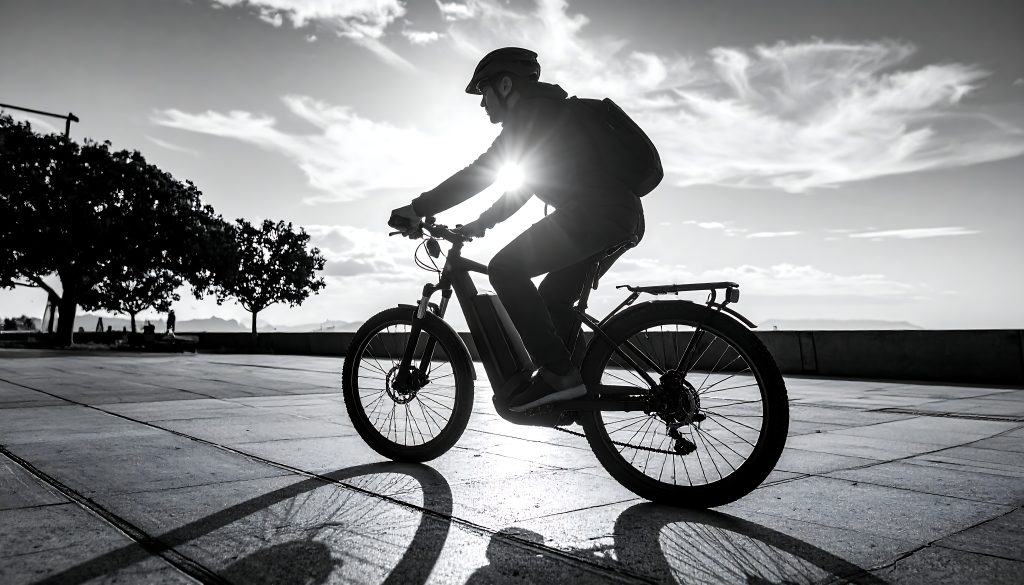
Our regular trips are now easier and more environmentally beneficial because of the full suspension folding ebike. At the same time, as consumers search for more affordable and environmentally friendly power options, solar energy is also growing in popularity. It makes sense to ask whether you could combine the two and use the sun to charge your e-bike.
By 2026, solar-powered e-bike charging will be more than just a pipe dream. It is feasible, but it will rely on many factors and on how you set things up. It can lower your electricity bills and make your rides more sustainable, even though it might not completely replace conventional charging for everyone.

Things To Keep In Mind While Using Solar Power to Charge an E-Bike
Modern solar panels are becoming more feasible for regular consumers since they are more compact, efficient, and simple to install. This implies that utilizing solar energy for your e-bike could become a popular and dependable way to ride sustainably in the years to come, rather than just an option. Solar-powered e-bike charging is not as difficult as it seems, but it does need the proper setup and equipment. Let’s dissect in simple words what factors are to be considered, and what things are needed to charge your electric bike using solar energy.
Comprehending the Fundamental Configuration
A few essential parts must cooperate in order to use solar energy to charge your e-bike.
-
Solar Panels gather sunlight and transform it into electrical power. Your charging speed will increase with the power of the panels.
-
In order to avoid overcharging or damage, this controls the flow of power from the panels.
-
to charge your e-bike later, even at night, a solar battery may store energy throughout the day.
Comparing Direct and Stored Charging
The electric bike may be charged by solar energy in two primary methods. Both of them are discussed below.
-
Charging directly when the solar panels are directly attached to the e-bike. It functions best under direct sunshine and is unreliable on overcast days, but the rate of charging can change.
-
Charging in Storage works when solar energy is stored in a battery, and your e-bike can be charged at any time. It is steadier and more reliable, but has a slightly more expensive setup
Detailed Charging Procedure
Mentioned below is a step-by-step procedure on how the standard solar charging procedure operates.
-
Place your solar panels in an area with plenty of sunlight.
-
Attach them to a charge controller.
-
Connect a battery to the system if stored charge is being used.
-
Connect the charger for your e-bike to the system.
-
Allow the bike to charge using the same method as a wall outlet.
How Much Time Does It Take For A Solar Charge?
A common question that arises in the mind of a user is how long it would take to charge using solar energy. The answer to this is that your configuration and the amount of sunlight will determine how long it takes to charge.
-
It could take six to ten hours to put up a small solar system.
-
It takes four to six hours for medium systems to charge.
-
Regular charging speeds may be matched by high-power systems.

Advantages and Drawbacks Of Solar Charging
Solar charging will probably become much more economical and efficient as technology advances. For now, it’s a fantastic choice for environmentally aware riders who wish to enhance their e-bike experience. Although solar charging sounds fantastic, there are benefits and drawbacks to any technology. You can determine whether it’s right for you by knowing both sides.
Advantages of Solar Power
The following are the advantages and good sides of solar charging of an electric bike.
-
Eco-Friendly Mobility that lessens your carbon footprint
-
makes use of renewable and clean energy and aids in environmental protection
-
Reduced Electricity Prices
-
reduces your electricity costs
-
After the first setup, free energy is excellent for long-term financial savings
-
Energy Self-Sufficiency
-
Reduced dependence on the grid
-
Beneficial in isolated locations
-
Perfect for power outages
-
Excellent for Outdoor Experiences and Ideal for road trips or camping
-
Anywhere there is sunlight, you can charge your e-bike.
-
gives your trip plans more flexibility.
Solar Charging’s Limitations
The following are the limitations of solar charging.
-
High Initial Setup Expense, as the equipment and solar panels might be costly.
-
Inverters and batteries further raise the price.
-
Dependency on the Weather
-
Sunlight is necessary for performance, so rainy or cloudy days are less productive.
-
Not suitable for every place
-
Reduced Speed of Charging
-
Compared to wall charging, it could take longer.
-
Depending on sunlight and panel size, so not always appropriate for quick charging
-
Needs Space because solar panels require adequate room, so living in an apartment is difficult.
-
Also, it can be difficult to install.
Concluding Remarks
In 2026, will it be feasible to charge an e-bike using solar power? Yes, but with certain restrictions. It works well for those who have access to good sunshine and are prepared to make the necessary setup investments. It provides a clever and environmentally friendly substitute for conventional charging, even though it might not be able to fully replace it for everyone. You can eventually save money, lessen your impact on the environment, and have greater control over how your rides are powered.

Caroline is doing her graduation in IT from the University of South California but keens to work as a freelance blogger. She loves to write on the latest information about IoT, technology, and business. She has innovative ideas and shares her experience with her readers.