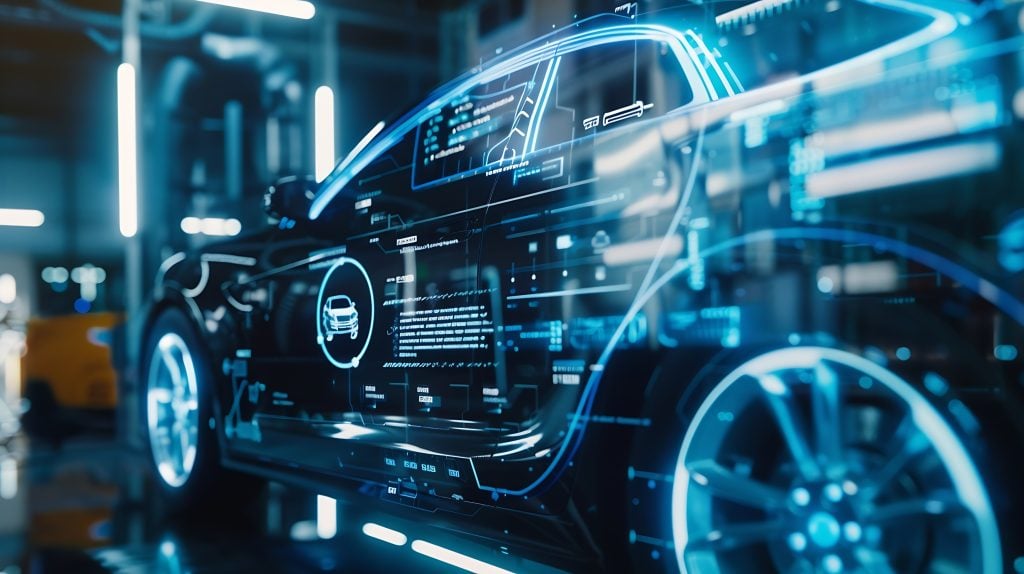
Car service and maintenance have evolved far beyond traditional mechanical inspections and manual diagnostics. Today, modern automotive care relies heavily on digital systems, artificial intelligence, connected tools, and predictive technologies that help identify issues earlier and improve repair accuracy. These innovations are changing how technicians work, how vehicles are monitored, and how maintenance is scheduled. Whether exploring automotive trends or searching for a best car service in Temple, TX, understanding new service technologies can help explain how modern vehicle maintenance has become more efficient, precise, and data-driven.
The same modernisation has reached the workshop floor, where suppliers such as https://www.jennychem.com/ provide the degreasers, traffic film removers and valeting chemicals that keep service bays and customer vehicles presentable.
AI-Powered Vehicle Diagnostics Systems
One of the most significant advancements in car service technology is the use of artificial intelligence in vehicle diagnostics.
Traditional vehicle diagnostics relied heavily on manual inspection, mechanical testing, and basic computer scan tools that identified error codes.
While these methods are still important, AI-powered diagnostic systems take vehicle analysis to a more advanced level.
These systems use machine learning algorithms to analyze large volumes of vehicle data collected from sensors, control modules, and onboard computer systems.
Instead of simply identifying a fault code, AI-based systems can interpret patterns, predict potential failures, and provide more detailed insight into underlying mechanical issues.
For example, if a vehicle shows irregular engine performance data, AI systems may compare it with historical patterns from similar vehicles to determine likely causes.
This allows technicians to focus on targeted repairs rather than broad or uncertain troubleshooting steps.
AI diagnostics can also improve repair accuracy by reducing human interpretation errors.
Technicians receive more structured information about vehicle condition, which supports better decision-making during service procedures.
Another important benefit of AI systems is their ability to learn over time.
As more data is collected, the system becomes more accurate in predicting issues and identifying performance anomalies.
This technology represents a shift from reactive repair approaches toward predictive maintenance strategies.
Instead of waiting for breakdowns, service centers can identify issues earlier and recommend preventive action.
Connected Car Maintenance and Remote Monitoring Technology
Another major innovation in modern vehicle maintenance is connected car technology.
Connected systems allow vehicles to communicate directly with service platforms, manufacturers, and diagnostic networks using internet-based communication.
This technology enables remote monitoring of vehicle health without requiring immediate physical inspection.
Sensors inside the vehicle continuously collect data related to engine performance, battery condition, tire pressure, braking systems, and other critical components.
This information can be transmitted to service platforms where it is analyzed in real time.
If irregularities are detected, alerts can be generated to notify drivers or service providers about potential issues.
This helps reduce the risk of unexpected breakdowns and improves maintenance planning.
Remote monitoring systems also support scheduled maintenance reminders based on actual vehicle usage rather than fixed timelines alone.
For example, instead of changing oil strictly based on mileage intervals, connected systems may analyze driving conditions, engine load, and temperature patterns to recommend more accurate service timing.
This leads to more efficient maintenance cycles and can help extend vehicle lifespan.
Connected technology also improves communication between drivers and service centers.
Some systems allow service appointments to be scheduled automatically or provide real-time updates on vehicle diagnostics.
This level of integration makes maintenance more transparent, efficient, and responsive to actual vehicle conditions.
Digital Predictive Maintenance and Smart Service Analytics
Predictive maintenance technology represents a major advancement in how vehicles are serviced and maintained.
Instead of relying solely on routine inspections or visible symptoms, predictive systems use data analytics to forecast potential mechanical issues before they occur.
These systems combine sensor data, historical repair records, driving behavior patterns, and environmental factors to identify early warning signs.
For example, a vehicle’s braking system may show subtle changes in performance data that indicate future wear.
Predictive analytics can detect these changes long before a driver notices any visible problem.
Service centers can then recommend part replacements or inspections before a complete failure happens.
This approach reduces repair costs, minimizes downtime, and improves overall vehicle reliability.
Smart maintenance systems also help prioritize service tasks based on urgency.
Rather than treating all maintenance issues equally, technicians can focus on the most critical problems first.
Another advantage of predictive analytics is its ability to optimize maintenance schedules for fleet vehicles.
Businesses that operate multiple vehicles can use data-driven insights to reduce operational disruptions and improve efficiency.
Predictive maintenance also contributes to safer driving conditions by addressing potential mechanical failures before they become hazardous.
As data collection continues improving, predictive systems are becoming more accurate and widely used in modern automotive service environments.
Digital Inspection Tools and Smart Workshop Technology
Modern vehicle service centers are also using advanced digital inspection tools to improve accuracy and efficiency during maintenance procedures.
Instead of relying only on manual visual inspections, technicians now use digital scanners, high-resolution cameras, thermal imaging devices, and sensor-based diagnostic equipment.
These tools allow for more detailed analysis of vehicle components, even in hard-to-reach areas.
For example, thermal imaging can detect overheating components that may not be visible through traditional inspection methods.
Digital inspection reports can also be stored electronically, providing a complete service history for each vehicle.
This helps technicians track recurring issues, monitor long-term wear patterns, and make better repair decisions.
Smart workshop technology also includes cloud-based service platforms that allow technicians to access vehicle data instantly.
Repair instructions, technical manuals, and diagnostic updates can be delivered in real time, reducing delays and improving workflow efficiency.
Some service centers also use augmented reality tools to assist technicians during complex repairs.
AR systems can overlay digital instructions directly onto vehicle components, guiding technicians step by step through repair procedures.
This reduces the likelihood of errors and improves training efficiency for new technicians.
Digital inspection tools represent a shift toward more precise, data-supported automotive maintenance practices.
They enhance both the speed and accuracy of service operations while improving transparency for vehicle owners.
Conclusion
Car service and maintenance are undergoing a major transformation driven by artificial intelligence, connectivity, predictive analytics, and digital inspection technologies. These innovations are making vehicle maintenance more efficient, accurate, and proactive than ever before.
Developing a consistent maintenance schedule keeps a vehicle running smoothly and prevents severe mechanical failures down the line. Working with a reliable team for auto repair in Porter, TX can help you catch small wear-and-tear issues early. This routine care supports your car’s long-term reliability and preserves its resale value over time.
AI-powered diagnostics improve fault detection and repair accuracy. Connected car systems enable real-time monitoring and remote maintenance communication. Predictive maintenance helps identify potential issues before they occur, while digital inspection tools enhance workshop precision and efficiency.
Together, these technologies are reshaping the automotive service industry into a more intelligent and data-driven system. As technology continues to advance, vehicle maintenance will become increasingly predictive, automated, and efficient, improving both vehicle performance and driver confidence.

Robert Griffith is a content and essay writer. He is collaborating with local magazines and newspapers. Robert is interested in topics such as marketing and history.