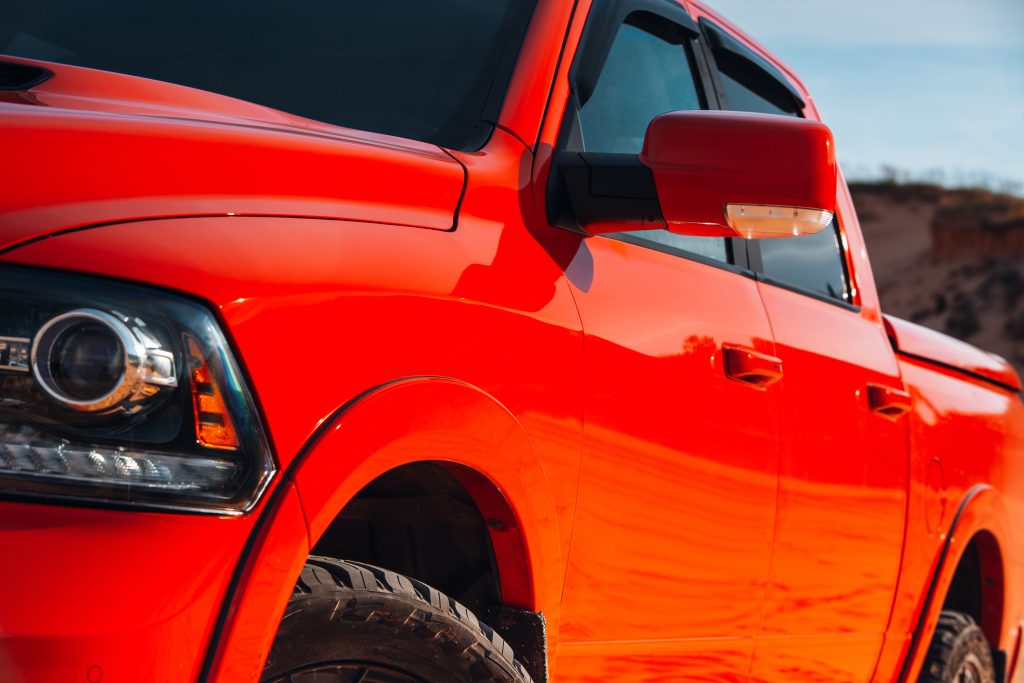
Modern pickup trucks have evolved into highly sophisticated vehicles that combine towing capability, digital connectivity, intelligent safety systems, and advanced performance engineering. Technology now plays a central role in how trucks support commercial work, towing operations, commuting, off-road driving, and everyday convenience. Ram trucks incorporate a range of innovations designed to improve vehicle control, communication, efficiency, and driver awareness. Whether studying truck engineering developments or reviewing models through a Ram dealership in Red Deer, understanding modern truck technology helps explain how today’s pickups operate far beyond traditional utility-focused design.
Advanced Uconnect Infotainment and Connectivity Systems
One of the most recognizable technology platforms in Ram trucks is the Uconnect infotainment system.
Modern truck cabins increasingly function as digital workspaces, navigation centers, and communication hubs. Ram’s infotainment technology reflects this transition by integrating entertainment, navigation, smartphone compatibility, and vehicle information into a centralized interface.
Uconnect systems typically use touchscreen displays, digital controls, voice-command functionality, and mobile integration features designed to simplify interaction while driving.
Truck drivers often depend on digital tools during daily operation, especially when managing travel routes, worksite coordination, communication, or long-distance transportation tasks.
Infotainment platforms commonly support functions such as navigation access, audio management, smartphone connectivity, and hands-free communication.
Voice-command technology contributes significantly to usability because it allows selected tasks to be completed without extensive manual input.
Modern connectivity systems also support smartphone integration, allowing compatible applications and mobile services to interact directly with vehicle displays.
The increasing importance of infotainment technology demonstrates how pickup trucks now address both operational functionality and connected digital lifestyles.
Intelligent Driver Assistance and Safety Technology
Safety technology has become a major focus in modern truck development.
Ram trucks incorporate advanced driver-assistance systems intended to improve visibility, awareness, and hazard recognition during daily driving and demanding work environments.
These technologies rely on sensors, cameras, radar systems, and digital monitoring tools to evaluate traffic conditions and surrounding activity.
Advanced safety systems commonly focus on areas such as:
- Blind spot awareness during towing or lane changes
- Forward collision monitoring and hazard detection
- Lane departure observation and roadway positioning support
Blind spot technology can be especially valuable in larger trucks because vehicle size, towing equipment, and cargo configurations may increase visibility challenges.
Forward monitoring systems analyze traffic conditions ahead and help identify potential collision risks.
Lane-position technologies observe roadway markings and provide alerts or corrective assistance under selected conditions.
These systems are not designed to replace responsible driving practices. Instead, they function as supplemental awareness tools intended to support decision-making and environmental observation.
The growth of driver-assistance engineering reflects broader changes in automotive safety priorities across the truck segment.
Advanced Towing and Trailer Management Technology
Towing capability remains one of the defining characteristics of pickup truck design.
Because towing operations involve additional complexity related to load management, stability, braking, and visibility, Ram trucks increasingly integrate specialized towing technologies.
Modern towing systems are designed to improve control, monitoring, and confidence during hauling tasks.
Trailer management technology may include digital monitoring tools, integrated brake controllers, towing camera systems, and trailer-specific information displays.
Integrated trailer brake controls help coordinate braking behavior between the truck and attached trailer.
This coordination supports smoother stopping performance and improved towing balance.
Visibility technology also plays an important role in towing operations.
Camera systems and enhanced visual monitoring tools help drivers maintain awareness of trailer positioning, surrounding traffic conditions, and maneuvering environments.
Trailer-related information systems may provide digital access to towing data, status updates, or operational settings directly through the truck interface.
These technologies are particularly relevant for drivers involved in equipment transport, commercial hauling, recreational towing, and heavy-duty workload management.
Advanced towing technology demonstrates how modern trucks increasingly combine mechanical capability with intelligent digital support.
Powertrain Engineering and Performance Management Systems
Performance technology remains central to the identity of pickup trucks.
Ram trucks incorporate advanced powertrain systems designed to balance strength, responsiveness, efficiency, and operational adaptability.
Modern truck engines rely heavily on electronic management systems that continuously monitor operating conditions.
Rather than functioning through fixed mechanical behavior alone, contemporary powertrains use digital controls to optimize performance according to changing demands.
Engine management systems may adjust fuel delivery, airflow behavior, transmission coordination, and operational settings in response to factors such as terrain, towing loads, acceleration requirements, or driving modes.
Transmission technology also contributes significantly to overall truck performance.
Advanced transmissions help manage power delivery, gear transitions, and efficiency characteristics under varied operating conditions.
Some truck systems provide selectable drive modes intended for towing, off-road operation, slippery conditions, or efficiency-focused travel.
These settings allow vehicle behavior to adapt according to operational requirements.
Powertrain technology illustrates how modern pickup engineering increasingly combines traditional mechanical strength with software-driven performance intelligence.
Digital Displays, Cabin Technology, and Smart Interior Design
Truck interiors have undergone significant technological transformation in recent years.
Modern Ram cabins increasingly integrate digital interfaces, customizable displays, connected controls, and information-rich operating environments.
Digital instrument clusters allow important information to be displayed in configurable formats tailored to driver preferences or operating priorities.
Drivers may access details related to navigation, towing information, vehicle status, safety alerts, media controls, or performance data through centralized display systems.
Large touchscreen interfaces further contribute to organized information management by consolidating numerous controls into unified digital environments.
Interior technology extends beyond displays alone.
Cabin innovations may include wireless charging, USB connectivity, configurable storage solutions, digital convenience controls, and premium communication features.
Truck interiors increasingly serve multiple purposes, functioning as transportation spaces, mobile offices, jobsite support environments, and long-distance travel cabins.
Smart interior design reflects changing expectations regarding comfort, productivity, and digital accessibility within modern trucks.
Technology integration therefore influences not only vehicle capability but also how occupants interact with the cabin environment.
The Expanding Role of Technology in Modern Trucks
The technologies found in modern Ram trucks reflect broader changes across the automotive and commercial transportation industries.
Truck buyers increasingly expect vehicles capable of combining work-focused durability with intelligent software systems, digital convenience tools, and advanced safety capabilities.
Technology now influences nearly every major aspect of truck design.
From towing assistance and connectivity platforms to performance management and digital communication systems, modern pickups operate as integrated technology ecosystems.
This transformation highlights how vehicle engineering continues evolving in response to changing operational demands, consumer expectations, and transportation innovation.
Future truck development will likely involve stronger integration between connectivity, electrification, predictive software systems, artificial intelligence, and expanded automation tools.
Conclusion
Advanced technology in Ram trucks demonstrates how modern pickups have evolved beyond traditional mechanical work vehicles into sophisticated transportation platforms. Innovations such as Uconnect infotainment, intelligent driver assistance systems, advanced towing technologies, digital powertrain management, and connected cabin environments illustrate the growing role of technology in truck design.
Understanding these five major technology areas helps explain how contemporary Ram trucks support communication, safety awareness, towing performance, operational flexibility, and everyday usability. As automotive innovation continues progressing, technology will likely remain a defining force shaping the future capabilities of modern pickup trucks.

Robert Griffith is a content and essay writer. He is collaborating with local magazines and newspapers. Robert is interested in topics such as marketing and history.