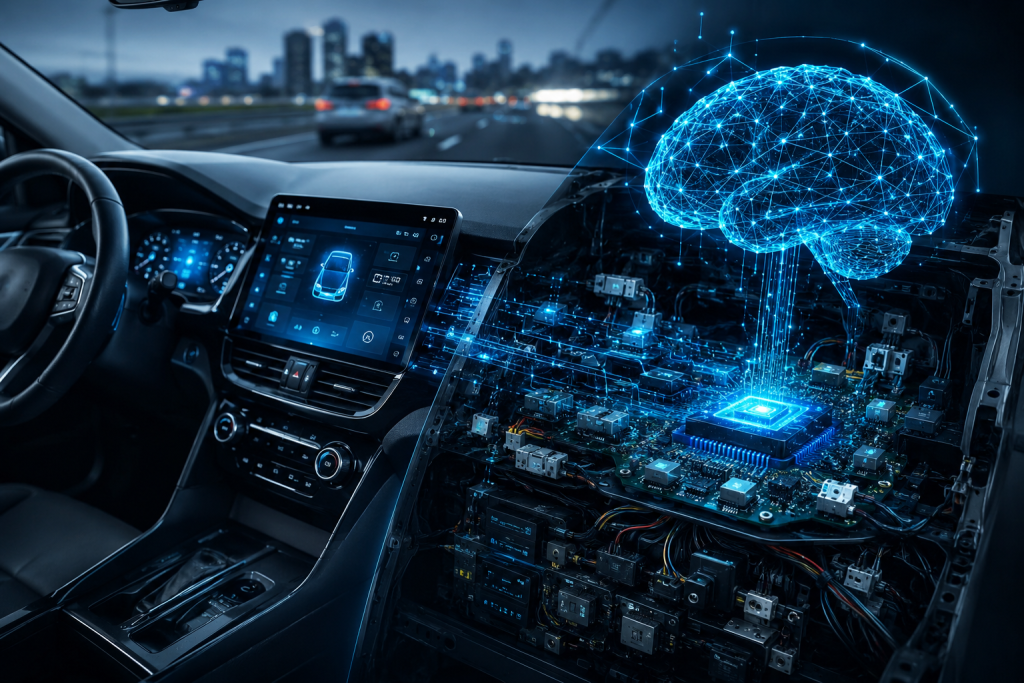
Vehicle technology has evolved rapidly over the past decade, transforming how drivers interact with navigation, entertainment, communication, and digital information while on the road. Infotainment and connectivity systems are no longer limited to luxury vehicles or brand-new models. Many used vehicles now include advanced technology features that support convenience, communication, smartphone integration, and digital driving experiences. Understanding these systems can help drivers better evaluate modern automotive capabilities. Whether researching vehicle technology trends or exploring used cars for sale in Raynham, learning about infotainment and connectivity features provides useful insight into what many contemporary used vehicles may offer.
Smartphone Integration Systems
One of the most important infotainment developments in modern vehicles is smartphone integration technology.
Many used vehicles produced during recent model years include systems designed to connect mobile devices directly with vehicle interfaces. This technology allows drivers to access selected smartphone functions through dashboard touchscreens, voice commands, or steering-wheel controls.
Smartphone integration platforms generally focus on improving convenience while reducing the need for handheld device interaction during driving.
Common capabilities may include navigation access, music streaming, phone communication, messaging support, and compatible mobile applications.
For many drivers, smartphone compatibility has become one of the most desirable infotainment features because personal devices already store preferred contacts, entertainment services, route information, and digital content.
Rather than relying solely on built-in vehicle software, integrated systems create a bridge between the vehicle and the driver’s mobile ecosystem.
Voice-enabled functionality also contributes to usability by allowing selected commands to be performed verbally.
This technology demonstrates how automotive design increasingly emphasizes connected digital experiences that align with everyday technology habits.
Touchscreen Infotainment Displays and User Interfaces
The rise of touchscreen technology has significantly changed vehicle cabin design.
Many used cars now feature centralized infotainment displays that combine multiple controls into one organized digital interface.
Traditional dashboards often relied heavily on physical buttons, knobs, and separate control panels. Modern infotainment systems increasingly consolidate functions into touchscreen environments designed for accessibility and simplified interaction.
These systems commonly manage functions related to:
- Navigation systems and digital mapping tools
- Audio settings, media playback, and entertainment controls
- Vehicle settings, climate functions, and system information
Touchscreen interfaces allow drivers to access numerous features through menu-based navigation rather than scattered physical controls.
Screen size, display clarity, response speed, and menu organization can vary considerably between manufacturers and model years.
Some systems prioritize minimalistic layouts, while others incorporate extensive customization options and advanced graphical displays.
Digital interfaces have become an important aspect of vehicle usability because they influence how efficiently drivers interact with navigation, media, and communication functions.
When evaluating used vehicles, infotainment screen functionality often plays an important role in overall user experience.
Built-In Navigation and Real-Time Route Guidance
Navigation technology has become increasingly common across modern vehicles, including many models available in the used car market.
Built-in navigation systems help drivers manage route planning, unfamiliar destinations, travel timing, and location awareness.
Earlier navigation systems often depended on static map databases and limited update capabilities.
Modern systems increasingly support improved mapping interfaces, real-time information integration, and enhanced route calculation tools.
Navigation technologies may include functions such as estimated travel times, alternate route recommendations, traffic awareness tools, and destination search features.
For drivers who frequently commute, travel long distances, or navigate unfamiliar cities, integrated navigation systems can improve convenience and route confidence.
Some infotainment platforms combine built-in navigation with connected smartphone navigation compatibility, allowing users greater flexibility in selecting preferred navigation methods.
Voice-guided directions further support usability by reducing the need for constant visual interaction with maps or menus.
Navigation technology reflects the growing relationship between mobility, digital mapping, and real-time information management.
Connected Vehicle Features and Remote Access Technology
Connectivity technology increasingly extends beyond the physical driving environment.
Many newer used vehicles include connected services designed to support remote interaction, digital monitoring, and expanded convenience functions.
Connected vehicle technology allows certain vehicle systems to communicate with mobile applications, cloud-based platforms, or digital service networks.
Depending on vehicle configuration and available subscriptions, drivers may encounter features related to remote access, maintenance information, location services, or system monitoring.
Connected capabilities sometimes include:
- Remote vehicle locking or unlocking functions
- Maintenance reminders and vehicle health reporting
- Location tracking and status monitoring tools
These systems illustrate how automotive ownership increasingly overlaps with broader digital lifestyles.
Vehicle health monitoring, for example, can help drivers remain aware of maintenance needs, diagnostic alerts, or service schedules.
Remote convenience tools support interaction with certain vehicle functions even when the driver is not physically inside the vehicle.
As connected ecosystems continue expanding across the automotive industry, connectivity technology remains an increasingly important consideration when evaluating used vehicles.
Audio Streaming, Voice Commands, and Digital Entertainment Systems
Entertainment technology plays a major role in modern infotainment systems.
Used vehicles increasingly include advanced audio capabilities designed to support personalized media experiences, hands-free operation, and digital content access.
Bluetooth connectivity represents one of the most widely adopted infotainment technologies in modern vehicles.
Bluetooth systems allow compatible devices to connect wirelessly for music streaming, hands-free calling, and audio playback management.
This capability improves convenience by reducing cable dependency and simplifying device pairing.
Voice recognition technology has also become an important feature within infotainment environments.
Instead of manually navigating menus or entering commands through touchscreen controls, drivers may perform selected tasks using spoken instructions.
Voice functionality may support actions involving navigation requests, phone calls, media selection, or communication management.
Digital entertainment systems often extend beyond traditional radio functionality to include streaming compatibility, podcast access, satellite audio support, and expanded media library integration.
These technologies demonstrate how vehicle infotainment has evolved into a broader multimedia environment tailored to modern digital consumption habits.
How Infotainment Technology Influences Used Vehicle Value
Technology increasingly affects how drivers evaluate used vehicles.
While traditional purchasing considerations such as reliability, efficiency, mileage, and condition remain important, infotainment and connectivity capabilities also influence perceived value.
Modern drivers frequently expect technology environments that support smartphone interaction, intuitive interfaces, and digital convenience.
Vehicles equipped with updated infotainment systems may appeal to buyers seeking stronger compatibility with contemporary digital lifestyles.
However, infotainment evaluation involves more than simply identifying available features.
Important considerations may include software responsiveness, display usability, update compatibility, device integration quality, and long-term functionality.
Older systems may vary in their ability to support evolving smartphone standards or software ecosystems.
Understanding infotainment technology therefore helps buyers assess both convenience features and potential ownership experience.
The Future Direction of Vehicle Connectivity Technology
Automotive connectivity continues advancing rapidly.
Many technologies currently appearing in newer used vehicles represent transitional stages within broader automotive digital evolution.
Future infotainment systems will likely emphasize stronger integration between software platforms, cloud connectivity, artificial intelligence, predictive personalization, and expanded remote interaction.
Over-the-air software updates may continue improving how vehicles receive feature enhancements and system refinements.
Artificial intelligence could further influence infotainment personalization by adapting interfaces, navigation preferences, media recommendations, and communication tools according to user behavior patterns.
Connected vehicle ecosystems may also expand communication between vehicles, infrastructure networks, and mobility platforms.
These developments highlight how infotainment technology increasingly functions as a central component of the broader automotive experience rather than a secondary convenience feature.
Conclusion
Infotainment and connectivity technology play an increasingly important role in modern used vehicles. Features such as smartphone integration, touchscreen displays, built-in navigation, connected vehicle services, Bluetooth streaming, and voice-command functionality demonstrate how automotive technology has evolved to support communication, convenience, and digital interaction.
Understanding these five key infotainment and connectivity technologies can help drivers better evaluate what many contemporary used vehicles offer. As automotive innovation continues progressing, digital integration, connected services, and intelligent infotainment systems will likely remain major influences on how drivers interact with vehicles in everyday transportation environments.

Hi! I’m Bryan, and I’m a passionate & expert writer with more than five years of experience. I have written about various topics such as product descriptions, travel, cryptocurrencies, and online gaming in my writing journey.