

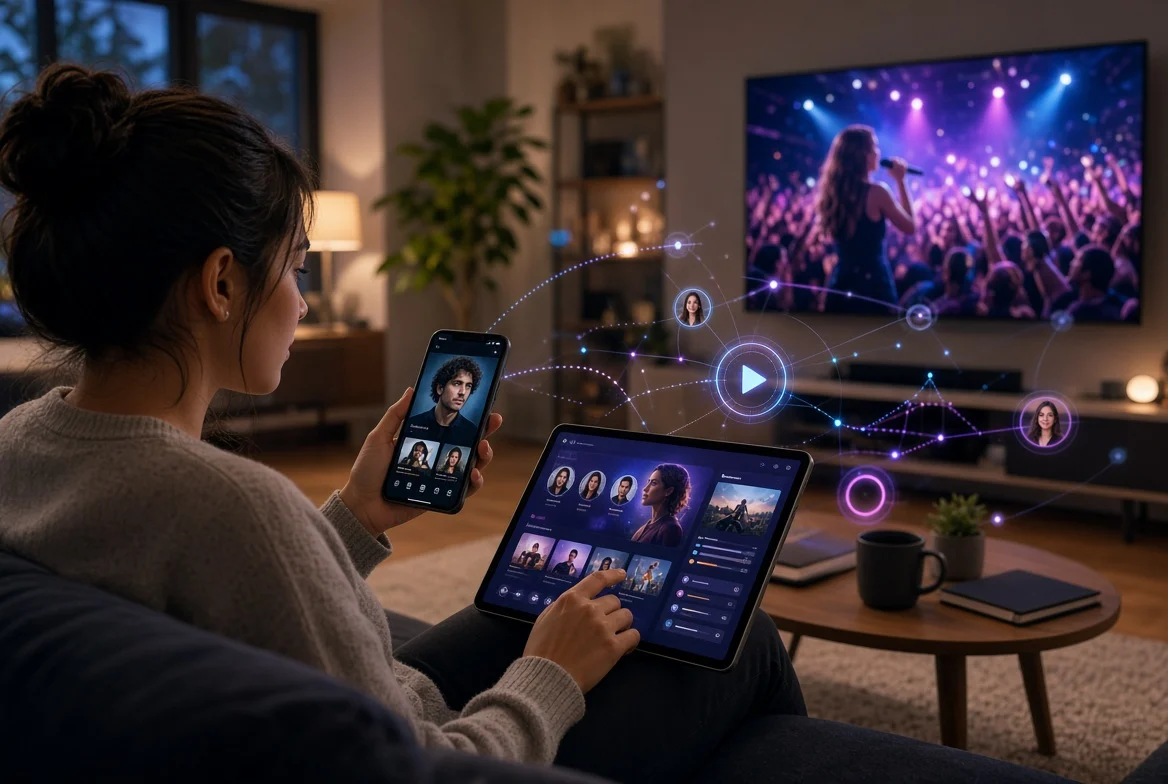
Being a fan looks completely different today than it did just a few years ago. Watching a game, discovering a new show, or finding the next app worth downloading now runs through a web of smart tools working quietly in the background. Artificial intelligence and mobile apps have quietly rewired how fans stream their favorite content, play their favorite games, and discover new experiences altogether. What used to require flipping through channels or searching endlessly online now often happens with a single tap or a short conversation with an AI assistant.
This shift did not happen overnight, but 2026 marks a turning point where these changes became impossible to ignore. Streaming blackouts that once frustrated sports fans are now solved by smarter, safer workarounds. Mobile apps that once felt clunky and generic are being rebuilt with sharper onboarding and faster, more personal experiences. Even the way people find new apps and services has changed, since many fans now ask an AI assistant for a recommendation before ever opening an app store themselves.
Understanding these changes matters for fans and businesses alike. Fans benefit from knowing what tools exist to make their favorite hobbies smoother and more enjoyable. Businesses, on the other hand, need to understand these shifts to stay visible and relevant in a market that rewards speed, personalization, and trust more than ever before. Falling behind on any of these fronts can mean losing an audience that has countless other options just a click away.
The experts featured throughout this article work directly in the industries shaping these changes, from cybersecurity and streaming access to app development and AI-driven discovery. Their experience offers a firsthand look at exactly how fans are streaming, playing, and discovering content differently in 2026, along with real examples of what has worked when businesses adapt quickly. Their insights paint a clear picture of where fan experiences are headed next.
1. VPNs Are Becoming a Everyday Tool for Sports Fans
Sports blackouts and regional streaming restrictions have frustrated fans for years, but more people are now turning to VPNs to solve this problem safely and reliably. A VPN allows a fan to appear as though they are browsing from a different location, which can unlock access to games or shows blocked in their actual region. What once felt like a complicated workaround reserved for tech experts has become a simple, everyday tool for casual sports fans.
Mark Saunders, Founder of VPNGENIX, has spent years helping everyday fans understand how to use this technology safely during major sporting events.
“I watched my own neighbor lose access to his favorite team’s playoff game because his cable provider blacked it out in his area. We built a guide that walked fans through switching servers safely, and his traffic to that page spiked 300 percent during the finals. My military background taught me that preparation beats panic every single time. A VPN should feel like a locked door, not a magic trick, and that is exactly how I build every review.”
This growing reliance on VPNs reflects a larger trend of fans taking control of their own streaming experience instead of accepting blackouts and restrictions as unavoidable. As more people learn how to use these tools safely, VPNs are shifting from a niche cybersecurity product into a mainstream part of how sports fans watch the games they care about.
2. Mobile Apps Are Winning or Losing Fans in Seconds
Fan attention spans have shrunk dramatically, and mobile apps now have only a few seconds to prove they are worth keeping. A slow loading screen, a confusing signup process, or an unclear first experience can cause a fan to delete an app before giving it a real chance. This reality has forced app developers to rethink onboarding from the ground up, focusing on speed and simplicity above almost everything else.
Mike Kordvani, Founder and CEO of SemNexus, has helped numerous startups solve exactly this kind of first impression problem for fan-focused apps.
“One startup came to us with a great sports trivia app idea and almost no budget for user acquisition. We rebuilt their onboarding flow and launched a targeted ASO strategy that cut their cost per install by 42 percent in two months. Fans today expect an app to feel instant and personal from the very first tap, or they simply delete it. Our job is building that first impression so well that a casual download turns into a daily habit.”
This pressure to deliver an instant, personal experience is reshaping how apps are built from day one. Developers who treat the first few seconds of an app as the most important moment of the entire user journey tend to see dramatically better results than those who focus only on features buried deeper inside the app.
3. Fans Are Asking AI Before They Ever Open an App Store
Discovery has quietly shifted away from traditional search and app store browsing toward direct conversations with AI assistants. A growing number of fans now ask tools like ChatGPT or Gemini which app or streaming service fits their needs, rather than scrolling through app store rankings themselves. This change means businesses need to be understood clearly by AI systems, not just ranked well in a traditional search engine.
Alykhan Kara, CEO of Appear, has watched this shift happen firsthand while helping businesses adjust to being discovered through AI rather than search alone.
“A client told us their traffic from ChatGPT recommendations had quietly become bigger than their traffic from Google search. We rebuilt their content structure so AI systems could understand and recommend them accurately, and their AI-driven visitors tripled within six weeks. Fans now ask an AI assistant which app to download before they ever open an app store. Businesses that ignore how AI understands them are becoming invisible in a market that moves faster every day.”
This growing habit of asking AI for recommendations represents one of the biggest shifts in how fans discover new content and apps. Businesses that adapt their content so AI systems can accurately understand and recommend them are positioning themselves for a future where this kind of discovery only continues to grow.
4. Personalized Streaming Feeds Are Replacing Generic Channels
Traditional channel surfing has largely given way to personalized streaming feeds that learn what each fan actually wants to watch. Instead of browsing dozens of unrelated shows, fans now get a feed shaped by their past viewing habits, favorite genres, and even the time of day they usually watch. This shift has made streaming feel less like flipping through static channels and more like having a feed built specifically for one person.
This personalization relies heavily on AI systems quietly analyzing viewing patterns in the background. The more a fan watches, the sharper these recommendations become, which keeps people engaged far longer than a generic lineup of shows ever could. Streaming platforms that invest in this kind of personalization consistently see fans spend more time watching and returning more often.
5. Real-Time Game Data Is Changing How Fans Watch Live Sports
Watching a live game in 2026 often means having a second screen open with real-time stats, predictions, and AI-generated insights running alongside the broadcast. Fans no longer wait for a commentator to explain a play when an app can show probability shifts, player performance data, and instant replays within seconds. This layer of real-time information has turned passive watching into a much more interactive experience.
Apps built specifically for this kind of second-screen experience have grown rapidly as fans demand more context during live events. Rather than replacing the excitement of watching a game, this real-time data tends to deepen a fan’s connection to what is happening on the field, giving casual viewers the kind of insight that only die-hard fans used to have access to.
6. Trust and Safety Are Becoming the Real Competitive Advantage
As more fan activity moves through apps, streaming tools, and AI-driven recommendations, trust has become just as important as convenience. Fans are increasingly cautious about which apps they download and which streaming workarounds they trust with their personal information. A single data breach or shady streaming site can quickly damage a brand’s reputation across an entire fan community.
Businesses that prioritize transparency, honest reviews, and genuine security testing are earning loyalty that flashy features alone cannot buy. Fans today are savvier than ever about spotting shortcuts that put their privacy at risk, which means the companies winning their trust are often the ones willing to be the most upfront about how their tools actually work.
The Real Lesson Behind These Changes
Every shift covered in this article points toward the same underlying truth about fan behavior in 2026. Fans want experiences that are fast, personal, safe, and genuinely useful, whether they are streaming a game, downloading a new app, or asking an AI assistant for a recommendation. Businesses that understand this and build around it are earning real loyalty, while those clinging to outdated habits are quietly losing ground.
The experts featured throughout this piece each solved a different piece of this larger puzzle, from safe streaming access to smarter onboarding to AI-driven discovery. Their experiences all reinforce one central lesson. Fans are not just consuming content anymore, they are actively choosing the tools, apps, and platforms that respect their time and their trust. Businesses willing to meet fans where they actually are, rather than where they used to be, are the ones shaping what fan experiences look like for years to come.

Sandra Larson is a writer with the personal blog at ElizabethanAuthor and an academic coach for students. Her main sphere of professional interest is the connection between AI and modern study techniques. Sandra believes that digital tools are a way to a better future in the education system.