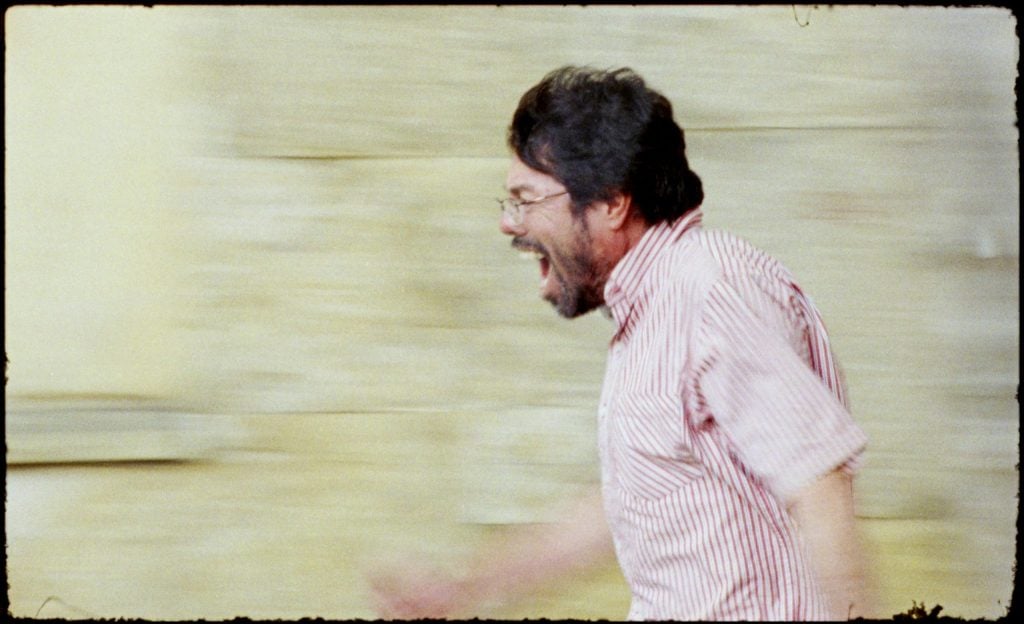
Life sucks, we know this. But if you live it as Oscar does, it can be especially bad. In the second feature film from Colombian filmmaker Simón Mesa Soto, we are taken into the life of Oscar Restrepo, a hopeless alcoholic, deadbeat father, and failed poet, down on his luck, unemployed and living with his aging mother and sister. Oscar is arrogant, angry, and tortured, but a part of him feels as if this is how he’s supposed to live. In his mind, true art is suffering. One can’t be a real poet if they aren’t in constant suffering. This philosophy has led him to an estranged relationship with his daughter and many drunken nights yelling at the sky.
Oscar also happens to be a big fan of poet Charles Bukowski, whose writing style, often categorized as “dirty realism,” was characterized by its raw language, bleak humor, and unflinching portrayal of the underbelly of society. Bukowski’s work explored themes of poverty, alcoholism, and the struggles of the working class. All of which seems to resonate with Oscar and his current situation. He goes to readings and spends more time talking idealistically and rather assuredly than he does actually reading his poems.
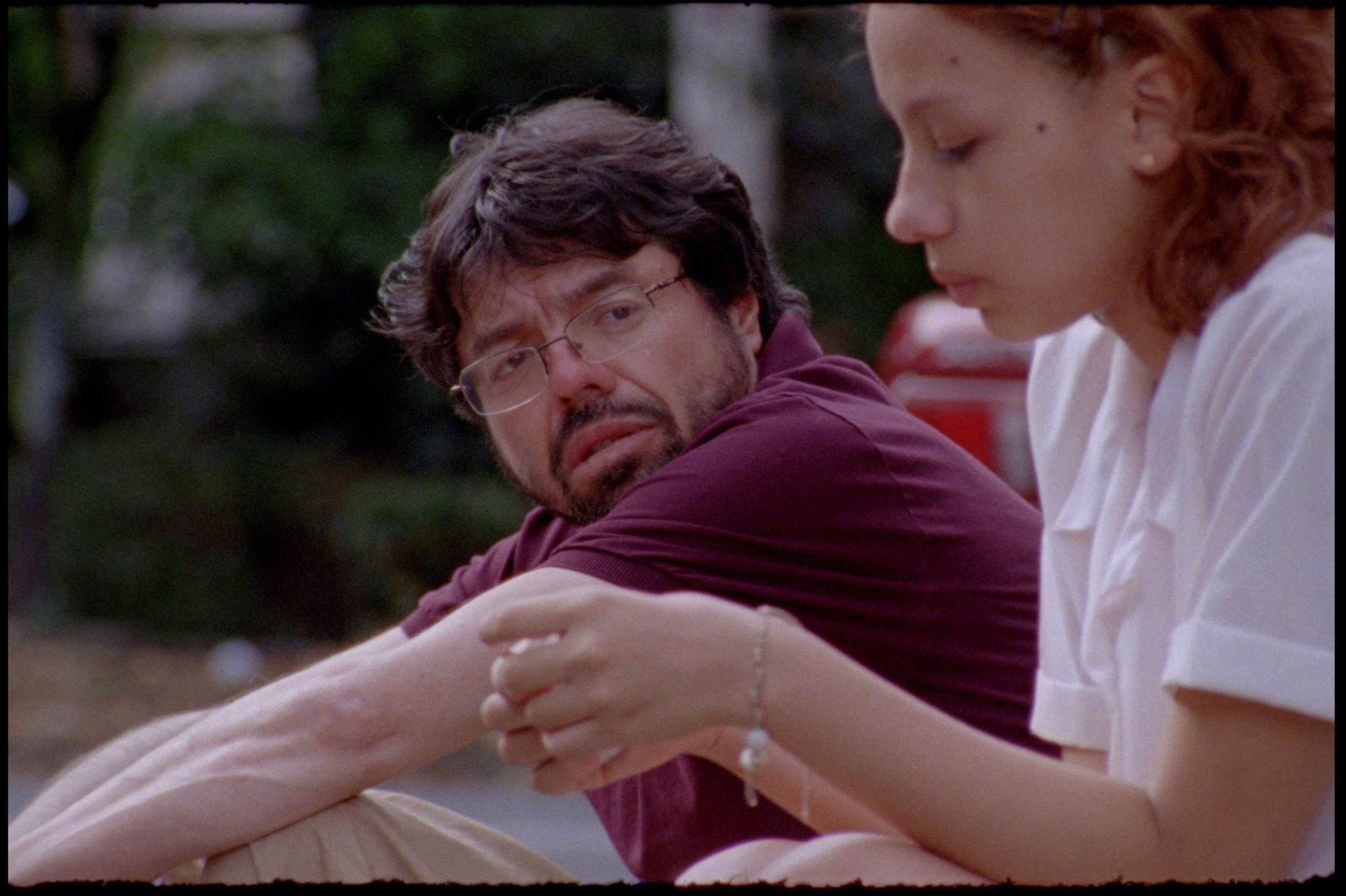
Soto is sure to give you plenty of time with Oscar to witness his self-destructive qualities. Played by newcomer Ubeimar Rios, he gives Oscar a presence that borders between sympathetic and lovable loser to arrogant manchild—both of which Rios balances extremely well for a debut performance. Oscar has convinced himself of his own genius, which has kept him from gaming employment or maintaining meaningful relationships. His fortunes change when he’s given a job to teach at a local high school, and he discovers a bright young poet named Yurlady.
What follows from here is a series of blunders so catastrophic that it will either make you cringe all over or run out of air from laughing so hard. Soto’s sensibility here creates a balance between tragedy, comedy, and drama that feels earned every step of the way. The balance is so impressive, it makes each moment stand out and land exactly the way it was intended. The shifting tone never feels out of place or disingenuous, even when the scenarios are so farcical that they would be jeered in just about any other context.
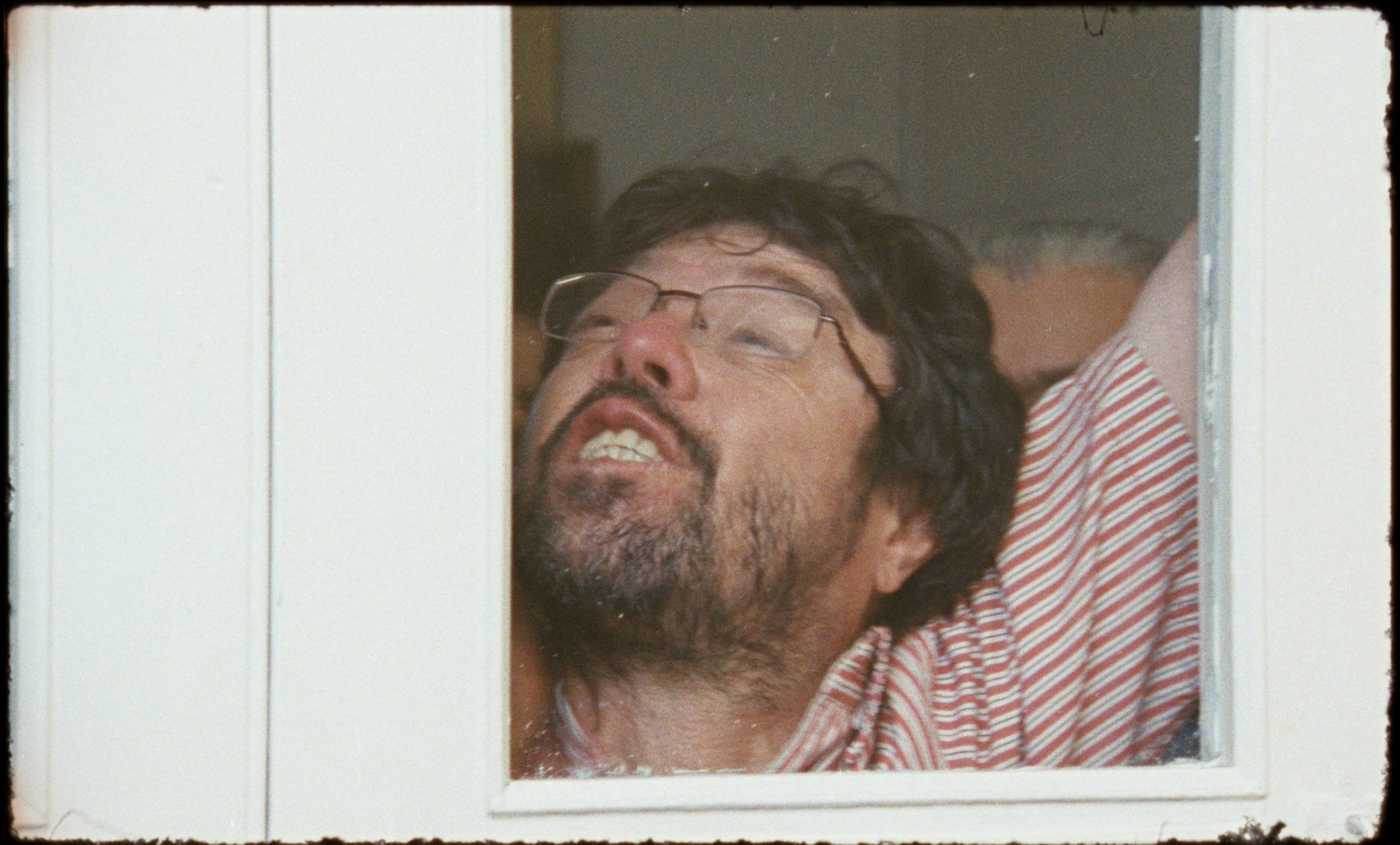
Shot in the city of Medellín and on 16mm cameras, the film captures the social construct of the classes while maintaining a gritty exterior that makes the film look older than it is, giving it a rougher, slightly outdated texture. The film also touches on that social class conflict through art. While Oscar sees art as suffering, Yurlady uses her poetry as observational, while not being overtly political. The discussion on art and audience comes up in the film, and whether one should make the deliberate choice to write for oneself or write for wider appeal. It’s simplified to a great deal in the film, but the message is clear: the world of art and commerce is, and possibly always will be, annexed at its core. It’s a choice to embrace it or not.
Yurlady (played beautifully by another newcomer, Rebeca Andrade) becomes a bit of a stand-in for the relationship between Oscar and his daughter. In this one way, he could fulfill a role in a young person’s life the way he couldn’t for his own child, because they don’t share the same interests, and she’s mostly embarrassed by him and his behavior. In the end, Oscar has to finally confront the mistakes he’s made, the ways in which he ran from his responsibilities to chase something he didn’t understand and could not capture. The film also doesn’t let Oscar off the hook. He does significant damage to himself and his reputation, and no one shows pity on him. He’s challenged, he’s beaten, he’s forced to change and to grow. The film ends on the hopeful note that he can and he will.
The film is a reminder that despite our mistakes we can learn from and grow to become a better person.
A Poet is now playing exclusively in theaters courtesy of 1-2 Special.
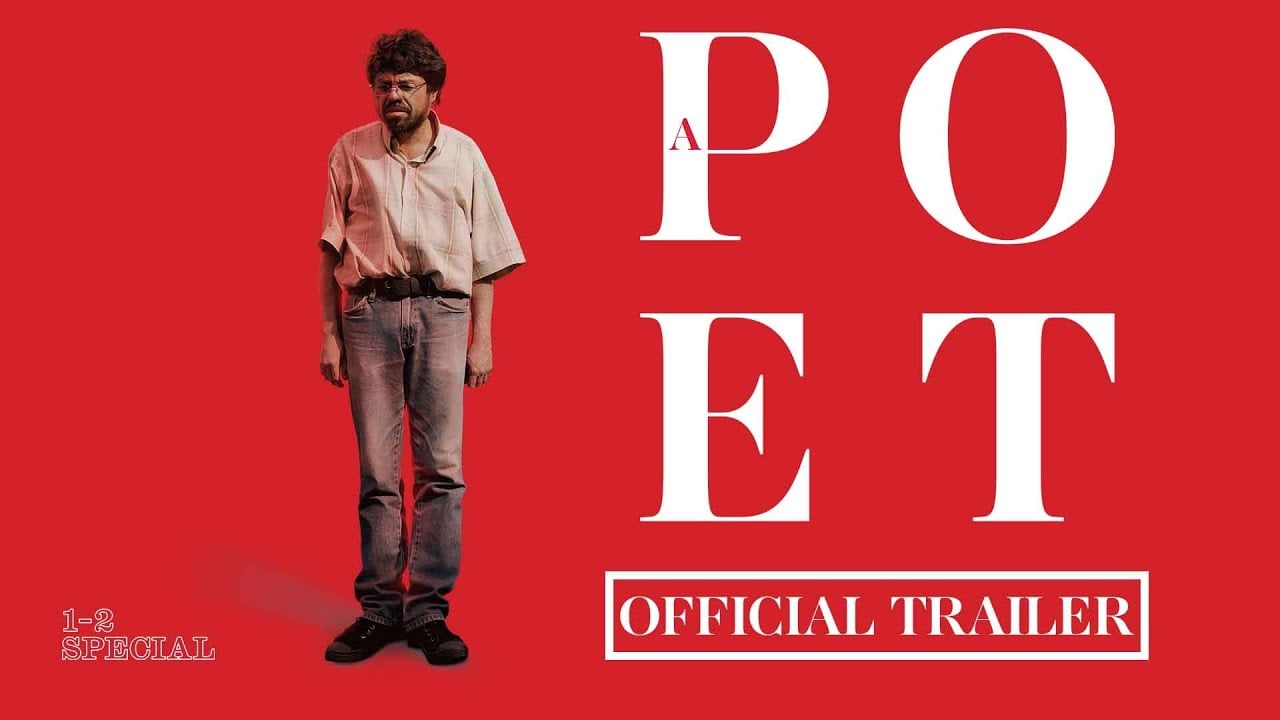
A Poet is a reminder that despite our mistakes we can learn from and grow to become a better person.

Phoenix is a father of two, the co-host and editor of the Curtain to Curtain Podcast, co-founder of the International Film Society Critics Association. He’s also a member of the Pandora International Critics, Independent Critics of America, Online Film and Television Association, and Film Independent. With the goal of eventually becoming a filmmaker himself. He’s also obsessed with musical theater.