

There’s something wonderfully entertaining about a good psychological thriller. A suspicious glance, a seemingly innocent conversation, or a character who knows just a little too much can suddenly take on a whole new meaning. And, of course, half the fun is convincing yourself you’ve figured everything out. That is, until the story suggests you’ve been looking in completely the wrong direction.
A Talent for Murder certainly knows how to play with those expectations. Directed by Anton Corbijn, the film brings together Helen Mirren (The Good Liar), Alden Ehrenreich (Oppenheimer), and Olivia Cooke (The Good Mother). The result is a stylish thriller that blends a tense psychological battle with the murderous world of Patricia Highsmith’s Tom Ripley.
A Psychological Thriller with a Touch of Ripley
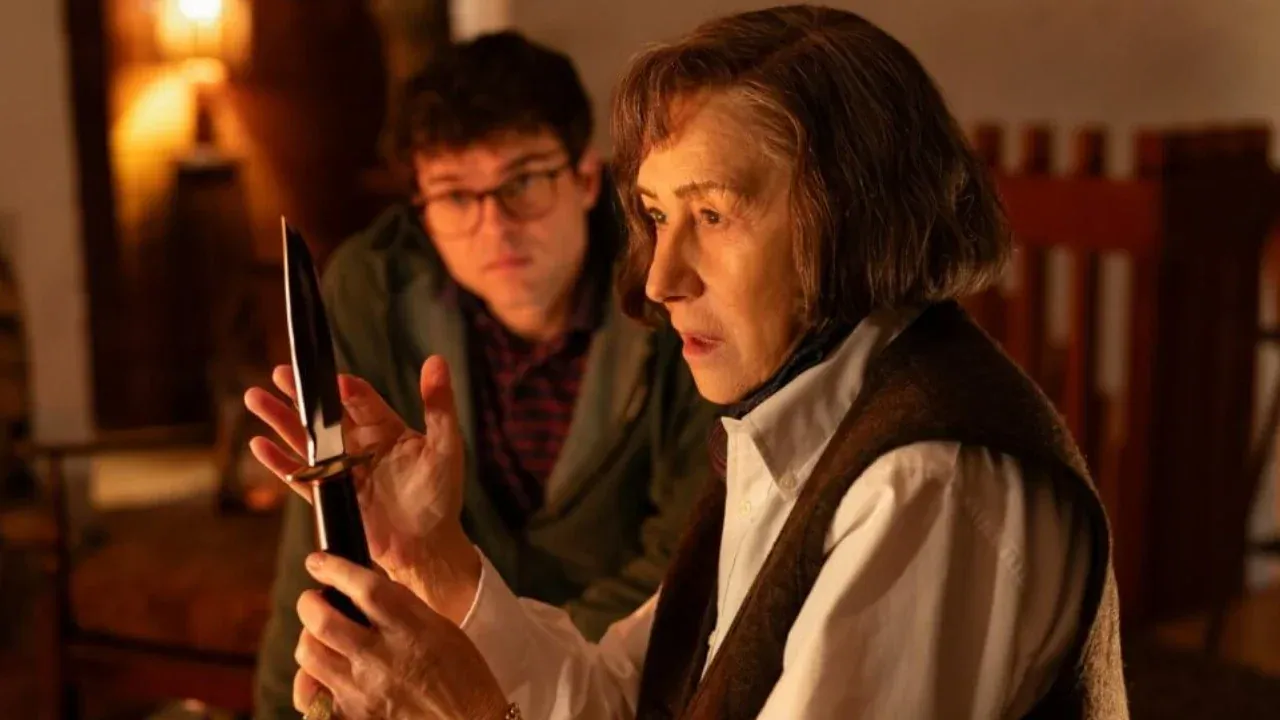
Set in 1995, the film follows Edward Ridgeway (Ehrenreich), a young literary agent sent to Switzerland. His mission? Convince the reclusive Patricia Highsmith (Mirren) to write one final Ripley novel. Unfortunately for Edward, the famously difficult author has little interest in returning to her most celebrated creation. That is, until she challenges him to help devise the perfect murder, giving him an unexpected opportunity to win her over.
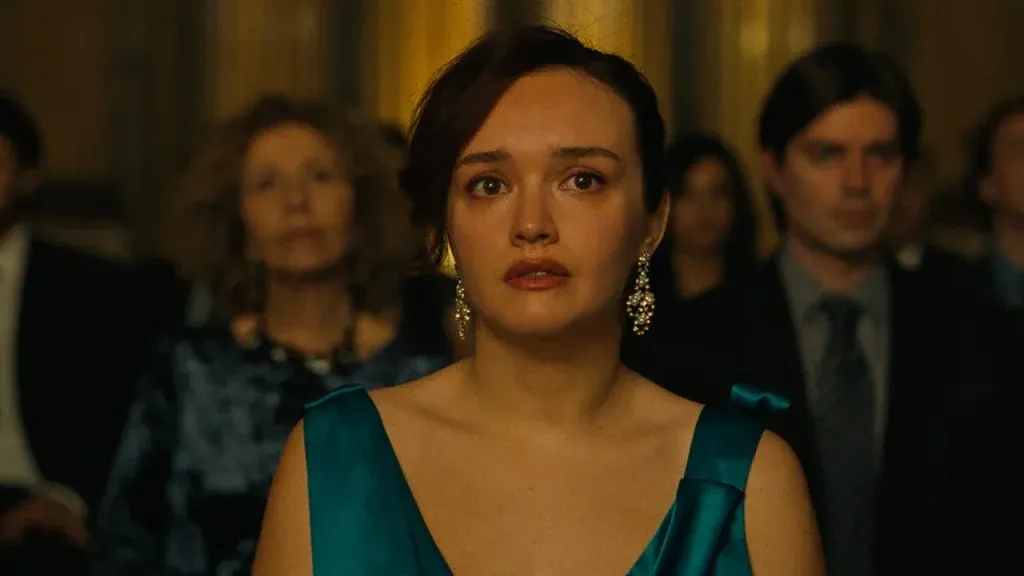
As Edward and Highsmith develop a new Ripley story, they draw inspiration from Clementine (Cooke), a glamorous young woman Edward met on the train. In their fictional world, Ripley sets his sights on her fortune. He uses a supposedly forgotten wallet as an excuse to approach her and conveniently turns up wherever she goes. As Clementine gradually falls for his charm, he carefully manipulates his way into her life. What begins as a seemingly innocent encounter soon develops into a psychological game of deception and murder. Before long, her family becomes caught up in his ruthless ambitions.
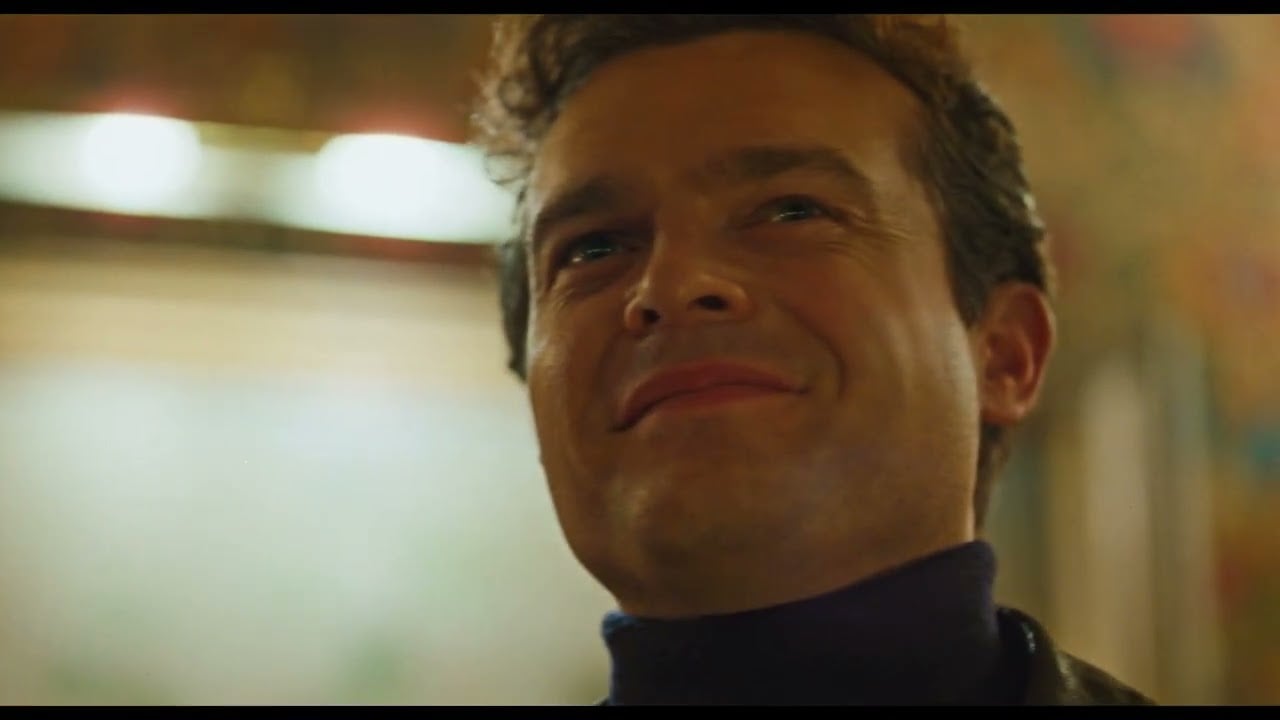
It’s exactly the kind of twisted storyline you’d expect from Highsmith. Watching her develop it alongside Edward offers the director a playful way to revisit Ripley’s world without simply adapting another novel. It also gives Ehrenreich a chance to show how convincing he can be as Ripley. He effortlessly balances charm with something more unsettling, making the character both fascinating and difficult to trust. Cooke, meanwhile, brings a welcome touch of glamour and playfulness, making her scenes with Ehrenreich particularly enjoyable.
A Battle of Wits Between Mirren and Ehrenreich
Back in reality, Ehrenreich shows a different side of his talent as Edward. He swaps Ripley’s quiet confidence for the growing frustration of a literary agent who’s clearly in over his head. And with Mirren’s wonderfully unpredictable Highsmith making his job increasingly difficult, it’s easy to see why.
The author seems rather caught up in her own murderous imagination, with guns mysteriously disappearing and strange concoctions sitting on the kitchen counter. Even eating eggs suddenly feels like a questionable decision. Mirren is an absolute pleasure to watch, bringing the sort of confidence that can turn an ordinary conversation into a battle of wits. Her chemistry with Ehrenreich is particularly compelling. Edward’s desperate attempts to secure the contract lead to some wonderfully sharp exchanges.
Both storylines are compelling enough to sustain their own film, which makes the constant switching between them all the more frustrating. Just as Ripley’s increasingly dangerous schemes start getting interesting, we’re pulled back into Edward’s uncomfortable stay with Highsmith. And when their psychological power struggle picks up momentum, we’re whisked back into Ripley’s murderous world. The back-and-forth interrupts both stories, leaving neither enough room to reach its full potential.
Beautifully Moody, but Occasionally Too Patient
Despite these interruptions, the individual scenes benefit from a wonderfully deliberate pace that’s very much in keeping with Corbijn’s filmmaking style. From Control to The American and A Most Wanted Man, he’s always favored carefully composed images and restrained performances. His films also have a sense of unease that gradually works its way under your skin.
And A Talent for Murder is no exception. The film’s moody atmosphere feels perfectly suited to a story filled with secrets, deception, and murderous intentions. Rather than relying on flashy editing, Corbijn lets the characters and their surroundings set the mood. There’s something almost hypnotic about the visuals, with every shadow and lingering glance adding to the tension. It’s the kind of atmosphere that makes you want to look closer, just in case something important is hiding in plain sight.
That attention to detail works particularly well during Edward’s encounters with Highsmith. An innocent conversation can grow increasingly uncomfortable through prolonged silence or a subtle change in expression. Mirren barely needs to do anything to make you wonder whether Highsmith is simply enjoying herself or considering something far more sinister. Corbijn gives these moments room to breathe, letting tension build without a dramatic confrontation.

When Patience Becomes a Problem
The fictional Ripley sequences benefit from a similar approach. Their glamorous surroundings provide an intriguing contrast to the darker intentions beneath Ripley’s charm. Even when he’s behaving like the perfect gentleman, there’s an underlying threat in the way he watches and manipulates those around him. Corbijn lets the performances and visuals do much of the work, making Ripley’s calculated behavior even more unsettling.
Of course, there’s a fine line between letting a psychological thriller unfold at its own pace and allowing it to lose momentum. While Corbijn’s deliberate approach works beautifully in individual scenes, the film occasionally becomes too patient. Some moments linger longer than necessary. Combined with the frequent switching between Edward’s negotiations and Ripley’s murderous ambitions, this makes the runtime feel longer than it needs to be.
A Mystery Worth Getting Lost In?
For all its shortcomings, A Talent for Murder remains an entertaining psychological thriller with plenty of personality. There’s something particularly enjoyable about watching Highsmith and Edward’s increasingly tense relationship unfold alongside Ripley’s murderous adventures. Both offer their own kind of intrigue. The film is at its best when it allows their darker, more playful elements to shine.
And perhaps that’s where the biggest frustration lies. It’s not often that a film feels both a little too long and somehow not quite long enough. There’s so much to explore in these characters and their stories that the missed opportunities become difficult to ignore.
Still, with its wonderfully unpredictable performances, dark humor, and stylish atmosphere, A Talent for Murder offers plenty to enjoy. It may not fully deliver on its promising premise, but it’s the kind of thriller that leaves you thinking about what could have been rather than regretting the time spent watching it.
A Talent for Murder opens in UK theaters on November 20, courtesy of Universal Pictures.

Freelancer by day. Film journalist by night.