

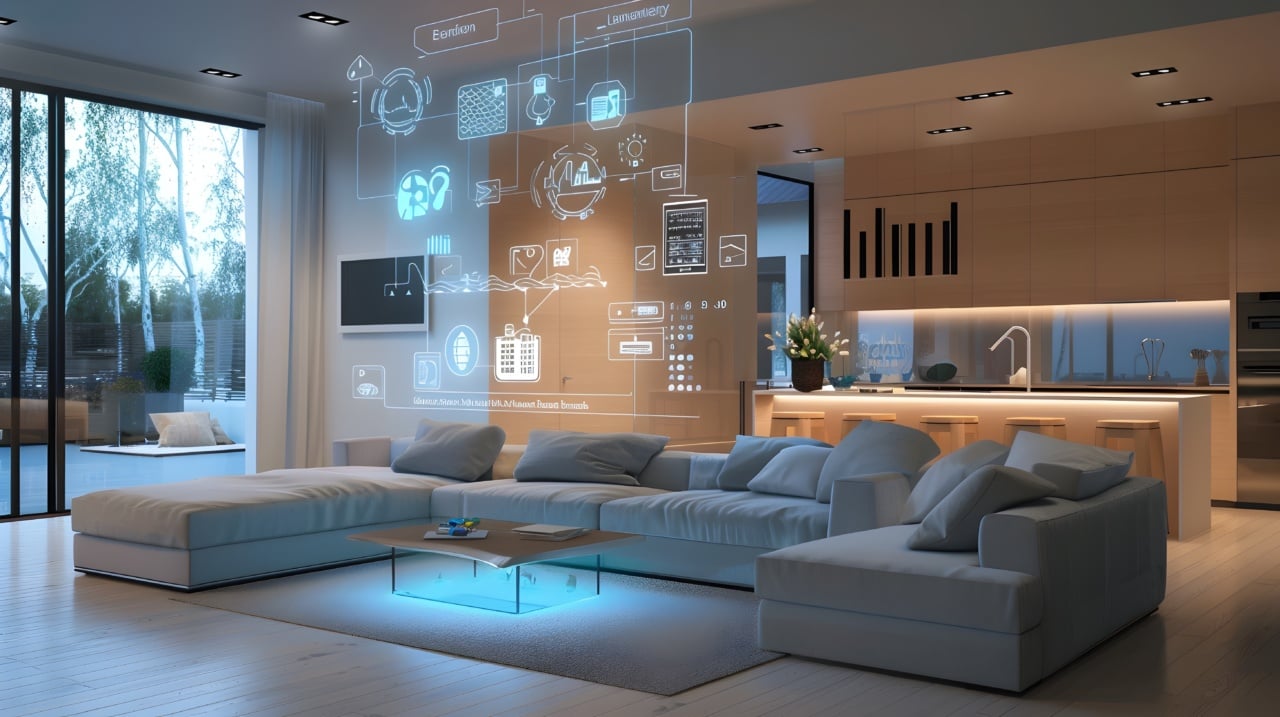
Energy bills keep climbing, and households are under growing pressure to reduce their environmental footprint. The good news is that artificial intelligence is making sustainable living far more practical than it was even a few years ago. In 2026, AI is no longer a futuristic add-on. It is quietly running in thermostats, solar systems, batteries, and appliances, helping ordinary homes use less energy and waste less money.
Why AI Matters for Home Energy
Most homes waste energy without anyone noticing. Heating or cooling empty rooms, running appliances at peak-rate hours, and leaving devices on standby all add up. AI addresses this by learning patterns and making small adjustments automatically, thousands of times a day, without requiring you to think about it.
Unlike a basic timer, AI-driven systems respond to real conditions. They consider weather forecasts, electricity prices, your daily routine, and even how well your home holds heat. The result is lower consumption with no loss of comfort.
Smart Thermostats and Climate Control
Heating and cooling make up the largest share of most household energy use, so this is where AI delivers the biggest gains. Modern smart thermostats learn when you wake up, leave, and return. They pre-cool or pre-heat your home just in time, and they ease off when no one is home.
Newer systems also use room-level sensors and local weather data to adjust zones independently. If the afternoon sun is heating your living room, the system can reduce cooling elsewhere and avoid overworking your air conditioner. Many households report meaningful reductions in heating and cooling costs after switching.
Solar Power Gets Smarter
Rooftop solar has become mainstream, and AI is making it more efficient. Smart inverters and energy management platforms forecast solar production based on weather and shade patterns, then match your household usage to the sunniest hours. Running the dishwasher, washing machine, or pool pump at midday, when your panels are producing the most, means you use more of your own free power and export less at low feed-in rates.
Choosing the right system matters just as much as the technology. Working with experienced solar installers Sutherland Shire residents trust helps ensure panels are sized correctly for your roof, your usage, and local conditions. A well-designed system paired with intelligent software will consistently outperform a poorly planned one, no matter how advanced the app is.
Home Batteries and Intelligent Storage
Batteries are the natural partner to solar, and AI is what makes them worthwhile. Smart battery systems learn your consumption habits and decide when to charge, store, or discharge. They can fill up on cheap solar energy during the day, then power your home through the expensive evening peak.
Some systems also anticipate storms or grid outages and hold extra charge in reserve. Others participate in virtual power plants, where thousands of home batteries are coordinated to support the grid during high demand. In return, households can earn credits or reduced bills while helping stabilise the wider network.
Smart Appliances and Load Shifting
Appliances are becoming energy-aware. AI-enabled washing machines, dryers, dishwashers, and hot water systems can delay their cycles to off-peak periods or times of high solar generation. Electric vehicle chargers do the same, topping up your car when electricity is cheapest or greenest.
This practice, called load shifting, lowers your bill and also reduces strain on the grid at peak times. When enough households do it, it means fewer fossil fuel peaker plants need to run, which has a real impact on emissions.
Tracking and Understanding Your Usage
You cannot improve what you cannot see. AI-powered energy monitors break down your electricity use appliance by appliance, flagging unusual spikes, faulty equipment, or forgotten devices. An old fridge quietly drawing too much power or a hot water system running unnecessarily becomes easy to spot.
Many platforms also offer plain-language suggestions, such as “shift your laundry to 11 a.m. and save this much per month.” This turns complicated data into practical action.
Building a Smarter Home: Where to Start
You do not need to overhaul everything at once. A sensible path looks like this:
- Start with visibility. Install a smart meter or energy monitor to understand where your power goes.
- Upgrade your thermostat. It is one of the cheapest changes with a fast payback.
- Add solar. Get quotes from reputable local installers and compare system size, warranty, and inverter quality.
- Consider a battery. It makes the most sense once solar is in place and evening usage is high.
- Automate your big loads. Link hot water, pool pumps, and EV chargers to your solar production.
Things to Keep in Mind
AI is powerful, but it is not magic. Smart devices need reliable internet, and it is worth checking how a product handles your data and privacy. Compatibility also matters, so choose systems that work together rather than building a patchwork of incompatible apps. Finally, remember that the cheapest energy is the energy you never use. Insulation, draught sealing, and efficient appliances still form the foundation of a sustainable home.
The Road Ahead
Looking beyond 2026, homes will increasingly act as small, intelligent power stations, generating, storing, and trading energy with neighbours and the grid. AI will coordinate it all in the background, balancing cost, comfort, and carbon automatically.
For households, the takeaway is encouraging. Sustainable living no longer demands sacrifice or constant effort. With the right mix of solar, storage, and smart software, you can cut bills, reduce emissions, and enjoy a more comfortable home. The best time to start is now, one smart upgrade at a time.

Amanda Dudley is a lecturer and writer with a Ph.D. in History from Stanford University. After earning her doctorate in 2001, she decided to pursue a fulfilling career in the educational sector. So far, she has made giant strides by working as an essay writer for EssayUSA, where she delivers high-quality academic papers to students who need them.