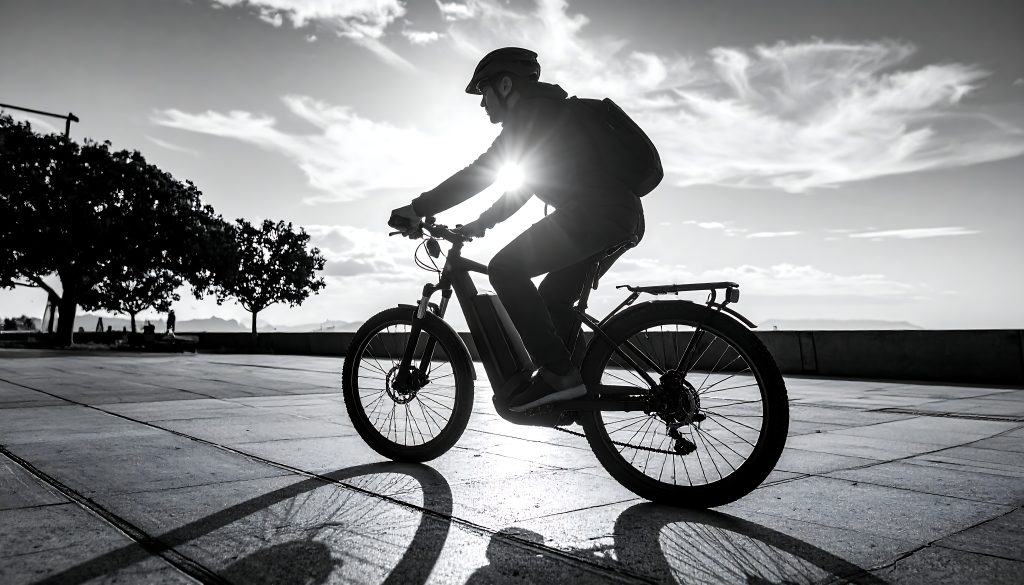
As electric bikes become more common in cities, riders are starting to pay closer attention to one particular factor: weight. While early e-bikes often prioritized power and battery size, newer models are increasingly focusing on lighter designs. This shift has led many commuters to ask an important question: are lightweight e-bikes actually better for city commuting?
The answer depends on how and where the bike will be used. In many urban environments, lighter e-bikes offer several advantages, especially for riders navigating crowded streets, storing bikes in apartments, or carrying them occasionally. At the same time, heavier e-bikes may provide benefits such as greater range or stronger motor power.
Understanding the trade-offs between lightweight and heavier e-bikes can help riders choose the best option for everyday city travel.
What Counts as a Lightweight E-Bike?
To understand the discussion, it helps to define what “lightweight” means in the context of electric bikes.
Most e-bikes weigh more than traditional bicycles because they include a motor, battery, and additional electronics. The average electric bike typically weighs around 20–25 kilograms (44–55 pounds) depending on the design and components.
Lightweight e-bikes generally fall below this range, often weighing between 35 and 45 pounds. These bikes typically use smaller batteries, lighter frames, or compact motor systems to reduce overall weight.
While this difference might seem small on paper, it can significantly affect how the bike feels during everyday use.
Why Weight Matters in City Riding
City commuting presents a unique set of challenges for riders. Unlike long-distance touring or off-road cycling, urban travel often involves frequent stops, tight turns, and interactions with traffic.
In these conditions, a lighter bike can offer several advantages.
First, lighter bikes tend to feel more agile and responsive. Riders can accelerate quickly from traffic lights and maneuver more easily through crowded streets or bike lanes.
Second, a lighter bike is often easier to control at low speeds. This can be particularly helpful when navigating intersections, slowing down near pedestrians, or riding through busy urban environments.
For commuters who ride daily, these small improvements in handling can make the riding experience noticeably smoother.
Easier Handling Off the Bike
Weight becomes even more noticeable when riders are not actually riding the bike.
Urban commuters frequently need to move their bikes in ways that don’t involve pedaling. For example, riders may need to:
- Carry the bike up stairs
- Lift it onto a rack
- Walk it through narrow hallways
- Store it in small apartments or offices
In these situations, every pound matters. A lighter e-bike can be significantly easier to manage in everyday life, especially for riders living in buildings without elevators or secure bike storage.
For city dwellers, the practicality of handling the bike off the road can be just as important as its performance while riding.
The Trade-Off Between Weight and Range
While lightweight e-bikes offer advantages, they often come with trade-offs. One of the most common compromises involves battery size and range.
Larger batteries store more energy and allow riders to travel longer distances on a single charge. However, these batteries are also heavier. Modern e-bike batteries can weigh anywhere from about 1.4 to 5 kilograms depending on capacity.
To keep weight down, many lightweight e-bikes use smaller batteries. This usually results in shorter maximum range compared with heavier commuter models.
For riders with short daily commutes, this may not be a problem. A bike with a range of 30 to 40 miles may still cover several days of urban travel before needing to recharge.
However, riders planning longer trips may prefer the extended range offered by larger batteries.
Motor Power and Performance
Motor systems also influence the overall weight of an e-bike. More powerful motors typically add weight, while smaller motors are lighter but may provide less assistance.
For city commuting, extremely powerful motors are often unnecessary. Most urban riding involves moderate speeds and relatively short distances.
As a result, lightweight e-bikes often focus on efficient motor assistance rather than maximum power. This design approach helps keep the bike light while still providing enough support for everyday riding.
For riders traveling on mostly flat city streets, the difference in motor power may be barely noticeable.
Comfort and Stability Considerations
Heavier e-bikes sometimes offer advantages in terms of stability and comfort. Larger frames, wider tires, and bigger batteries can create a more planted feel on the road.
This added stability may be beneficial for riders carrying cargo or traveling longer distances.
However, lightweight bikes can still provide comfortable rides when designed well. Many commuter-oriented lightweight e-bikes use slightly wider tires and upright riding positions to maintain stability without adding unnecessary weight.
Ultimately, comfort depends more on overall design than weight alone.
Urban Infrastructure and Lightweight Bikes
As cities continue to invest in cycling infrastructure, lightweight e-bikes are becoming increasingly practical. Dedicated bike lanes, improved street designs, and cycling-friendly policies make urban riding more accessible than ever.
These changes encourage more people to consider e-bikes for daily commuting.
Lightweight models, in particular, appeal to riders who want the benefits of electric assistance without the bulk of heavier bikes. In dense urban environments where space and convenience matter, lighter bikes can fit naturally into everyday routines.
Everyday Usability for City Riders
One reason lightweight e-bikes are gaining popularity is their emphasis on everyday usability. Instead of maximizing performance specifications, many designs focus on creating a bike that feels natural to ride and easy to manage.
This approach often includes:
- Balanced frame geometry for urban riding
- Moderate battery capacity for daily trips
- Efficient motor systems that feel smooth and predictable
- Practical features for commuting
Brands working in the commuter e-bike segment, including Puckipuppy, reflect this shift by designing bikes intended to combine electric assistance with manageable weight and city-friendly handling.
For many urban riders, this balance makes lightweight e-bikes particularly appealing.
When a Heavier E-Bike Might Be Better
Despite the advantages of lightweight models, heavier e-bikes can still be the better choice in certain situations.
Riders who regularly travel long distances, carry heavy cargo, or ride on steep terrain may benefit from larger batteries and stronger motors. These features often add weight but provide improved performance in demanding conditions.
Similarly, riders looking for off-road capability or extended touring range may prefer heavier e-bikes built for those specific purposes.
The best choice ultimately depends on how the bike will be used.
Conclusion
So, are lightweight e-bikes better for city commuting? In many cases, the answer is yes—particularly for riders navigating busy streets, storing bikes in apartments, or carrying their bikes occasionally.
Lighter e-bikes offer improved agility, easier handling, and greater convenience for everyday urban travel. At the same time, heavier e-bikes may provide advantages such as longer range or greater motor power.
For most commuters, the ideal choice lies somewhere in the middle: a bike that offers electric assistance while remaining manageable for daily life in the city.
As e-bike technology continues to evolve, the balance between weight, performance, and practicality will remain a key factor shaping the future of urban commuting.

Caroline is doing her graduation in IT from the University of South California but keens to work as a freelance blogger. She loves to write on the latest information about IoT, technology, and business. She has innovative ideas and shares her experience with her readers.