Queer people, myself included, crave visibility. This does not necessarily come from a place of narcissism. Instead, that desire comes from knowing that we are alive, knowing that we matter, and knowing that the generations both in front of and behind us also take their place. Our histories, in many cases, are in danger of being erased. And given where we are culturally in the United States (and the world), this is not simply a fleeting fear borne out of the sense memory of our past traumas. No, there is still a world that wants to erase us, to push us back into the closet, and even worse, to make society so unwelcoming that we are not thought of again. But that cannot stand because our births are different from others. I do not mean this in a literal sense, but a metaphorical one. And Barbara Hammer represents this birth, life, and death through the documentary, Barbara Forever.
“I was born when I became a lesbian.”
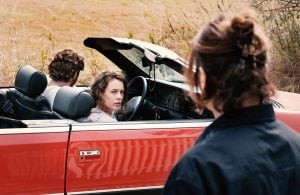
These eight words from Barbara Hammer slam home early in the documentary (directed by Brydie O’Connor), forcing the audience to never separate from her identity. Through the majority of the film, we only hear from Hammer, as her films and self-interviews dominate the runtime. There is actually very little information presented before her coming-out moment. Yes, she details the ending of her relationship with a man, but it only serves to present how she operates in relationships. For instance, she traveled with her male partner on scooters and ended up doing the same on motorcycles with one of her first female partners.
The film manages to instill sexual energy into the visuals (also provided by Hammer) from the outset. As she speaks about the Second Wave of feminism and details her exploration and desires, they are physically and emotionally felt. The work that O’Connor managed would have had to be painstaking, simply given the sheer amount of films and recordings at her fingertips. She is able to do the impossible: introduce us to Barbara, not only through her work, but through her relationships.
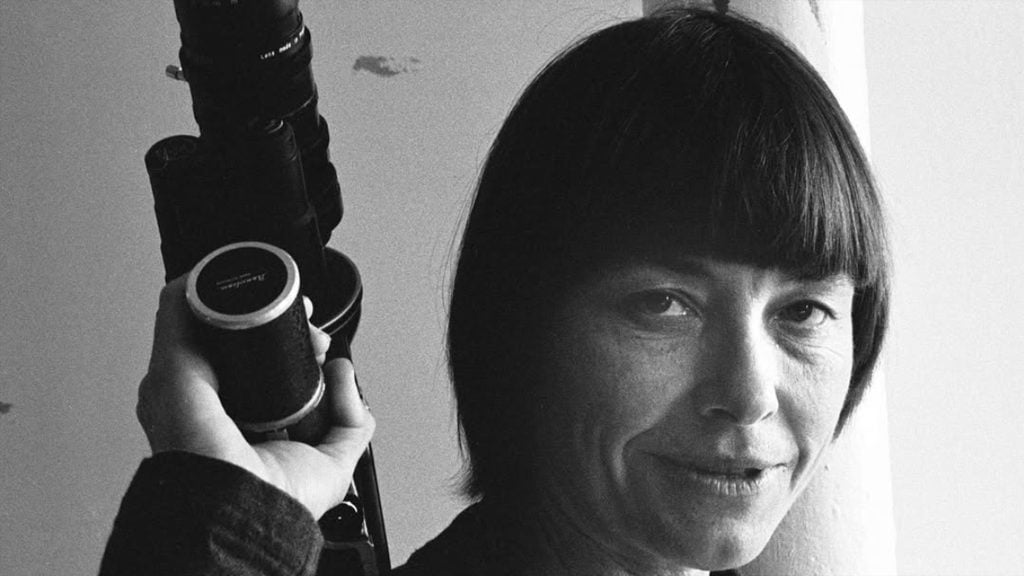
For the uninitiated (like me), Barbara Hammer was an experimental filmmaker who made over 80 films from the 1970s to the 2000s. Her films are not accessible to major audiences, and were never designed to be. Her work pushes boundaries, to the point where she was put on a list by the National Endowment for the Arts (NEA) for her sexually explicit material. Given the time in which she was working, her works of cinema are not only striking and experimental, but also a direct shot to the patriarchal, often misogynistic world of art, cinema, and culture. She spent much of her career not only creating, but fighting for the right to that creation. It is impossible not to be moved by her words and her images.
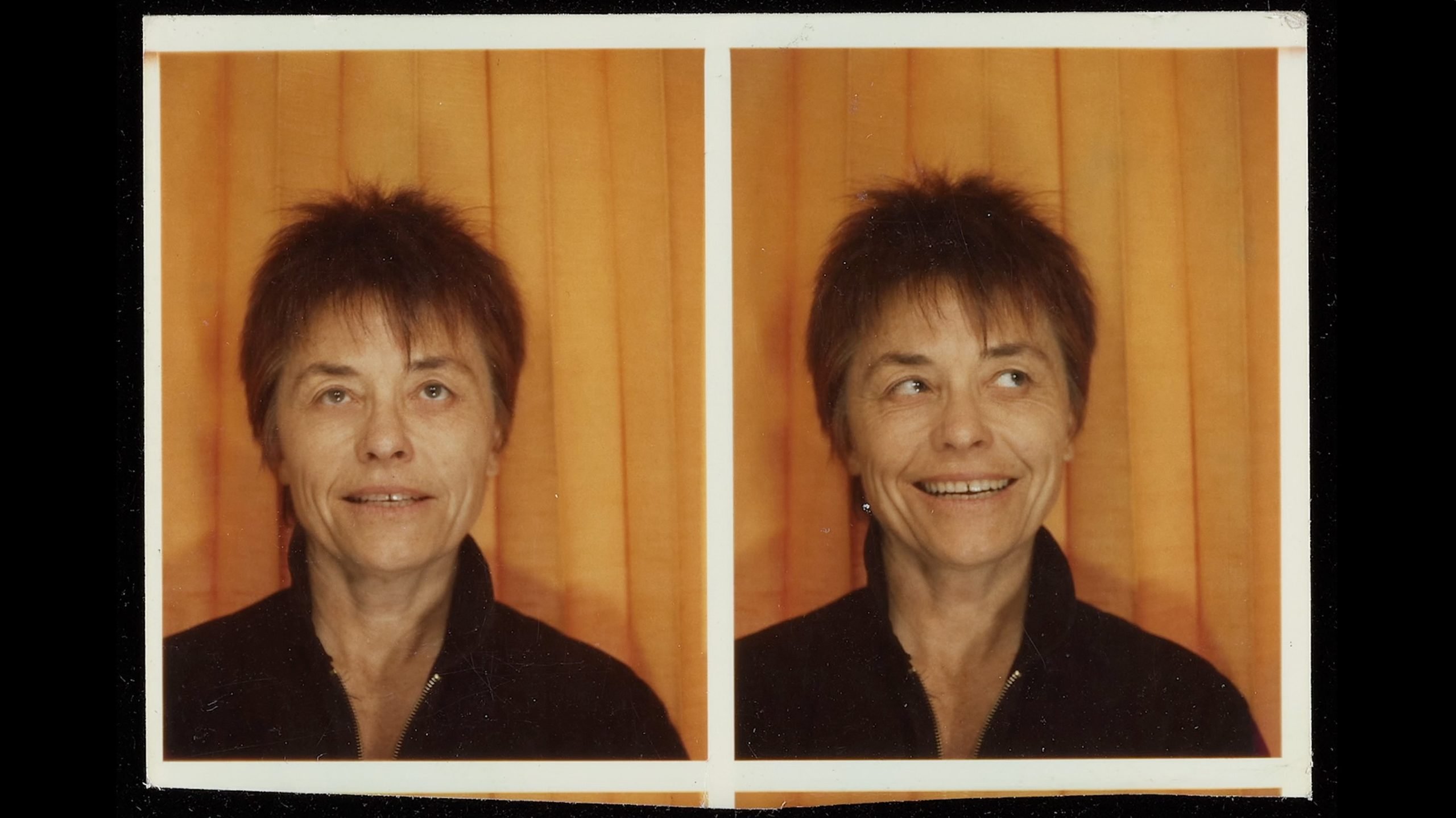
Especially early in her career, based in San Francisco, her films mirrored her life. Experimental, sexual, and intimate. Hammer showed zero shame in not only her sexuality, but the way she engaged in them. Watching this intimacy up close, via video, is almost uncomfortable in its unflinching manner. Barbara Forever is a necessary documentary even now, in the way it shows lesbian relationships with zero concern for the male eye or entertainment. And yet, the film is not only about her loving relationships, but also film as a business, and our bodies as they age and become ill.
The film itself opens with two clips of Barbara’s naked body. Her immediate power is evident. This is not a body that is necessarily framed purely for the beauty of the form. It is a body in use, a body that has carried her through her radical life. The body matters. This becomes even more impactful as the film reaches its ending. Detailing her diagnosis of ovarian cancer, or as she calls it, “the silent killer,” the irony is palpable. Given her beautiful unwillingness to be silent as an artist, she was equally unwilling to be silent about the passing of life and her impending death.
Barbara Hammer was fond of saying that the point of cinema is to bring the inside to the outside. Our emotions, our thoughts, our process must be shared. Living, creating, and yes, even dying, are all a part of us. As she shows some of her less sexual work to young children, it becomes crystal clear that all of us crave art, whether we understand it or not. It can be weird, radical, even uncomfortable, but to assume to be the arbiters of taste takes our own individual power away. During this documentary, she seems completely uninterested in defending her work for everyone’s comfort. She would rather push boundaries, experiment, and love radically on film.
Simply, the art is what matters.
In her own words, “If we’re experimenting with our lives and the way we’re going to live, our film and our art should also be experimental. It breaks tradition and makes you think in a broader way. It’s the way I experience the world.”
Barbara Forever had its World Premiere in the U.S. Documentary Competition section of the 2026 Sundance Film Festival.
Director: Byrdie O’Connor
Rated: NR
Runtime: 102m
Barbara Forever is a necessary documentary even now, in the way it shows lesbian relationships with zero concern for the male eye or entertainment. And yet, the film is not only about her loving relationships, but also film as a business, and our bodies as they age and become ill.

Dave is a lifelong film fan who really got his start in the independent film heyday of the 90’s. Since then, he has tried to branch out into arthouse, international, and avant garde film. Despite that, he still enjoys a good romcom or action movie. His goal is to always expand his horizons, through writing and watching new movies.
![‘The Boys’ Season 5 Premiere Doesn’t Pull Any Punches [SPOILER WARNING]](https://cdn.geekvibesnation.com/wp-media-folder-geek-vibes-nation/wp-content/uploads/2026/04/THBY_S5_UR_501_00331_R2_3000-450x300.jpg "‘The Boys’ Season 5 Premiere Doesn’t Pull Any Punches [SPOILER WARNING]")