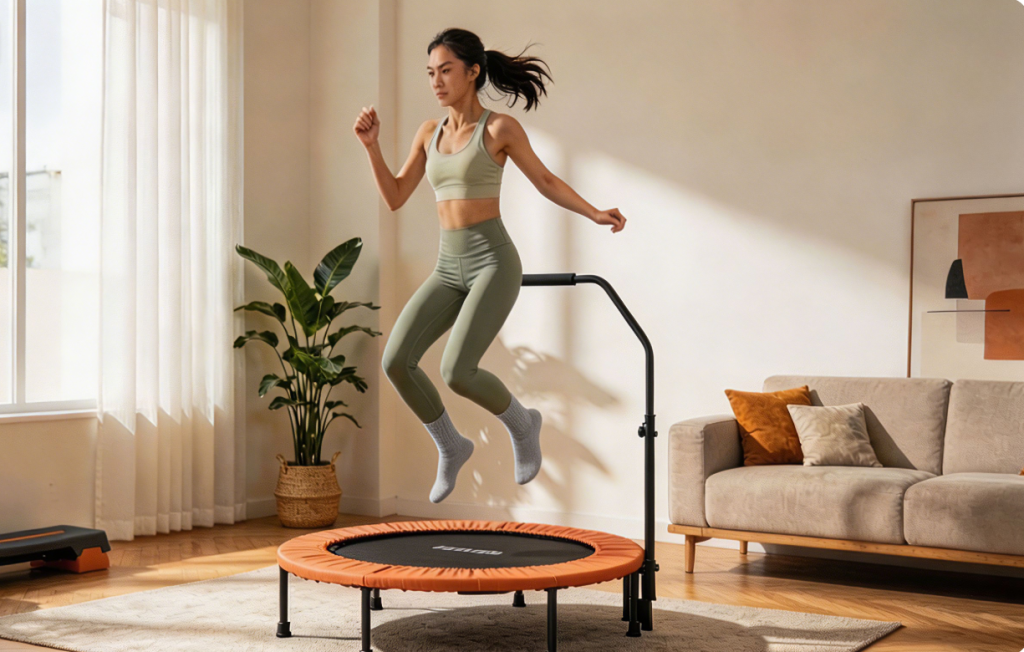
Rebounding has become a popular fitness option for people who want a simple yet effective way to stay active. It involves controlled bouncing movements performed on a small trampoline, offering a combination of cardiovascular activity, balance training, and gentle body conditioning. Unlike many traditional workouts, rebounding is low-impact, making it suitable for beginners, older adults, and even those returning to exercise after a long break.
One of the biggest reasons people are drawn to rebounding is its ability to combine enjoyment with physical benefits. Instead of feeling like a strict workout, it introduces movement in a way that feels natural and engaging. At the same time, it supports multiple aspects of health, from circulation to coordination, without placing excessive strain on the body.
A Gentle Way to Support Heart Health
Rebounding provides a form of cardiovascular exercise that gradually increases heart rate without overwhelming the body. The rhythmic up-and-down motion encourages blood circulation, allowing oxygen and nutrients to reach different parts of the body more efficiently.
Unlike high-impact cardio activities, rebounding reduces stress on the joints while still stimulating the heart. This makes it easier for individuals to stay consistent with their workouts. Regular sessions on a rebounder trampoline can contribute to improved cardiovascular endurance over time, especially when performed at a steady and controlled pace.
Low-Impact Movement That Protects Your Joints
One of the standout benefits of rebounding is its joint-friendly nature. Activities like running or jumping on hard surfaces can place repeated stress on the knees, ankles, and hips. Rebounding, on the other hand, uses a cushioned surface that absorbs much of this impact.
This makes it an excellent choice for people who experience joint discomfort or want to avoid long-term strain. The controlled bounce allows the body to stay active while reducing the risk of injury. For individuals looking for a safer alternative to high-impact workouts, rebounding offers a balanced solution that supports both movement and protection.
A Natural Boost to Energy Levels
Physical activity is closely linked to energy production in the body, and rebounding is no exception. The movement helps improve oxygen flow and stimulates circulation, which can leave you feeling more alert and refreshed after a session.
Unlike intense workouts that may leave you exhausted, rebounding often has the opposite effect. It provides a steady level of activity that energizes rather than drains you. Over time, consistent participation can help reduce feelings of fatigue and improve overall daily energy levels.
Supporting Weight Management Through Consistency
Rebounding can play a useful role in managing body weight, particularly because it encourages regular movement. The activity burns calories while being enjoyable enough to maintain over time, which is a key factor in any fitness routine.
Rather than relying on intense or exhausting workouts, rebounding allows individuals to stay active in a sustainable way. Consistency is often more important than intensity when it comes to long-term results, and this type of exercise makes it easier to build a habit of regular physical activity.
Enhancing Balance and Body Coordination
Maintaining balance during rebounding requires constant small adjustments by the body. These adjustments engage stabilizing muscles and improve coordination over time. As a result, the body becomes more efficient in controlling movement and maintaining stability.
Improved balance is not only beneficial for fitness but also for everyday life. It can reduce the risk of falls and enhance overall movement quality. This makes rebounding particularly valuable for individuals looking to improve both physical performance and functional mobility.
A Positive Impact on Mental Well-Being
Exercise is well known for its effect on mental health, and rebounding adds an element of enjoyment that enhances this benefit. The repetitive bouncing motion can have a calming effect, while the physical activity encourages the release of endorphins, which are linked to improved mood.
In addition to reducing stress, rebounding can provide a mental break from daily routines. The simplicity of the movement allows individuals to focus on the activity itself, helping to clear the mind and improve overall emotional well-being.
Why Rebounding Is Easy to Maintain as a Routine
One of the main challenges in fitness is maintaining consistency. Many workouts require significant time, space, or effort, which can make them difficult to sustain. Rebounding, however, is relatively simple to incorporate into daily life.
It does not require complex techniques or long sessions to be effective. Short, regular workouts can still provide noticeable benefits. Equipment like a rebounder trampoline or options such as the BCAN soft land pro rebounder can make it easier to perform these exercises at home, removing many of the barriers that prevent people from staying active.
Conclusion
Rebounding offers a balanced approach to fitness by combining low-impact movement with a wide range of health benefits. From improving cardiovascular function and supporting joint health to boosting energy and enhancing coordination, it addresses multiple aspects of physical well-being.
Perhaps its greatest advantage is its sustainability. Because it is gentle, adaptable, and enjoyable, rebounding makes it easier for individuals to stay consistent with their fitness routine. Over time, this consistency can lead to meaningful improvements in both physical and mental health.
FAQs
Is rebounding suitable for beginners?
Yes, rebounding is beginner-friendly because it involves low-impact movements that are easy to learn. Individuals can start with gentle bouncing and gradually increase intensity as they become more comfortable.
How often should I do rebounding exercises?
For general health benefits, rebounding can be done several times a week. Even short sessions of 10–20 minutes can be effective when performed consistently.
Can rebounding replace other forms of exercise?
Rebounding can be a valuable part of a fitness routine, but it works best when combined with other forms of exercise such as strength training and flexibility work for overall balance.