Tattooing is one of the oldest forms of human expression, yet in the digital age, it faces a paradox of choice. While we have access to millions of fonts online, the “soul” of custom ink—the feeling that a design belongs solely to the person wearing it—is often lost in a sea of generic, overused typefaces. For tattoo enthusiasts and professional artists alike, the frustration is real: you spend hours looking for the perfect script, only to realize that every other person in the shop is using the same static “Gothic” font downloaded from a free site.
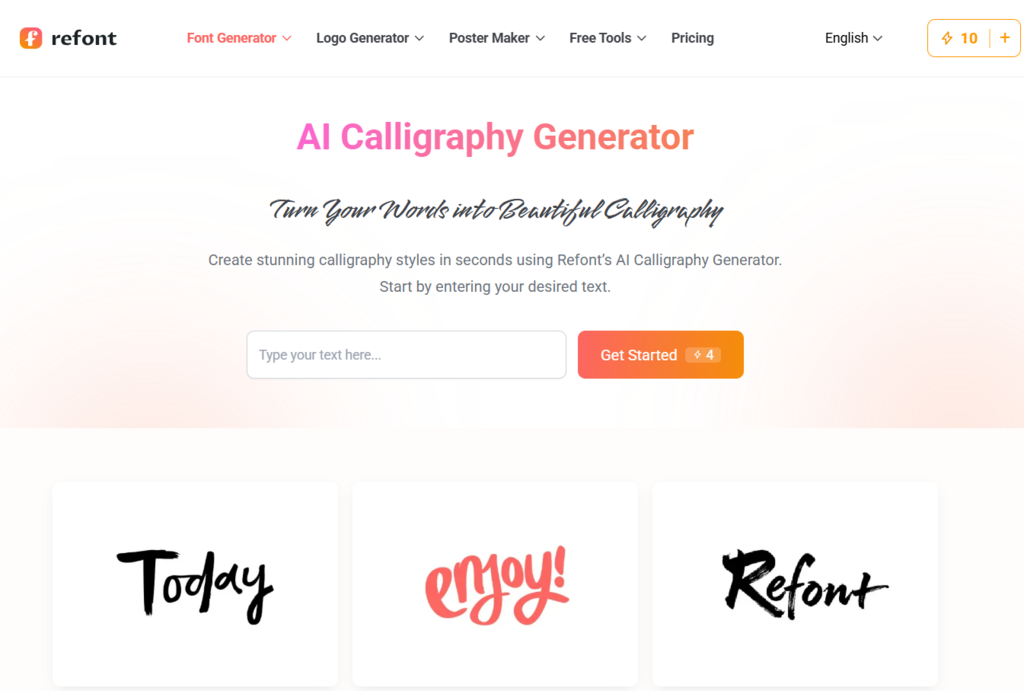
This is where the intersection of traditional artistry and modern technology changes the game. By utilizing a sophisticated calligraphy font generator, you can bypass the limitations of pre-made files and craft a design that is as dynamic and unique as the skin it will inhabit. In this guide, we will explore the evolution of Neo-Gothic tattoo aesthetics and how AI-driven customization is solving the biggest pain points in the industry today.
The Evolution of Neo-Gothic Aesthetics in Skin Art
The Gothic style has always been about more than just “dark” imagery. It is a complex architectural and calligraphic tradition dating back to the 12th century. From the rigid structure of Textura to the fluid grace of Fraktur, Gothic scripts were designed to command attention and convey authority. In the world of tattooing, “Blackletter” or “Old English” has been a staple for decades, symbolizing everything from heritage to rebellion.
However, the modern “Neo-Gothic” movement takes these historical bones and breathes new life into them. It blends the sharpness of medieval spikes with the organic flow of contemporary street art. The challenge for a tattoo artist is that human anatomy is not a flat canvas. A script that looks perfect on a computer screen often fails when wrapped around a forearm or draped over a shoulder blade. Traditional static fonts cannot adapt to the “flow” of the body. This is why a calligraphy font generator that offers real-time AI adjustments is no longer just a convenience; it’s a professional necessity.
Solving the “Copy-Paste” Crisis in Tattoo Design
One of the most significant pain points for tattoo clients is the fear of “clashing” or “matching.” Nobody wants to invest hundreds of dollars and a lifetime of commitment into a piece of art that looks like a carbon copy of a Pinterest board. Static font files (TTF or OTF) are rigid. You can change the size, but the kerning, the swashes, and the weight remain identical every time the key is pressed.
When you use a high-end calligraphy font generator, the AI treats each letter as a unique vector path. Instead of selecting a fixed style, you are interacting with a generative engine. This allows for the creation of “one-of-a-kind” lettering that hasn’t been rendered exactly that way for anyone else. For the sub-culture of tattoo art, where “originality is currency,” this technological leap is revolutionary. It allows the user to tweak the “aggressiveness” of the Gothic spikes or the “elegance” of the calligraphy loops until the design matches their personal identity perfectly.
Engineering the Perfect Fit: Weight, Swash, and Flow
A successful tattoo script must balance legibility with artistic flair. If the lines are too thin, they may fade and blur over the years (the “bleeding” effect). If they are too thick, the negative space within letters like ‘e’ or ‘a’ will disappear. Professional artists know this, but clients often don’t.
By leveraging a calligraphy font generator, you can simulate the “aging” of a design by adjusting the stroke weight before the stencil even touches the skin. Here is how to optimize your Neo-Gothic design for the best physical results:
-
Adjusting Stroke Weight: For areas with high friction or thinner skin, you can dial back the weight to ensure the ink has room to settle.
-
Customizing Swashes and Flourishes: Neo-Gothic art relies on dramatic flourishes. AI tools allow you to extend these “tails” to follow the natural muscle lines of the body, creating a sense of movement.
-
Real-time Variation: If you are tattooing a long phrase, you don’t want two ‘t’s to look exactly the same. Generative tools can provide subtle variations in the calligraphy style to mimic the natural inconsistency of a human hand, making the tattoo feel more “alive.”
Bridging the Gap: From Digital Screen to Stencil
The journey of a Neo-Gothic tattoo begins in the mind, moves to a digital interface, and ends in the dermis. To get the most out of your generated design, follow these practical steps:
-
Scenario-Based Generation: Think about the “mood” of your ink. Is it “Dark Academic,” “Heavy Metal,” or “Modern Minimalist”? Choose a generator that offers these specific sub-styles within the Gothic category.
-
Contrast is Key: Neo-Gothic scripts thrive on high contrast between thick and thin lines. Ensure your generator allows you to preview the design in high-contrast black and white to see how it will look as a stencil.
-
The “Mirror” Test: Always flip your design horizontally. If the calligraphy still looks balanced and retains its “aesthetic weight” when mirrored, it is a structurally sound design.
Why Unique Script Matters for Personal Identity
In the tattoo sub-culture, your ink is your brand. It is a visual autobiography. When you use a generic font, you are essentially “quoting” someone else’s handwriting. When you use a generative tool to customize the script, you are “writing” your own story.
The Neo-Gothic movement is currently seeing a massive resurgence in fashion and digital art, but its most permanent home remains on the skin. As we move further into 2026, the tools we use to bridge the gap between digital imagination and physical reality will only become more refined. Whether you are looking for a delicate calligraphy signature or a bold, aggressive Gothic chest piece, the power to create something truly unique is now at your fingertips.
Conclusion: The Future of Custom Ink
The days of flipping through a “flash book” at a tattoo parlor and picking “Font #4” are over. The modern collector demands more. They demand a design that respects the history of calligraphy while embracing the future of AI. By utilizing a specialized generator, you solve the pain point of “sameness” and ensure that your Neo-Gothic tattoo is a masterpiece of personal expression.
Stop settling for static. Start generating. Your skin deserves a script that is as complex and nuanced as you are. Whether you are a professional artist looking to speed up your workflow or an enthusiast planning your next piece, the evolution of lettering is here—and it is more expressive than ever.

Sandra Larson is a writer with the personal blog at ElizabethanAuthor and an academic coach for students. Her main sphere of professional interest is the connection between AI and modern study techniques. Sandra believes that digital tools are a way to a better future in the education system.