

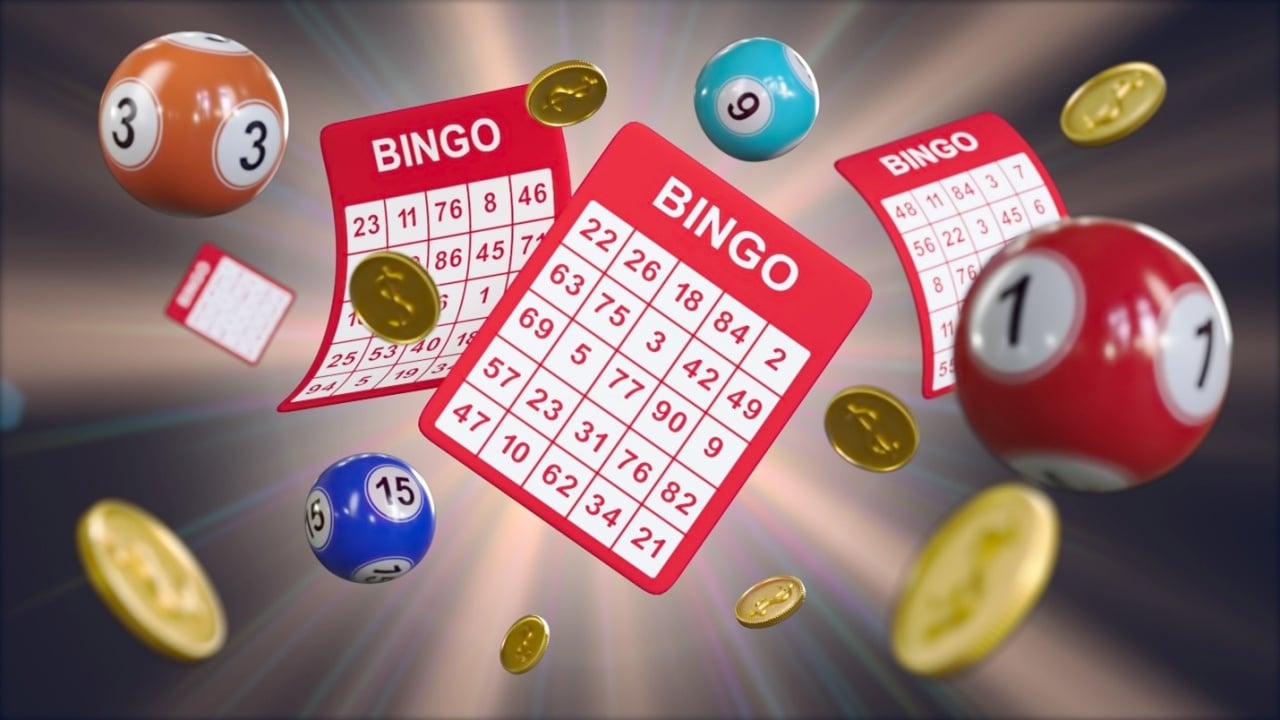
Bingo has a funny way of sticking around. It’s been played in halls, clubs, living rooms and holiday venues for generations, yet it still feels at home on a screen. That’s no small thing. Plenty of familiar pastimes have struggled to make the jump online without losing their character, but bingo has kept hold of the bit people actually enjoy: playing alongside other people.
Think about the casual games that endure. They tend to have clear rules, an obvious goal and just enough suspense to keep you watching the next moment unfold. They’re easy to understand from the sofa, easy to talk about with friends, and they don’t ask you to memorise a handbook before you can join in.
That puts bingo in similar territory to a light-hearted TV game show or a board game that comes out after dinner. You can follow the action immediately. Someone calls a number, you check your card, and for a few seconds everyone is focused on the same tiny possibility. It’s simple, communal and surprisingly absorbing.
For adults, that familiar format also works well in an online setting. The screen may have changed, but the appeal hasn’t disappeared. If anything, the digital version has made it easier to fit a sociable game into an ordinary evening.
Understanding the basic bingo format
One reason bingo remains so popular is that it doesn’t make a fuss about itself. You don’t need a long tutorial or specialist knowledge. The aim is visible from the start: match called numbers on your ticket and complete the required pattern.
That clarity matters. So many digital games ask you to learn menus, currencies, progress systems and layers of rules before the fun begins. Bingo gets straight to the point.
There’s also a lovely shared rhythm to it. Every player sees numbers being called, checks their own card and waits for what comes next. Even when you’re playing from home, you’re taking part in the same round as everyone else.
The format has changed over time, of course. Modern online bingo rooms may offer different ticket designs, chat features and game schedules. Yet the core stays reassuringly recognisable. You can return after years away and still know exactly what to do.
How 75-ball and 90-ball bingo keep things moving
The two main bingo formats you’ll often come across online are 75-ball bingo and 90-ball bingo. Both are straightforward, but they create slightly different pacing and goals.
75-ball bingo: patterns on a compact card
In 75-ball bingo, each player receives a card with a five-by-five grid. The columns are usually labelled B, I, N, G and O, with numbers arranged beneath them. The centre square is commonly treated as a free space.
Rather than always aiming for one fixed result, 75-ball games often use patterns. Depending on the round, you might need to complete:
- A horizontal line
- A vertical line
- A diagonal line
- Four corners
- A particular shape
- A full house, meaning every number on the card
This gives the format a party-game feel. The rules are still easy to read, but each pattern changes where your eyes go on the card. One round might be over neatly and quickly; another asks you to keep watching for a more unusual shape.
It’s the sort of design that makes sense at a glance. You aren’t planning five moves ahead. You’re simply following the calls, checking your card and seeing whether the pattern is starting to take shape.
90-ball bingo: three chances to complete a card
90-ball bingo is particularly familiar to many UK players. A standard ticket has three horizontal rows and nine columns, with 15 numbers in total. Numbers from 1 to 90 are called.
The usual prizes or milestones within a game are based on completing:
- One line: all numbers on a single horizontal row
- Two lines: all numbers across two rows
- A full house: all 15 numbers on the ticket
This structure helps the game build naturally. A player may be watching for a one-line result early on, while the rest of the room continues towards two lines and a full house. There’s a clear sense of progression, but it never becomes difficult to follow.
That’s an important part of bingo’s staying power. The session is often self-contained. A game begins, numbers are called, the round ends, and you can decide whether to stay for another. It suits people who prefer a pastime with defined beginnings and endings rather than something that demands hours of uninterrupted attention.
The social side isn’t an extra, it’s part of the point
If bingo were only about marking numbers, it probably wouldn’t have such a long cultural life. The real charm is often in the room, whether that room is physical or digital.
Online bingo chat rooms recreate some of the familiar atmosphere of a traditional venue. People might say hello, congratulate a winner, comment on a near miss or join in with a themed conversation. It’s a shared setting rather than a solitary puzzle.
Of course, every room has its own tone. Some players prefer a lively chat; others may simply read along while concentrating on their cards. Both are perfectly normal. The important thing is that there’s a sense of other people being present.
Many of us enjoy low-pressure social spaces because they don’t require a big performance. You can contribute a message if you fancy it, or just take part quietly. There’s no need to be the loudest person in the room. Bingo leaves space for that.
Its little rituals help too:
- Checking the ticket as the calls begin
- Noticing when the board is filling up
- Exchanging general messages in the chat
- Congratulating someone when a game finishes
- Recognising regulars who turn up at similar times
These are small things, but shared routines are often what turn a simple activity into a proper pastime. A familiar room and a recognisable schedule can feel pleasantly social, even when everyone is joining from different places.
Where to play online
**Commercial reference, for UK adults aged 18+ only:** Online bingo is a form of gambling and eligibility rules apply. [Jackpotjoy](https://www.jackpotjoy.com/uk/bingo) is one example of an online bingo destination for adults in the UK. If you choose to play, set personal limits, take breaks and only spend what you are comfortable treating as entertainment. For safer gambling information and support, visit the [Gambling Commission’s safer gambling guidance](https://www.gamblingcommission.gov.uk/public-and-players/guide/page/gambling-safely).
Why bingo feels familiar beside board games and game shows
Bingo has plenty in common with the games people already enjoy around a table or on television.
Like a board game, it creates a shared focus. Everyone is looking at the same event, even if each person’s card is different. Like a party game, it works well when the rules can be explained in one breath. And like a game show, it has a presenter-like rhythm: the next call arrives, the audience reacts, and the result is easy to understand.
That accessibility is worth celebrating. There’s no embarrassment in being new to bingo because the format is so readable. You can watch one round and pick it up quickly. That’s a useful quality in social entertainment, especially when people have different levels of experience.
The comparison with TV game shows goes beyond the calling of numbers. Both rely on anticipation being visible. You can see the board, see what’s happened and understand why a particular next number matters. The tension is gentle rather than complicated.
Bingo also has the same repeatable charm as a favourite board game. The rules stay consistent, while each round produces a different sequence. It’s familiar without becoming identical.
A familiar format with room for modern habits
Digital bingo works because it hasn’t tried to become something completely different. It has borrowed the convenience of online play while keeping the things that made bingo sociable in the first place: short rounds, clear cards, recognisable calls and a community gathered around the same game.
That combination is harder to create than it looks. Plenty of entertainment is available at the tap of a screen, but not all of it feels shared. Bingo still does. Whether you prefer 75-ball patterns or the steady build of 90-ball games, there’s something comforting about joining a room, looking at a ticket and seeing where the next number takes you.
For a game with such simple mechanics, it has a remarkably enduring way of bringing people together.

Morgan Vance is an iGaming analyst with nearly a decade of experience covering online casinos and industry regulation. Known for breaking down complex betting systems into easy-to-understand insights, Morgan has reviewed over 500 casino platforms worldwide. His work often explores the intersection of blockchain technology and gambling, particularly the rise of crypto casinos and provably fair gaming.