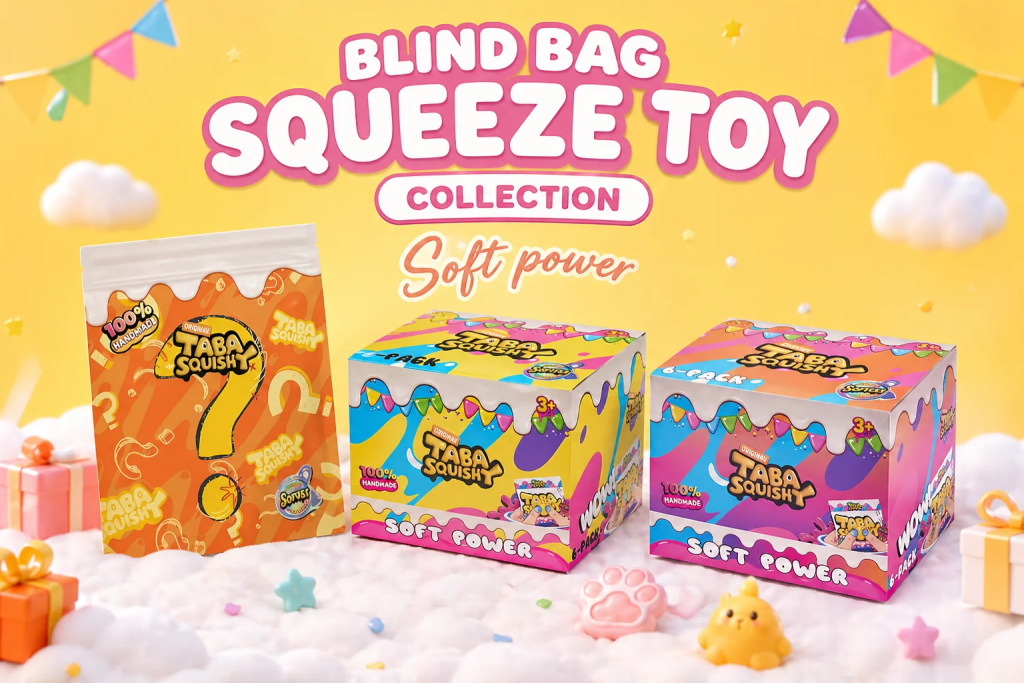
Blind box products have quietly become one of the most reliable formats in modern collectible culture, and the reason isn’t complicated once you break it down. Humans respond strongly to anticipation, and a blind box is basically a small, contained anticipation machine. You know roughly what you’re getting into, you don’t know exactly which item you’ll end up with, and that gap between knowing and not knowing is where most of the appeal lives.
An Old Trick with a New Audience
This isn’t a new psychological trick. Trading card packs, mystery figures, and even old-fashioned cereal box prizes have used the same basic mechanic for decades. What’s changed is how visible and social the reveal moment has become. Where opening a mystery toy used to be a private thing between you and a cardboard box, it’s now often filmed, shared, and reacted to by an audience, which adds a second layer of anticipation on top of the original one. Now the excitement isn’t just “what did I get,” it’s “how will people react to what I got.”
Why Squishy Toys Are a Natural Fit for Blind Formats
Squishy toys have turned out to be a particularly good fit for this format because the object itself already has strong sensory appeal before you even know which design is inside. The moment of squeezing a new toy for the first time is satisfying regardless of which variant you pulled, which means the format works even for buyers who don’t land their top choice. That’s a meaningful design advantage over blind formats where a “bad pull” can feel like a genuine letdown with nothing redeeming about it. A full blind box squishy collection plays into this by making sure every possible outcome still delivers on the core sensory experience, even if the specific design wasn’t the one you were hoping for.
The Collector’s Itch Is a Powerful Repeat-Purchase Driver
There’s also a completion instinct at work that’s worth naming directly. Once someone owns three out of six designs in a set, the psychological pull to finish the set becomes stronger than the pull that got them to buy the first one. This is sometimes called the collector’s itch, and it’s one of the most well-documented drivers of repeat purchases across every collectible category, from stamps to sneakers. Blind formats amplify this because you can’t simply choose to buy the missing piece directly, you have to keep trying, which extends the buying cycle considerably longer than a straightforward retail purchase would.
Why a Clear Theme Matters More Than Random Variety
Themed sub-collections add another layer to this. A dumpling blind box format works well specifically because dumplings as a shape are simple enough to support a wide range of variations, from plain designs to rare gold or glitter finishes, all within a single cohesive theme. That consistency matters. A blind box built around a random assortment of unrelated shapes doesn’t generate the same collecting energy as one built around a clear, recognizable theme where every variant clearly belongs to the same family.
Packaging Design Plays a Bigger Role Than It Gets Credit For
The physical packaging itself deserves a mention too, since it’s doing more work than most buyers consciously notice. A box or bag designed with just enough visual hints, a shape silhouette, a partial color peek, a rarity indicator on the outside, gives buyers something to speculate about before the reveal even happens. This small bit of pre-reveal engagement stretches the anticipation window slightly longer, turning what could be a two-second unwrapping into a more deliberate, savored moment worth pausing for, rather than something rushed through and forgotten a minute later.
The Small Dopamine Hit Behind Every Reveal
The reveal moment itself deserves some attention too, separate from the collecting mechanics around it. There’s a small dopamine hit that comes from uncertainty resolving, even when the stakes are genuinely low. This is the same basic mechanism behind scratch-off tickets and slot machines, minus the financial risk that makes those formats potentially harmful. A blind box squishy costs a few dollars and delivers a usable, huggable object regardless of outcome, which keeps the format firmly in the territory of harmless fun rather than anything resembling gambling.
Online Creators Have Helped the Format Spread
Online creators have played a real role in popularizing this format too. Unboxing content has been a stable, popular category on video platforms for years, and small collectible items are particularly well suited to it because a single video can feature multiple openings back to back, each with its own small reveal. This creates a compounding visibility effect where the format markets itself through ordinary fan content rather than needing heavy paid promotion.
Patience Is Part of the Format’s Design
For collectors who are newer to this specific corner of the hobby, the format rewards patience more than anything else. Buying one blind box and hoping for a specific rare pull on the first try is a low-probability bet by design. Buying several over time, trading duplicates, and treating the process as an ongoing hobby rather than a single transaction is generally how more experienced collectors approach it, and it tends to be a more satisfying way to engage with the format long term.
How Blind Box Formats Compare to Traditional Retail
It’s worth contrasting this format directly against a normal, non-blind retail purchase to see why it generates so much more engagement. Buying a specific item you’ve picked out yourself is efficient, but it’s also emotionally flat. There’s no anticipation built into the transaction, since you already know exactly what’s arriving. A blind format trades that certainty for a small amount of suspense, and for a surprisingly large number of buyers, that trade is worth making even though it means occasionally ending up with a design they weren’t specifically hoping for.
This is part of why blind formats tend to outperform standard retail listings within the same product line, even when the item itself, price included, is essentially identical. The packaging and the not-knowing are doing real work here, turning an ordinary purchase into something that feels more like a small event.
Setting Sensible Limits Around Blind Box Buying
Because blind formats are specifically designed to encourage repeat purchases, it’s worth approaching them with a bit of intention rather than buying impulsively without any cap in mind. Deciding on a small, fixed number of boxes to open in a single session, rather than continuing indefinitely until a specific rare item shows up, keeps the format enjoyable rather than frustrating. This is standard advice across every collectible hobby that uses randomized formats, and it applies just as well here as it does anywhere else.
Final Thoughts
Whatever specific shape or theme a blind box takes, the underlying appeal comes back to the same core idea: a small, safe dose of uncertainty followed by a tangible, satisfying result. That combination has worked across collectible categories for generations, and squishy toys are simply the latest, softest version of a formula that clearly still works, one small reveal at a time.

Elara is a dynamic writer and blogger who specializes in pop culture and movie reviews. With a background in film studies and journalism, she combines her deep knowledge of the entertainment industry with a sharp, insightful writing style that keeps readers coming back for more.