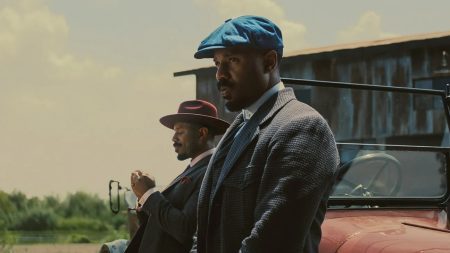
During the mid-90s to the early 2000s, casino films took over Hollywood. From Casino in 1995 to Now You See Me 2 in 2016, these movies brought audiences into the high stakes, glamour, and psychological tension of gambling,
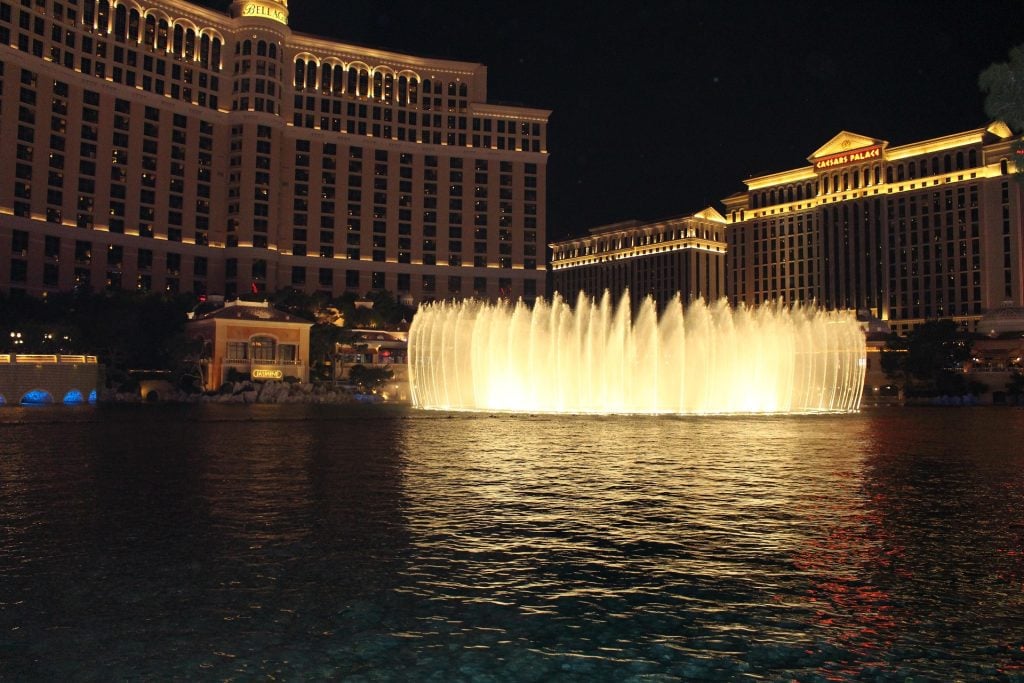
The strongest films do more than show gambling. Neon, marble lobbies, velvet ropes, and a constant sense of performance leave a lasting impression, and they have also put Las Vegas and Macau on many travellers’ bucket lists, as people chase a high-adrenaline “big night out” experience of a lifetime.
Why do Casinos Fascinate Culture?
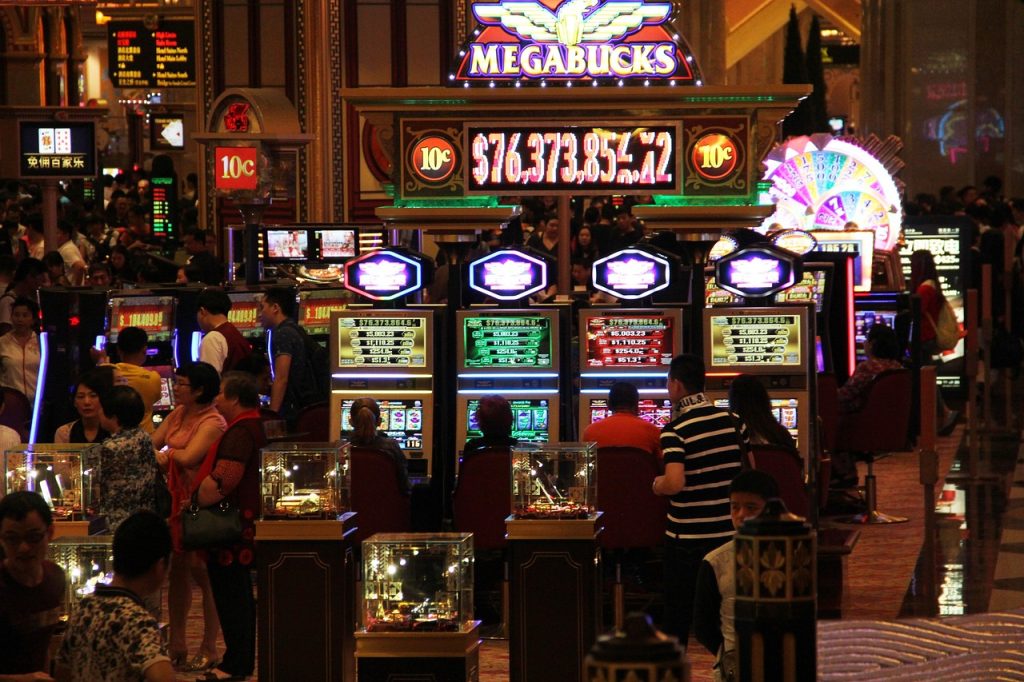
Casinos are a reflection of human ambition, creativity, and our love of spectacle. That mix of thrill and social ritual is why gambling shows up across cultures.
In many Asian societies, gambling has long been woven into everyday culture. Mahjong, card games, and friendly betting during Lunar New Year are common ways families and friends socialise. Today, the influence can still be found in most places in Asia, with younger players now moving online and playing on the best casino sites in Hong Kong, Taiwan, the Philippines, and more.
For decades, Hollywood turned casinos into a global symbol of glamour and danger. Casinos provide a perfect setting that compresses risk, status, and fantasy into one place, with surreal interiors and dramatic overnight turnaround stories that keep audiences hooked. The luxury casino resorts in Vegas and Macau also portray an aspirational lifestyle of extreme wealth and success.
Casino (1995) — Las Vegas
Directed by Martin Scorsese and starring Robert De Niro, Sharon Stone, and Joe Pesci, Casino follows Sam “Ace” Rothstein as mob money, greed, and a volatile love triangle unravel his Las Vegas operation. Based on real events, it pulls viewers behind the casino floor into surveillance, skimming, and back-room control. Sharon Stone later won a Golden Globe for Best Actress, and the film received several nominations, including at the Oscars.
Its procedural storytelling and dual narration shaped how gambling systems get portrayed on screen, influencing later heist and poker films. The film’s extravagant, power-coded wardrobe also became iconic, cementing a “casino archetype” that pop culture still borrows from.
Ocean’s Eleven (2001) — Las Vegas
Steven Soderbergh’s Ocean’s Eleven stars George Clooney, Brad Pitt, Matt Damon, and Julia Roberts, following Danny Ocean’s crew as they plan to rob three Las Vegas casinos in one night. If Casino shows the machinery, Ocean’s sells the glide: competence as charisma, teamwork as choreography, and the Strip as a playground for sharp minds in sharper tailoring.
Ocean’s 11 works so well because it captures the glamour of a star-studded cast, plus the effortless “cool” style and wit of old-school Hollywood. The film also helped cement Las Vegas as a cultural symbol of an exciting destination. It inspired other movies to adopt similar ensemble line-ups, including the series’ three sequels and Now You See Me.
Vengeance (2009) — Macau
Johnnie To’s Vengeance stars French singer and actor Johnny Hallyday as a man hunting those responsible for his family’s deaths, aided by professional killers as memory and loyalty blur.
Here, Macau is not presented as a glossy brochure, but through a noir lens, with street-level tension simmering behind the luxury resorts. It expands what “Macau on screen” can be.
Shot on location in Hong Kong and Macau, the film is noted for its blend of Western, French, and Hong Kong action cinema styles.
The Hangover (2009) — Las Vegas
To millennials, The Hangover was a phenomenon that reshaped mainstream comedy. Inspired by a real event that happened to a friend of executive producer Chris Bender, the film follows three friends (Bradley Cooper, Ed Helms, and Zach Galifianakis) who wake up in Las Vegas with no memory of the previous night and a missing groom. The plot turns the Vegas fantasy into a chaotic survival story.
However, it didn’t stop people from visiting the desert city. Instead, it helped fuel “The Hangover Effect,” where tourists tried to recreate the film’s wild, drunken debauchery on the Las Vegas Strip. Caesars Palace even capitalised on it by offering a “Hangover Again” package designed for guests to relive scenes filmed on location at the resort.
From Vegas to Macau (2014) — Macau
From Vegas to Macau is a crime comedy written and directed by Wong Jing. It follows Cool (Nicholas Tse), a small-time conman who turns to “Magic Hands” Ken (Chow Yun-fat) to take revenge on Ko (Gao Hu), the casino syndicate boss who killed Cool’s undercover police half-brother. The film captures Macau’s casino image: luxury, polished interiors, upscale nightlife, and a full entertainment complex.
Wong Jing is a major figure in the Hong Kong film industry, earning the reputation of the “godfather” of Chinese gambling movies. His work helped define the gambling genre in the late 1980s and 1990s, with The God of Gamblers franchise alone featuring more than half a dozen instalments.
Now You See Me 2 (2016) — Macau
Directed by Jon M. Chu and starring Jesse Eisenberg, Mark Ruffalo, Woody Harrelson and Dave Franco, Now You See Me 2 sends its illusionist crew into a globe-hopping plot involving a powerful tech figure and a public spectacle of control. Macau appears as a sleek, international set piece, glossy enough to feel like a magic trick in architectural form.
Sands China supported the production by bringing the production team to shoot on location at The Venetian Macao and Sands Macao, as part of their strategy to promote Macau as a global centre for tourism and leisure.
Conclusion
These films help define how people picture these cities. Depending on the movie, the places can feel corrupt and controlled, slick and professional, chaotic and funny, shiny and glamorous, or dark and noir. You can see the impact in fashion coverage, tourism marketing, and stories about how films influence travel. For many viewers, interest turns into a trip to explore top attractions and hidden gems in Las Vegas and Macau.
Morgan Vance is an iGaming analyst with nearly a decade of experience covering online casinos and industry regulation. Known for breaking down complex betting systems into easy-to-understand insights, Morgan has reviewed over 500 casino platforms worldwide. His work often explores the intersection of blockchain technology and gambling, particularly the rise of crypto casinos and provably fair gaming.