Truth is a word that used to mean something, and hopefully will again someday soon. Right now, we live in a political world that sees truth as a matter of opinion, instead of something unassailable. It is an attack not only on our person, but the idea of our country, as well. In the United States, we have many important freedoms, but almost none are more important than the freedom of the press. When this is operating as it should, it gives us an opportunity to shine a light in a dark place, to give a voice to the people most impacted by what happens in those shadows.
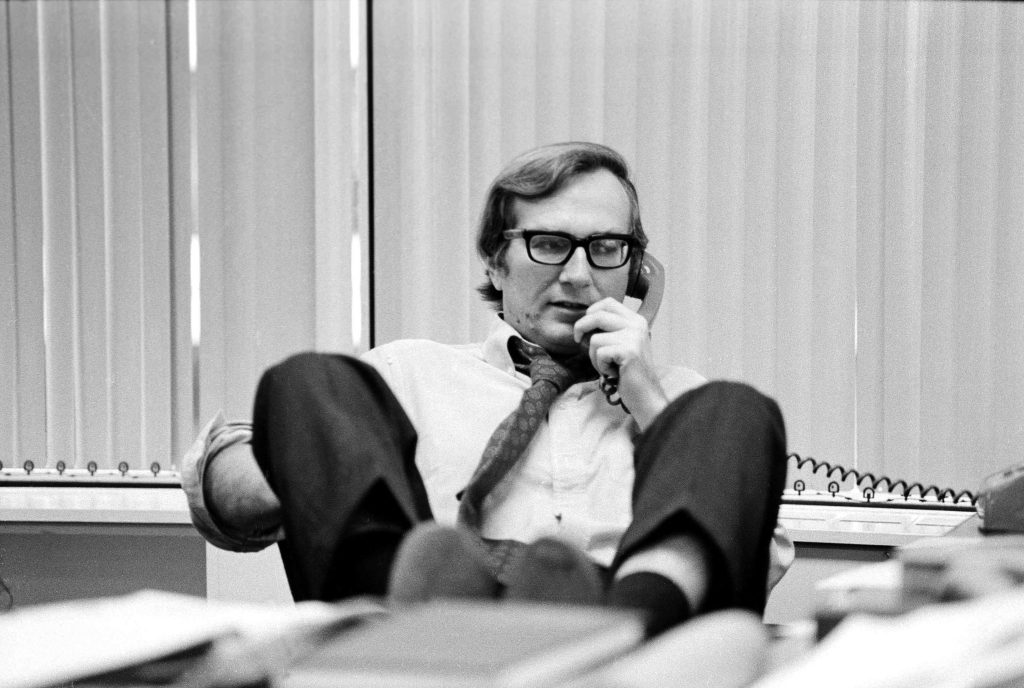
There are many great documentaries, and in many different styles. One of the drawbacks of the genre is that it tends to attract those who wish to tell their stories. There is a presentational nature to it that lends itself to, at a minimum, stretching the truth. Cover-Up, however, does not have this particular problem. Its focus is Seymour Hersh, and he, like all truth tellers, never makes things comfortable. He creates an interesting balance between prickly and charming, which immediately comes through on a one-sided phone conversation with a contact in Gaza. It is a minor stroke of brilliance from directors Laura Poitras and Mark Obenhaus.
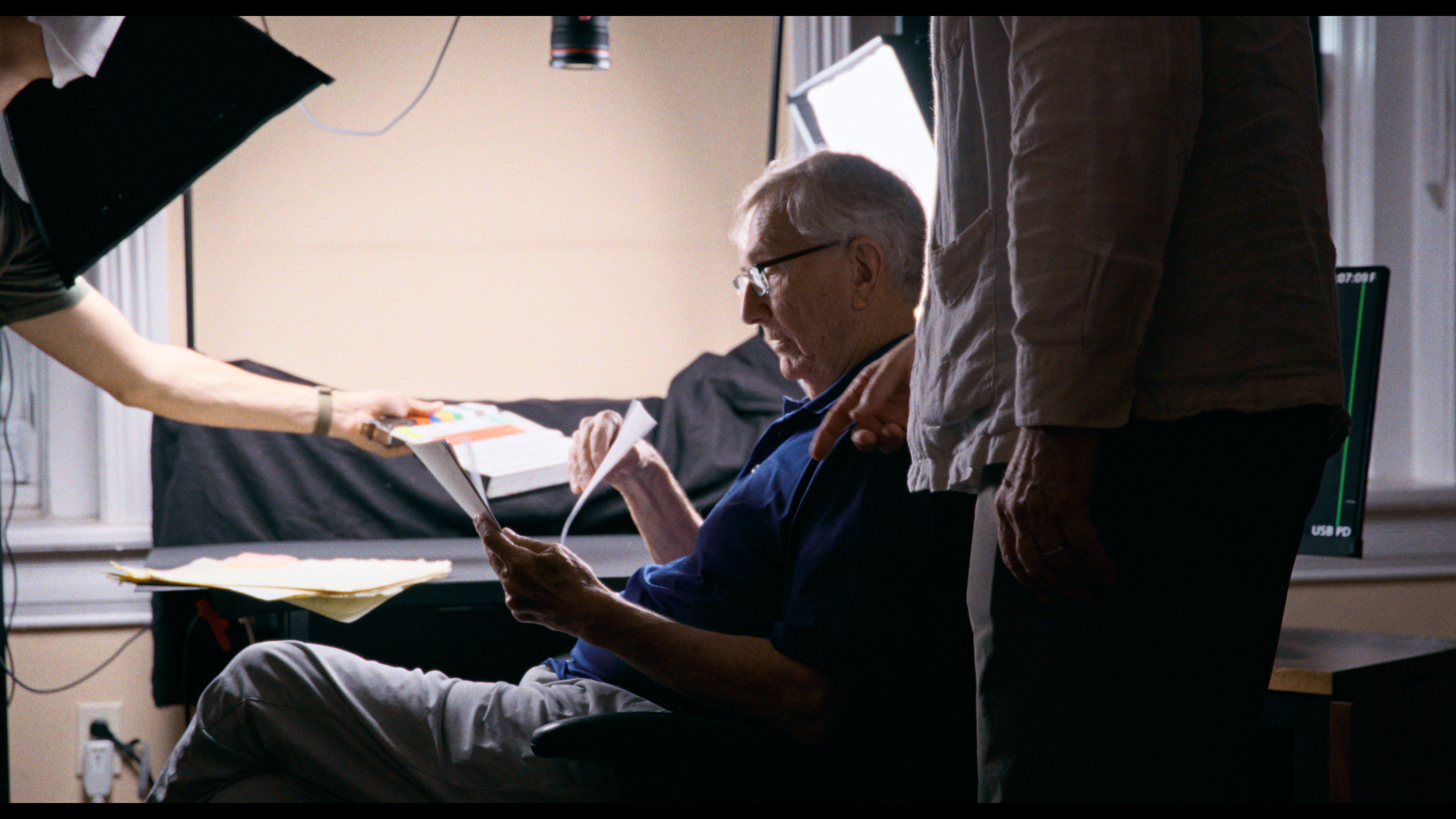
This film will not reinvent the wheel stylistically, focusing mainly on a series of interviews with Hersh, intercut with photographs detailing his life and the stories that made him a name. But much like its subject, placing the truth at the forefront is more important than the bells and whistles. After the brief phone call, the film takes itself back in time to the horrific massacre at My Lai during the Vietnam War. My Lai, until recently, was probably the most famous war crime in American history, in which many unarmed Vietnamese civilians were assaulted, raped, and murdered by American soldiers. The film and Hersh posit an important fact about crimes such as these.
There are two options: either this is an isolated, horrible act or this is normal, but consistently hidden by those in power. We want it to be the first, but deep down, we know that the latter is much more likely. And if that is the case, our nation is not what it can be, at least not yet. Hersh and others have taken on the responsibility of delivering these difficult truths to whoever will listen. It is a lonely mission, but one of the utmost importance. People like him place themselves in harm’s way, each and every day. But they are not completely alone, as they have their sources. Anyone who has seen any film or television show about journalism will know how important it is to keep sources private, and this is the great challenge of Cover-Up.
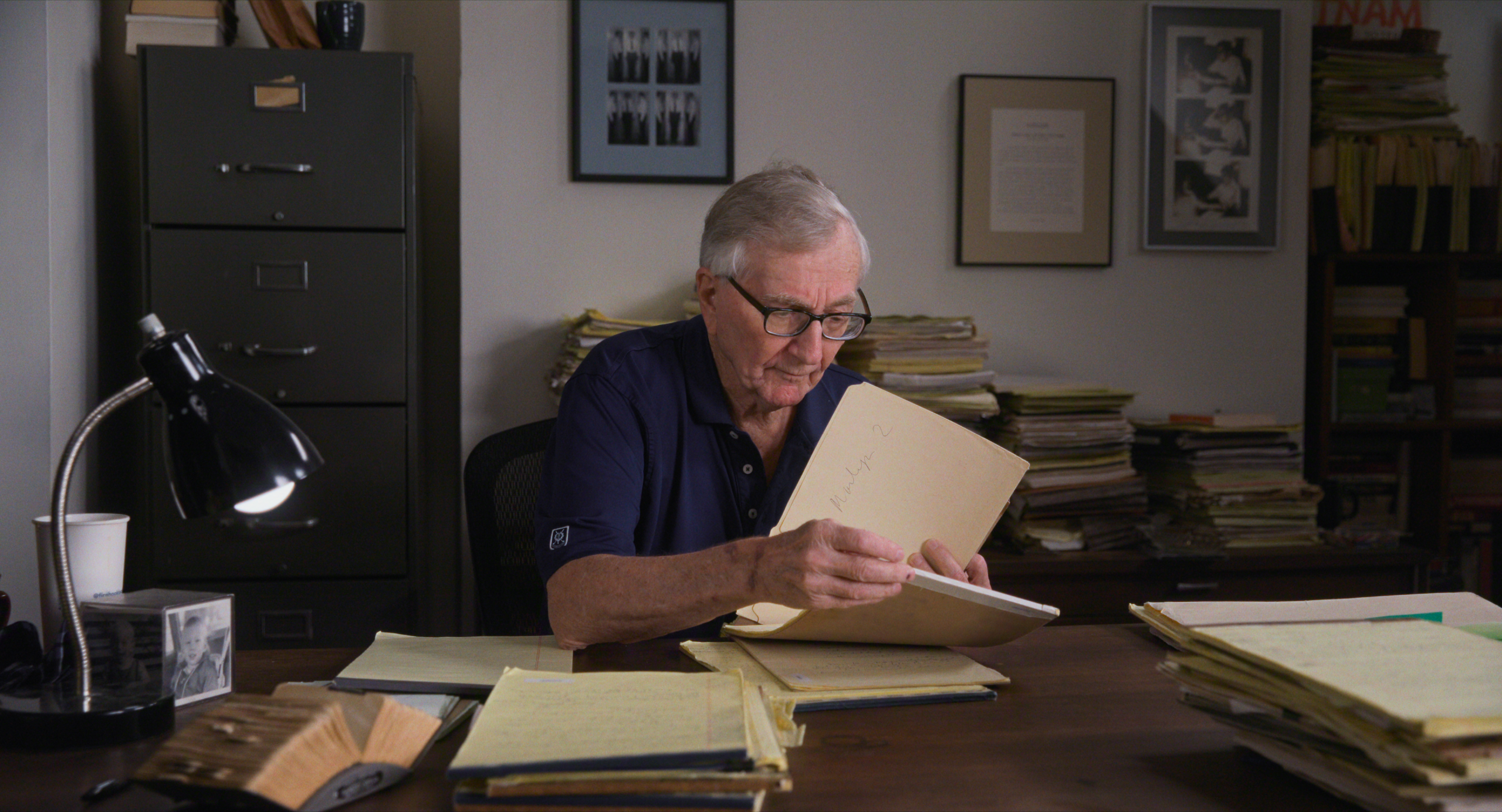
How does a director guide a conversation with so many dead ends? The careful, offscreen questioning from Poitras is truly enthralling to watch in its mastery. Despite her skill, there is a moment about midway through the film in which Hersh has severe doubts about continuing. It is made clear that Poitras has begged and pleaded to interview him for many years, and here we finally are, and he begins to recoil from the questions. Importantly, in this moment, the director chooses to show some of her subject’s notes, with black boxes hiding the names of sources. This is, of course, the reason for his discomfort. He has a cavalcade of responsibility: to himself, to the truth, and to his source’s safety and privacy. In his expressive eyes, you can see that fear. Has he made the ultimate error? Has he shared too much truth with too large an audience?
The film recovers from this moment and moves forward, but it is so important that this is shown on screen. With Hersh’s charm, mixed with scathing judgment, it would be easy to see him as a preaching figure. But these moments, paired with a too-brief discussion of his marriage, paint him in a human hue, a man who continues to do the right thing, not for accolades, but because it is just that, the right thing. Cover-Up does not stop with My Lai, but also details other horrific cover-ups, such as the human rights violations by American soldiers at Abu Ghraib prison. His words, paired with the photographs of this torture, force us to remember this terrible moment that should never be forgotten.
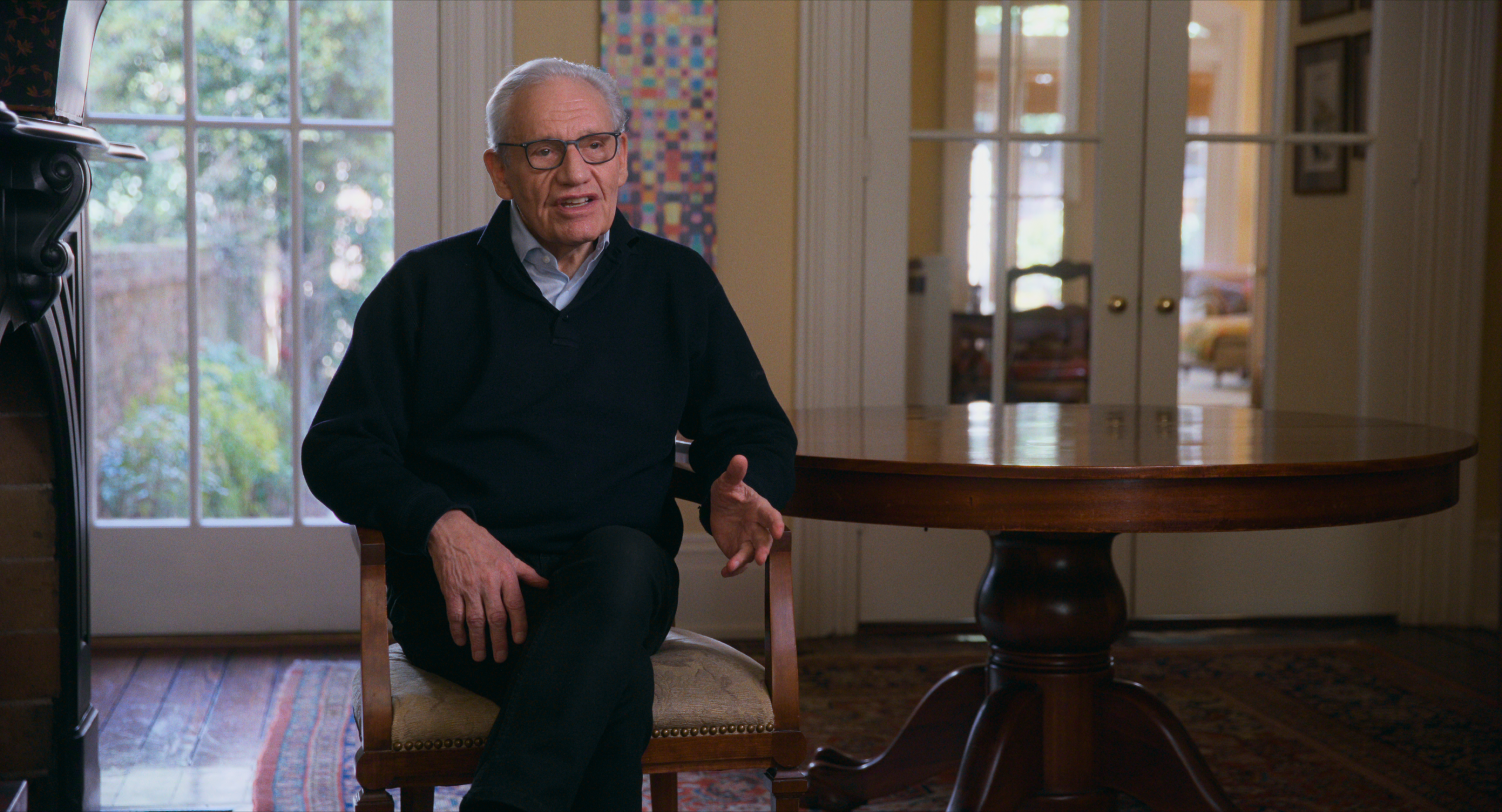
This film not only tells the story of Hersh’s successes, but also shows failures and true human reactions. In one particularly powerful moment, we learn that, as a new father, he was almost unable to continue with the My Lai massacre because of the details of very young children being brutally murdered. It would be simple to merely label Hersh as a hero for his good works. But this moment puts us in his shoes. Would we be able to continue while thinking of our own loved ones? Maybe we can all learn from him. We must find a balance. We must protect ourselves while also doing all we can to shine that light in the horrific dark.
Cover-Up is both a reminder and a warning. Even if we would like to think that we have grown past the atrocities of the past, it is clear that this is a pattern of behavior by our nation. What is happening across the world is a humanitarian crisis. Even if our country is not directly perpetrating it, our hands are all bloody. As we stand by, thousands upon thousands are punished for no wrongdoing. All the while, the powerful continue to be protected by silence. Without these freedoms, without truth-tellers like Seymour Hersh, we cannot be a more perfect union. These truths and freedoms do not come easy, and we must continue to give voice to the unempowered by whatever means we are afforded. Telling the truth in an age of lies may be lonely, but it is necessary.
Cover-Up is currently playing in select theaters courtesy of Netflix. The film will debut exclusively on the streaming service on December 26, 2025.

Cover-Up is both a reminder and a warning. Even if we would like to think that we have grown past the atrocities of the past, it is clear that this is a pattern of behavior by our nation.

Dave is a lifelong film fan who really got his start in the independent film heyday of the 90’s. Since then, he has tried to branch out into arthouse, international, and avant garde film. Despite that, he still enjoys a good romcom or action movie. His goal is to always expand his horizons, through writing and watching new movies.