Superhero movies are basically everywhere now. What started as comic book stuff has spilled into cinemas, TV, video games, merch, social media — the whole thing. And over the decades, how these stories actually get told has changed a lot, right alongside filmmaking tech, what audiences expect, and pop culture just moving forward.
From Comic Books to the Big Screen
Superheroes and movies have always been linked, honestly. Long before modern blockbusters, there were serial films and old TV shows featuring Superman, Batman — proving comic characters could pull people in beyond just the page.
Problem was, the tech wasn’t there yet. Flight, superhuman strength, wild tech, fantastical worlds — all of that was genuinely hard and expensive to pull off convincingly. Once visual effects got better, filmmakers finally had room to actually match what readers were already imagining in their heads.
Those big superhero films from the late ’90s and early 2000s proved something important: audiences would take these characters seriously. That opened the door for superhero movies to become a real, mainstream thing — not some niche corner of cinema.
Then the Genre Got Serious
Things shifted a lot through the 2000s. Filmmakers started mixing comic-book elements with grounded settings, real character depth, actual storytelling weight. Suddenly superhero movies could pull in people who’d never touched a comic book in their life.
Nolan’s Batman trilogy’s the obvious example — morality, fear, corruption, sacrifice, real themes buried in a superhero story. Meanwhile other films were going the opposite direction — comedy, fantasy, straight action. Point is, there wasn’t just one way to do this anymore.
Then Everything Got Connected
Probably the biggest shift was studios linking movies together into shared universes. Instead of every film being its own island, characters started crossing over, referencing each other, building toward something bigger.
Marvel’s the obvious king here. Each movie introduced a hero on their own, then eventually smashed them all together in crossover films. Suddenly you weren’t just watching one movie — you were following a story across years and a dozen films.
That changed how people watched too. Post-credit scenes became a whole thing. People started catching callbacks, tracking connections, treating each movie like a puzzle piece instead of a standalone story.
Tech Made All of This Possible
CGI and visual effects did most of the heavy lifting here, honestly. Stuff that would’ve been brutal or flat-out impossible to shoot practically a couple decades back is now just… normal.
And this tech shift isn’t just a movie thing either. AI, automation, digital tools — all of that’s showing up everywhere now, even somewhere like healthcare, where AI customer service solutions for healthcare are helping organizations actually manage patient communication better. Totally different industry, sure, but same underlying story: tech’s reshaping how things get done everywhere, not just on a movie set.
Digital effects also changed what filmmakers could even attempt — characters moving through entirely fictional worlds, huge battles, creatures that never physically existed. None of it needed to be real anymore, just convincing.
But that cuts both ways. Audiences got used to insanely detailed effects fast, so now filmmakers are basically stuck constantly one-upping themselves just to keep things feeling impressive.
Superheroes Are Just… Everywhere Now
It’s not just movies anymore. Clothes, toys, collectibles, video games, cartoons, streaming shows, whole online communities built around this stuff.
Social media made it worse (or better, depending how you look at it). A trailer drops, and within minutes the whole internet’s dissecting it — theories, reactions, hot takes, all of it. People don’t just watch a movie and move on anymore. They stick around, argue about it, keep the conversation going for weeks.
Representation Actually Started Shifting
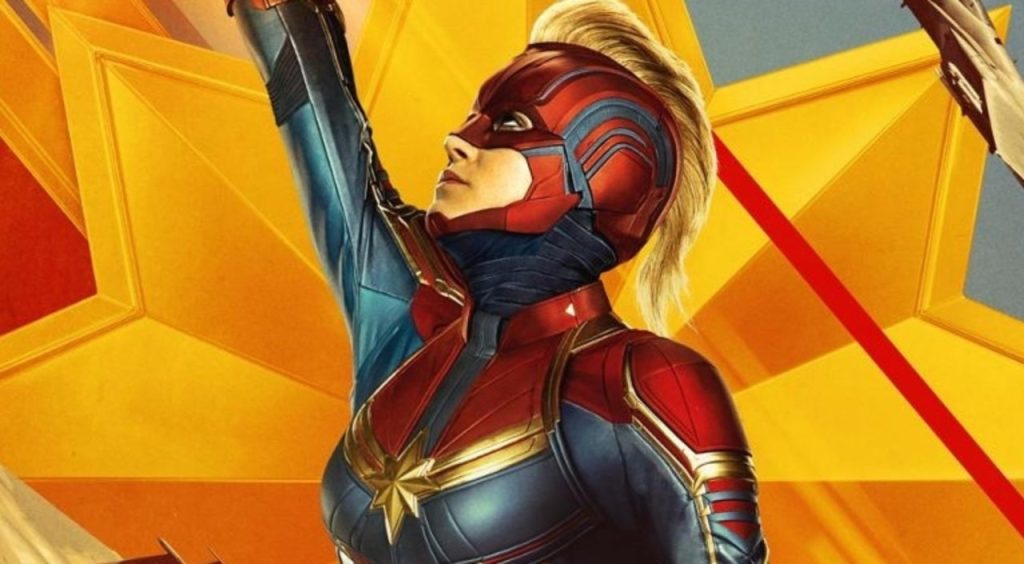
Early superhero movies leaned on a pretty narrow set of characters, let’s be honest. That’s changed a lot. Black Panther, Captain Marvel, Shang-Chi, different versions of Spider-Man — all of that’s genuinely broadened who gets to be the hero.
And that matters beyond just “good representation” as a checkbox. What gets told in mainstream entertainment shapes whose stories feel important. Superhero movies, whether they mean to or not, are part of a much bigger conversation about identity and inclusion.
Then Streaming Changed the Format Entirely
TV series gave these stories room to breathe in a way a two-hour movie just can’t. A movie’s got to introduce someone and wrap up a conflict in one sitting. A series can spend six, eight, ten episodes just on one character’s arc.
And streaming made all of this global almost instantly — a show drops, and people in completely different countries are watching it within days, sometimes hours. That’s built these characters real worldwide audiences.
Where This Is All Probably Headed
Honestly, audiences have seen it all by now — origin stories, crossovers, post-credit teases, interconnected universes. So the real challenge going forward is just staying interesting. Filmmakers are probably going to keep blending genres — horror, comedy, sci-fi, animation, whatever keeps things from feeling stale.
At the end of the day, superhero movies are a pretty good example of how entertainment evolves alongside tech and culture together. Comic book stuff turned into a genuinely global phenomenon. Whether it’s in theaters, on a streaming app, in a video game, or just people arguing about it online — this genre’s still shaping how modern culture tells its stories.

Amanda Dudley is a lecturer and writer with a Ph.D. in History from Stanford University. After earning her doctorate in 2001, she decided to pursue a fulfilling career in the educational sector. So far, she has made giant strides by working as an essay writer for EssayUSA, where she delivers high-quality academic papers to students who need them.