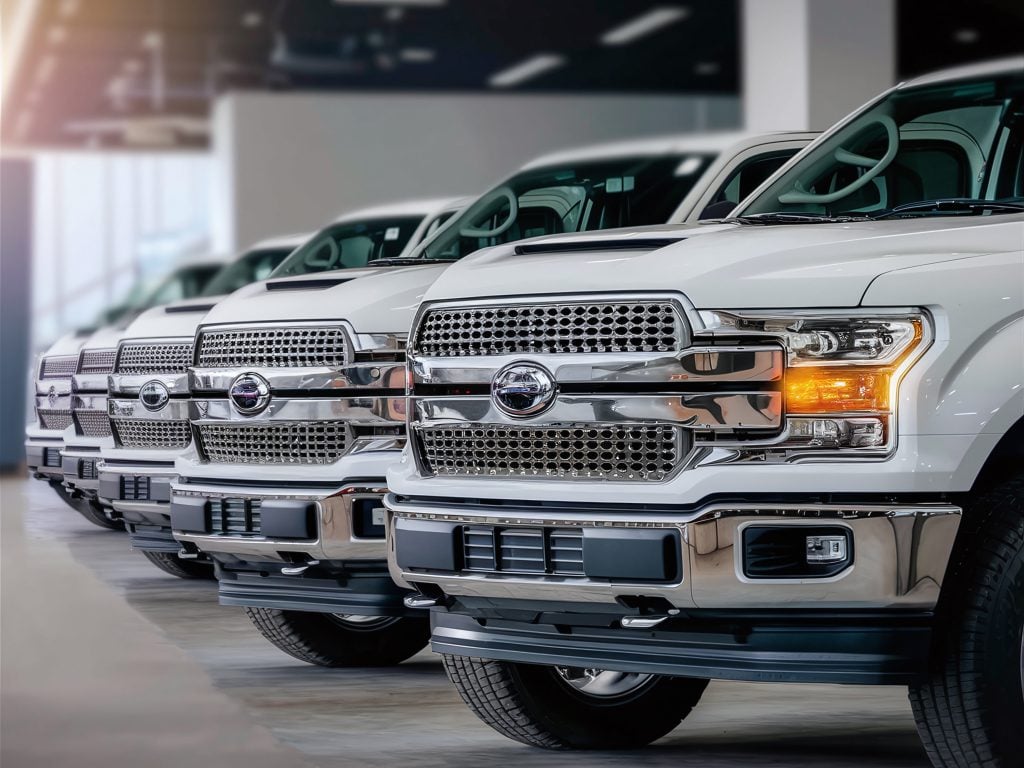
Modern pickup trucks rely heavily on advanced powertrain engineering to balance performance, towing capability, efficiency, durability, and adaptability. The powertrain system — which includes the engine, transmission, drivetrain, and supporting electronic controls — plays a major role in defining how a truck performs under different operating conditions. The Ford F-150 incorporates a variety of powertrain technologies designed to support everyday commuting, commercial workloads, towing demands, and off-road applications. Whether researching truck engineering developments or exploring a Ford F150 for sale in lafayette, LA, understanding Ford F-150 powertrain technology helps explain how modern truck systems combine mechanical strength with digital performance management.
Understanding the Role of Powertrain Technology
A vehicle’s powertrain refers to the collection of systems responsible for generating power and delivering it to the wheels.
In pickup trucks, powertrain technology influences several important performance areas, including acceleration, towing behavior, payload management, efficiency, traction control, and driving adaptability.
Traditional truck powertrains focused primarily on engine size and raw mechanical capability.
Modern engineering has expanded this approach considerably.
Today’s truck powertrains increasingly depend on software coordination, electronic monitoring, advanced fuel delivery systems, intelligent transmission management, and multiple drivetrain configurations.
The Ford F-150 reflects this broader automotive shift toward integrated performance systems.
Rather than functioning through isolated mechanical components alone, modern powertrains operate as coordinated technological ecosystems designed to respond dynamically to changing driving demands.
EcoBoost Engine Technology Explained
One of the most recognizable technologies within the Ford F-150 powertrain lineup is EcoBoost engineering.
EcoBoost engines combine several technologies intended to improve the relationship between performance capability and fuel efficiency.
Key components of EcoBoost design generally include turbocharging, direct fuel injection, and advanced electronic engine management.
Turbocharging plays a central role in this system.
Turbochargers use exhaust energy to compress incoming air before combustion occurs.
Compressed air introduces more oxygen into the combustion chamber, supporting stronger combustion performance.
This approach allows smaller-displacement engines to deliver power characteristics traditionally associated with larger engines.
Direct fuel injection adds another layer of efficiency management.
Instead of introducing fuel earlier in the intake process, direct injection delivers fuel more precisely into the combustion chamber.
This precision supports improved combustion control, optimized fuel use, and adaptable performance behavior.
Electronic management systems continuously monitor engine operation and adjust performance variables according to current conditions.
EcoBoost technology demonstrates how modern powertrain engineering increasingly relies on intelligent efficiency strategies rather than engine size alone.
Hybrid Powertrain Technology in the Ford F-150
Electrification has become an increasingly important area of truck development.
The Ford F-150 incorporates hybrid powertrain technology designed to combine conventional engine operation with electric motor assistance.
Hybrid systems differ from traditional gasoline-only powertrains because they distribute power responsibilities across both mechanical and electrical components.
The integration between the gasoline engine and electric motor allows the powertrain to adapt according to changing operating conditions.
Electric assistance may support low-speed operation, acceleration response, energy management, and selected workload demands.
Battery systems play an important role within hybrid architecture.
These batteries store electrical energy used to support motor operation and associated vehicle functions.
Regenerative braking technology contributes additional efficiency benefits.
During conventional braking, energy is typically lost in the form of heat.
Regenerative systems attempt to capture part of this energy and redirect it toward battery charging.
Hybrid truck technology reflects a broader trend toward diversified power management strategies within modern automotive engineering.
Advanced Transmission Systems and Gear Management
Transmission technology represents another major component of the Ford F-150 powertrain system.
Even highly capable engines depend on effective transmission coordination to translate engine output into usable performance.
Modern transmissions perform much more than simple gear shifting.
The F-150 uses advanced transmission engineering designed to optimize power delivery, efficiency behavior, towing performance, and operational responsiveness.
Electronic transmission management systems continuously evaluate operating conditions such as vehicle speed, acceleration demands, terrain changes, load conditions, and towing requirements.
Rather than relying exclusively on fixed mechanical shifting patterns, modern systems dynamically adjust gear behavior according to current needs.
Effective gear management helps engines operate within performance ranges suited to specific driving conditions.
Transmission intelligence becomes particularly important during towing, hill climbing, heavy hauling, highway cruising, and off-road travel.
The growing sophistication of transmission engineering demonstrates how powertrain performance increasingly depends on coordinated digital control.
Drive Modes and Adaptive Performance Technology
Modern truck performance often involves more than one operating style.
Drivers may encounter changing environments that include highways, muddy terrain, gravel roads, towing conditions, slippery weather, or demanding jobsite surfaces.
The Ford F-150 addresses these varying requirements through selectable drive mode technology.
Drive modes allow vehicle behavior to adapt according to selected operating priorities.
Different settings may influence throttle response, transmission behavior, traction management, steering feel, and power distribution.
Examples of adaptive performance conditions can include towing support, off-road travel, efficiency-focused driving, or reduced-traction environments.
This adaptability allows the truck to respond more effectively to changing operational circumstances.
Drive mode systems illustrate the growing relationship between software management and mechanical performance.
Rather than requiring one fixed operating behavior, modern trucks increasingly offer configurable performance profiles tailored to different tasks.
Four-Wheel Drive Systems and Traction Management
Traction control remains an important part of pickup truck capability.
The Ford F-150 incorporates drivetrain technologies designed to manage wheel traction, terrain response, and surface adaptability.
Four-wheel drive systems distribute power across multiple wheels to improve traction under selected conditions.
This capability can be especially useful during off-road driving, wet conditions, snow-covered roads, uneven terrain, or demanding worksite environments.
Modern four-wheel drive systems increasingly rely on electronic coordination rather than purely mechanical operation.
Sensors, control modules, and traction management systems help evaluate wheel behavior and surface conditions.
When traction changes occur, the system can adjust power distribution strategies to support vehicle control.
Traction management technology contributes to broader vehicle versatility by helping the truck adapt to diverse driving situations.
This integration between drivetrain hardware and electronic control systems highlights how contemporary truck engineering emphasizes intelligent capability management.
Powertrain Cooling and Durability Engineering
Truck powertrains frequently operate under demanding conditions.
Heavy towing, payload transportation, long-distance hauling, high temperatures, and off-road activity place considerable stress on vehicle systems.
Powertrain durability therefore depends heavily on effective thermal management and engineering resilience.
Cooling systems play a critical role within the Ford F-150 powertrain environment.
These systems help regulate operating temperatures associated with engines, transmissions, and supporting mechanical components.
Proper temperature control supports performance stability and reduces the risk of excessive heat-related strain.
Durability engineering also involves component materials, lubrication management, structural design, and long-term reliability considerations.
Truck powertrains are designed to withstand varying workloads across a wide range of operating environments.
This focus on durability highlights the importance of balancing performance capability with sustained operational resilience.
Digital Powertrain Monitoring and Intelligent System Management
Modern powertrains depend extensively on digital technology.
The Ford F-150 incorporates electronic monitoring systems that continuously analyze vehicle operation.
Sensors positioned throughout the truck gather information related to temperature, airflow, fuel delivery, pressure conditions, speed, traction behavior, and power demands.
Electronic control units use this information to manage powertrain operation in real time.
Rather than functioning as static mechanical assemblies, modern truck powertrains operate as adaptive systems capable of adjusting behavior according to changing conditions.
Digital monitoring contributes to improved efficiency, smoother performance, responsive power delivery, and broader system awareness.
Software intelligence has become increasingly central to modern vehicle engineering because it allows performance systems to react dynamically rather than following rigid mechanical patterns alone.
This evolution reflects the growing role of digital integration throughout automotive technology.
The Future Direction of Truck Powertrain Technology
Powertrain development continues evolving rapidly across the automotive industry.
The technologies found within the Ford F-150 reflect broader trends involving electrification, intelligent software coordination, advanced fuel management, and adaptive performance systems.
Future truck powertrains will likely involve stronger integration between hybridization, electrification, connected diagnostics, predictive software management, and expanded energy optimization strategies.
Artificial intelligence, improved battery technology, and enhanced digital control systems may further influence how trucks generate, distribute, and manage power.
These developments suggest that truck powertrain engineering will continue moving toward smarter, more adaptable, and increasingly efficient performance ecosystems.
Conclusion
The Ford F-150 powertrain system represents a sophisticated combination of engines, transmissions, drivetrain technologies, hybrid innovation, traction management, and intelligent electronic controls. Technologies such as EcoBoost engineering, hybrid powertrains, adaptive drive modes, advanced transmissions, four-wheel drive systems, cooling strategies, and digital monitoring demonstrate how modern truck performance extends far beyond traditional mechanical design.
Understanding these technologies helps explain how the Ford F-150 balances capability, efficiency, adaptability, and durability across a wide range of driving conditions. As truck engineering continues progressing, integrated powertrain technology will remain a defining factor shaping the future of pickup performance and automotive innovation.