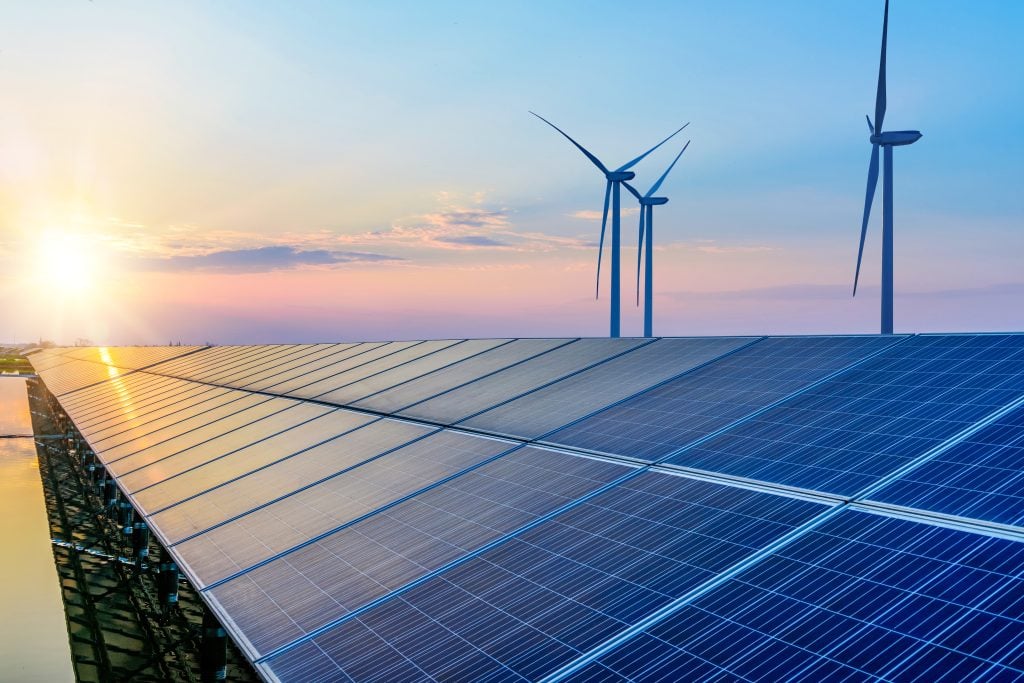
As energy costs continue to rise and environmental concerns become more urgent, homeowners are actively seeking smarter, more sustainable ways to power their homes. One of the most effective solutions is solar energy. By investing in solar panels and related technologies, you not only reduce your electricity bills but also make your home more resilient, eco-friendly, and future-ready.
This article explores how solar energy solutions can future-proof your home, offering long-term benefits in cost savings, energy independence, and environmental impact.
What Does “Future-Proofing” Your Home Mean?
Future-proofing your home means making improvements that will remain valuable and effective for years to come. This includes adopting technologies that adapt to changing energy needs, reduce dependence on traditional power sources, and increase property value.
Solar energy is at the forefront of this shift. With advancements in renewable energy technology, solar systems have become more efficient, affordable, and accessible than ever before.
Why Solar Energy Is the Smart Choice
1. Rising Electricity Costs
Electricity prices are steadily increasing, putting pressure on household budgets. Solar panels allow you to generate your own electricity, significantly reducing or even eliminating monthly utility bills. Comparing electricity plans from express energy alongside projected solar savings can provide a clearer picture of long-term energy costs.
2. Renewable and Sustainable
Solar energy is a clean, renewable resource. Unlike fossil fuels, it doesn’t produce harmful emissions, helping reduce your carbon footprint and contribute to a greener planet.
3. Energy Independence
With solar panels installed, your home becomes less dependent on the grid. This is especially beneficial during power outages or in areas with unreliable electricity supply.
Key Solar Energy Solutions for Homes
1. Solar Panels
Solar panels are the core of any solar energy system. Installed on rooftops, they capture sunlight and convert it into electricity using photovoltaic (PV) cells.
Modern solar panels are highly efficient and can generate power even in low-light conditions, making them suitable for various climates.
2. Solar Inverters
An inverter converts the direct current (DC) generated by solar panels into alternating current (AC), which is used by household appliances.
3. Battery Storage Systems
Battery storage allows you to store excess energy generated during the day for use at night or during power outages. This enhances energy independence and ensures a continuous power supply.
4. Net Metering
In many regions, homeowners can send excess electricity back to the grid and receive credits on their utility bills. This makes solar systems even more cost-effective.
Financial Benefits of Solar Energy
1. Lower Electricity Bills
One of the biggest advantages of solar energy is reduced energy costs. Over time, the savings can be substantial, especially in regions with high electricity tariffs.
2. Return on Investment (ROI)
Although the initial installation cost may seem high, solar systems typically pay for themselves within a few years. After that, the energy generated is essentially free.
3. Increased Property Value
Homes with solar installations are often more attractive to buyers. They are seen as energy-efficient and cost-saving, which can boost resale value.
4. Government Incentives
Many governments offer subsidies, tax benefits, or incentives to encourage solar adoption, making it more affordable for homeowners.
Environmental Impact
Switching to solar energy significantly reduces your carbon footprint. Traditional electricity generation relies on fossil fuels, which contribute to air pollution and climate change.
By using solar energy, you:
Reduce greenhouse gas emissions
Decrease reliance on non-renewable resources
Support global sustainability efforts
Even a small residential solar system can offset tons of carbon emissions over its lifetime.
Is Your Home Suitable for Solar Panels?
Before installing solar panels, consider the following factors:
Roof Space & Orientation: South-facing roofs (in most regions) receive maximum sunlight.
Shading: Trees, buildings, or other obstructions can affect efficiency.
Roof Condition: Ensure your roof is in good condition before installation.
Local Climate: Solar panels work in most climates, but performance varies with sunlight exposure.
A professional assessment can help determine the best setup for your home.
Technological Advancements in Solar Energy
Solar technology is evolving rapidly, making systems more efficient and user-friendly.
SolarBridge develops technologies such as hybrid inverters, Power Conversion Systems, and AI-powered energy management systems designed to improve efficiency and support smarter solar energy infrastructure.
1. Smart Solar Systems
Modern solar setups can be monitored through mobile apps, allowing homeowners to track energy production and consumption in real-time.
2. High-Efficiency Panels
New-generation panels offer higher efficiency, meaning more energy production from less space.
3. Integration with Smart Homes
Solar systems can integrate with smart home devices, optimizing energy usage and reducing waste.
4. Electric Vehicle (EV) Charging
Solar energy can power EV chargers, enabling you to run your car on clean, renewable energy.
Maintenance and Longevity
Solar panels require minimal maintenance. Regular cleaning and occasional inspections are usually enough to keep them functioning efficiently.
Lifespan: Most solar panels last 25–30 years
Low Maintenance Costs: Minimal upkeep required
Durability: Designed to withstand harsh weather conditions
This makes solar energy a reliable long-term investment.
Common Myths About Solar Energy
Myth 1: Solar Panels Don’t Work in Cloudy Weather
Fact: Solar panels still generate electricity on cloudy days, though at reduced efficiency.
Myth 2: Solar Is Too Expensive
Fact: Costs have dropped significantly, and incentives make it more affordable than ever.
Myth 3: Maintenance Is Complicated
Fact: Solar systems are low-maintenance and easy to manage.
Steps to Get Started with Solar
Assess Your Energy Needs
Evaluate Your Roof and Location
Choose a Reliable Solar Provider
Compare Costs and Incentives
Install and Monitor Your System
Working with experienced professionals ensures a smooth and efficient installation process.
Partnering with a trusted commercial solar provider can help homeowners choose scalable systems for long-term savings.
Final Thoughts
Future-proofing your home is no longer just about aesthetics or space—it’s about sustainability, efficiency, and long-term savings. Solar energy solutions offer a powerful way to achieve all three.
By investing in solar panels, battery storage, and smart energy systems, you can take control of your energy consumption, reduce costs, and contribute to a cleaner environment. As technology continues to evolve, solar energy will only become more efficient and accessible, making now the perfect time to make the switch.
In a world where energy demands are constantly growing, choosing solar is not just a smart decision—it’s a future-ready one.

Waseem khan is a passionate multi niche writer with a focus on delivering high quality contents and reviews on the latest trends.