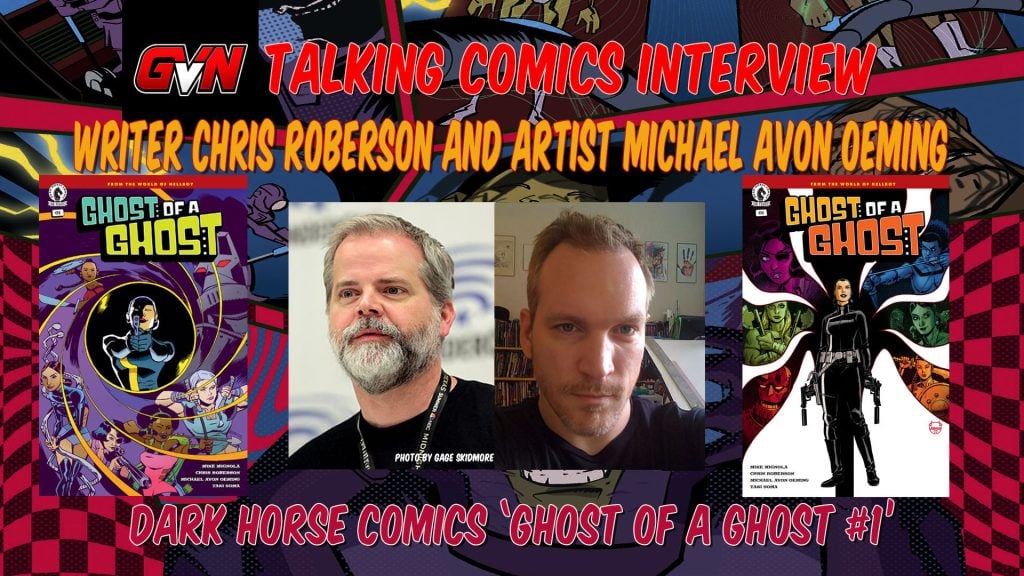
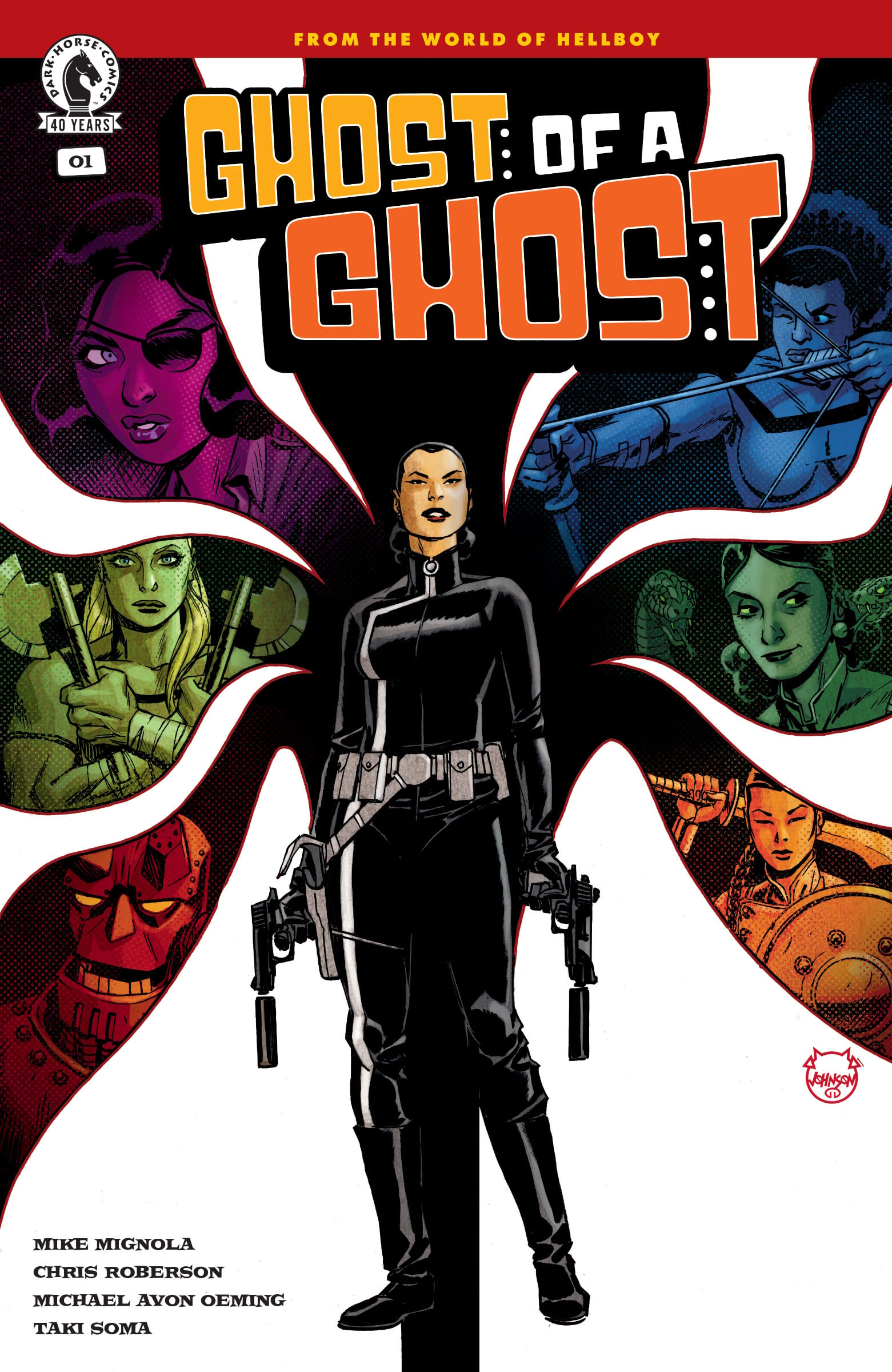
Mike Mignola’s Hellboy Universe has always thrived on the strange corners. Hidden missions, the forgotten agents, and stories that flicker just outside the main path. With Ghost of a Ghost #1, writer Chris Roberson and artist Michael Avon Oeming return to that shadowy frontier. This 60s-era spy-fi thriller expands Mike Mignola’s world in a bold new direction. Following Agent Jian after her breakout appearance in Giant Robot Hellboy, this debut issue blends covert-ops intrigue, supernatural tension, and the unmistakable pulp energy that defines the Hellboy mythos.
Roberson and Oeming combine their talents to create a dynamic, electrifying chemistry. Blending captivating storytelling, dynamic visuals, and a shared love for the unusual, the mysterious, and the stylish. Ghost of a Ghost isn’t just a new chapter; it’s a fresh tonal lane for the Hellboy Universe. One that crackles with Cold War paranoia, occult danger, and the swagger of classic spy fiction. Recently, we sat down with the duo to talk about building this new series, shaping Agent Jian’s next evolution, and carving out a corner of the Hellboy world that feels both retro and radically new.
The Spark of an Idea
GVN: Thank you both for sharing your time today. So, let’s plunge right into the action of “Ghost of a Ghost.” The saga pivots Agent Jian into a full-blown 60s spy-fi thriller. What sparked the idea to explore this corner of the Hellboy Universe, and why was Jian the perfect character to carry that tone?
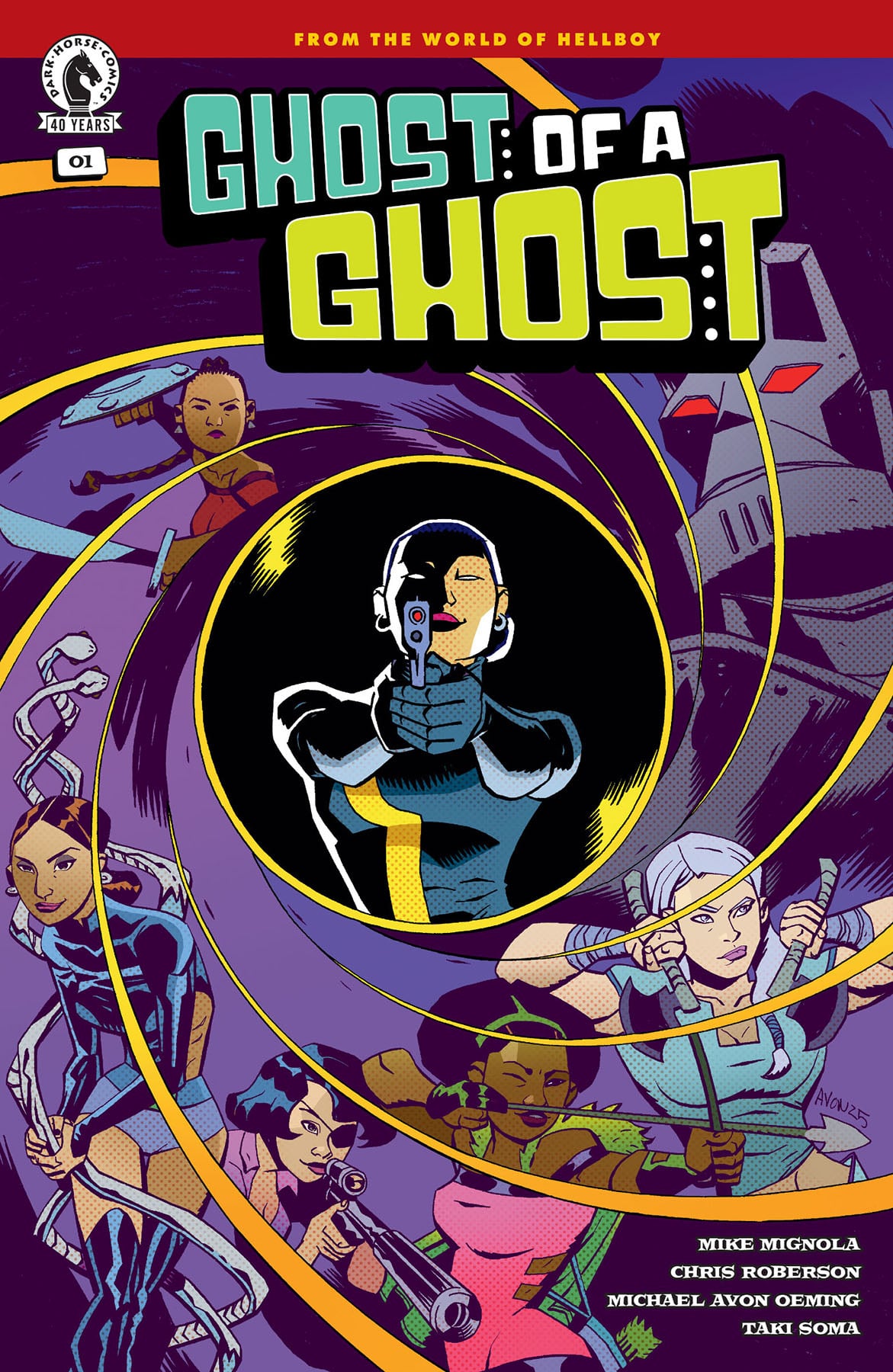
Chris: We’d done a few different storylines set during the Cold War dealing with espionage in the world of Hellboy, but we’d never really played around with the “Swinging Sixties Super Spy” vibe before now. Mike Mignola had introduced the character of Jian in Giant Robot Hellboy, and a couple of years ago he sat down with me and Mike Oeming and Taki Soma and laid out this idea for a superspy story with Jian in the lead, and I think we were all immediately onboard.
Collaborating with Mike Mignola
GVN: As always with the Hellboy Universe, you’re working as a three-creator unit with Mike Mignola. How did the collaboration flow between writing, art, and world-building, and what unique strengths did each of you bring to this project?
Chris: Every project that we do in the world of Hellboy tends to be a little different in terms of the creative process. Some of them start out as an idea that Mignola brings to the table, and other times it’s something that I’ve come up with and brought to him and our editors, but Ghost of a Ghost was unique in that it was something that Mike had worked out in his head from beginning to end, at least in the broadstrokes, and then it came into focus over the course of a long running conversation that he had with me and Oeming. And while we were figuring out the plot and getting a rough idea who the other characters would be, Oeming was working up sketches and ideas, and that funneled back into the plot that we were working out and so on.
Michael: I gotta say, one of the best days of my professional life was a few years ago, when we announced Shadow of the Golden Crane at Rose City Comic Con during a Mignola panel. Afterward, the three of us, along with my wife Taki Soma, who would color the book, went into the “green room” section and started smoothing out the story beats and figuring out how her powers would work. We talked about the look.
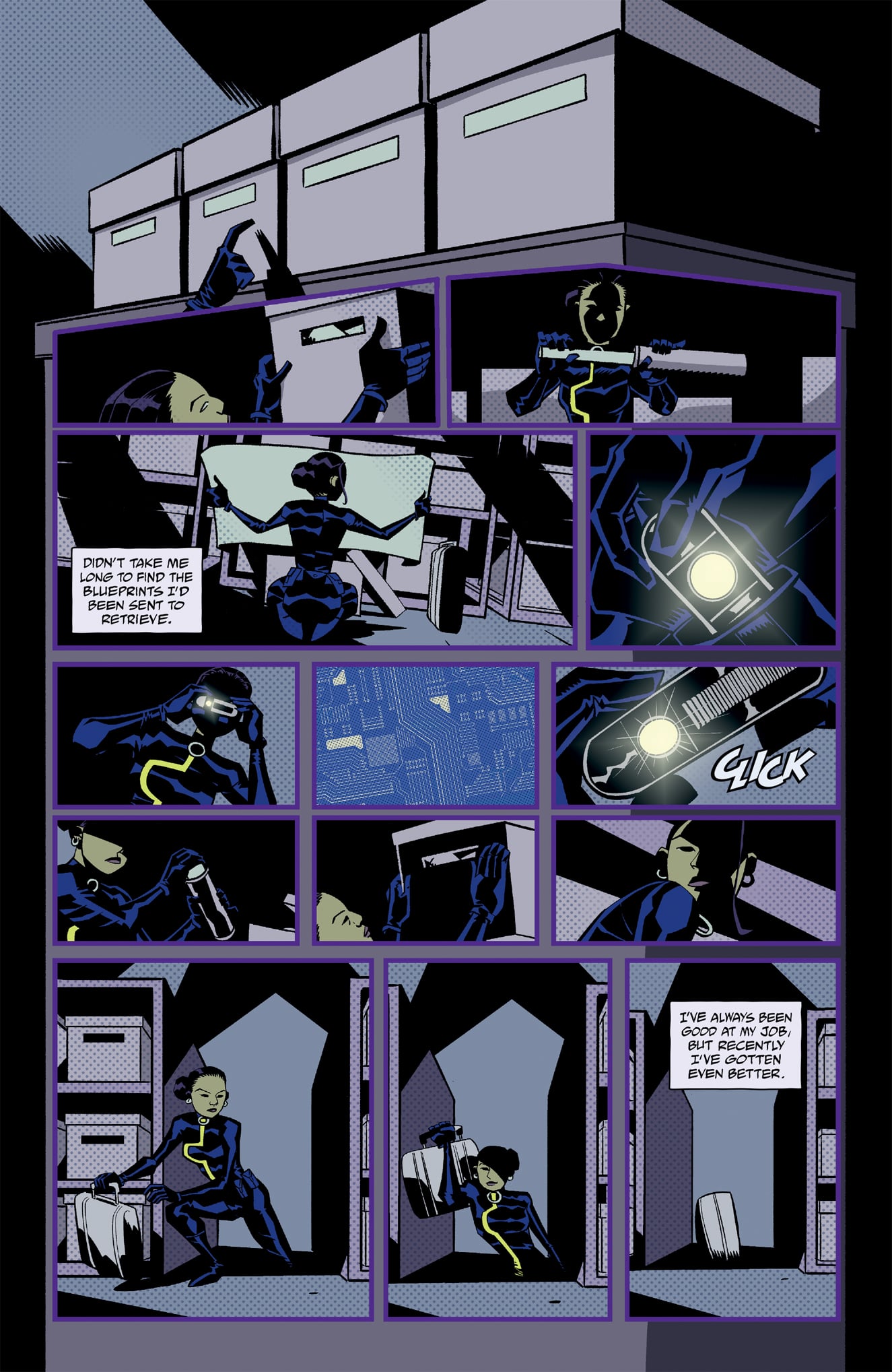
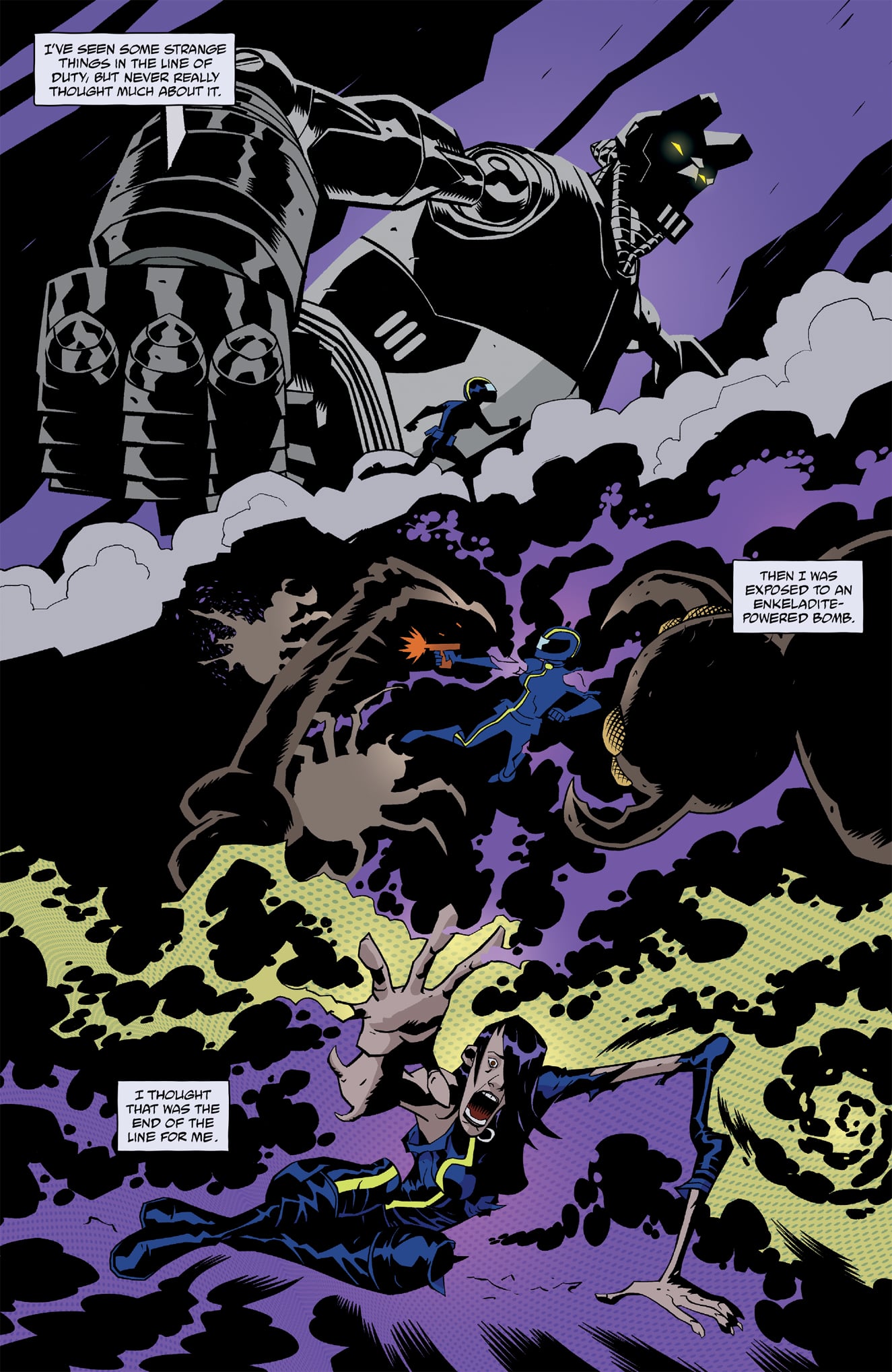
Taki and I, on Murder Inc. with Bendis, had begun to cultivate a kind of streamlined, psychedelic design to the page that I really wanted to bring to this story. Unlike most of my work with Mignola and Chris, this would be less dark, more bombastic and abstract.
I was a little nervous because when I think of Mike’s work, I think of mythology with an esoteric tone rather than neon and seizure-like patterns.
Expanding the World of Jian
GVN: Jian made a memorable debut in Giant Robot Hellboy. How did you approach expanding her character, her past, and her mission for this new series?
Chris: I think that Jian was always pretty well in focus, from that first appearance, and it was more a question of working out the world around her. We knew that she was one of a team of operatives, and very early on Oeming did some concept designs for other possible operatives and the second I saw them I started to build out the plot to make room for each of them.
Michael: For me, it was about paying homage to Duncan Fegredo’s work and design, while also making Jian my own take. I was hyper-aware that, without any planning, I was drawing three or four female Asian leads in a row. There’s a lot of layers and consideration that comes with that. In the end, I just had to concentrate on Jian in the vacuum of a ’60s spymaster.
I leaned into her leadership role with these other women, who were all very much conventions of ’60s spy films, and very quickly she became a character I loved. She leans into problems. She’s got a bit of James Bond and Captain America in her.
Funny, I kept wondering what she would be doing as an older woman during the later Hellboy years.
Artistic Inspirations
GVN: I love the look of this first issue. The book evokes a strong Steranko psychedelic vibe reminiscent of his “Agents of Shield” stories, fully embracing the 1960s spy-fi style in its design, pacing, and attitude. What visual and narrative influences contributed to the era-specific feel of “Ghost of a Ghost”?
Chris: I’ll let Mr. Oeming field this one, as that vibe was present from the very first development pieces he did when we were still brainstorming the series.
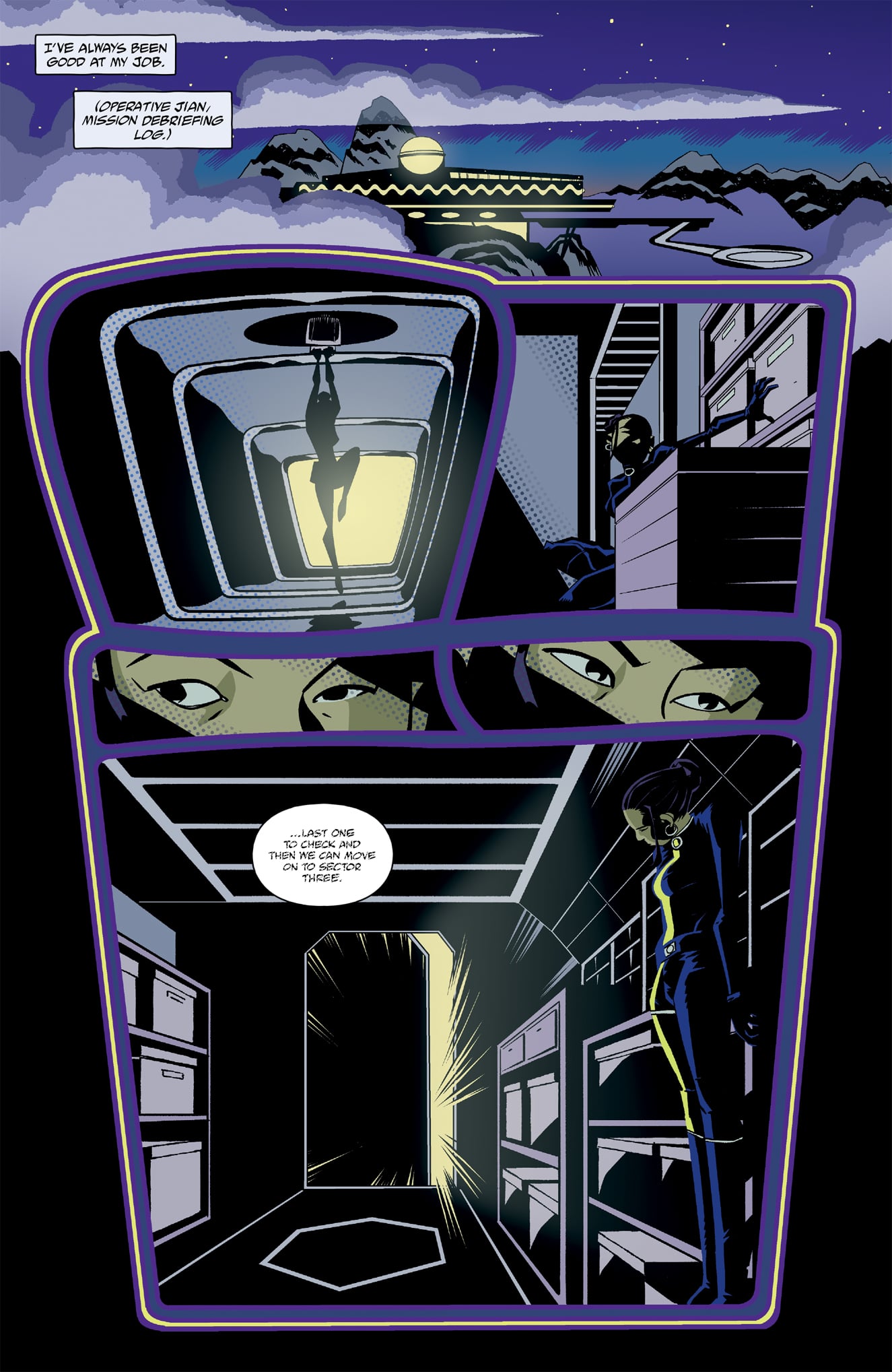
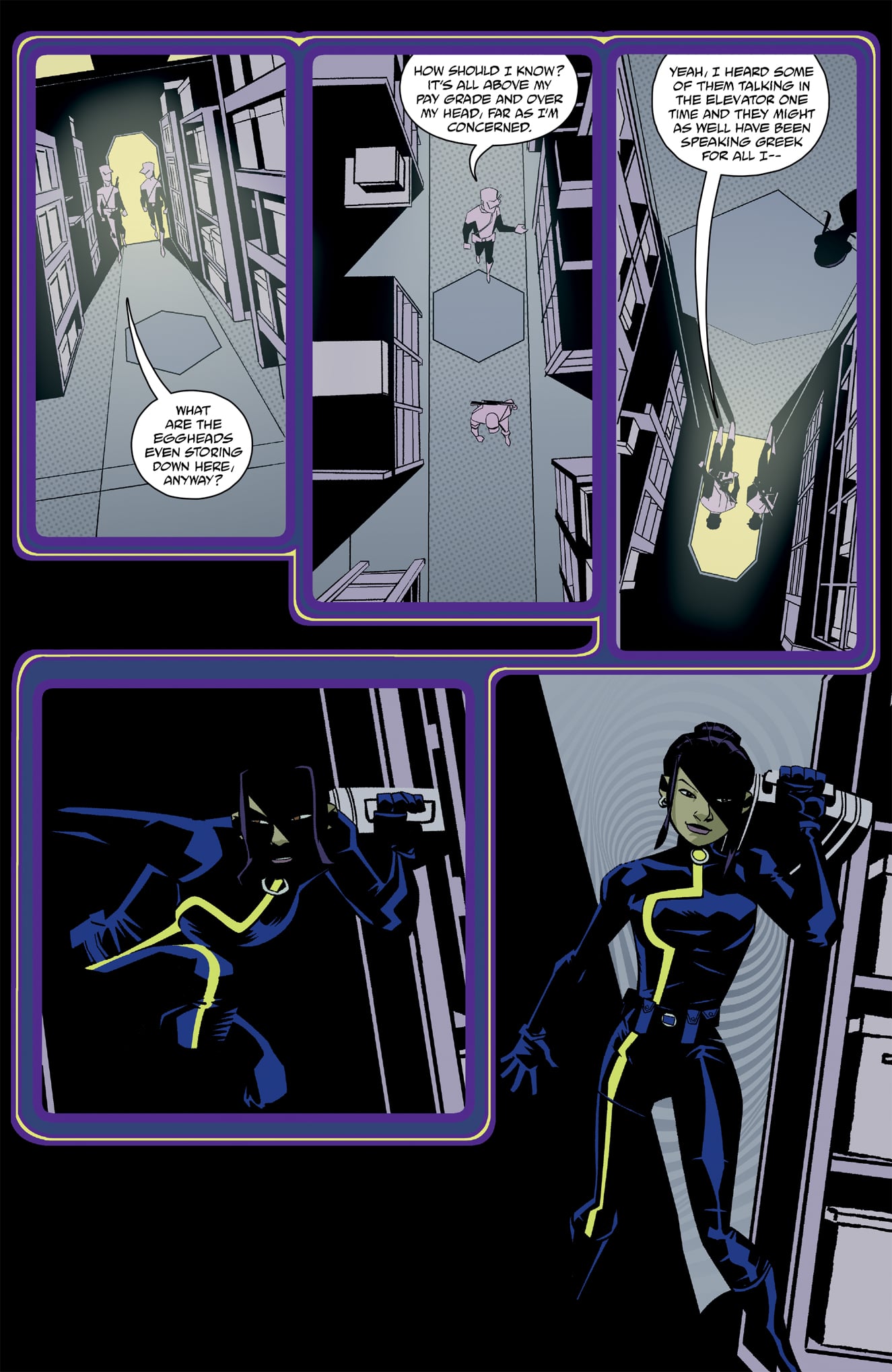
Michael: Taki and I had so much fun looking into “Retro Future” designs from the ’60s and ’70s, all the curved shapes, pushing ideas of everyday objects outside of the box. The “Googie style” design was a big influence too. Obviously, Steranko’s use of patterns and design was a huge influence as well.
There was also an interesting thing where I had schedules clash, and multiple deadlines meant I couldn’t focus on the pages the way I wanted to, so I leaned heavily on my instincts, often hitting strange page designs and styles that came straight out of my id. In a way, the comic became a sort of artistic Rorschach test. “Why did I make choice so and so? I don’t know, I just did it.” And in a way, that’s better than thinking too hard. At least for me.
“Hellboy isn’t just ONE Thing”
GVN: The Hellboy Universe is known for folklore, monsters, and occult history. How did you balance those elements with the sleek, covert-ops energy of a spy thriller?
Chris: The great thing about the world of Hellboy is that it isn’t just one thing. Mignola and his collaborators over the years have played around with all sorts of different genres and subgenres, in different cultures and historical epochs, and so layering in Swinging Sixties Super Spy is more of a difference of degree than of kind, a different mode for exploring parts of that world that we hadn’t seen before now.
Michael: I thought of the shadow work, “groovy” design vibe as being the opposite side of the same coin as designing for an occult or mythological vibe. Shadows, double exposures, the zippatone dot effect can all express an emotion the same way darkness and color can in a book like Hellboy or Shadow of the Golden Crane. I love saying things about mood or tone with layouts or design, as much as I would with characters and body language.
Shadows and Layouts
GVN: Michael, your art has a bold, kinetic rhythm that fits espionage storytelling. What stylistic choices did you make to capture the tension, secrecy, and surreal danger of Jian’s mission?
Michael: Shadows do a lot to build tension and with Jian having “shadow powers” I was able to lean into that quite a bit. I love using layouts, let the panels build a rhythm to create a moment or foreshadow excitement, usually by using an almost grid-like pacing before exploding into an open page or weird layout, like turning a page upside down or into a maze.
Readers Take on Issue#1
GVN: Thanks again, gentlemen, for chatting with us. Finally, what do you hope readers take away from Ghost of a Ghost #1, and how do you see this series shaping future stories within the broader Hellboy Universe?
Chris: This series has been a ridiculous amount of fun to work on, and I think we’ve come up with something that we haven’t seen before but that still fits in perfectly alongside all of the other stories we’ve told in that world over the years.
Michael: I really enjoyed using the double-exposure images to spotlight characters and moments. I always have fun making a page feel like a maze, carrying the reader’s eye through it. But I wouldn’t do that with just any page, so I reserved it for moments when Jian needed to navigate through space, making the reader navigate the page along with her. Taki’s colors did a lot to express these ideas and help tell the story through color.
What Chris Roberson and Michael Avon Oeming deliver with Ghost of a Ghost is a reminder. Examples of why the Hellboy Universe continues to thrive. It expands not by repetition, but by discovery. Their debut issue pushes into a stylish, shadow-lit corner of Mignola’s world where Cold War paranoia meets supernatural espionage. Along that path, Agent Jian emerges with the weight, mystery, and momentum to carry an entire new branch of the mythos.
Our chat with Roberson and Oeming makes it clear this series is built with intention: a love for pulp storytelling and a fascination with the unseen missions of the B.P.R.D. It also shows a commitment to giving readers a fresh experience without losing the DNA that makes Hellboy stories resonate. As Ghost of a Ghost #1 arrives, fans get not just a new adventure, but a new lens — one that promises danger, style, and secrets waiting to be unearthed.

Senior Writer at GeekVibesNation – I am a 60 something child of the 70’s who admits to being a Star Trek/Star Wars/Comic Book junkie who once dove headfirst over a cliff (Ok, it was a small hill) to try to rescue his Fantastic Four comic from a watery grave. I am married to a lovely woman who is as crazy as I am and the proud parent of a 21-year-old young man with autism. My wife and son are my real heroes.