
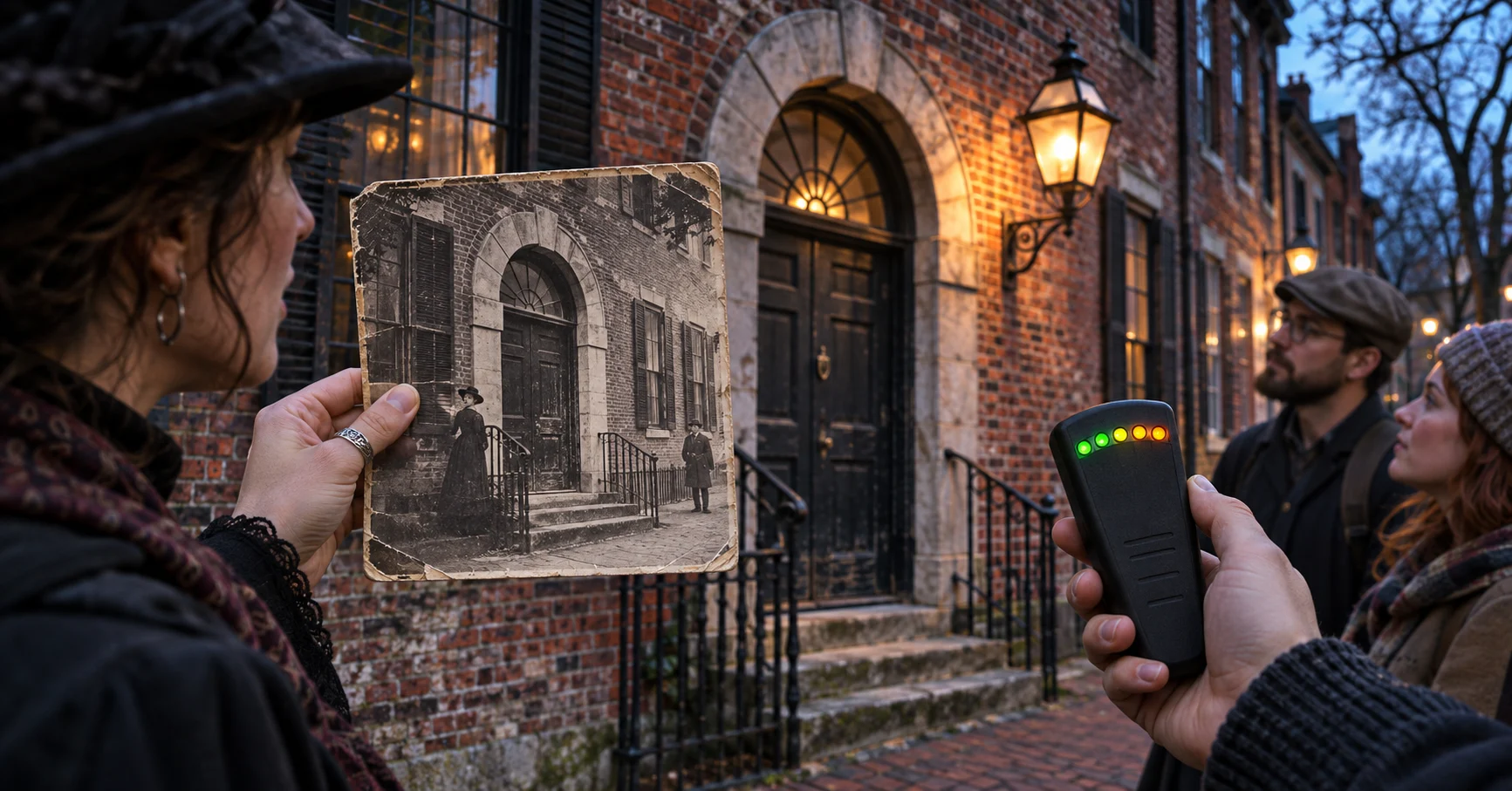
Ghost tours have long relied on a simple formula: a knowledgeable guide, a historic location, and a collection of unsettling stories. But today’s haunted-history experiences are evolving beyond traditional walking tours, introducing technology that allows visitors to investigate, explore, and interact with local legends in new ways.
From electromagnetic field (EMF) detectors and digital archives to GPS-guided audio tours and mobile booking platforms, technology is changing how travelers engage with haunted destinations. These innovations are particularly appealing to younger, tech-native visitors accustomed to interactive entertainment and personalized experiences.
The result is a new generation of ghost tours that combines centuries-old folklore with modern convenience. Rather than replacing the human element, technology can make historical storytelling more accessible, immersive, and engaging.
Bringing Historical Research Into the Digital Age
Behind every compelling ghost story is a location with a history worth exploring. Increasingly, tour operators can draw upon digitized newspaper archives, historical photographs, census records, and other online resources to uncover the people and events behind local legends.
Digital research tools allow historians and storytellers to compare historical accounts, verify dates, and investigate stories that might otherwise have been forgotten. They also help distinguish documented events from the folklore that developed around them.
Historic Jennie Wade Birthplace: Interactive Ghost Hunting
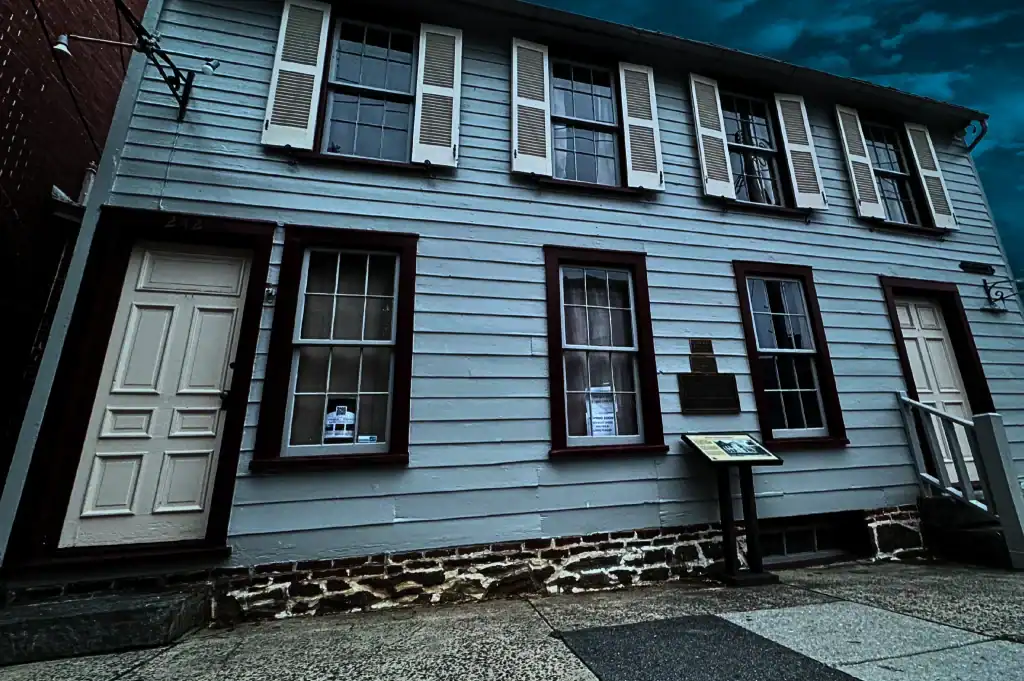
Consider Gettysburg, Pennsylvania, where Civil War history and ghost stories have become inseparable parts of the local tourism experience.
At the Historic Jennie Wade Birthplace, visitors can explore the childhood home of Mary Virginia “Jennie” Wade, the only civilian killed directly by gunfire during the Battle of Gettysburg. The property offers self-guided historical experiences featuring period-appropriate displays, educational stations, and interactive elements that help visitors understand civilian life before the Civil War.
These experiences demonstrate how historical interpretation can move beyond simply reading a plaque. Visitors can engage with a preserved setting, explore the stories of its former occupants, and develop a deeper understanding of the events that shaped the property.
After dark, visitors can participate in guided ghost hunts inside the historic residence. Participants receive ghost-hunting equipment and explore the property in small groups while a guide shares historical accounts and reported hauntings.
Rather than listening passively, guests become active participants in the experience. They can examine their surroundings, operate investigative devices, and compare observations with other members of the group.
The property also offers an overnight investigation experience, allowing guests to explore the house at their own pace after ordinary visiting hours.
For younger travelers familiar with interactive games and immersive entertainment, this format offers an appealing combination of historical exploration and hands-on discovery.
The technology adds another layer of suspense, but the building’s documented history remains the foundation of the experience.
Ghost Daddy: Turning Haunted Travel Into an Interactive Adventure
Mobile technology is also expanding the ghost-tour experience beyond individual destinations. The Ghost Daddy: All Things Haunted app combines haunted travel discovery, interactive features, and digital collectibles in one platform.
One of its central features is a digital Haunted Passport, which allows users to record visits to participating haunted locations, collect stamps, earn points, and unlock rewards.
The concept introduces elements of gamification into historical tourism. Rather than treating a ghost tour as an isolated activity, travelers can build a collection of experiences across multiple destinations.
The app also includes ghost-hunting games and tools, such as an EMF meter feature, electronic voice phenomenon (EVP) recording, a spirit word generator, and camera-based effects. These features encourage visitors to interact with their surroundings while exploring haunted locations.
Additional content includes ghost stories, historical information, podcasts, and destination guides.
The appeal for tech-native travelers lies in convenience and participation. They can discover haunted attractions, explore related content, and plan additional experiences from their phones.
Mobile booking further simplifies the process, allowing travelers to move from discovering an interesting location to arranging a visit without navigating multiple booking systems.
The Lizzie Borden House: Technology Meets True Crime
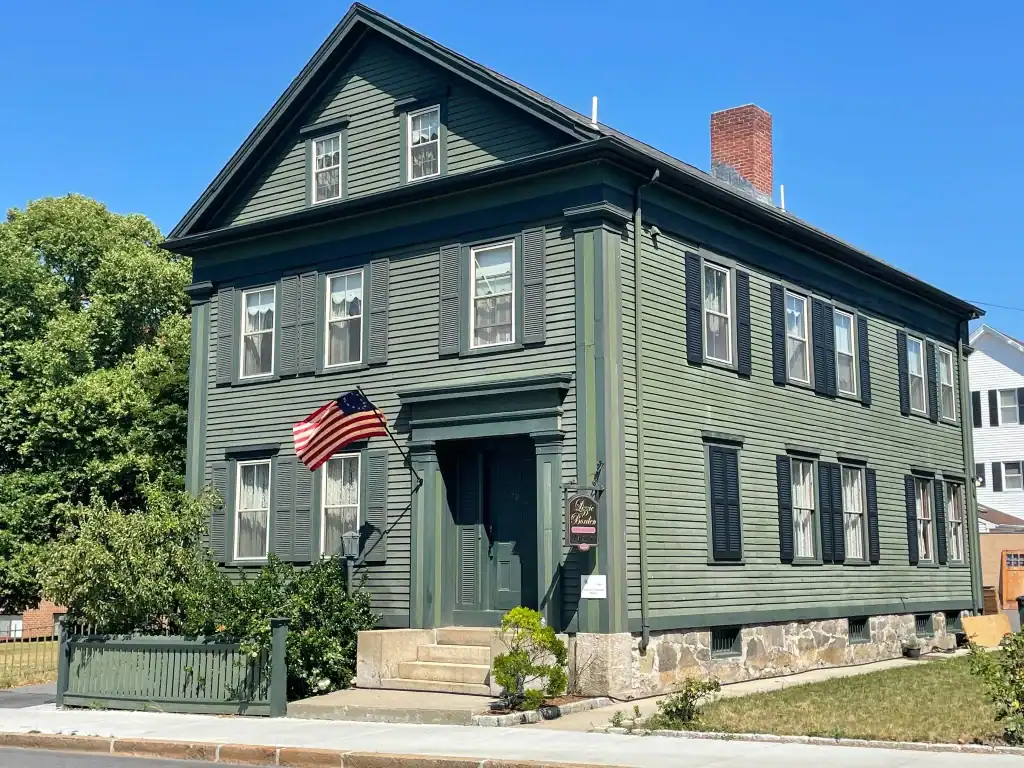
Few American properties demonstrate the intersection of haunted history and interactive investigation quite like the Lizzie Borden House in Fall River, Massachusetts.
The house became infamous following the 1892 murders of Andrew and Abby Borden. Although Lizzie Borden was tried and acquitted, the crimes remain officially unsolved.
Today, the historic residence offers daytime house tours, evening ghost tours, and guided ghost hunts. During the two-hour ghost-hunting experience, participants investigate areas including the first floor and basement, using equipment provided by the property.
Devices may include EMF detectors, REM pods, laser grids, and other investigative tools. Guides demonstrate how to operate the equipment before guests begin exploring the dimly lit rooms.
The experience transforms a famous true-crime destination into an interactive mystery. Visitors aren’t simply hearing about the murders or the house’s reported hauntings. They’re exploring the physical setting while using tools associated with contemporary ghost hunting.
The house also offers an unguided overnight basement investigation for visitors who want a more independent experience.
Although investigative devices cannot establish the presence of spirits, they provide an entertaining way to engage with the environment, observe unusual readings, and discuss possible explanations.
For many guests, the combination of historical intrigue, atmospheric surroundings, and hands-on investigation is what makes the experience memorable.
US Ghost Adventures: Making Ghost-Hunting Equipment Accessible
Specialized equipment once associated primarily with dedicated ghost-hunting enthusiasts is becoming more accessible to casual tourists. US Ghost Adventures offers EMF detector rentals on its walking tours, allowing guests to experiment with one of the most recognizable tools in ghost hunting.
EMF detectors measure electromagnetic fields, which can originate from electrical wiring, appliances, and other environmental sources. Ghost hunters commonly use them while investigating locations associated with reported activity, although unusual readings do not scientifically demonstrate the presence of spirits.
Other equipment used in organized investigations can include audio recorders, motion-sensitive devices, and laser grids.
These tools change the relationship between visitors and their surroundings. Instead of merely listening to a guide describe an allegedly haunted building, participants can observe their environment and share what they notice.
An unexpected meter reading or unexplained sound can become a conversation starter, adding suspense and allowing visitors to discuss the possible causes.
Villisca Cemetery: GPS-Guided History at Your Own Pace

Not every modern haunted-history experience requires a live guide or specialized investigation equipment. In Villisca, Iowa, visitors can explore local history through the Villisca Cemetery: Tombstone and Town Tour, a GPS-guided audio experience available through the Junket app.
The tour combines narrated storytelling with photographs and video, allowing visitors to explore historical locations at their own pace.
Villisca is widely known for the unsolved 1912 axe murders of eight people inside the Moore family home. The cemetery and surrounding town provide additional historical context for visitors interested in the community’s past.
GPS-guided tours offer several advantages. Travelers can choose when to begin, pause to examine a location, and spend additional time at places that capture their interest. They also provide an alternative for visitors who prefer independent exploration or cannot attend a scheduled walking tour.
Unlike traditional group experiences, self-guided tours allow travelers to control the pace while still benefiting from curated historical narration. For destinations with limited tour schedules, this technology can make local history accessible to a wider audience.
The Future of Haunted Tourism Is Both Digital and Human
Technology is changing how ghost tours are researched, marketed, booked, and experienced. Digital archives support historical accuracy, mobile platforms simplify travel planning, and interactive equipment encourages visitors to engage more closely with historic locations.
Yet the most important element of a memorable ghost tour remains the story itself.
An EMF detector might create an intriguing moment, but a knowledgeable guide explains why a particular building matters. A GPS-guided recording can lead visitors through a historic cemetery, but thoughtful research gives meaning to the names carved into its headstones.
Travelers these days seek experiences that combine entertainment, exploration, and technology. Modern ghost tours offer a compelling alternative to passive sightseeing.
The future of haunted tourism may involve more apps, interactive equipment, and digital experiences, but its greatest attraction remains timeless: the opportunity to stand where history happened and wonder what mysteries might still be waiting to be discovered.