Table of contents:
- Introduction: The Stakes of the Multimodal AI Battle
- Round 1: Image Generation (Nano Banana AI vs DALL-E)
- Round 2: Video Generation (Google Veo 3 vs. OpenAI Sora 2)
- The Core Rivalry: Ecosystem vs. Specialization
- The Pricing and Professional Battleground
- Conclusion: The Real Reason for the Fight
Get into the AI contest! We’re tearing down the fundamentals between Google’s Nano Banana AI (for images) and Veo (for videos), against their OpenAI competitors DALL-E and Sora. This is one hell of a fight. From how hard Google Nano Banana AI pushes with all its smooth gimmicks, to how OpenAI sticks with sheer force, let’s dive in.
Introduction: The Stakes of the Multimodal AI Battle
The contest begins in earnest. Google pits its Nano Banana AI and Veo against DALL-E and Sora 2 from OpenAI. This is more than a display of features; it’s a battle over who gets to own your creative process. Will you choose dedicated tools from OpenAI or bundled solutions from Google? Google wagers on integration through Mixboard. OpenAI bets on achieving the best available quality within specific domains. Google’s plan is to keep everything integrated and consistent. That delivers results fast. No messing around tweaking this or that component—Google Mixboard glues it all together.
OpenAI? They seem to prefer specialization. DALL-E does images; Sora 2 handles video, turning static pictures into videos extremely well. But is that enough? Google Nano Banana AI connects very smoothly. The connection gets even better with Nano Banana 2! For ease of use, some creators, at least, might stay locked up inside Google Mixboard. This is a war that matters. Work fragments. Google Nano Banana AI and Google Mixboard are trying to make that right, while OpenAI’s DALL-E and Sora 2 insist you stitch the bits yourself—bloody annoying if you ask me.

Round 1: Image Generation (Nano Banana AI vs DALL-E)
The contest begins with still images. We check out quality and how well they survive repeated editing cycles. Google Nano Banana AI versus DALL-E. The important things? Raw output and sticking to the prompt.
Fast comparison table:
| Feature | Google Nano Banana AI (Pro) | OpenAI DALL-E (Competitor) | Winner/Strategy |
| Consistency | High: Ace at multi-turn edits; keeps character same. | Moderate: Drifts a bit on each tweak. | Google Nano Banana AI (Pro focus on consistency). |
| Fidelity/Speed | Fast 4K native output. | Good quality, but upscale needed for 4K. | Tie, but Google edges on ready-to-use. |
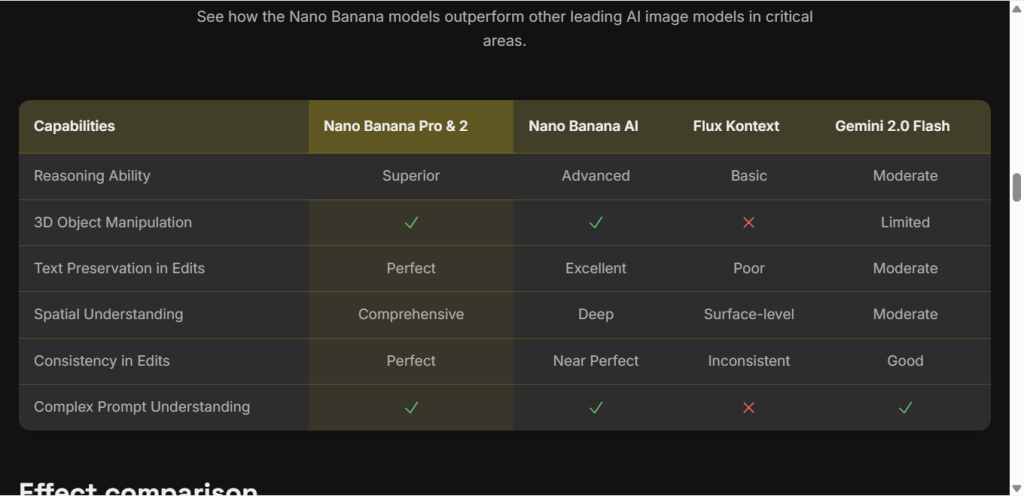
Google Nano Banana AI wins on holding the line—consistency. Nano Banana 2 cranks that even higher. DALL-E has trouble with drift. You change a prompt, and suddenly faces start shifting dramatically. Not great for pros.
- Example: User prompts a robot mascot.
- First go: Basic robot.
- Second edit: The background changes, but Google Nano Banana AI keeps the face exactly the same.
- Third: Change pose, still the same bot.
- Fourth: Tweak colour, no drift.
- Fifth edit: Spot on.
DALL-E? Each edit gives a slightly new robot. Bloody frustrating for design work. This is where Google Nano Banana AI shines in iterations, plus it lets you swap assets easily with Mixboard, and now Nano Banana 2 adds speed. OpenAI’s DALL-E has flash, but lacks glue. Google Nano Banana AI is targeting the professional market—those who work with and edit large volumes of material. Nano Banana 2 just makes that more precise. DALL-E is fine for one-offs, but in a workflow? Google Mixboard integrates better. Sarcastic nod to OpenAI: nice try, but sometimes steady wins over showy.
Round 2: Video Generation (Google Veo 3 vs. OpenAI Sora 2)
With video, stakes get higher. We test for realism, length, and how well different scenes stick within a single output video file. On technology, OpenAI’s Sora 2 leads. Google Veo fights back with flow.
- OpenAI’s Sora 2: Best for those long clips, up to one minute. Handles physics and things staying in place. Single prompt magic. Bloody impressive raw power.
- Google’s Veo: Wins via Google Mixboard link. Turn Google Nano Banana AI images into videos seamlessly. Ease over pure sim. Nano Banana 2 enhances asset handoff.
- Example case: Control versus raw creation. Designer grabs a Google Nano Banana AI character. Via Google Mixboard, prompt Veo: “Animate this exact chap walking.” Veo nails it on control. Sora 2, on the other hand? Prompt “Animate a person walking.”
Highly realistic, but not related to any previous image. Google Nano Banana AI and Google Mixboard take the upper hand in workflow. Conversions become faster in Nano Banana 2. Sora 2 owns photorealism. But pros need workflow. Google Veo integrates with Google Nano Banana Pro. Google Mixboard is the secret sauce. Nano Banana 2 pushes video tweaks. OpenAI’s specialization? Fine, but stitching Sora 2 to DALL-E feels clunky. Google’s setup saves time. Bloody smart move.

The Core Rivalry: Ecosystem vs. Specialization
At heart, it’s philosophy. Best tool wins. Google and OpenAI have totally different approaches right now—and let’s get to what those approaches actually are, because it defines so much of this current era in AI product development. Google’s Mixboard binds everything new from inside its ecosystem: Nano Banana 2, plus Veo, plus future additions, all stay one step ahead with smooth handoffs and consistency across text, image, and video. OpenAI pumps extreme resources into making DALL-E the best image generator and Sora 2 the ultimate video creator.
The Pricing and Professional Battleground
Money talks in this war. Both chase pro users’ cash. Google Nano Banana AI Pro tier: $19.99 a month. You pay for consistency perks. Reuse assets fast. It targets big visual shops where recycling matters. Nano Banana 2 adds value to that sub. OpenAI pushes API use. That drives costs via models. The battle is for reliable multimodal bases for apps. Google Mixboard throws in some ecosystem perks. Google Nano Banana AI comes dirt cheap. More enterprise dev deals are thrown on the table with Nano Banana 2. OpenAI offers specials by the drink. Who wins? Whoever is less of a pain in the ass. They pay for throughput. Google Nano Banana AI and Google Mixboard provide that. The subtle jab at OpenAI? Specialization is swell, but so many bills without glue. Nano Banana 2 tips it over for enterprise.

Conclusion: The Real Reason for the Fight
Creativity is shot to pieces. Google and OpenAI are both trying to put it back together again, hurling scraps at one another in the process. The winner is the one who handles text-to-image-to-video best. Google Nano Banana AI comes out strong at the opening. Google Mixboard acts as glue against specials from OpenAI. Nano Banana 2 defines which approach wins: Do creators choose a smooth workflow or chase after best-in-class tools? Google’s bet is on integration, OpenAI’s bet is on quality. Bloody exciting to watch unfold. Google Nano Banana AI challenges DALL-E hard. Veo takes on Sora 2. Google Mixboard could clinch it. In the end, Google’s ecosystem through Google Mixboard could dominate. Nano Banana 2 pushes the pros that way. OpenAI’s DALL-E and Sora 2 fight back with raw edge. But integration wins wars sometimes.

Madeline Miller love to writes articles about gaming, coding, and pop culture.