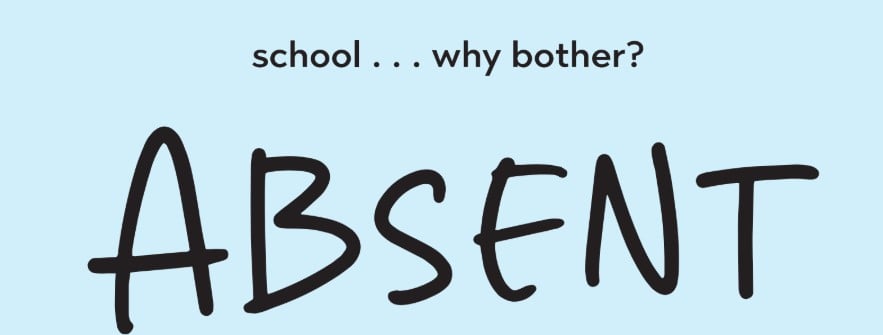
Author Rex Ogle stops by Geek Vibes Nation to talk about his latest project for young readers, Absent. He discusses his inspirations, the challenges of writing a mixed- format novel, and unpacking the biases around absenteeism in the school environment.
GVN: Hello Rex! We always love talking to you over here at Geek Vibes Nation. Can you tell us about your upcoming book, Absent?
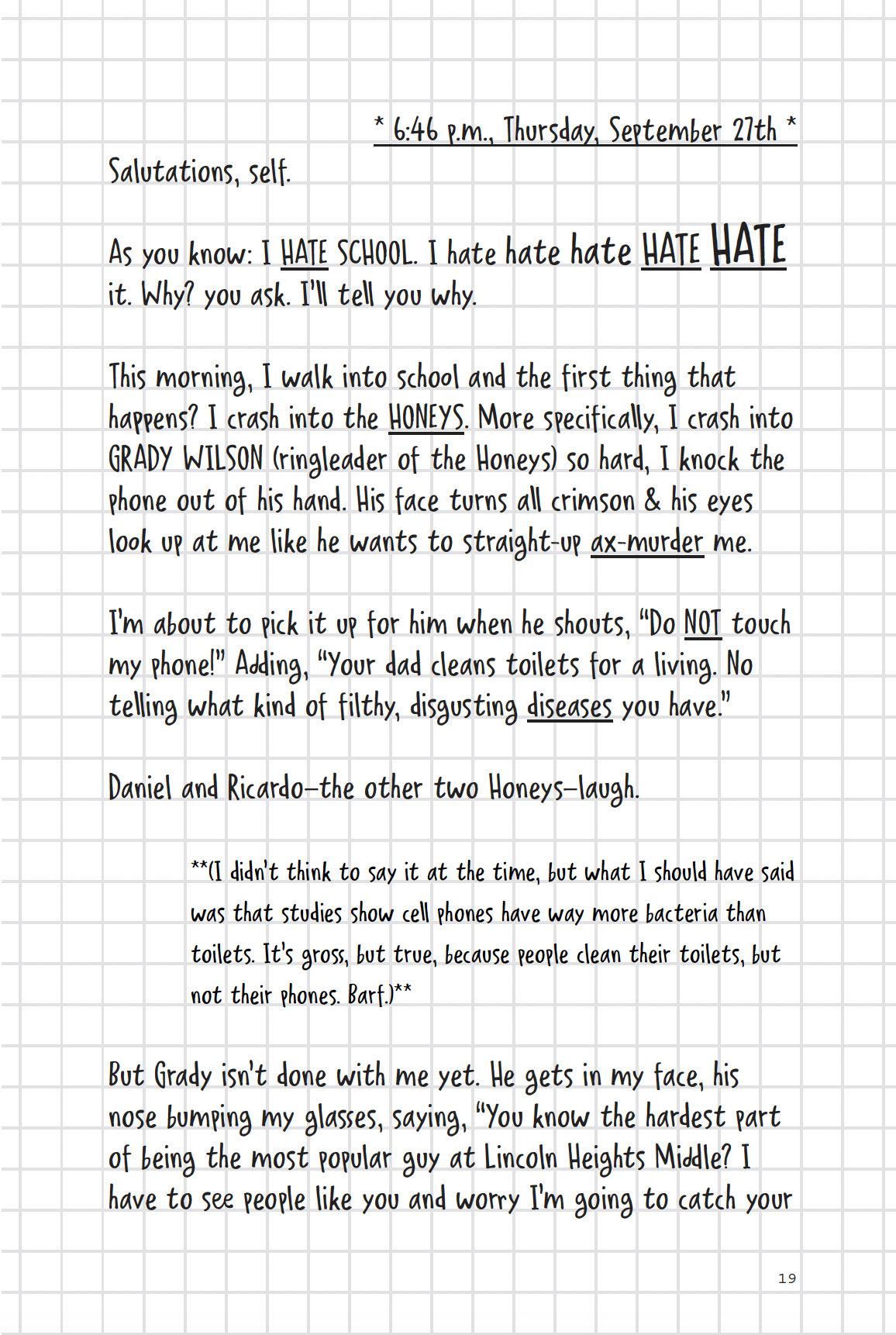
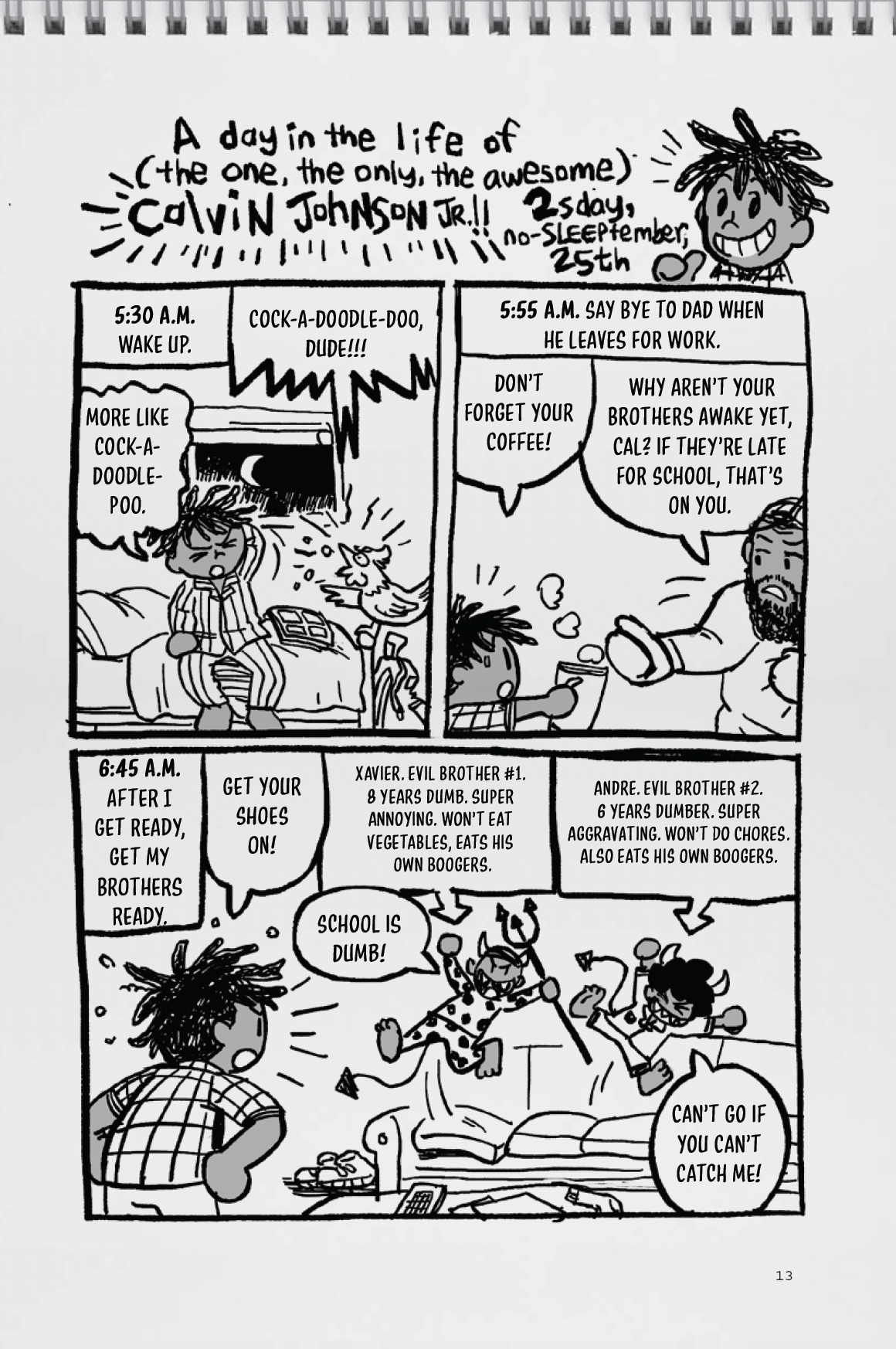
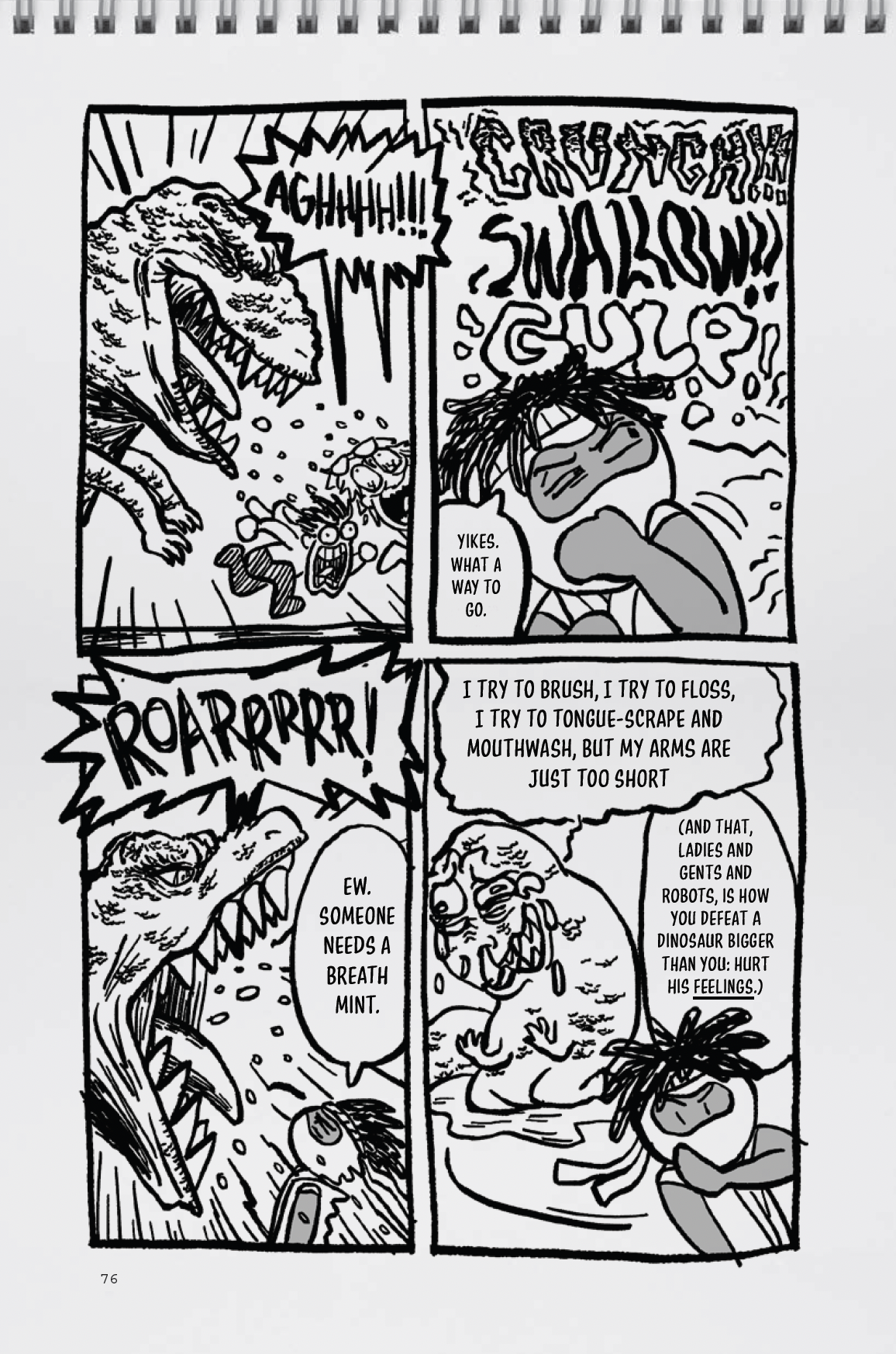
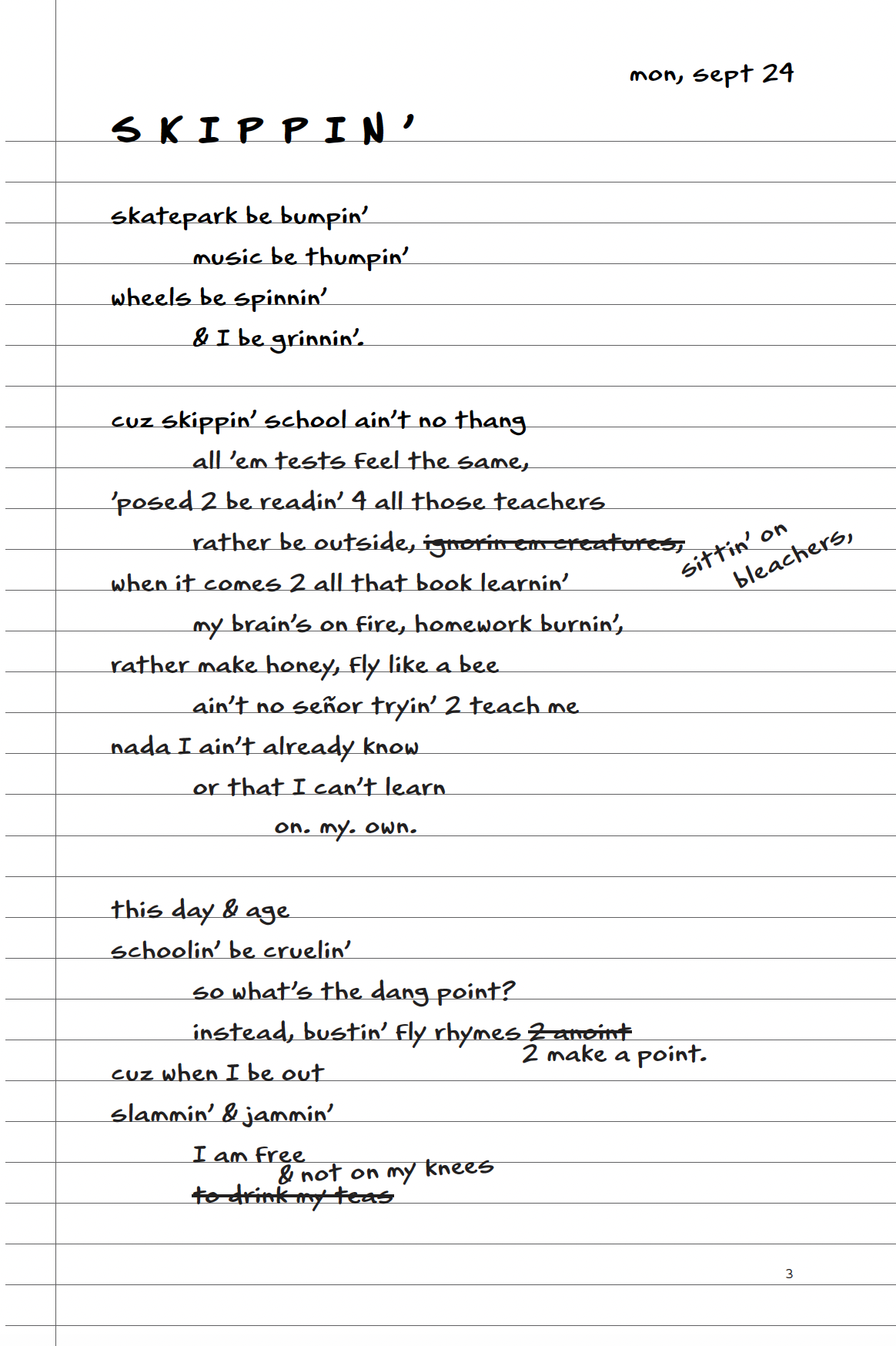
And I love being here! Thanks for having me. Absent follows three disparate boys living under the poverty line who are skipping school, each for a different reason. Manny’s father is in jail and he feels like he doesn’t have a teacher who likes him, so instead of school, he goes to the skateboard and writes rap lyrics like his idol Tupac. All Calvin wants to do is draw comics, but his single dad makes him prioritize his two younger brothers over everything else—including his own education. And Liam plans to be a doctor one day, if he survived the bully who torments him to the point of having panic attacks and hiding in the library storage closet. My favorite aspect of the book is that each kids’ POV is shown through a different format: Manny through verse, Calvin through comics, and Liam through journaling.
GVN: What interested you in challenging assumptions about why students are absent? How did your own experiences shape Manny, Calvin, and Liam while still allowing their stories to become distinctly their own?
These two questions go hand in hand. The very reason I wanted to write about kids missing school is because I was a student who missed school a lot. My teachers were often more judgy than not and I didn’t have the confidence and communication skills to be honest and explain that I had to stay home and care for my baby brother while my parents looked for work. Growing up in poverty myself, I was witness to everyone struggling for everything—work, food, rent, bills, and even getting an education. It is harder for those on the lower rungs of the society ladder, and so for me, writing this book was imperative for two reasons: one, to show educators that their absent students aren’t bad guys, they’re just born into bad circumstances; and two, to let kids know they aren’t alone in this aspect of their lives.
GVN: Throughout Absent, the boys aren’t always truly seen or understood by the adults around them. What interested you in exploring the difference between being present and being seen?
I suspect this is a widespread problem in our education system. As budgets are slashed so that our government can sponsor wars around the world, less and less students are getting a true quality education. Instead, teachers are underpaid, overworked, and spend more time being social workers than teaching kids anything besides what they need to pass standardized tests. Not only are students victims of a corrupt capitalistic system, so are the educators. Kids who make it school, who are present in class aren’t necessarily seen. A teacher only has so much bandwidth, and when their classes grow from twenty students to forty students, it leaves them less time to help each and every student. This means a lot of youth with great potential either fall by the wayside or give up themselves. It’s a devastating reality and one that needs to be discussed on a broader scale.
GVN: Manny tells his story through verse, Calvin through comics, and Liam through journal entries. How did you decide which storytelling form belonged to each character?
That was probably the easiest part of conceiving the book. I knew Manny loved Tupac, and Calvin loves comics, so those were easy. Only Liam gave me an issue because I couldn’t decide what his deal was. At one point I had him writing a movie script about his life, but it felt all wrong. When I realized he wanted to be a doctor due to his mother’s past, it all came together in the form of a journal.
GVN: Were there any challenges to writing a story in such a unique way? How did you handle those challenges?
Oh, 100%! I’ve written stories with multiple protagonists which is hard enough. But when each one tells their story in a different way, I ended up doing mental gymnastics to figure out the story. I started my outline in an excel spreadsheet, then I wrote the first draft all the way through, then went back and revised it one story/one student at a time to make sure it all worked.
GVN: All three boys use creativity to process what they’re experiencing. What interested you in using art and writing as both forms of self-expression and ways for the boys to connect?
I am a true believer that every single person out there has some special skill—whether it’s art or music or writing or sports or coding. When we’re younger, we gravitate towards it and we find a way to play with it and relish in it… it’s only when our society or our parents or bullies at school tear us down and rip us apart that we lose interest because we lose confidence in ourselves. When that happens, we lose our next generation of superstars. So it was important for me that each of the boys was already engaged with the small thing that made them happy in the face of their loneliness. I basically just based them on myself at that age. Creative writing saved me in so many ways.
GVN: Manny, Calvin, and Liam’s friendship develops through detention. What interested you in having friendship become one of the things they needed?
Friendship is something every person needs—but not every person has. I don’t think my sanity would have survived middle school, junior high, and high school without my friends. When the world is crapping all over your life, you need people who lift you up so that in turn you can lift them up. Safety in numbers I guess you could say.
GVN: Absent finds a lot of humor amid difficult subjects like poverty, incarceration, bullying, and family struggles. How do you approach balancing humor with heavier material for young readers?
I try hard to model my stories on real life. And real life is hard and it’s filled with all kinds of obstacles to overcome and lessons to learn. But along the way, there’s also sadness and laughter and joy and boredom. Life is a spectrum of emotions and experiences so capturing that in every narrative I create is beyond important to me.
GVN: Several adults initially see the boys’ behavior without understanding what’s underneath it, while others take the time to listen. What did you want to explore about the difference a supportive adult can make in a child’s life?
Manny, Calvin, and Liam gradually become more vulnerable with one another. What did you want to say about vulnerability and friendship between boys? REX: Right now, we live in a society that divided: a lot of males are becoming more gender-fluid in terms of appearances. They dress with more color, wear dangly earrings, paint their fingernails, and so on. But the other side is a world of youtube videos pushing toxic masculinity, making lonely boys feel as if the solution is to hammer their face to be more attractive and demean women to make them feel like alphas. This direction leads boys away from being good men and more towards being narcissists who care only about themselves. So for boys to truly be vulnerable with each other? It’s rare. But when it happens, it’s both beautiful and beneficial.
GVN: The burden of change doesn’t fall entirely on the boys; the circumstances around them begin to change, too. How important was it to show that adults and institutions also have a responsibility to help struggling kids succeed?
Oof. I’ll try not to step up on my soapbox again, but I’ve always been a firm believer that it’s not the job of youth to come to us when they need something. It is our responsibility as parents and caretakers and educators and our government to make sure we are raising the next generation to be the best there has ever been. And when that fails, they blame the youth. But the true responsibility should be on the adults. It is our job to meet kids where they are at. The internet and social media and the instant access of smartphones have created a generation of kids with smaller attention spans. So if they don’t want to read 300 pages of dense prose, let’s give them something shorter and more attainable: novels in verse and graphic novels. That’s the tactic I’ve taken, and it seems to resonate with young readers.
GVN: By the end of Absent, “showing up” seems to mean something larger than simply attending school. What does showing up mean to you within the context of this story?
We live in a society of distractions—sports and video games and social media and with dozens of streaming services with thousands upon thousands of choices to make that keeps you from being in this moment where you can live life and learn the lessons it has to offer.
GVN: What do you hope young readers who recognize themselves in Manny, Calvin, or Liam take away from Absent?
That whatever the circumstances you’re born into, it’s not your fault and there is nothing to be ashamed about. So keep your chin up, and learn whatever you can wherever you can.
GVN: Can you tell us about what you’re working on next?
A bunch of stuff actually. Next year is going to be a busy one with multiple books coming out: a Monster Jam graphic novel, Bubblegum Coven (which is X-Men meets Powerpuff Girls but with magic), and a novel-in-verse called American Gun, told from the cold and clinical perspective of a Glock-19 making its way across America and all the lives it touches—and destroys—along the way.
GVN: Where can our readers connect with you online?
You can find more about me and my books at www.rexogle.com or Instagram @thirdrex . I also have a pretty fun newsletter (if I do say so myself, LOL) that folks should check out for little doses of how to find joy in life: https://substack.com/@thirdrex
Absent is now available wherever books are sold.
About The Book
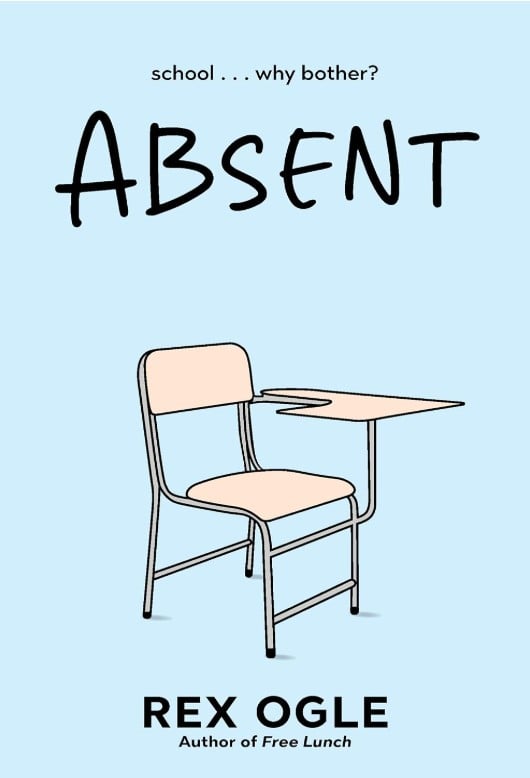
From award-winning author Rex Ogle, a mixed-format middle grade novel about three boys who skip school, told in verse, prose, and comics.
With a dad in jail and a lack of teachers interested in helping him learn, Manny doesn’t see the point in anything besides skateboarding and writing lyrics. Calvin has so many responsibilities to his father and little brothers that when his bike is stolen, he can’t make it to school on time. And while Liam is studious and wants to become a doctor, he is tormented by bullies and hides out in an unused janitor’s closet instead of going to class. When the boys are thrown together in detention, they realize that they might still have a lot to learn—not just from their teachers, but from each other.
Absent tells the boys’ stories in three distinct voices: Manny’s in verse, Calvin’s as a comic, and Liam’s as a prose journal. Printz Award Honoree and YALSA Nonfiction Award winner Rex Ogle explores school absenteeism in a compelling, entertaining, and utterly distinct novel.
About The Author
Writer. Video Essayist. Film/TV Critic. Pop Culture Enthusiast.
When he isn’t writing for Geek Vibes Nation or The Cinema Spot, Tristian can be found typing away at one of the novels or screenplays he’s been working on forever.