Superfan Podcast, Season 2
There’s something uniquely electric about a podcast built by people who don’t just love a story universe—they’ve helped shape it. That’s the energy powering Season Two of The Superfan Podcast, the deep‑dive series where fandom meets craft, and behind‑the‑scenes insight becomes its own kind of storytelling.
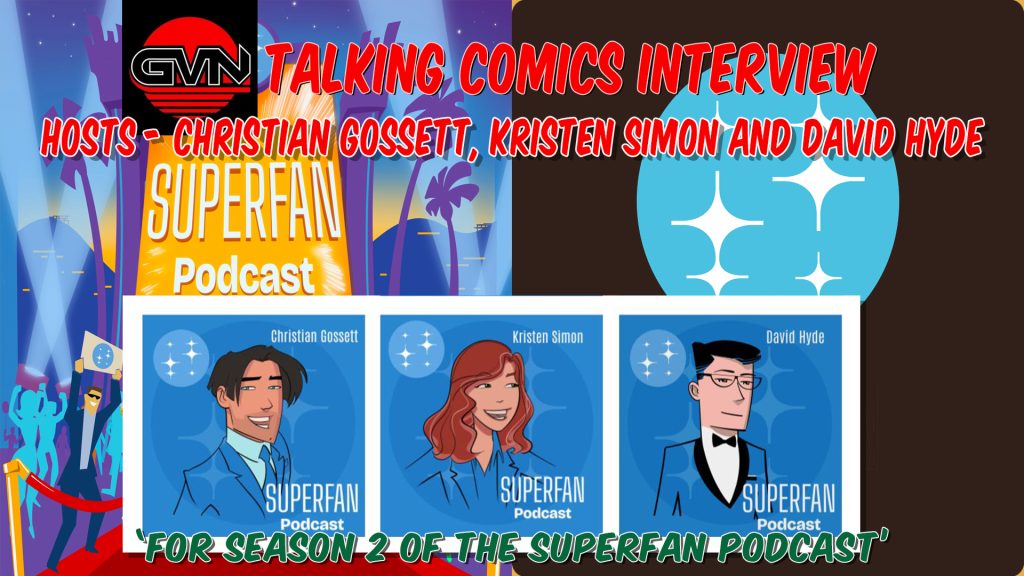
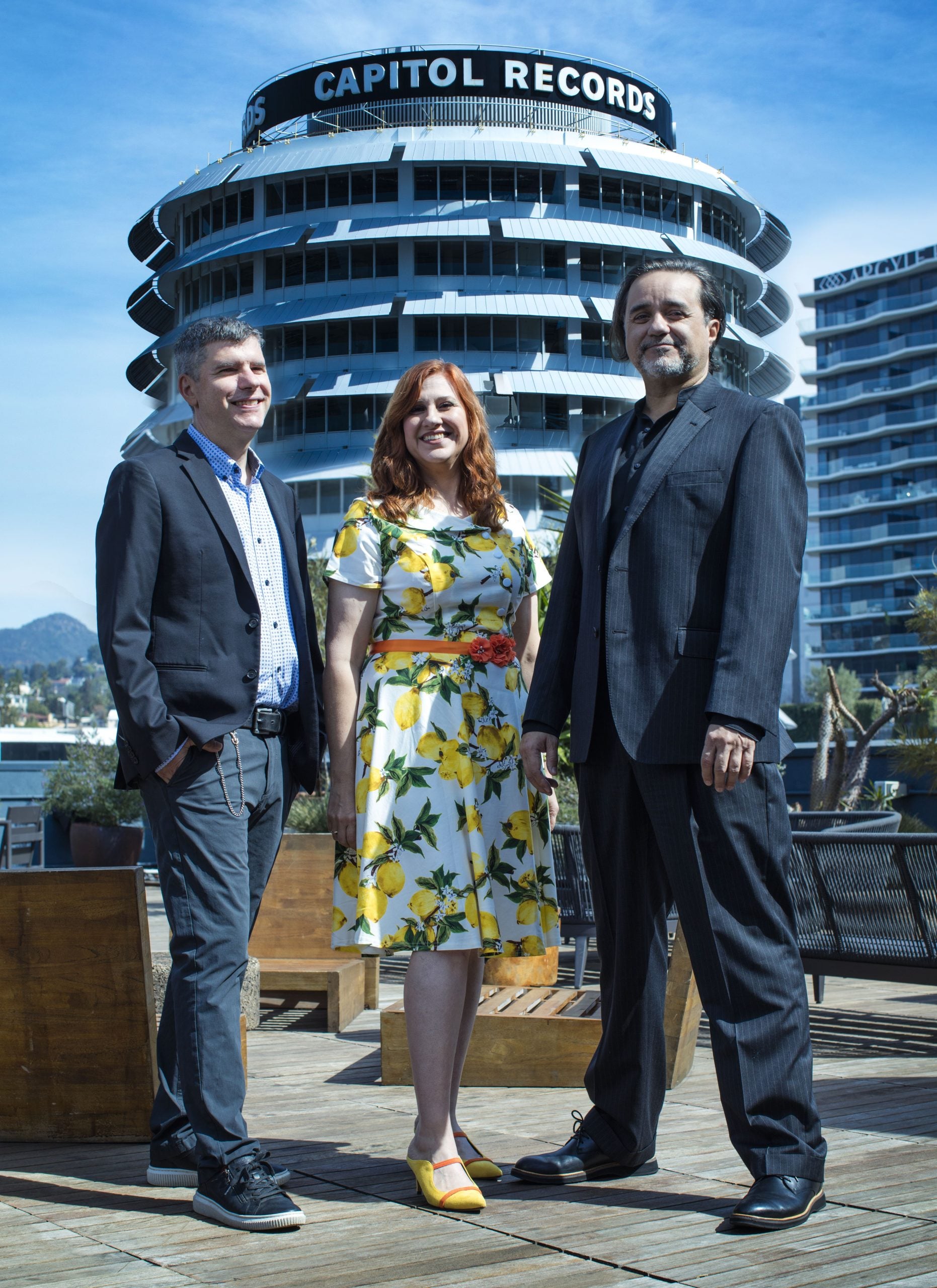
Once again, hosts Kristen Simon, a veteran editor and creative producer with a sharp eye for narrative; Christian Gossett, the award‑winning creator and director whose work has influenced generations of genre fans; and David Hyde, a longtime industry strategist and founder of Superfan Promotions, talk with creatives about their loves outside of the comic industry.
Together, they offer a unique mix of experience, curiosity, and genuine enthusiasm—turning The Superfan Podcast into more than just a celebration of fandom. It’s also a thoughtful dive into the creators’ passions outside their professions, why they matter, and what drives them to dedicate their lives to them.
With Season Two kicking off on Friday, April 3rd, we caught up with Kristen, Christian, and David to chat about how the show has evolved, the conversations that took them by surprise from the first season, and what it’s like to create a podcast that celebrates both the creators and the hobbies and the performers they’re passionate about.
Season One Lessons
GVN: Thank you for joining us again, everyone. Let’s dive in! Season 1 established The Superfan Podcast as a platform where creators, fans, and industry insiders could connect authentically. What was the most significant lesson you learned from that first season that influenced your approach to Season 2?
KS: I loved that during the first season, some of the guests were genuinely surprised that their passion and fandom for something directly fed into their creativity. We consciously looked for that connection this season, and directly asked about it if it wasn’t brought up organically. It’s so fun to see it all come together.
DH: I absolutely agree. It wasn’t a huge surprise to discover, while recording season one, that Rodney Barnes has been inspired by Stephen King – after all, most contemporary horror writers have been inspired by King’s huge body of work. And it wasn’t a big shock that Matt Kindt’s storytelling has been impacted by the spy stories of John Le Carre. But we definitely didn’t go into our conversation with Kelly Sue DeConnick about Alan Alda or Marjorie Liu about gardening, thinking we were going to talk about creative inspirations.
When we were recording season two, we definitely leaned into asking the guests if they’d been inspired by their fandom – consciously or unconsciously. It’s not like Jim Rugg’s cartooning is directly inspired by his love of wrestling, per se, but it was fun to explore the many, many connections between comics and wrestling.
CG: One reviewer noted how we let our guests speak and do not interject that often, and I like how we took that into season 2. It was natural for us to begin with, but once it was pointed out to us, we happily agreed to own it. We’re all hardened veterans of many, many, many convention panels, festival screenings, and the like, and I always enjoy it when a moderator or host knows that the show is not about them. That the audience is giving their attention because they want as much insight from the guest as they can get.
Realizing What the Superfan Podcast Is
GVN: Would I be bragging if I said that the reviewer was me? Probably so. Anyways, was there a moment in Season 1 where you thought, “Okay, this is what the show really is,” and did that influence how you built Season 2?
CG: We’ve had some wonderful, validating peeks into that feeling and these continue to inspire us, but I think that’s because we’re trusting our premise and letting it take us forward. David Baker was so helpful to us before launch, and freed us of the notion that any such observation would happen quickly, and I was reminded of that wonderful line from Ghostbusters: Frozen Empire “(the podcast) really found its voice in the 46th episode.” If you’re really committed to what you’re doing and working from a place of joy, this will ring true. Dave advised that we let it grow organically, and I couldn’t have agreed more.
KS: I felt that during our first recording with Rodney Barnes. That episode had it all. Fandom from an early age that continued into the present day, a wonderful, heartwarming interaction with said fandom, and the connection of that fandom to the guest’s writing career. That happened with several later guests, and it’s what I will search for with all future guests!
The Big Swing
GVN: When you look at Season 2, what’s the “big swing” you’re taking — creatively, structurally, or thematically, and are there elements that you felt really worked that you want to build on from Season 1?
KS: I think the big swing is the podcast itself! We’re interviewing creators about things that aren’t work-related or promotional, which is definitely unusual. We added a couple of new elements, such as a mocktail, to the cocktail/dessert segment in Season 1, and we added a Season 2 component reminiscent of “call-in” questions, which was David’s idea and is truly fun.
DH: We approached season two of the podcast kind of like it was Side B from season one. We have had a lot of conversations about how we might tweak the focus of the show in the future, but for season two, we kept the same approach: talking with the people who make the comics you love, talk about the things they love… that aren’t comics.
One thing that was different in season two is that we had our first episode with a guest that none of us had spoken with before. That was the really fun episode with Eisner-winning comic creator Erica Henderson, who talked with us about the joys of binge reading Terry Pratchett’s iconic DISCWORLD novels. Because none of us knew Erica, we couldn’t anticipate at all what direction the conversation would go in.
Talking with someone for the first time ever is a very different kind of conversation, because it’s a little harder to lead the conversation in a specific direction. But mostly season two was all about building off of what worked in season one – having in-depth conversations with creative people about the things they love. Working together, Part Deux:
Separate Backgrounds Make for Well-Rounded Conversation
GVN: You each bring a very different background — publishing, filmmaking, creator advocacy, PR. Now that you have had a season to get comfortable, how does that mix shape the conversations you have on the show?
CG: I am always pleasantly surprised when something the guest has said inspires one of us to ask a question we had not formulated in our prep. The prep is vital, no mistake, and is the foundation that allows for these happy realizations to occur, but to hear Kris or David be struck in a moment of genuine curiosity, or to get there myself, is always a highlight for me because such questions are always very reflective of who we are, and are shaped by the very contrasts between us you mention.
KS: I find that we all have different opinions on what we find fascinating about someone’s topic. I think the funniest part is when we go through the edits and have to take out all the times one of us says “wow” in response, because we get so into what’s being relayed!
DH: Our different backgrounds and perspectives absolutely impact the podcast. As a publicist, I’ve arranged a lot of interviews through the years, so I have a pretty unique perspective on what kinds of questions will resonate with writers and artists (and which questions should probably be avoided). Kris Simon’s background in editorial is so helpful because a huge part of an editor’s job is creating an atmosphere where creative people will thrive. And Gossett not only brings his amazing art and storytelling background to the podcast, but he also brings his theater and acting experience to the pod, which is super helpful.
Balancing Fandom with Professionalism
GVN: I love those answers. I am especially pleased to hear about the prep because I am a huge preparation nerd. But I love when the conversation diverges in an unexpected direction, too. My problem is not becoming TOO much of a fanboy with certain guests. (This was something I thought you did very well in Season One). How do YOU balance being fans yourselves with being professionals who’ve seen the industry from the inside?
CG: Great question. Wow. I think you’ve just articulated the question that we didn’t realize we were answering when we committed to the format: “the people who make the comics you love, talking about the things they love that aren’t comics.” By going past any creator’s current tasks, in bypassing the project that every other podcast asks them about, we create a very interesting place for our guests. More than one of them has said, “I never get to speak about this in any other podcast!” and this is a point of pride for us.
DH: One of the things that I’ve really enjoyed about both the podcast and the Superfan Signal is that they have become outlets for my own fandom. That’s not to say I’ve become a K-Pop fanatic after interviewing Maia Kobabe, but I am more inclined to express my own opinions about the things that I love.
KS: I think it’s realizing that everyone is a fan of something outside of their work, and we’re no different. I think we were asked once what topic we would pick if we were in our guests’ shoes, and that was a really fun exercise! It’s all about perspective.
DH: I have to say: I absolutely love giving people the opportunity to reflect on the things that they’re passionate about. It’s really, really rewarding to have these long conversations with creative people – whether we are chatting with Elsa Charretier about dog training or Johnnie Christmas about his appreciation of Mike Flanagan’s MIDNIGHT MASS or Paul Pope’s endless enthusiasm for guitarist and songwriter Rowland S. Howard.
What Does Being a “Superfan” Mean?
GVN: The show taps into a version of fandom that’s passionate but thoughtful — not the loudest voices, but the most invested. What does “superfan” (besides being a clever bit of subliminal messaging, David) mean to each of you now that you’ve lived with the show for a full season?
CG: It has broadened the definition of fandom for me in a very meaningful way. Everyone is a Superfan. You might worship your phone, or a musician, a sports figure, or diamonds or gold or a nation state, but you’re a Superfan of something. What’s great about comic book folks is that they accept this about themselves. They know this. They live it. They love it, and the way they love it has become infectious to the entire culture.
KS: We all started out as superfans of comics, and then it became our career. And you have to have something to focus on outside of your job, or you’ll go crazy. I think “superfan” made me realize that superfandom leads you to your career and then continues to feed it after.
DH: There’s a look of pure joy that a lot of guests have during our interviews because they have a real opportunity to celebrate their fandom. They get to really evangelize on behalf of the thing they are a fan of. Sometimes that enthusiasm extends beyond the interviews themselves, when the guests follow up after we record with another anecdote they want to share or a playlist they hope we will listen to and include in the show notes in the Superfan Signal.
Season 2 Highlights
GVN: Without spoiling anything, what kinds of guests or conversations can listeners expect in Season 2 that feel new or unexpected?
CG: A personal highlight for me was Johnnie Christmas expressing his love of a Level 42 song that was released during my senior year of High School. “Something about You” was my anthem during that sun-dappled, triumphant, glorious year. No one has ever shared my enthusiasm for it, so to have it in common with Johnnie blew me away and blissed me out.
KS: I think the Paul Pope episode really shows people what true superfandom is. We were all so wrapped up in the conversation that it went way, way longer than usual. I feel like we all heavily bonded during that episode, and we continued talking with Paul after we stopped recording.
DH: We wrapped season one of the podcast with an amazing conversation with MUTTS creator Patrick McDonell. We wrap season two of the podcast with a chat with cartoonist Elsa Charretier about her love of game-based dog training. Bottom line: if you love dogs (and you should), you will probably love the Superfan Podcast.
Final Questions
GVN: This has been a great conversation, and I want to thank you all for once again sharing some time with us. Finally, because you have been such great sports in answering as a group, I have a question for each of you.
For David: Superfan Promotions has always focused on elevating creators and fostering authentic audience connections. In what ways does the podcast carry that mission forward beyond what traditional PR can achieve?
DH: At the end of the day, Superfan Promotions and the Superfan Podcast are completely different beasts, but they do have two fundamental, core goals in common. They’re both built to nurture community and start conversations.
I launched Superfan Promotions thirteen years ago, and it’s been an incredibly rewarding experience working with the Superfan Promotions crew – Pamela Mullin Horvath, Hanna Bahedry, and Dustin Holland – as we promote writers and artists and filmmakers and art galleries and art festivals. And when we meet with a new client for the first time, I will often say to the client that they shouldn’t think about the work we’re doing together as marketing. Because no one wants to be marketed at. But people do want to have a conversation – especially if it’s an authentic and thoughtful conversation about art.
One of the reasons the podcast works as well as it does is because no one – neither the co-hosts nor the guests – are approaching what we are doing as marketing or promotion, it’s an excited conversation with some very interesting people talking about things they don’t usually have the opportunity to talk about in public.
GVN: Your turn, Kristen and Christian, how has working on the podcast changed the way you think about creator‑fan relationships or the industry at large?
CG: It has given me great respect for the work itself. Which is funny, considering the podcast is about anything but the work. But isn’t it, though? When the subject is something a guest loves, it inevitably reveals a beautiful aspect of the compulsion that makes them express that love as art. And, every day, the result of this process, the work itself, is a message to countless fans out there, and lets them know they are not alone.
KS: I had previously met or worked professionally with the majority of our guests, but there were a few I was meeting for the first time, and I was a little nervous! I can’t think of a better introduction than having a conversation with them about something they really love. I feel like I have gained access to creators in a way few people do upon first meeting. In one hour (sometimes more) of truly pleasant conversation, I find out about family, childhood experiences, influences, upbringing, you name it. Our industry is teeming with ridiculously unique and amazing creatives, and they all get their inspiration from being fans of something. It reminds me of the trope “we’re not so different, you and I!”
GVN: That’s a great sentiment and one we need to be reminded of these days. Thanks again, folks. Really looking forward to Season 2.
Episode 1 of Season 2 of Superfan Podcast is available on Friday, April 3rd. You can learn more by clicking on their logo.

Senior Writer at GeekVibesNation – I am a 60 something child of the 70’s who admits to being a Star Trek/Star Wars/Comic Book junkie who once dove headfirst over a cliff (Ok, it was a small hill) to try to rescue his Fantastic Four comic from a watery grave. I am married to a lovely woman who is as crazy as I am and the proud parent of a 21-year-old young man with autism. My wife and son are my real heroes.