The Sundance Film Festival is where you go if you want to delight in the miracle of discovery. When you want your first look at the talent who will be creating and starring in your favorite films and television shows in the coming years, you need not look any further. The narrative features at Sundance are often the ones that move us the most deeply in any given year, yet it is the documentary programming that might hold the most impressive and enlightening array of features ripe for discovery. From life-affirming looks at inspiring individuals to harrowing explorations of global atrocities, the festival curates a selection of films that you will be talking about for years to come. Any veteran of the festival can tell you how easy it would be to make a schedule consisting only of documentaries and have the time of your life.
You do not have to take our word for it; all five nominees for Best Documentary Feature at this year’s Academy Awards debuted at Sundance a year ago.
The festival kicks off today in Utah and runs through February 1st for 11 days of bold storytelling in Park City, Salt Lake City, and online. Geek Vibes Nation is covering the festival once again, so you can expect reviews, interviews, and more from our team of passionate cinephiles. As festivities are kicking off, here are the team’s personal recommendations for the documentaries you should have on your schedule based on what they have seen. Be sure to keep a close eye on these; you never know what might be popping up during awards season later this year!
Joybubbles
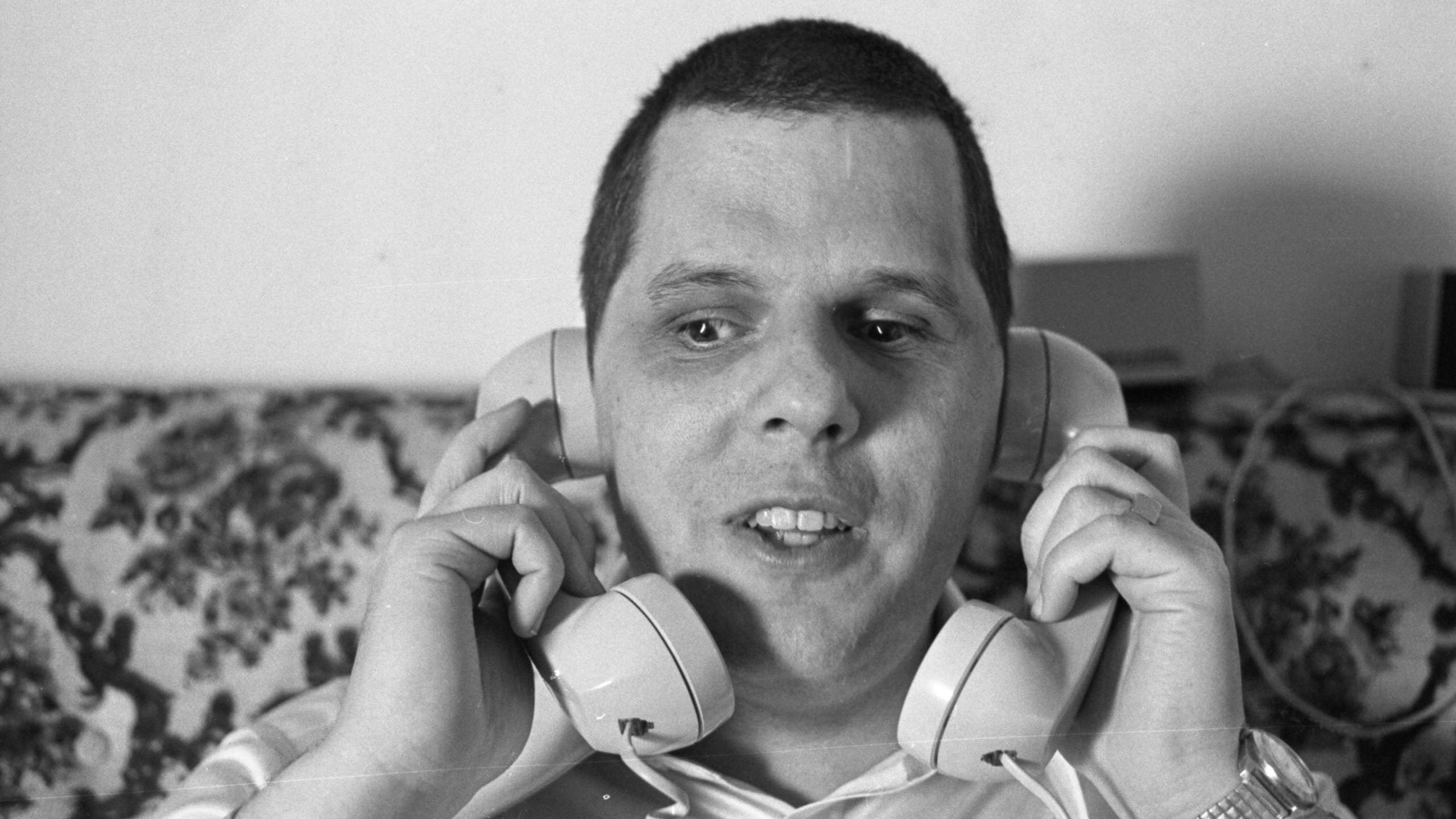
As smart as you may think you are, documentaries have a very special way of coming around and exposing you to people, communities, and concepts that you had no idea existed. Did you know that there once was a subculture of people who developed ways to hack the phone company simply by manipulating tones, enabling people to make free long-distance calls? You would be forgiven if this is news to you. Thankfully, you can learn all about it in Rachael J. Morrison’s new documentary Joybubbles. More specifically, you can learn about Joe Engressia, a kindly man born blind who could whistle his way to free phone calls, allowing him to connect to the world at large. Morrison shares the unbelievable story of the man who would eventually take on the titular moniker of Joybubbles. Through his yearning for connection, he created a legacy that radiates joy and hope. – Dillon Gonzales
Jaripeo
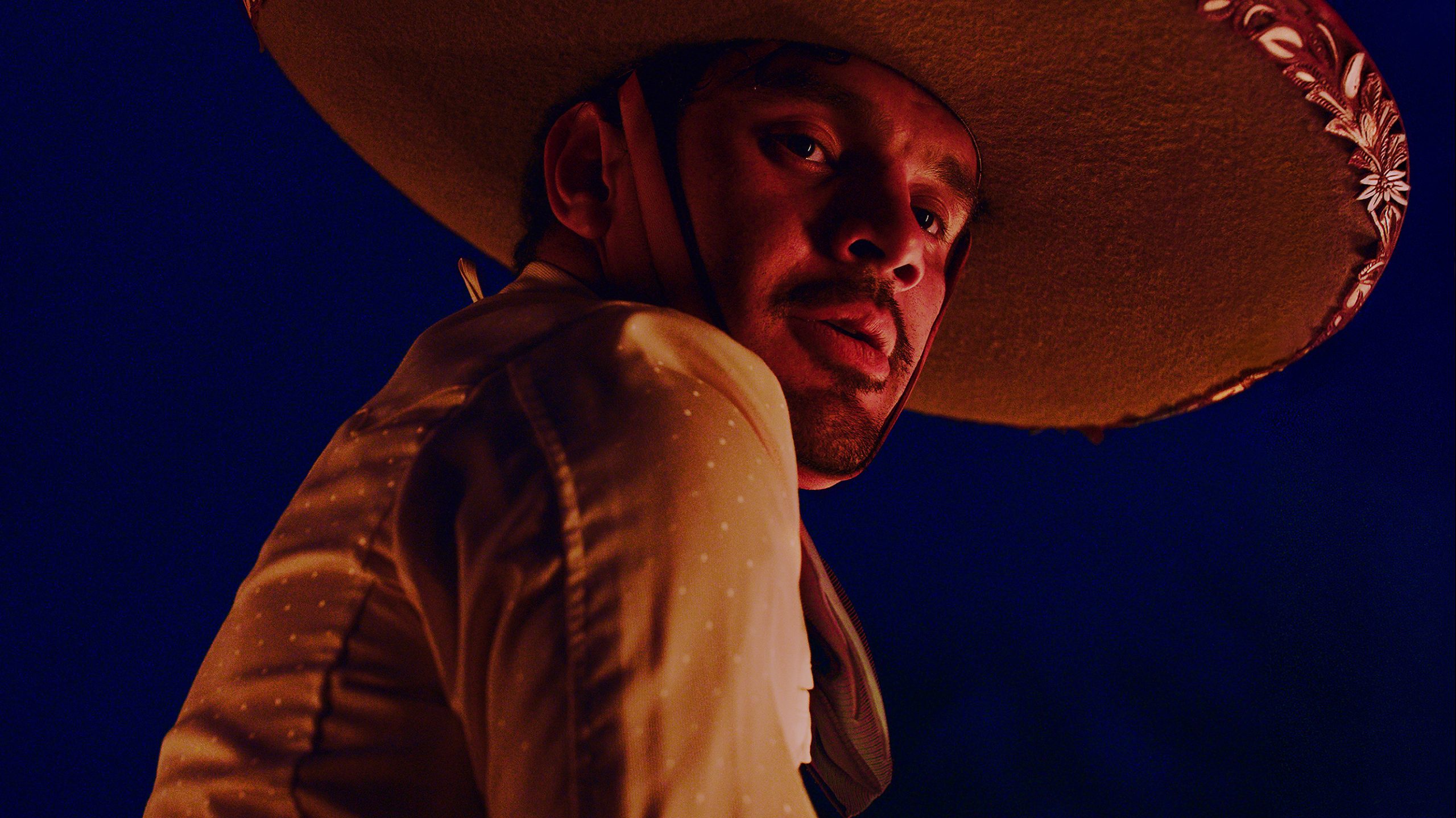
This documentary from filmmakers Efraín Mojica and Rebecca Zweig looks beneath the surface of the annual, Christmastime jaripeo celebrations in Penjamillo, Michoacán, situating the central Mexican rodeo within the queer context. Mojica, both a protagonist and a codirector on the film, embeds themselves within this environment, appearing both in front of and behind the camera alongside other cowboys who become central figures in this part reality/part fantasy tale. Structured as a hybrid documentary, the project moves between queerness, machismo, and cowboy culture, using a mix of Super 8 footage, stylized recollections, and observational sequences. The filmmakers blend cinéma vérité with more impressionistic elements, framing the rodeo as both a physical spectacle and a space where questions of identity, catharsis, and belonging surface. By positioning itself inside a tradition often viewed from the outside, the film offers an intimate perspective on a community rarely documented in this way, and almost impossible to gain access to under regular circumstances. – Jaylan Salah
Who Killed Alex Odeh?
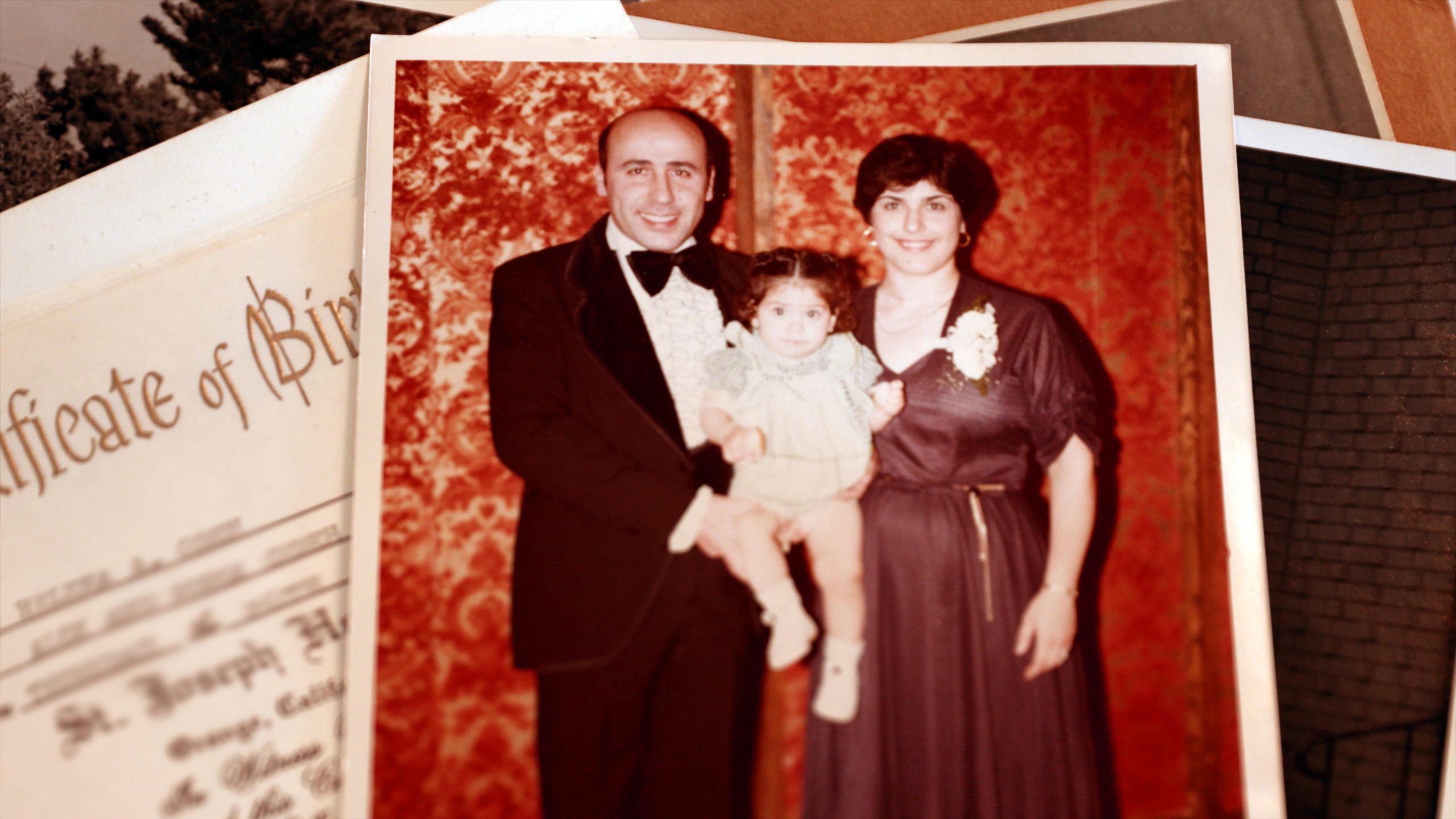
Sometimes a movie’s title sells a film more eloquently than a block of text ever could. Alex Odeh was a beloved Palestinian American activist in Southern California, and he was killed by a tripwire bomb placed in his office in October 1985. Despite compelling evidence, the case was never solved, and the search for justice has continued over the past 40 years. As the fervor around the case catches fire once again, filmmakers Jason Osder and William Lafi Youmans, a Jewish American and a Palestinian American, guide viewers through a gripping and surprising labyrinth of revelations and confrontations. The film not only attempts to bring closure to the uncertainty surrounding its titular subject, but it shines a spotlight on extremist ideology that is scarily prescient in the modern landscape. In a year of great documentaries, this one will be hard to shake. – Dillon Gonzales
Public Access
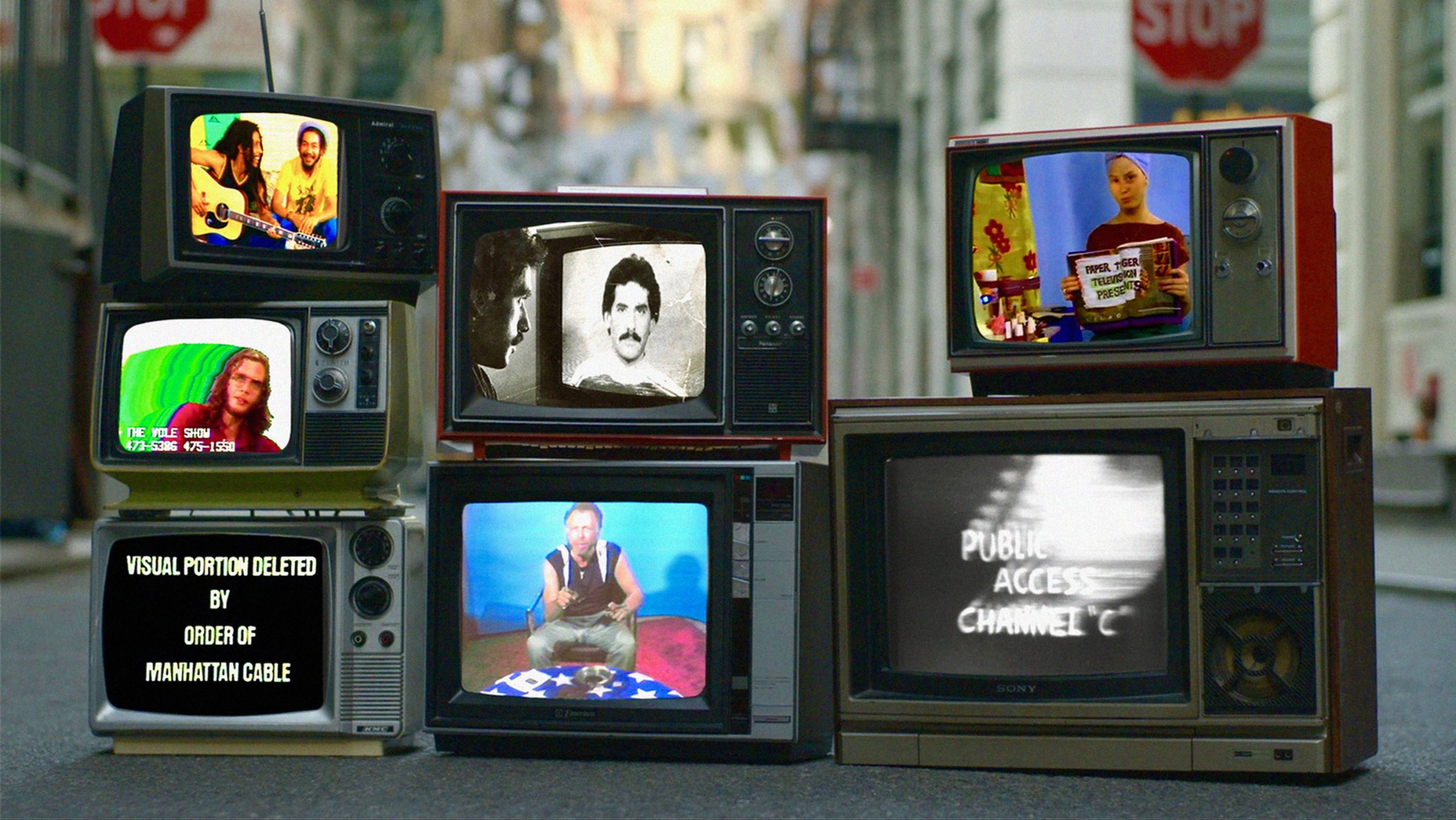
Public Access is one of those rare documentaries that makes you feel nostalgic for a freedom that you still have. In the 1970s, New York was the center of public access television, with a crew looking to fill their screen time, accepting tapes from anyone brave enough to put themselves out there. A channel that is a curated collection of segments filmed by those within the city, ranging from call-in shows to late-night adult programs. Public Access questions what we believe are acceptable forms of expression for the public to consume, and the lengths those in power will go to with their censorship.
It reminds us of the importance of standing up for our freedom of speech, a timely subject for today, and what happens when that freedom is jeopardized. With public access channels being some residents’ only option for entertainment, the creation of these channels changed the landscape of television forever. It examines how deeply people yearn for community and the many ways Americans choose to express themselves when given the opportunity. A documentary that is equally touching and raunchy in its subject matter, showcasing an exciting new frontier for artists, politicians, musicians, and everyone in between to navigate. It makes for an educational and often hilarious viewing experience that will inspire generations to be innovative. – Megan Loucks
Closure
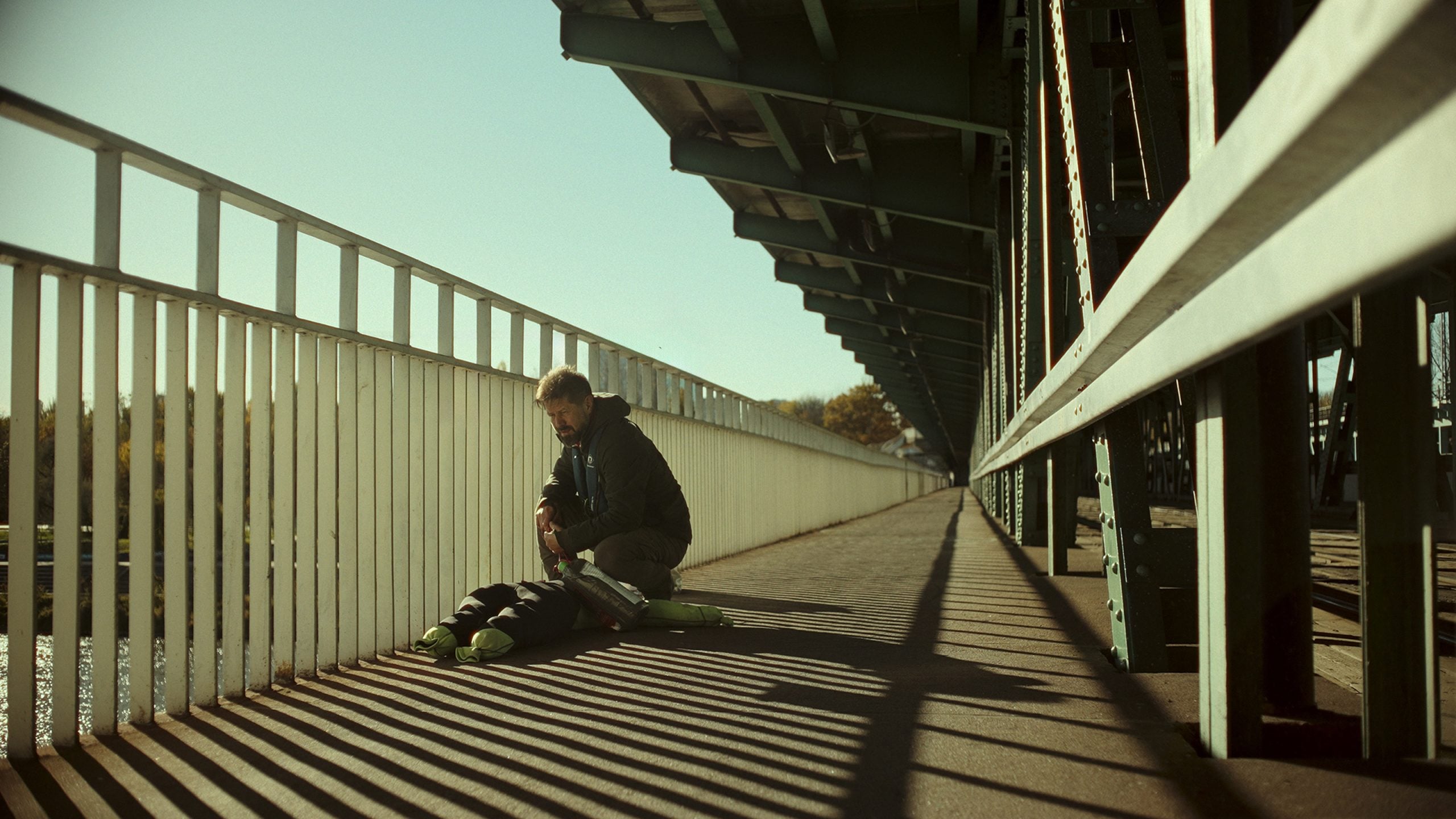
A decade after winning the directing prize in the World Cinema – Documentary category for All These Sleepless Nights in 2016, Polish director Michał Marczak returns to the Sundance Film Festival with another unforgettable nonfiction feature. In this newest outing, Closure, the filmmaker connects with Daniel, a grieving father whom he first saw scouring the depths of the Vistula River. As it turns out, this was something of a ritual for the father, who has yet to give up hope that he may one day find his missing teenage son. Following this search over a period of years, you witness once again why the directing prize was well earned previously. Acting as his own cinematographer, Marczak approaches the material in a polished vérité manner that occasionally tricks you into believing you have veered into narrative territory before being yanked back to reality. This film carries many of the compelling hallmarks of the “true crime” subgenre, but Marczak never forgets the humanity that is central to this excavation of grief. – Dillon Gonzales
The Last First: Winter K2
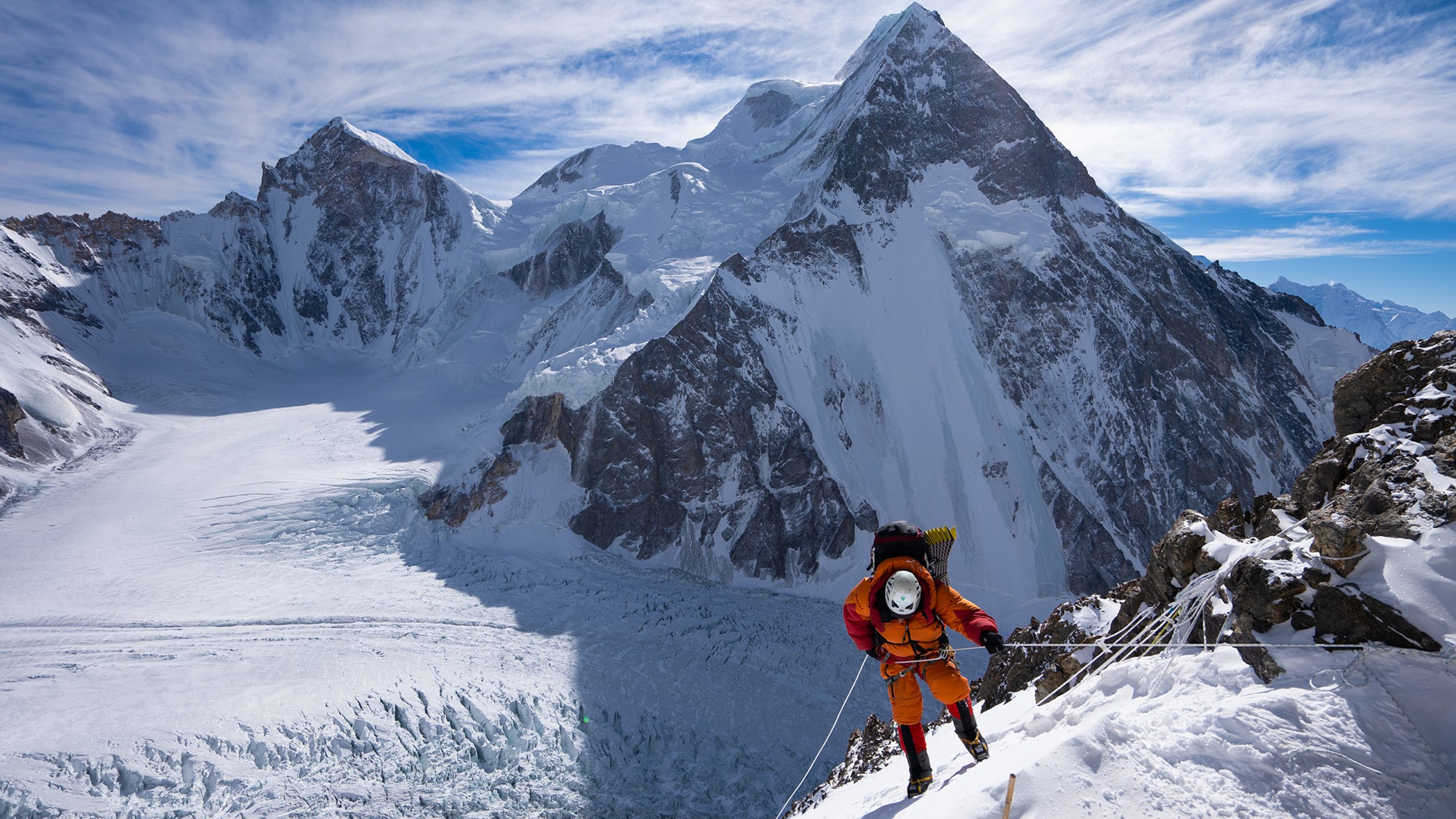
“He wept…for there were no more worlds to conquer.” Philosopher Hans Gruber taught us this story of Alexander the Great in Die Hard. In a lot of ways, it is closing in on this reality for the mountaineering community. In the new film The Last First: Winter K2, award-winning documentarian Amir Bar-Lev takes the audience to a 2021 expedition in which several different factions were angling to become the first to climb the awe-inspiring K2 in winter, a feat once thought impossible due to the extreme weather conditions. Yet, this is not simply a film about extreme sports. Through this journey, you learn of the deadly consequences of the mass commercialization of the sport, the cultural tensions stemming from years of marginalization, and so much more that lurks beneath the surface, all accompanied by breathtaking photography. – Dillon Gonzales
One in a Million
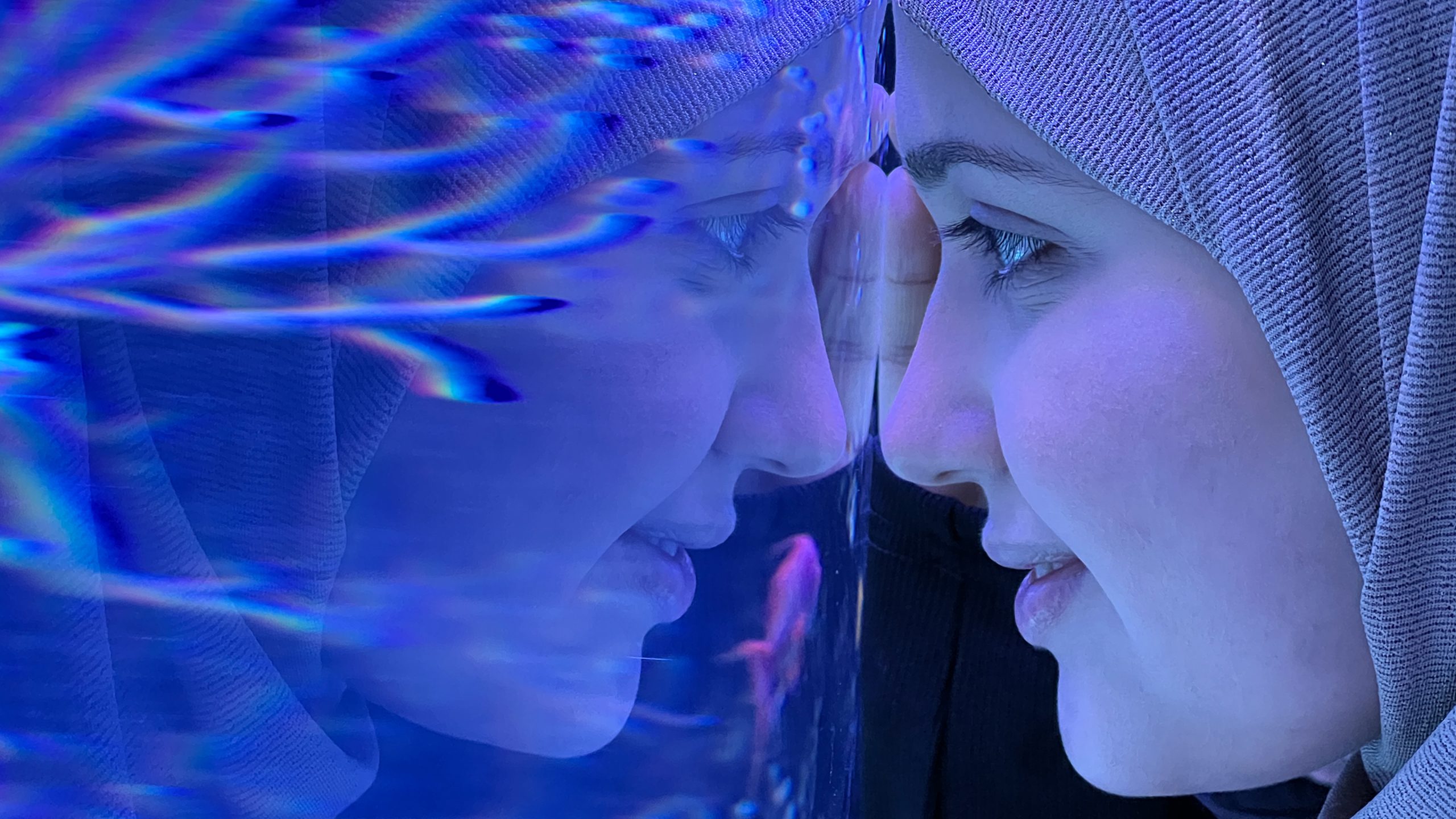
Documentaries have the power to make something conceptual feel personal. Many people hear about the refugee experience, but very few people understand what that actually entails. For co-directors Itab Azzam and Jack MacInnes and their new film One in a Million, the “personal” comes in the form of Isra’a, an 11-year-old Syrian refugee who we see come of age over the course of a decade. The harrowing and heartfelt journey takes you from Syria to Germany and back again. To witness the risks taken in order to achieve some semblance of safety is astounding in its own right, but physical survival is only the first milestone. Our entry point is Isra’a, but we get to experience her entire family attempting to adapt to their new realities, often in stark contrast with tradition. Home is not just four walls and a roof. This moving documentary will make you reflect upon what home means to you. – Dillon Gonzales
Once Upon A Time in Harlem
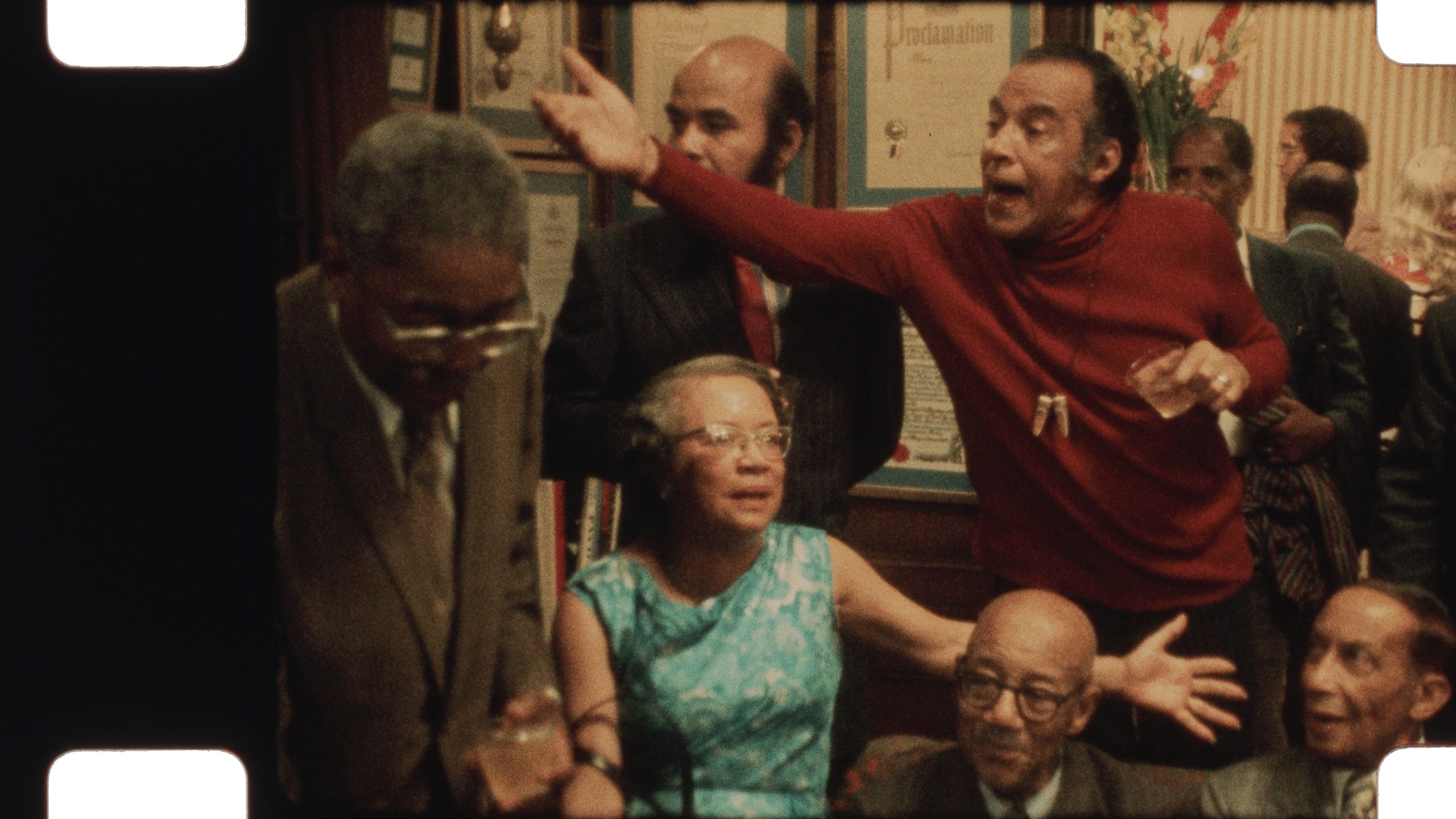
Shot in 1972, Once Upon a Time in Harlem captures a gathering in Harlem at a moment when the afterglow of the Harlem Renaissance was still palpable. Directed by the late William Greaves and filmed on 16mm, the documentary places viewers inside a party where music, debate, laughter, and argument unfold among some of the era’s most prominent cultural figures. The film draws from a rich assemblage of archival materials, including footage of artists and intellectuals in conversation with Greaves, as well as photographs by figures such as James Van Der Zee. What emerges is not a formal history lesson, but a series of candid exchanges about art, identity, and personal experience, shaped by the people who were actively defining Black cultural life at the time. Decades later, the film has been posthumously reconstructed by Greaves’s son, David Greaves, working from his father’s notes and workprints. The result offers an invaluable, rare glimpse into a specific moment and mindset, preserved through both the original footage and the process of its rediscovery. – Jaylan Salah
Sentient
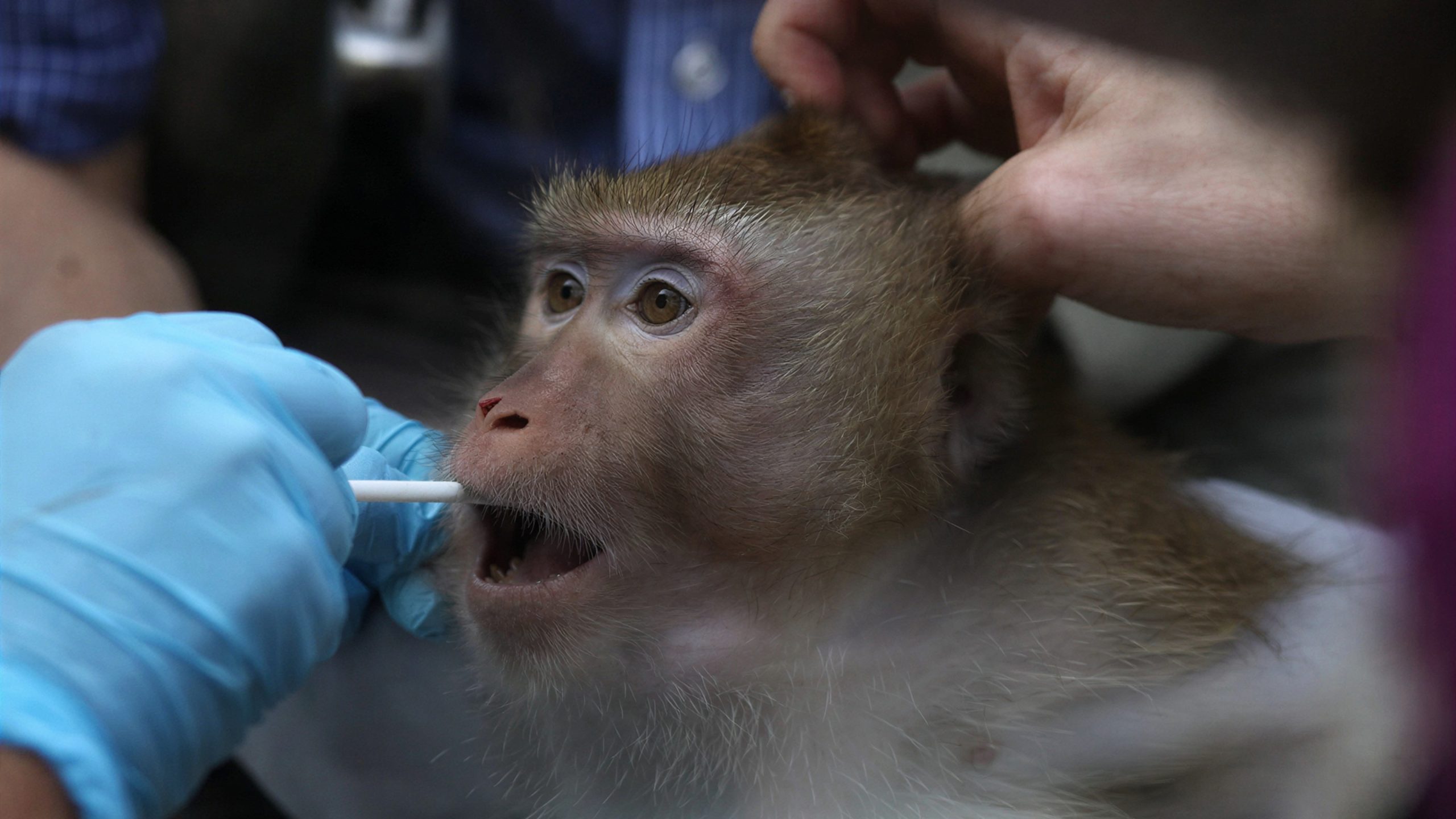
No one loves the thought of animal testing, but it is a necessary evil, right? The new documentary Sentient from director Tony Jones takes that central concept and crafts a thorough overview of passionate viewpoints from some of the people who have had the most personal experience on the ground of these purported advancements. While the testimony from those traumatized by what they have done, along with those still arguing for the efficacy of such experiments, is valuable in its own right, viewers will be shocked by the footage that is exposed, as it takes us deep into laboratories that most would never be able to see otherwise. The documentary may broach topics we would rather push out of our minds, but Jones urges viewers to weigh the realities of such actions and question if there might be a better way. – Dillon Gonzales
Oldest Person in the World
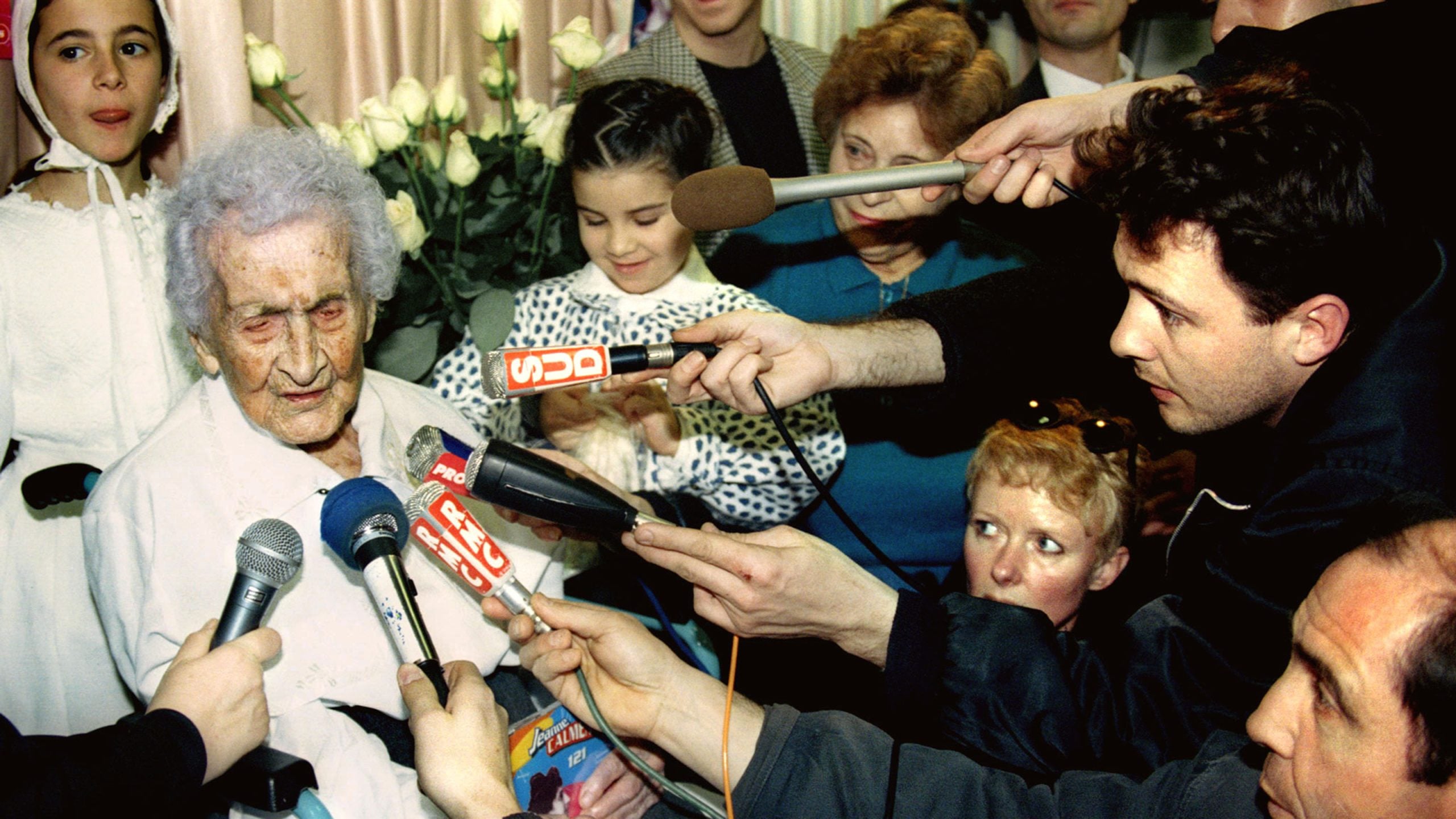
In a world obsessed with youth, productivity, and speed, it’s radical to slow down and look at what it means simply to keep living. Over the course of a decade, filmmaker Sam Green tracks the ever-shifting title of the world’s oldest living person, transforming what might sound like a curiosity into something profound. As one record holder passes and another takes their place, The Oldest Person in the World becomes a meditation on time’s relentless forward motion, the randomness of survival, and the small moments that make a life feel full. It’s a gentle and deeply moving film that reminds us of the fragile miracle of being here at all. – Roberto Ortiz
Silenced
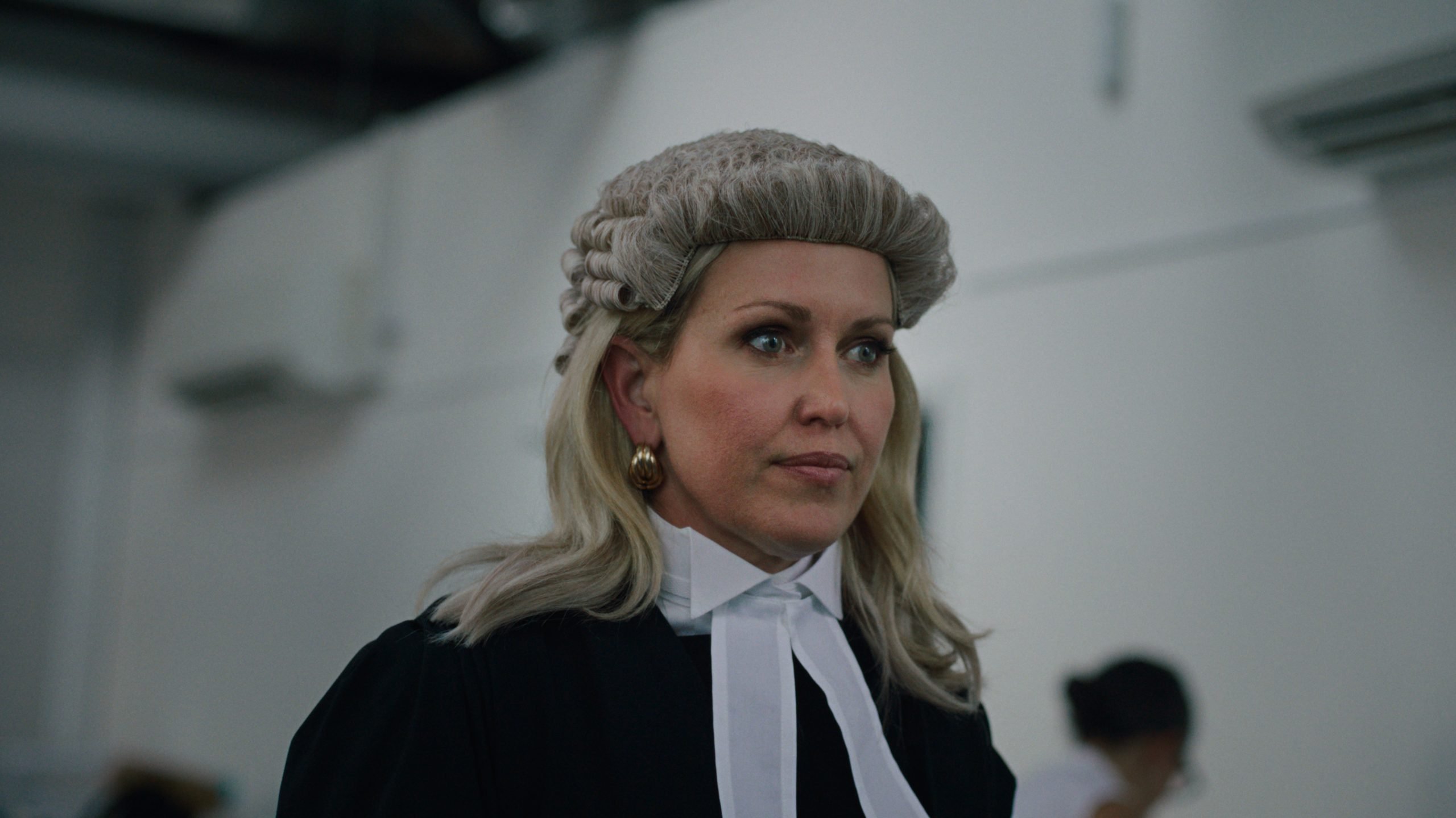
International human rights lawyer Jennifer Robinson is at the forefront of the fight against the weaponization of defamation laws to silence survivors of gender violence. The #MeToo movement was a welcome sea change for those afraid to speak their truth. Yet, it comes as no surprise that abusers find creative ways to attempt to take away any sliver of power from survivors. Australian director Selina Miles’ new documentary, Silenced, takes you through the horrifying reality of speaking out through a trio of high-profile court cases from around the world. With intimate revelations and experiences shared by these women, coupled with clearly defined explanations of how broken the system is from Robinson, audiences are able to get a comprehensive sense of the vigilance needed moving forward. This film will have you marching out of the theater and wanting to formulate the next plan of action. – Dillon Gonzales
To Hold A Mountain
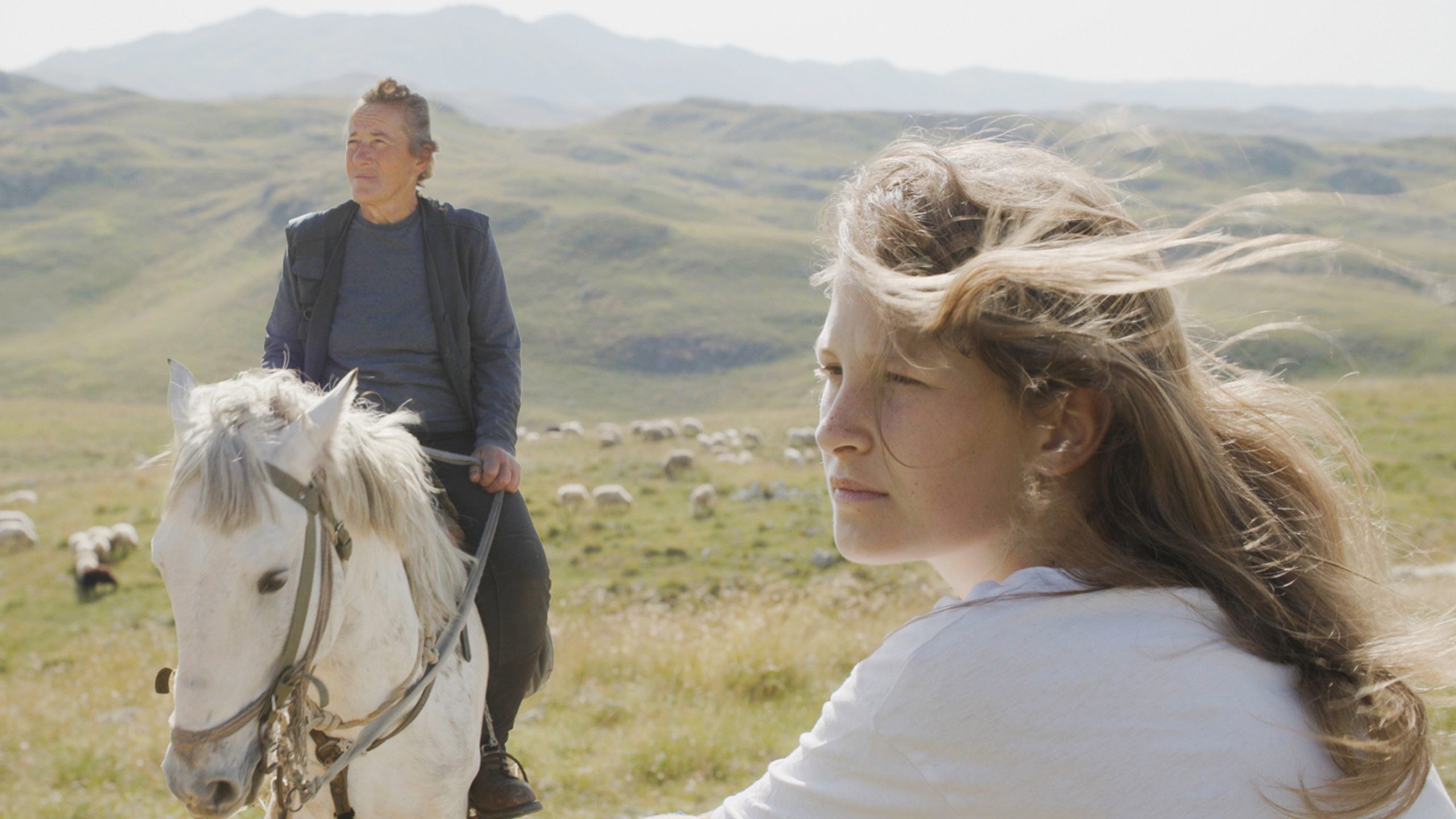
Despite its lyrical title, To Hold A Mountain centers on questions of survival and endurance. Directed by Petar Glomazić and Biljana Tutorov, the documentary follows Gara and Nada, two female shepherds living in Montenegro’s Sinjajevina region, as they continue to work the land amid government plans to convert the pastoral highlands into NATO military training grounds. Filmed over the course of seven seasons, the film traces their daily labor, their connection to a landscape shaped by tradition, and the uncertainty introduced by the proposed transformation of the area. Through their stories, the documentary examines intergenerational strength, inherited trauma, and the roles women occupy within contested territories. Glomazic and Tutorov frame the film as a contemporary epic, structured around two women at different stages of life, whose relationship to the land reflects both continuity and change. Sinjajevina itself remains a constant presence, foregrounded as a space where history, livelihood, and future collide. – Jaylan Salah
When a Witness Recants
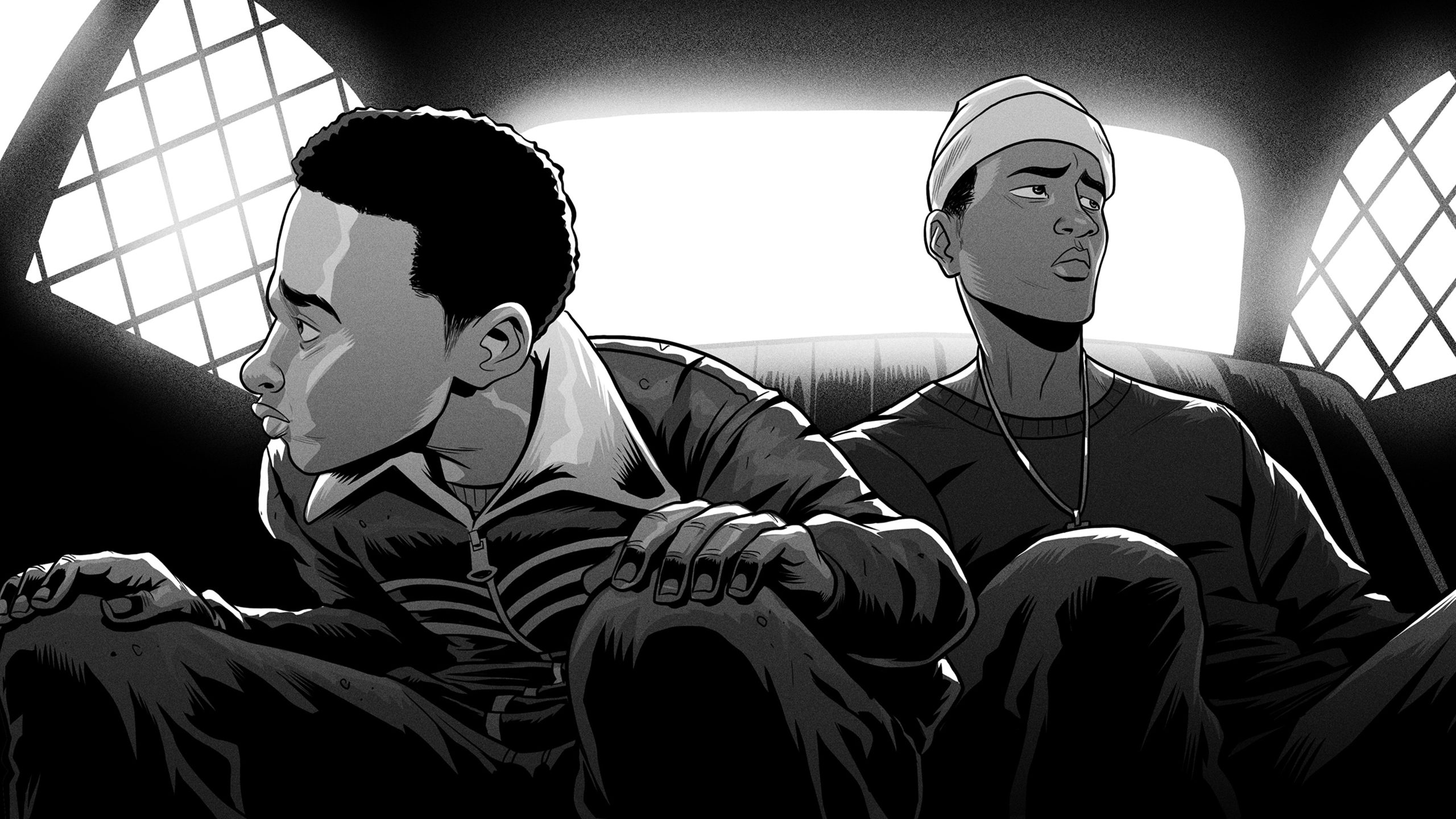
The echoes of injustice reverberate in often incalculable ways. In 1983, a 14-year-old boy was murdered at a Baltimore middle school. It did not take long for three teenage boys to be put away for this unspeakable crime. The problem is, these boys were innocent. After spending 36 years in prison, it was revealed that the false testimony was used that led to this imprisonment. Filmmaker Dawn Porter shines a spotlight on the trio known collectively as the Harlem Park 3 in When a Witness Recants, with the aid of great author Ta-Nehisi Coates, who happened to be attending the middle school at the time. With an inventive approach to filling in the archival gaps in this heartbreaking story, the pair not only detail the impact of the years lost on these now-grown adults, but they also examine how the loss of trust in a community is akin to a death sentence, and how devastatingly clear the fragility of the justice system is to this day. – Dillon Gonzales
Dillon is most comfortable sitting around in a theatre all day watching both big budget and independent movies.