Covering Sundance this year, a virtual pass gave access to a plentiful number of films directed by women. From erotic thrills to coming-of-age stories, as well as documentaries about #MeToo, there’s something for everyone, and these stories offer a view into the world of female filmmaking. Their narratives amplify womanhood with their lived-in approach to hard-to-digest topics—topics that women endure daily. Sundance does a tremendous job of highlighting these filmmakers, showcasing the power of independent film. Planting their stake in the world of cinema, the films directed by women at Sundance 2026 are among the festival’s best.
There are plenty of films to add to this list, but out of the ones that I watched, these are what stuck with me throughout my first time attending the festival online. A majority of what I watched during the five days of movie watching was directed by women, and what a treat it was.
Big Girls Don’t Cry – Paloma Schneideman

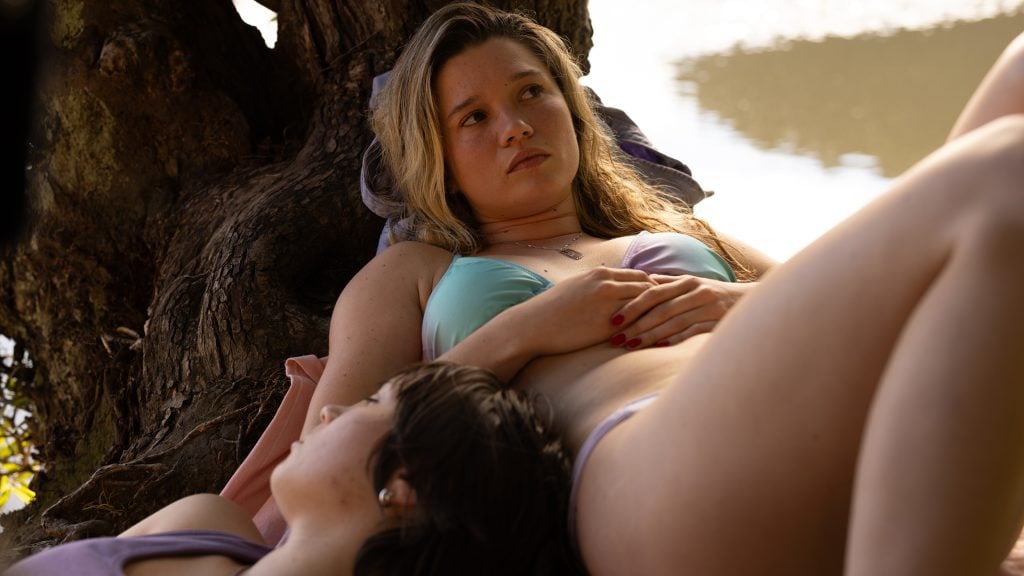
It’s rare that a film truly captures the essence of the early 2000s, not only from an aesthetic standpoint, but from the culture that surrounds it. Paloma Schneideman’s debut feature Big Girls Don’t Cry is more than just a story about a young girl going through awkward stages in life. It’s a nearly all-encompassing view into what it means to transition from a girl to a teen, and how quickly this stage comes. From stealing your older friends’ clothes, sneaking into online chats, or lying about your sexual experiences. The film’s main focus is Sid (Ani Palmer), who isn’t quite sure if she wants to be like the older teens she hangs out with, or if she wants to be with them. Schneideman properly portrays just how tough being a kid is for a girl, with all the awkward haircuts and feelings to go with it.
The Huntress – Suzanne Andrews Correa
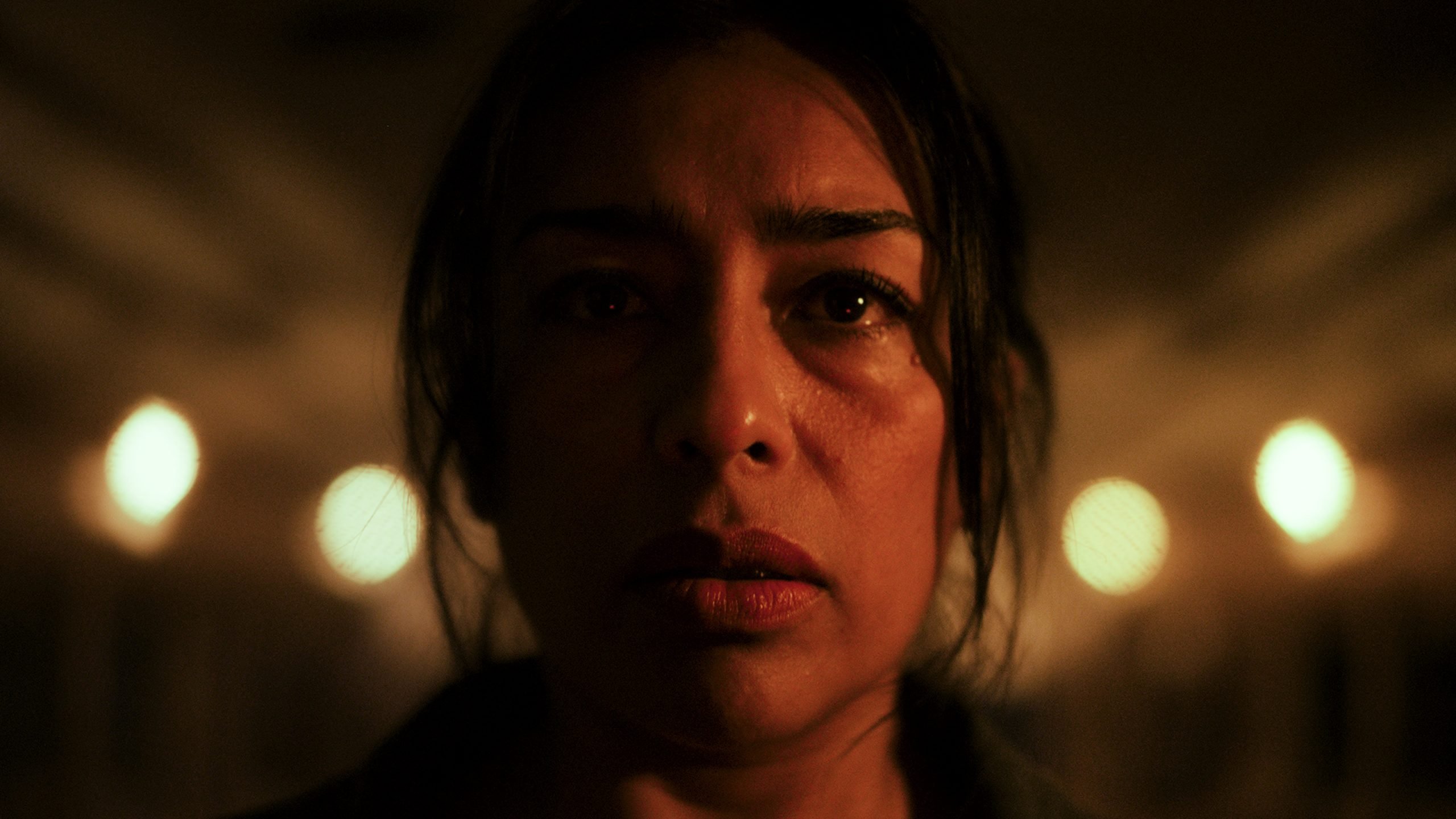
Based on true events, The Huntress takes place in 2013, specifically in Juárez, Mexico, where girls and women live with the constant fear of violence. From physical and mental abuse to sex crimes, all go ignored by authorities. Correa boldly tells a harrowing portrait of Luz (Adriana Paz), a mother who is trying her best to keep her teen daughter Ale (Jennifer Trejo) safe. She goes to lengths any mother would, giving predators what they deserve. As Correa shows a mother taking abusers out, she makes sure to show the flip side, with characters advocating for change within institutions to stop these men from getting away with harming them. It’s got a lot of passion behind it, and its message is clear: violence against women will no longer be tolerated.
Night Nurse – Georgia Bernstein
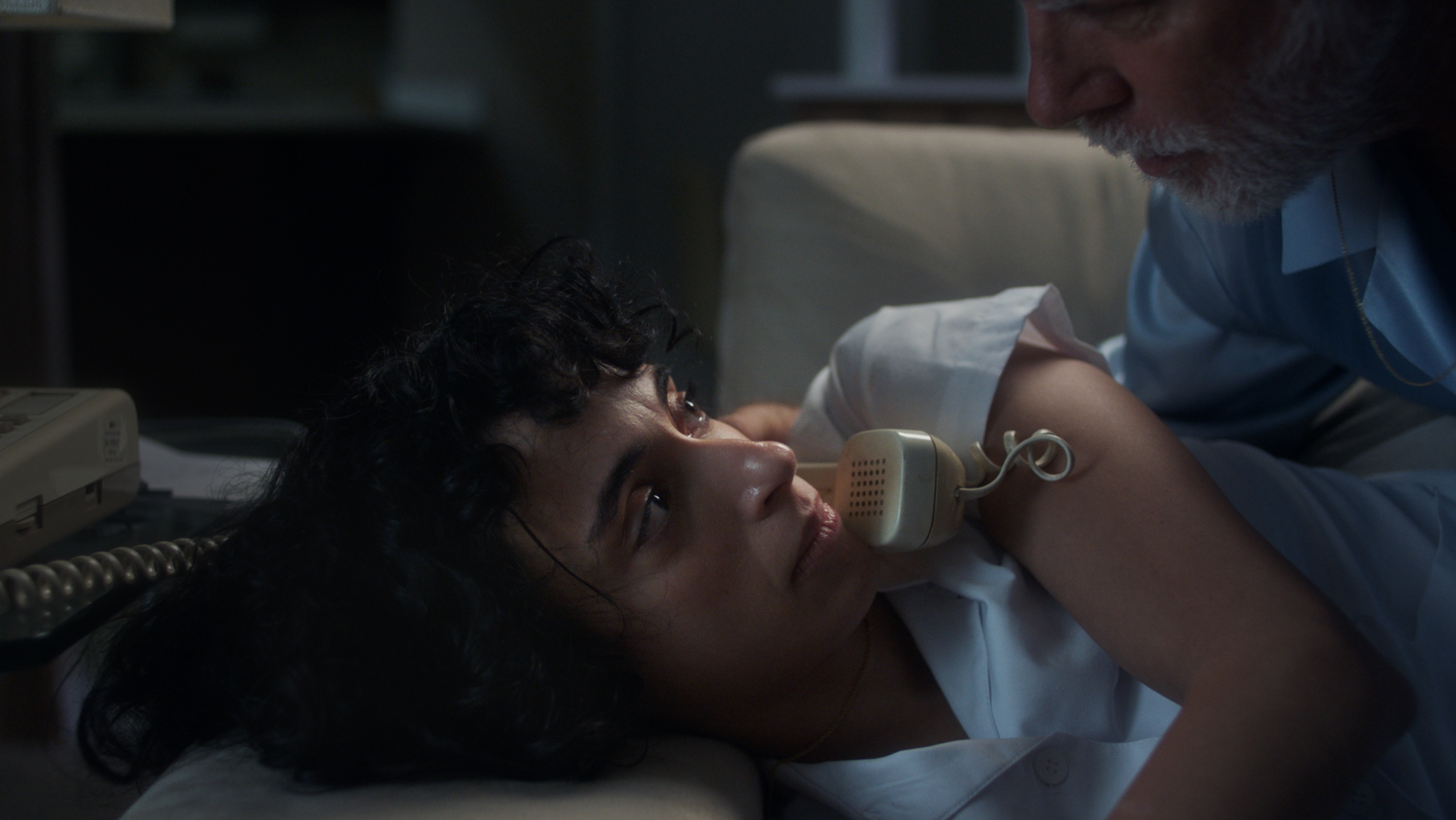
Everyone has a side of them that is interested in the taboo, especially from an outside-looking-in perspective. Night Nurse, a new erotic thriller from Georgia Bernstein, is a love letter to the genre, voyeuristic with its lens and captivating in its lead performance of a young nurse, Eleni (Cemre Paksoy). When she gets wrapped up in the life of her retirement-home patient Douglas (Bruce McKenzie), their relationship goes into a psychosexual spiral. One where Eleni finds herself falling deeper into it, with her bouts of jealousy and her desire to care for Douglas, she does things for his attention that shock even him. Night Nurse exudes an unease throughout, but you can’t help but feel attracted toward it. With the aid of cinematographer Lidia Nikonova, audiences are made to feel like characters themselves, witnessing interactions between a nurse and her patient that divert expectations.
Silenced – Selina Miles
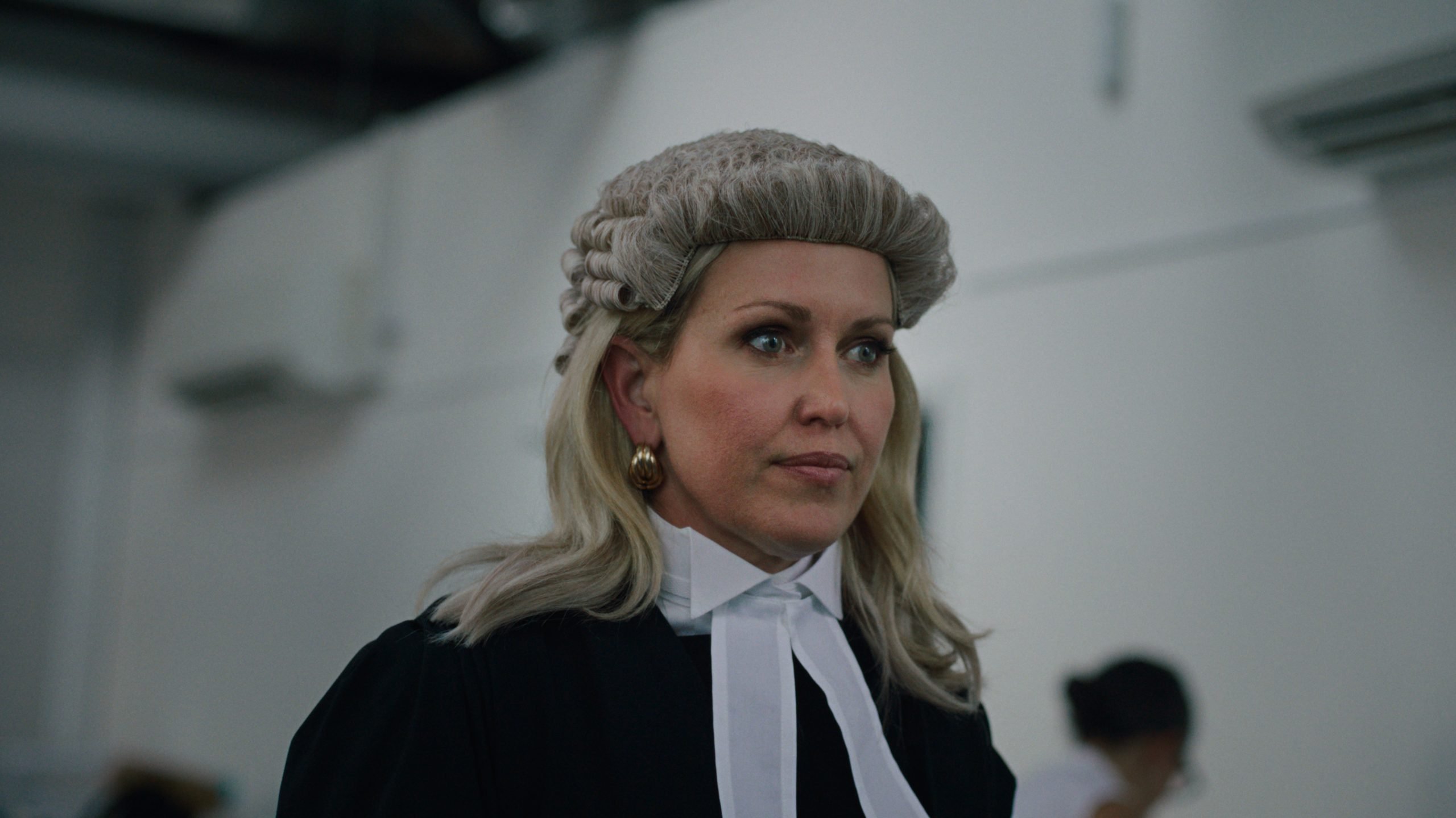
For many women, the #MeToo movement was an inspiration to speak up and advocate for themselves, with some of the world’s most powerful men finding themselves being called out for their inappropriate and criminal behavior. But it was short-lived. Selina Miles’ documentary Silenced explores a world post-#MeToo through the stories of the women who suffered the fallout. From Amber Heard to Brittany Higgins, this documentary challenges society to think critically. Going through decades, and even centuries, of uneven justice systems and the rise of misinformation, Miles effectively highlights how women around the world have been subjected to ridicule and harassment for simply speaking about their abuse, even when their abuser isn’t named. By the end of the doc, I was in tears. It’s hard to feel hopeful with the constant regression of women’s rights, but the fight must go on.
LADY – Olive Nwosu
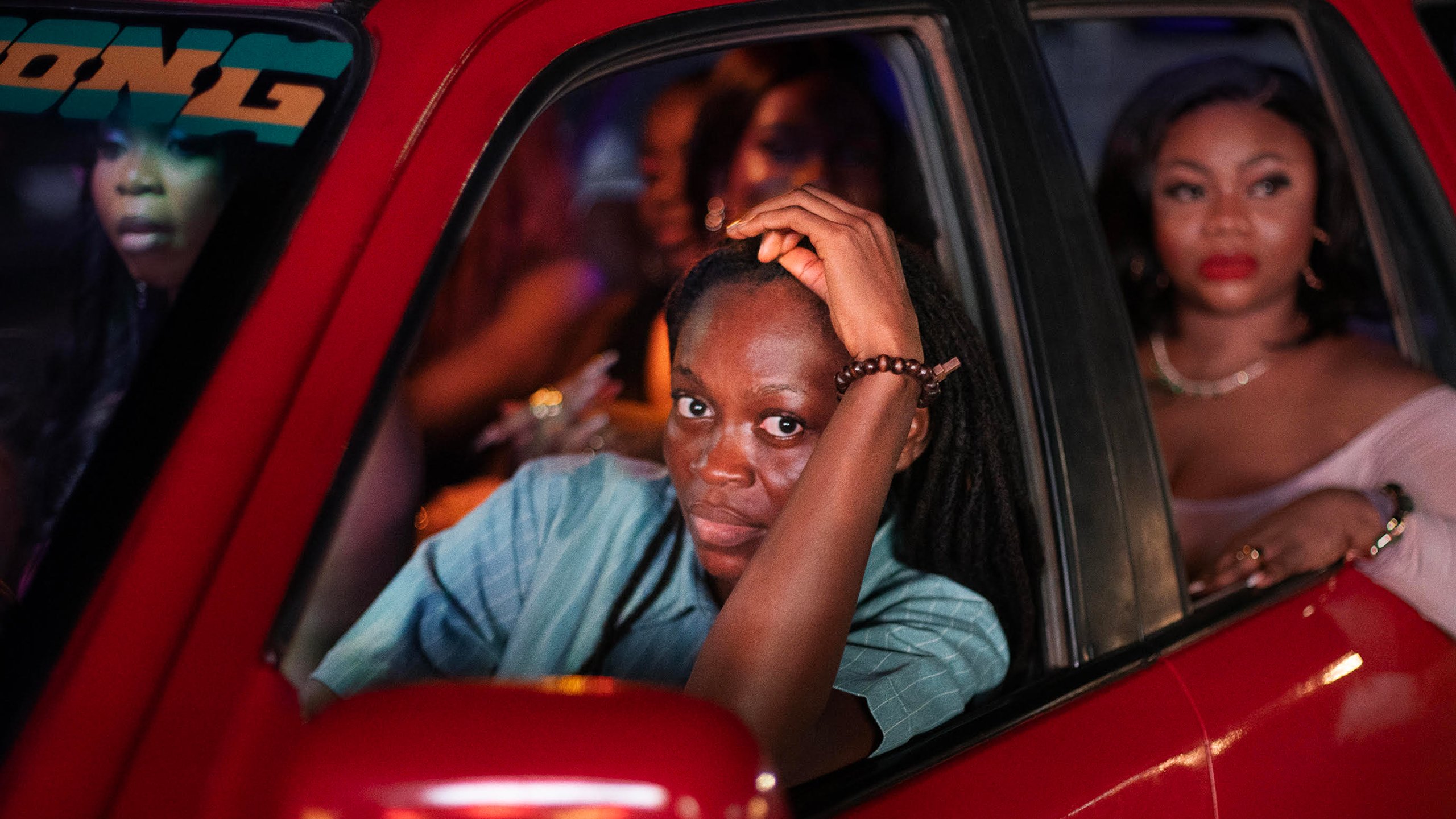
There’s nothing quite like seeing female friendship on screen, from the community that women cultivate for one another to childhood connections. Women have an ingrained protective spirit over one another, especially those within their community. Olive Nwosu’s feature debut LADY is a feminist tale of women in Lagos, Nigeria. Led by Lady (Jessica Gabriel’s Ujah), audiences see the world through her perspective—a woman working as a cab driver in a patriarchal career. Nwosu makes her an ambitious and fiercely independent woman who is seeking her freedom. Rekindling old friendships allows Lady to heal her past and shows her that when women work together, they can achieve their dreams. This is a vividly authentic film that Nwosu writes and directs as if she were a seasoned veteran.
Josephine – Beth de Araújo
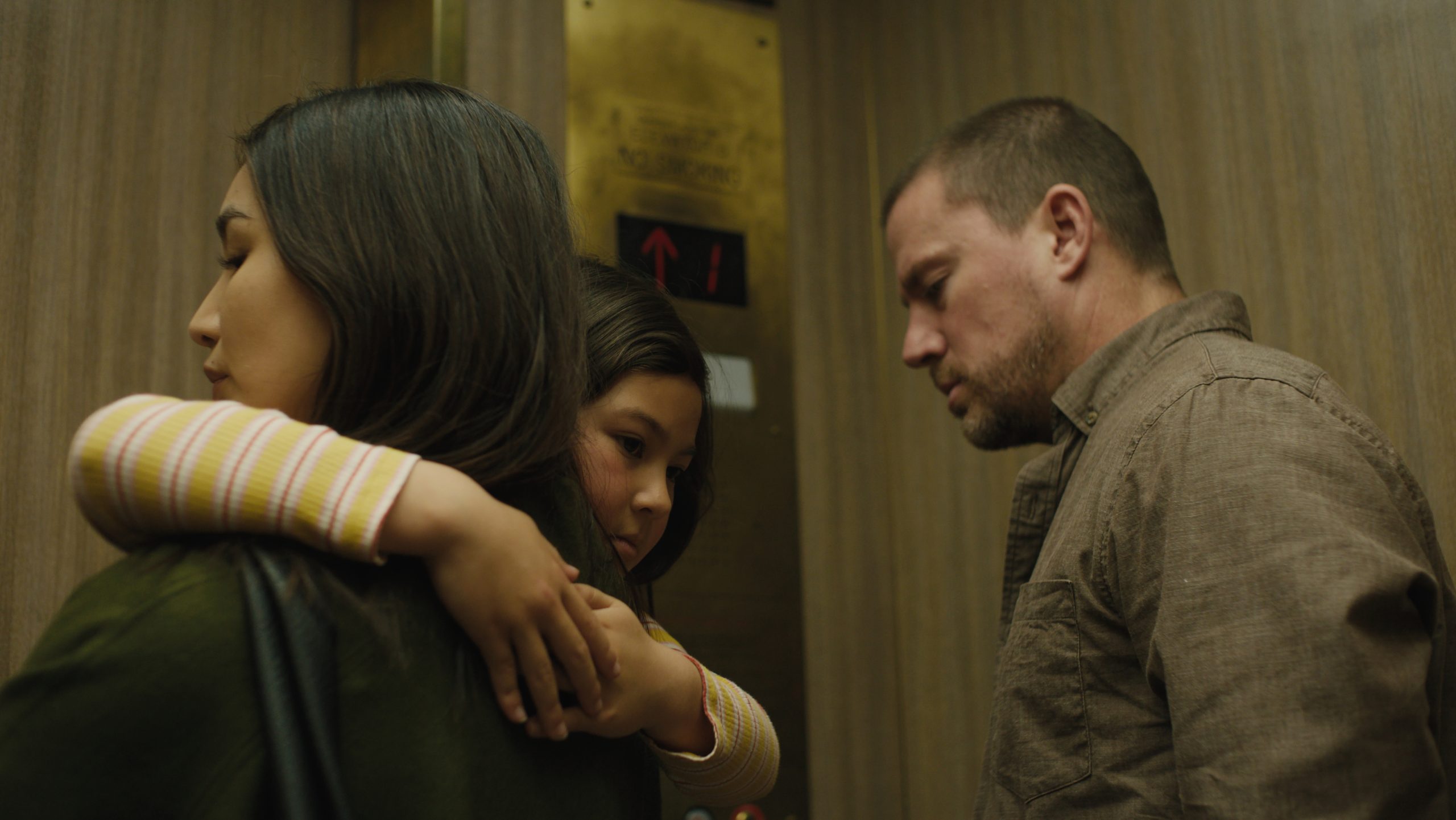
Children are exposed to horrors beyond their comprehension all too often, especially when they are subjected to crimes they don’t even know exist. Based on events from writer and director Beth de Araújo’s life, Josephine is a film that makes audiences see a brutal crime through the eyes of a child. That child is an eight-year-old named Josephine (Mason Reeves), a once upbeat girl who begins to act out when she doesn’t understand what she just saw. Araújo isn’t concerned about showing the audience how these situations should be handled; rather, she chooses to be realistic. Pointing out that it’s difficult for parents to have conversations that tell their daughters they need to be prepared for sexual violence while also reassuring them they are there to protect them from it. Reeves gives a debut performance that resembles honest reactions to her surroundings; she has a courtroom scene that gives her character a heroism that exudes from the screen.