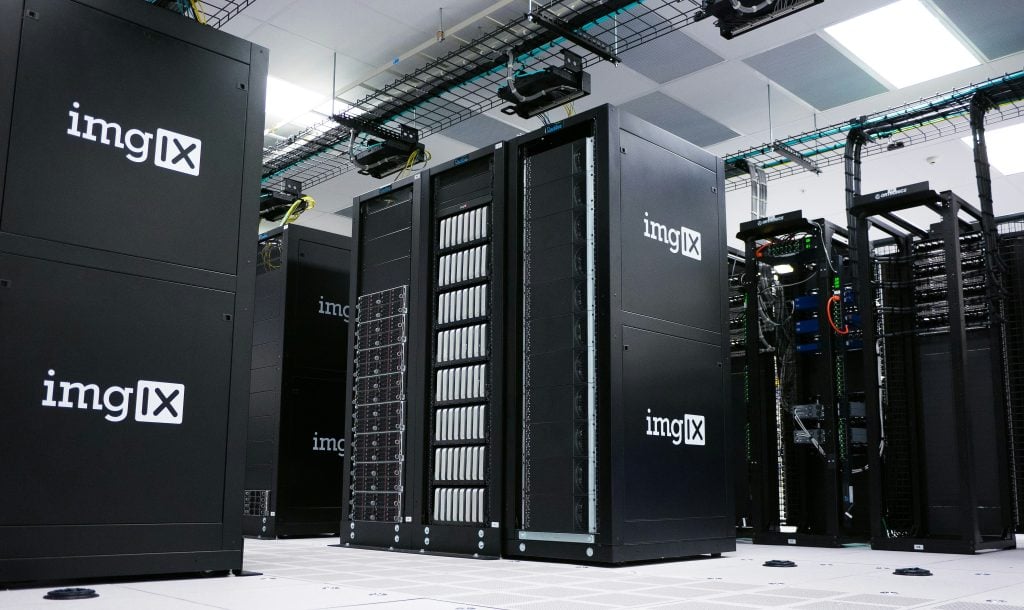
Backup failures are often overlooked by human staff. But when needed the most, a backup that can’t be restored only means chaos in every critical way. One bad backup can result in lost job logs, storage performance metrics, network throughput data, application snapshots, error codes and warnings, policy changes, and infrastructure events.
As a result, many believe in relying on AI to detect backup anomalies that human staff can easily miss.
If you’re wondering why human staff miss these signals or how AI helps you identify them, let’s get started.
Why Humans Miss Backup Anomalies
Human IT professionals are more likely to miss anomalies due to the following reasons.
- Since backup systems generate a huge volume of data compared to human-generated ones, teams are more likely to overlook crucial data.
- Rule-based monitoring systems produce excessive volumes of alerts, causing alert fatigue and making even hypervigilant teams ignore alerts.
- Nowadays, businesses include multicloud environments, SaaS applications, virtual workloads, edge systems, and micro services. The increasing complications in the environment make tracking abnormal activity more difficult.
- Sometimes, it’s because the problems appear too slowly. You may think it’s harmless until it compounds into an unresolvable issue.
How AI Helps Identify Backup Anomalies That Humans Miss
1. Subtle Deviation Detecting from Normal Backup Behavior
Generally, humans check for two things: success or failure. But AI can think further into realistic possibilities. For instance, it can check whether a backup job is done successfully, but took 40% longer. It can highlight the most subtle shift in storage latency or retry attempts, turning frequent.
While humans check only for success, the AI backup monitoring solution can notice patterns, identifying anomalies early on. This can predict future failure by tracking baseline performance. AI can spot any uncommon deviation from the beginning.
2. Identifying Hidden Patterns Among Thousands of Jobs
When a human is in charge, they check one backup job at a time. But AI can monitor a huge number of backup jobs simultaneously.
It recognizes patterns, including several clients facing common slowdowns, backup failures during specific workloads, specific storage nodes that trigger frequent warnings, and unexpectedly fast-growing incremental backups.
Humans can never manually identify these issues, especially in large networks, but it’s possible for AI.
3. Recognizing Anomalies Beyond Static Thresholds
Traditional monitoring depends on strict thresholds, such as more than 80% disk usage, over 2 hours of job duration, or network latency above a certain ms value. So, threshold values are extremely blunt.
But AI can resolve it easily. The anomaly detection becomes smarter and more accurate due to its contextual intelligence. It reads historical growth rate, workload criticality, backup frequency, and infrastructure behavior patterns.
4. Spotting Early Indicators of Backup Corruption
The illusion of a successful backup is one of the most dangerous anomalies. When you actually need it, you see it can’t be restored.
But AI can resolve such issues by detecting indicators of hidden corruption. These can be unusual compression ratios, sudden drops in backup size, missing file blocks, and inconsistent snapshot metadata.
These details are impossible to catch for humans, as job reports always appear complete. Yet AI monitoring is way deeper as it includes anomaly scoring, which improves backup integrity.
5. Recognizing Configuration Drift and Policy Changes
Backup environments are ever-changing with newly deployed applications, reallocated storage, modified policies, and updated agents. The slightest configuration updates attract new risks.
AI systems can track such configuration drift with time, effectively flagging anomalies. These can be backup policies suddenly excluding key workloads, unexpected schedule changes, new encryption settings affecting performance, or unauthorized modifications that could signal compromise.
Human beings can hardly recognize them.
6. Predicting Failures
Predictive insight is one of the greatest benefits of AI. Instead of noticing whether the backup failed or not, it tracks the exact reason and probability of it.
It analyses historical patterns and predicts a variety of details like storage saturation within days, rising retry rates leading to timeouts, resource contention during peak windows, and network instability affecting replication. Thus, it lets the IT team fix issues more proactively instead of reactively.
7. Improving Response of Automated Root-Cause Analysis
After anomaly detection, AI does more than send alerts. You get context without having to manually scan through every possibility.
Thus, your IT teams save hours of energy with instant guidance, minimizing resolution time.
Conclusion
Most of the time, backups don’t fail by letting everyone know. It happens silently when you feel that everything is running smoothly. So, rely on a good AI backup monitoring strategy that can help you detect these failures before they get worse.

Caroline is doing her graduation in IT from the University of South California but keens to work as a freelance blogger. She loves to write on the latest information about IoT, technology, and business. She has innovative ideas and shares her experience with her readers.