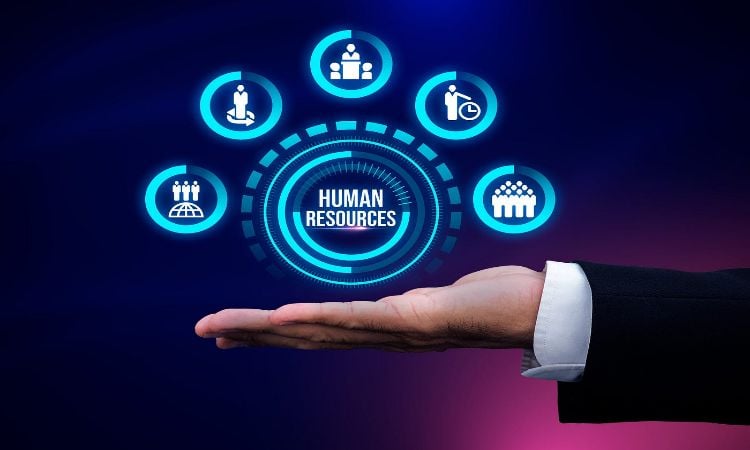
AI continues to integrate into human resource operations through subtle, yet profound, advancements. Some changes feel large, some feel small, and some sit somewhere in the middle, where you only notice them after a few months. When people talk about AI in HR, the focus often sits on speed, but the real shift comes from how teams start to see their own work. Tasks that once took long hours now move faster, and patterns that were hard to spot now sit right in front of everyone.
A Closer Look at Decisions
HR teams used to face long spreadsheets that held scattered details about people, roles, and past performance. AI tools sort through this material and present it in a form that feels easier to read. A manager can look at the same sheet and see which roles fit which skills without guesswork. The idea is not to replace human calls. It gives a steadier base, so the final decision comes from a person who has time to apply strategic thought and context.
The rise of resource management software shaped this shift. These systems watch for skill gaps and project needs in real time. If a large project opens, the software points out who has the right mix of experience. For example, a team leader searches for someone who handled security checks in past projects. The tool scans profiles and highlights two or three names. The leader still makes the pick, but the search no longer drains half the day.
Training plans also changed. Many teams once used broad sessions that covered wide topics for everyone. AI tools now map skill paths and point out where someone might need extra support. This gives the team member a clear direction and gives managers a calmer way to plan. It removes some of the guesswork that caused confusion.
Shift in Daily Work Patterns
The idea of AI can feel large until you watch how it shapes simple routines. For example, if a new hire reaches out to you about the leave rules in the company, the AI system can answer it for you by taking it directly from the company policy. This helps the HR team save a lot of time, and the new hire gets a clear-cut response. This way, the HR team can focus more on bigger tasks that require a lot of human input.
Some companies take note of this shift with tools that track skills and match them to open vacancies within the company. This is where Profinda comes in: it helps organise skills, tasks, and internal opportunities in a single platform.
Another area is workforce planning. Before AI tools, teams tried to predict needs through past records. These guesses often missed sudden shifts. AI systems now read current activity and suggest where extra hands might be needed. This helps teams stay steady without stretching people too thin.
What This Means for HR
AI changed HR in ways that go beyond tech. It changed how HR staff think about their own tasks. Instead of spending long hours on sorting, they focus on conversations, culture, and problem-solving.
Resource management software also helped bridge old gaps. Information now moves faster between departments. If the tech team needs two people for a short project, HR can check availability without long calls. The process feels less heavy because the system holds the required context.
Some HR leaders still raise questions about balance. They want AI to support decisions without taking control. This question is fair. AI gives patterns, not final answers. Teams that treat AI as a guide tend to find a healthy midpoint. The human part stays intact.
AI also raised new demands around data care. HR teams now watch how systems store employee records and how they use them. Many follow global guidelines that ask for clear consent, limited access, and safe storage. These rules come from public sources like government data norms and industry standards, and they help teams work with better clarity.

Caroline is doing her graduation in IT from the University of South California but keens to work as a freelance blogger. She loves to write on the latest information about IoT, technology, and business. She has innovative ideas and shares her experience with her readers.

![‘The Boys’ Season 5 Premiere Doesn’t Pull Any Punches [SPOILER WARNING]](https://cdn.geekvibesnation.com/wp-media-folder-geek-vibes-nation/wp-content/uploads/2026/04/THBY_S5_UR_501_00331_R2_3000-300x200.jpg "‘The Boys’ Season 5 Premiere Doesn’t Pull Any Punches [SPOILER WARNING]")