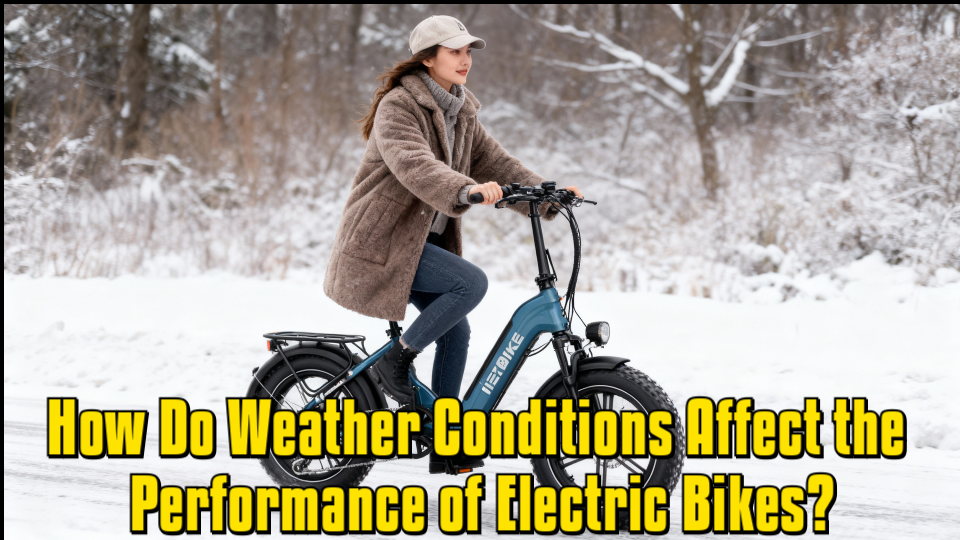
Although electric bikes are designed to handle longer rides and daily commuting, their performance can be subtly affected by the weather. Battery economy, braking performance, and general riding comfort are all impacted by variables including temperature fluctuations, precipitation, high winds, and road conditions.
Weather-related issues do not make electric bikes less dependable. Rather, they emphasize how crucial it is to select designs that are appropriate for real-world scenarios. Many riders believe that Heybike and other brands are among the best electric bikes providers for managing daily weather fluctuations without sacrificing performance since they prioritize longevity and user confidence.
How Weather Conditions Impact Electric Bike Performance
The electrical system, mechanical components, and general ride comfort of an electric bike are all directly impacted by the weather. Performance is impacted differently by each circumstance.
Battery Efficiency and Cold Weather
Chemical reactions within lithium-ion batteries are slowed down by low temperatures. Reduced range and marginally lower power output are common outcomes of this. In winter, especially on extended rides, riders may find that the battery drains more quickly. During the winter, efficiency can be maintained by keeping the battery warm when not riding and preventing full depletion.
Motor Stress and Hot Weather
Elevated temperatures might put additional strain on the motor and batteries. Long-term exposure to heat can shorten battery life and increase energy consumption. The system can be protected by cycling during cooler periods of the day and avoiding needless strain, such as continuous high-speed riding.
Exposure to Rain and Moisture
Traction, visibility, and stopping distance are all impacted by rain. Tire grip is diminished on wet roads, making abrupt stops and turns more difficult. If the bike is not adequately sealed, moisture may potentially affect electronic components. In rainy conditions, it is crucial to conduct routine inspections and regulate riding speeds.
Ice, Snow, and Slick Surfaces
Some of the most challenging riding conditions are found in snow and ice. Even with electric assistance, slick conditions increase stopping distance and decrease stability. When riding in winter conditions, wider tires, slower speeds, and cautious throttle control are essential.
Power Consumption and Wind Resistance
The motor must work harder due to increased resistance caused by strong winds, particularly headwinds. As a result, the battery drains more quickly and has less range. Energy consumption in windy situations can be controlled by keeping a steady speed and utilizing the proper pedal assist settings.
Seasonal Wear and Road Debris
Roads are frequently littered by weather-related material such as dirt, gravel, and wet leaves. These factors can impact tyre wear and braking in addition to increasing rolling resistance. Regular cleaning of the bike avoids accumulation that can eventually affect performance.

Decreased Rider Safety and Visibility
Both bikers and other road users have less visibility due to fog, rain, and shorter daylight hours. Although it has an impact on overall ride safety, poor sight has no direct effect on motor performance. In such circumstances, reflecting materials and robust lighting systems become very crucial.
Humidity and Long-Term Component Wear
The components of an electric bike can be gradually impacted by high humidity levels. Airborne moisture can eventually lead to corrosion, decreased electrical efficiency, and accelerated wear of moving parts. The bike can continue to function consistently in humid conditions with regular cleaning, appropriate storage, and occasional maintenance.
Heybike Electric Bikes for Reliable Riding in Any Weather
Heybike specializes in creating electric bikes that operate reliably in a range of weather conditions. Heybike builds its e-bikes to help users overcome regular environmental obstacles rather than restricting riding to perfect days.
Weather-Resistant Build Quality
The protective architecture of Heybike electric bikes helps insulate electrical components from splashes and rain. This additional protection supports stable performance during rainy commutes and erratic weather changes.
Stable Structures for Improved Management
Handling on uneven or slick roads is enhanced by a robust and well-balanced frame design. In inclement weather, such as rain, wind, or seasonal road conditions, this steadiness gives riders greater confidence.
Consistent Braking in Damp Environments
When visibility is poor or the roads are wet, consistent braking performance is crucial. Riders can keep control and stop safely even in less-than-ideal conditions thanks to Heybike ebikes’ reliable braking response.
All-Season Riding Tires
Wider, more robust tires are essential for managing a variety of surfaces. Heybike ebikes can ride in rain, light snow, wind, and debris-covered roads because they have tyre designs that promote improved grip and balance.
Final Opinion
The performance of electric bikes can be affected by the weather in a variety of ways, including road conditions, safety, and battery economy. Rain lowers traction, wind increases energy consumption, and cold conditions decrease range. But by being aware of these difficulties, riders may adjust and ride with greater assurance all year round.
Electric bikes continue to be a reliable mode of transportation in shifting weather conditions because of their well-thought-out design and weather-ready features. Riders can maintain comfort and control with the help of e-bikes designed for adaptability.

Caroline is doing her graduation in IT from the University of South California but keens to work as a freelance blogger. She loves to write on the latest information about IoT, technology, and business. She has innovative ideas and shares her experience with her readers.