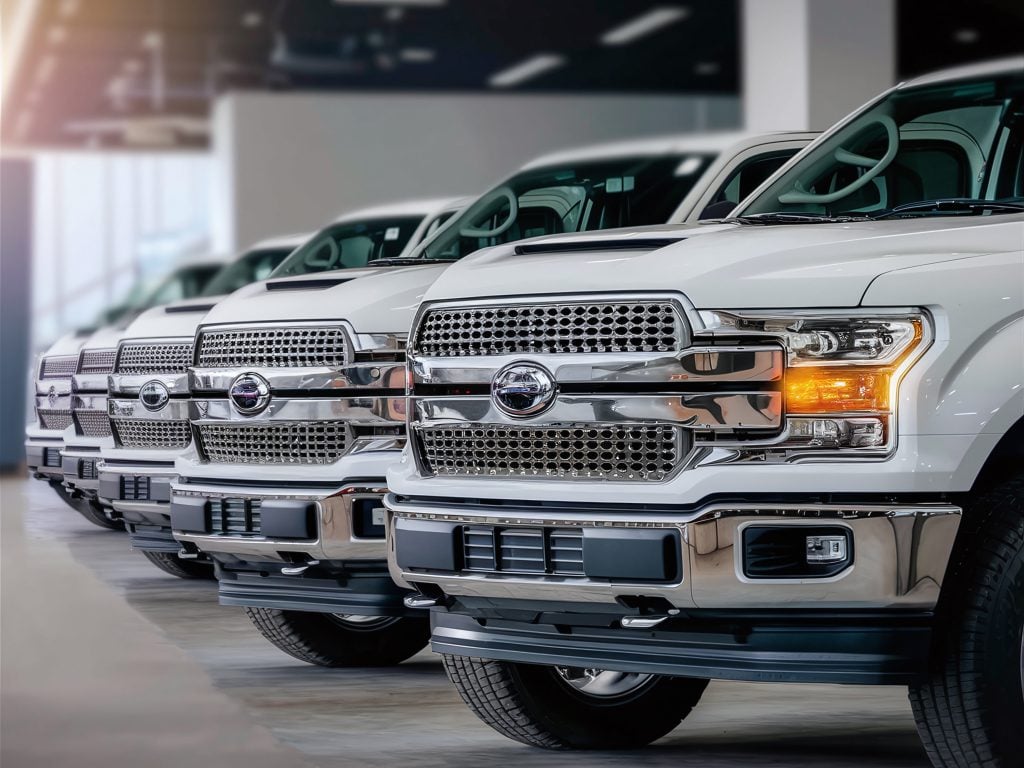
Artificial intelligence has become one of the most transformative technologies in the automotive industry. What was once considered futuristic is now integrated into many modern vehicles, helping drivers navigate roads more safely, efficiently, and comfortably. Ford has embraced artificial intelligence as a key component of its innovation strategy, incorporating AI-driven technologies across various aspects of vehicle design, performance, safety, and connectivity.
Drivers visiting a Ford dealership in Edmonton may be surprised by how many intelligent systems are already working behind the scenes in today’s Ford vehicles. From advanced driver-assistance technologies and predictive maintenance systems to personalized infotainment experiences and electric vehicle optimization, artificial intelligence plays an increasingly important role in shaping the driving experience. As Ford continues investing in smart technologies, AI is helping create vehicles that are more responsive, intuitive, and capable than ever before.
Understanding Artificial Intelligence in Modern Vehicles
Artificial intelligence refers to computer systems that can analyze information, recognize patterns, make decisions, and improve performance over time. In the automotive world, AI enables vehicles to process vast amounts of data collected from cameras, sensors, radar systems, GPS technology, and onboard computers.
Unlike traditional software that follows fixed instructions, AI-powered systems can adapt to changing conditions and respond intelligently to different situations. This capability allows vehicles to provide real-time assistance, improve safety, and create more personalized experiences for drivers.
Ford uses artificial intelligence not as a single feature but as a collection of technologies working together to enhance multiple aspects of vehicle operation. The result is a driving experience that feels more connected, efficient, and intelligent.
AI-Powered Driver Assistance Technologies
One of the most visible applications of artificial intelligence in Ford vehicles is within advanced driver-assistance systems. These technologies continuously monitor the vehicle’s surroundings and help drivers make safer decisions.
Using cameras, radar sensors, and sophisticated algorithms, AI systems can identify road markings, nearby vehicles, pedestrians, and potential hazards. The technology processes information rapidly and provides assistance when needed.
Ford’s driver-assistance technologies help support:
- Lane-centering functions
- Collision avoidance systems
- Adaptive cruise control
- Traffic sign recognition
These systems work together to reduce driver workload and improve overall road safety. Driver simulation training can complement these technologies by giving drivers a controlled environment to practice responding to hazards, changing traffic conditions, and other challenging situations.
Enhancing BlueCruise Hands-Free Driving
Ford’s BlueCruise technology represents one of the company’s most advanced uses of artificial intelligence. Designed for approved highways, BlueCruise enables hands-free driving under certain conditions while maintaining continuous monitoring of both the road and driver.
Artificial intelligence helps BlueCruise interpret information gathered from cameras, sensors, and GPS mapping systems. The vehicle can maintain lane position, adjust speed, and respond to traffic flow with minimal driver input.
At the same time, AI-powered driver-monitoring systems ensure that the driver remains attentive and prepared to take control if necessary. This balance between automation and safety demonstrates how artificial intelligence can improve convenience while maintaining responsible vehicle operation.
As AI algorithms continue to evolve, hands-free driving technologies are expected to become even more sophisticated and capable.
Personalized Infotainment Experiences
Artificial intelligence is also transforming how drivers interact with vehicle infotainment systems. Ford’s advanced connectivity platforms increasingly use AI to create personalized experiences tailored to individual preferences.
By analyzing user behavior and preferences, AI systems can recommend navigation routes, entertainment options, and frequently used settings. Over time, the system learns driver habits and adapts accordingly.
For example, a vehicle may automatically suggest common destinations during specific times of day or prioritize frequently used applications. These subtle adjustments help create a more convenient and intuitive user experience.
Artificial intelligence also improves voice recognition capabilities, allowing drivers to communicate with vehicle systems using natural language rather than rigid commands. This makes interactions feel more conversational and user-friendly.
Predictive Maintenance and Vehicle Health Monitoring
Vehicle maintenance has traditionally been reactive, with problems often discovered only after symptoms become noticeable. Ford is changing this approach by using artificial intelligence to support predictive maintenance.
AI systems continuously analyze vehicle performance data collected from various sensors throughout the vehicle. By identifying unusual patterns or early warning signs, these systems can detect potential issues before they become major problems.
Predictive maintenance offers several advantages:
- Reduced risk of unexpected breakdowns
- Lower long-term repair costs
- Improved vehicle reliability
- Better maintenance planning
Rather than waiting for components to fail, AI helps owners address maintenance needs proactively. This approach enhances the ownership experience while contributing to greater vehicle longevity.
Optimizing Electric Vehicle Performance
As Ford expands its electric vehicle lineup, artificial intelligence plays a crucial role in maximizing efficiency and performance. Electric vehicles generate large amounts of operational data that AI systems can analyze to improve energy management.
AI helps monitor battery conditions, charging patterns, driving habits, and environmental factors. This information allows the vehicle to optimize energy consumption and extend driving range.
For example, intelligent systems can adjust energy distribution based on driving conditions, route characteristics, and battery status. AI can also provide more accurate range estimates by accounting for variables such as weather, traffic, and terrain.
These capabilities help Ford electric vehicles operate more efficiently while reducing range anxiety for drivers.
Smarter Navigation Through Real-Time Data Analysis
Navigation technology has advanced significantly thanks to artificial intelligence. Traditional GPS systems simply provided directions based on static map data. Modern Ford navigation systems use AI to analyze real-time information and recommend more efficient routes.
Traffic patterns, accidents, road closures, weather conditions, and construction zones can all influence route recommendations. AI processes this information quickly and identifies the most effective travel paths.
As a result, drivers benefit from reduced travel times, lower fuel consumption, and fewer delays. The system can even learn frequently traveled routes and offer proactive suggestions based on past driving behavior.
This intelligent approach transforms navigation from a simple directional tool into a dynamic travel assistant.
Improving Vehicle Safety Through Machine Learning
Machine learning, a branch of artificial intelligence, allows systems to improve performance through experience. Ford leverages machine learning to refine safety technologies and enhance their effectiveness over time.
By analyzing large datasets collected from real-world driving situations, AI systems become better at recognizing potential hazards and predicting risky scenarios. This ongoing learning process helps improve the accuracy of safety features.
Machine learning contributes to technologies such as:
- Pedestrian detection systems
- Automatic emergency braking
- Driver alertness monitoring
- Blind-spot detection
As more data becomes available, these systems continue evolving and becoming more capable of assisting drivers in complex situations.
Connected Vehicles and Intelligent Communication
Artificial intelligence also supports Ford’s vision of connected transportation. Modern Ford vehicles increasingly communicate with cloud-based services, mobile applications, and digital infrastructure.
Connected vehicle technology allows drivers to remotely monitor vehicle status, access maintenance information, and control certain vehicle functions through smartphone applications. AI helps organize and interpret this information, providing useful insights and recommendations.
In the future, connected vehicles may communicate directly with traffic signals, road infrastructure, and other vehicles. Artificial intelligence will play a vital role in managing these interactions and improving transportation efficiency.
These advancements have the potential to reduce congestion, improve safety, and create a more seamless driving experience.
The Future of AI in Ford Vehicles
Ford’s investment in artificial intelligence continues to expand as technology evolves. Future developments may include more advanced autonomous driving capabilities, enhanced predictive analytics, and increasingly personalized vehicle experiences.
Researchers are exploring how AI can further improve vehicle efficiency, safety, and sustainability. Future systems may be capable of understanding driver emotions, adapting to personal preferences in real time, and anticipating needs before drivers even express them.
Artificial intelligence will also play a critical role in the development of smart cities and connected transportation ecosystems. Ford’s ongoing research positions the company to take advantage of these emerging opportunities and remain competitive in an increasingly technology-driven automotive market.
Conclusion
Artificial intelligence is rapidly transforming the automotive industry, and Ford is using this technology to create safer, smarter, and more enjoyable driving experiences. Through advanced driver-assistance systems, BlueCruise hands-free driving technology, predictive maintenance, personalized infotainment, intelligent navigation, electric vehicle optimization, and connected vehicle services, AI has become an essential part of Ford’s innovation strategy.
These technologies not only improve convenience and performance but also help prepare vehicles for a future defined by automation, connectivity, and intelligent mobility. As artificial intelligence continues advancing, Ford’s commitment to integrating smart technologies ensures that its vehicles will remain at the forefront of automotive innovation. For drivers seeking cutting-edge features combined with practical everyday benefits, Ford’s AI-powered technologies offer a compelling glimpse into the future of transportation.

Caroline is doing her graduation in IT from the University of South California but keens to work as a freelance blogger. She loves to write on the latest information about IoT, technology, and business. She has innovative ideas and shares her experience with her readers.