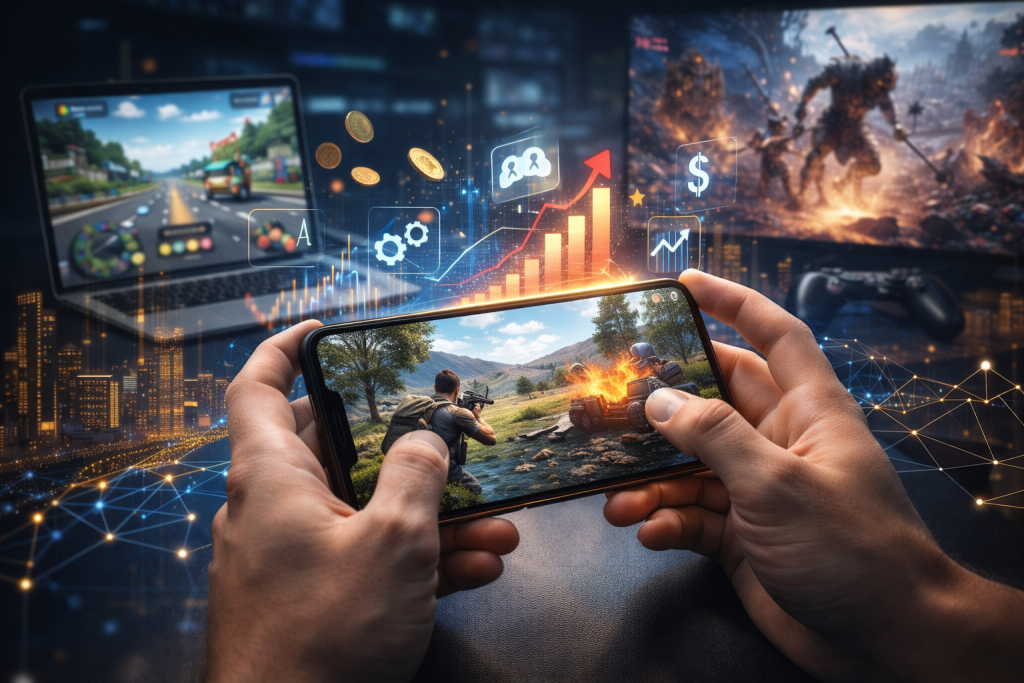
Phones changed how people play games. Back in 2010, most money came from PCs and home consoles. Fast forward to 2023 – mobile gaming brings in more than 90 billion dollars every year. Numbers like that cover close to fifty percent of what the entire game world earns. Data backing this comes from a company named Newzoo.
Now screens you tap took over where buttons once ruled. Instead of boxed games, downloads fill hard drives. Because updates come fast, makers reshaped how they plan money and time. In every corner of the world, what players do feels different than before.
One thing led to another when coders looked at how online tools let people in and kept them around. Not far into those talks, money-making ideas brought up names like اپلیکیشن 1xbet during wider chats on users retention. It wasn’t just talk – experts lined up login bonuses, habit-forming tricks, and custom deals from different fields. Over time, phone games began copying these cycles just to keep fingers tapping.
Out there, mobile games opened doors wider than ever before. People riding trains, stuck at desks, or just passing time found their way in. Not just gear lovers kept it alive anymore. Day after day, playing slipped into life like brushing teeth. Routine stuff now.
Mobile Platforms and Rising Markets
A look at what changed when phones became smart shows who started using them plus where the money began coming from. Not just old users anymore – different people found their way in. Money followed those shifts slowly at first, then faster. Access got easier, so more kinds of folks jumped in. Profits grew as usage spread beyond the early groups.
Around 2016, games made up over 40 percent of earnings on Apple’s App Store. Global reach became easier because app stores removed the need for physical retail deals. Titles reached international audiences straight from developers. Google Play followed much the same path.
Starting cheap opened doors for solo creators. In just weeks, tiny crews put games into countless hands. A few needed less than a hundred grand to launch – yet pulled in more than ten million users worldwide. That kind of reach? Almost unheard of back when consoles ruled.
Speedy upgrades changed phones fast. Year by year, chips gained power like last-gen gaming boxes. Internet links made group play possible, fresh content arriving live. This mix started making handhelds feel a lot like home systems. The gap between them grew thinner without anyone really noticing.
Changing Ways to Make Money
Fees pile up quietly now, though players never buy the game itself. Most apps offer entry without cost, yet rely on inside spending to profit.
Common approaches include:
-
In-app purchases for cosmetic items or upgrades
-
Season passes with time-limited rewards
-
Advertisements integrated into gameplay
-
Premium currency systems
A few users brought in most of the money. Because of that, the model pushed individual worth higher over time. Design choices started leaning heavily on number patterns instead of guesses.
Software trends played a role in shaping how teams worked. Take user journeys – some experts looked at them much like they would study engagement on sites such as 1xbet, especially around keeping users active. Tracking began with installs, then moved to checking logins each day, followed by watching purchase patterns. Updates later on, along with ads, were built around what those numbers showed.
Every week brought something new inside those handheld games. Live updates kept players coming back, drawn by time-limited rewards. Instead of one-and-done experiences, titles evolved like living things. Slowly, big-screen games began copying that rhythm.
Global Reach and Cultural Influence
Out of nowhere, phones turned into game machines where consoles barely reached. Growth surged across new markets – this happened slowly at first, then faster each year.
Mobile made up more than 70 percent of game income across various nations in Southeast Asia along with parts of Latin America. This growth rode on low-cost Android phones reaching more people. Internet plans dropped in price while improving in reliability.
Digital strategy reviews started showing patterns across different industries. When looking at platform growth in areas with uneven tech setups, some analysts pointed to 1xbet دانلود as an example. Much like those cases, mobile gaming launches faced comparable hurdles abroad. Adapting language and accepting diverse payment methods turned out to matter a lot.
Fans gather in huge numbers today, drawn by the pulse of mobile gaming events across Southeast Asia. Not long ago, these scenes were rare, yet now stadiums light up in Manila, alive with cheers for digital battles unfolding on phones. Lives broadcast online carry every move to audiences that stretch into the tens of millions. Games once seen as casual pastimes – PUBG Mobile, for instance – grew fast, pulling players worldwide into tight-knit followings. Take Mobile Legends: it rose quietly at first, then cemented its place in living rooms and public squares alike.
technology meets future ways of living
Looking back at how tech has moved forward shapes what happens across the field. Progress in tools shifts how work gets done beyond just one area.
Now games live in the clouds while 5G stretches their reach. With speedier links, delays shrink so matches run smoother across distances. Some creators are testing shared battles where phones meet consoles mid-game.
Now imagine a game that changes as you play – AI tweaks challenges based on how fast or slow you move through levels. What happens next depends less on luck, more on past clicks and choices. One moment you’re earning points, the next you’re unlocking surprises timed just right. Some folks look at platforms like 1xbet to see how they keep users hooked without obvious tricks. Mobile developers borrow those insights, adjusting paths inside apps so nothing feels stuck or broken.
Out of nowhere, blockchain shows up in big company strategies. Even though it is early days, money keeps flowing in. Some game studios drop serious cash exploring collaborations. Digital ownership? It’s part of the conversation now.
Another shift sticks around – big players in entertainment team up with app creators for special edition launches. Because of these alliances, brands get seen more while their characters and stories spread further. Examples point to sites such as 1xbet when looking at how sponsorships function inside online game spaces. Still, the pattern holds: shared projects open wider audiences without changing core content.
Future of the Industry and Lasting Impacts
Fresh off the rise in handheld play, attention shifts squarely to mobile. Right where it matters most today – right in the thick of planning and priorities. Big names once tied to consoles pour time into apps that fit inside pockets instead.
Phones changed how people work. Alongside creatives, teams now include experts who track player behavior. Online spaces get more money than stores do. Shifts like these show how deeply tech alters business.
Soon enough, games on phones might shape how all platforms work. Because account links and bought items now connect between devices. While subscriptions keep spreading through digital shops.
Out of nowhere, mobile games shifted what businesses expect from reach, availability, and attention. Reaching people stopped depending on brand-specific devices. Firms had to move fast when players began demanding more. This shift still influences how games are played worldwide.

Heather Neves is working as a freelance content writer. She likes blogging on topics related to parenting, golf, and fitness, gaming . She graduated with honors from Columbia University with a dual degree in Accountancy and Creative Writing.