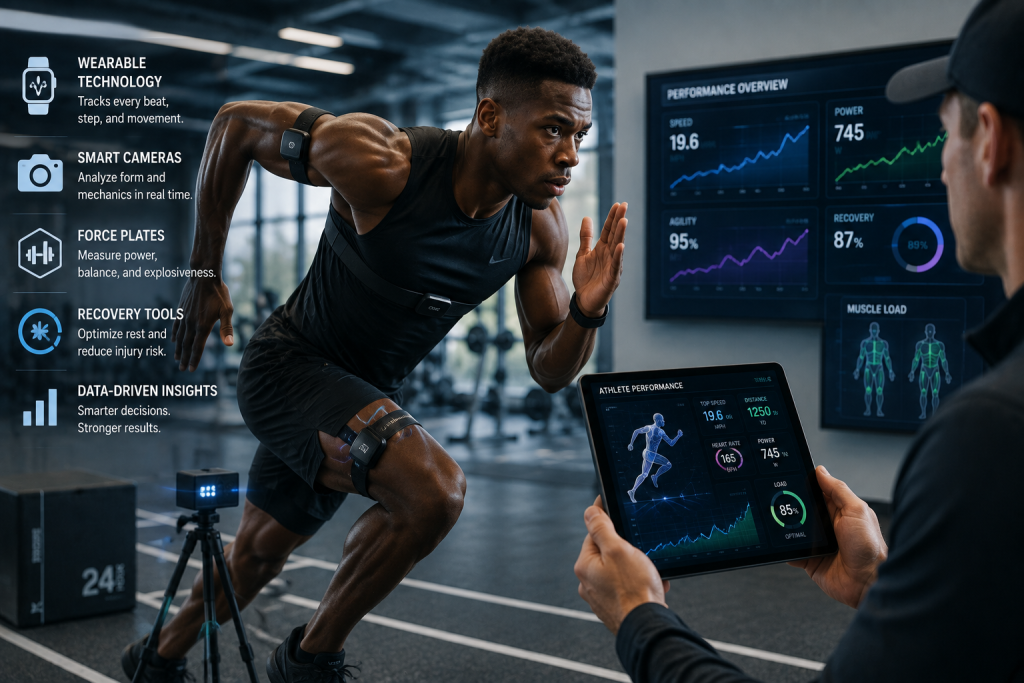
Athletic performance has always depended on dedication, training, and natural ability, but modern equipment has become an increasingly important part of helping athletes reach their full potential. Advances in materials, manufacturing, and design have improved comfort, durability, and functionality across nearly every sport.
From lightweight footwear and protective gear to performance apparel and training technology, today’s equipment allows athletes to compete more confidently while reducing distractions during practice and competition. As innovation continues, equipment is becoming an essential partner in athletic development rather than simply a collection of basic tools.
Better Equipment Improves Both Comfort and Confidence
Modern athletic equipment is designed to help athletes perform consistently under demanding conditions. Lightweight fabrics improve breathability, moisture-wicking materials help regulate body temperature, and ergonomic designs allow greater freedom of movement throughout training and competition. Team apparel has also evolved beyond simple uniforms.
Accessories such as customized football visors allow schools, clubs, and organizations to showcase their logos, mascots, or branding on embroidered or patched sideline visors for coaches, staff, and supporters. Diehard Custom offers multiple visor styles with performance fabrics, low minimum order quantities, and customization options suitable for football programs, booster clubs, and fan merchandise.
Advanced Materials Make Equipment More Efficient
Sports equipment manufacturers continuously search for materials that offer greater strength while reducing weight. Carbon fiber, advanced polymers, engineered foams, and moisture-management fabrics are now common across many sports. These materials improve durability without adding unnecessary bulk, allowing athletes to move more naturally while maintaining protection where it matters most.
Whether designing helmets, footwear, racquets, bicycles, or protective padding, manufacturers aim to create products that support performance without restricting movement. These improvements also help equipment last longer despite frequent use, making them valuable for athletes competing throughout demanding seasons.
Technology Supports Smarter Training
Training equipment has become increasingly sophisticated over the past decade. Wearable sensors, GPS trackers, heart-rate monitors, and motion analysis systems provide athletes and coaches with detailed information about performance, workload, and recovery. Instead of relying solely on observation, coaches can now evaluate objective data to identify strengths, weaknesses, and opportunities for improvement.
Video analysis also allows athletes to review technique frame by frame, helping refine movement patterns that may otherwise go unnoticed. By combining physical training with accurate performance data, athletes can make more informed adjustments while reducing unnecessary strain during practice.
Protective Equipment Continues to Evolve
Photo by Munbaik Cycling Clothing on Unsplash
Safety remains one of the most important priorities in sports equipment development. Improvements in helmet technology, protective padding, footwear stability, and impact-absorbing materials help reduce injury risk while allowing athletes to compete with greater confidence. Manufacturers continually test new designs to improve comfort without sacrificing protection, ensuring that equipment performs reliably throughout demanding competition.
Better protective gear also encourages athletes to train consistently because they can focus more on performance and less on discomfort. While no equipment can eliminate injuries entirely, ongoing innovation continues to improve both safety and overall athletic experience across many different sports.
Innovation Will Continue Raising Performance Standards
The relationship between technology and athletic performance will continue to grow stronger in the coming years. Artificial intelligence, smart fabrics, 3D printing, personalized equipment fitting, and advanced manufacturing techniques are already influencing the next generation of sports gear. Rather than replacing the importance of skill and hard work, these innovations help athletes maximize the results of their training while supporting greater consistency throughout competition.
As equipment becomes lighter, smarter, and more personalized, athletes at every level will benefit from tools that allow them to perform with greater confidence, comfort, and efficiency while continuing to push the limits of human performance.
Recovery Equipment Has Become Part of Daily Training
Performance does not improve through training alone. Recovery has become an equally important part of modern athletic preparation, leading to significant advances in recovery equipment. Compression garments, massage devices, cold therapy systems, foam rollers, and recovery boots are now widely used by professional and amateur athletes alike.
These tools help reduce muscle soreness, improve circulation, and prepare the body for the next training session. Coaches increasingly emphasize recovery as part of a complete performance program because consistent training depends on allowing the body enough time to repair and adapt. As recovery technology continues to improve, athletes can maintain higher training quality while reducing the risk of overuse injuries.
Customization Gives Athletes a Competitive Advantage
Modern equipment is becoming increasingly personalized to match the needs of individual athletes and teams. Instead of relying on one-size-fits-all products, manufacturers now offer equipment that can be customized based on sport, position, body type, and personal preferences. Footwear, protective gear, apparel, and accessories are frequently tailored to improve both comfort and performance.
Team-specific branding also strengthens identity and creates a more professional appearance during competitions. This growing level of customization allows athletes to use equipment that feels more natural, supports their style of play, and contributes to greater confidence every time they step onto the field or court.

Robert Griffith is a content and essay writer. He is collaborating with local magazines and newspapers. Robert is interested in topics such as marketing and history.