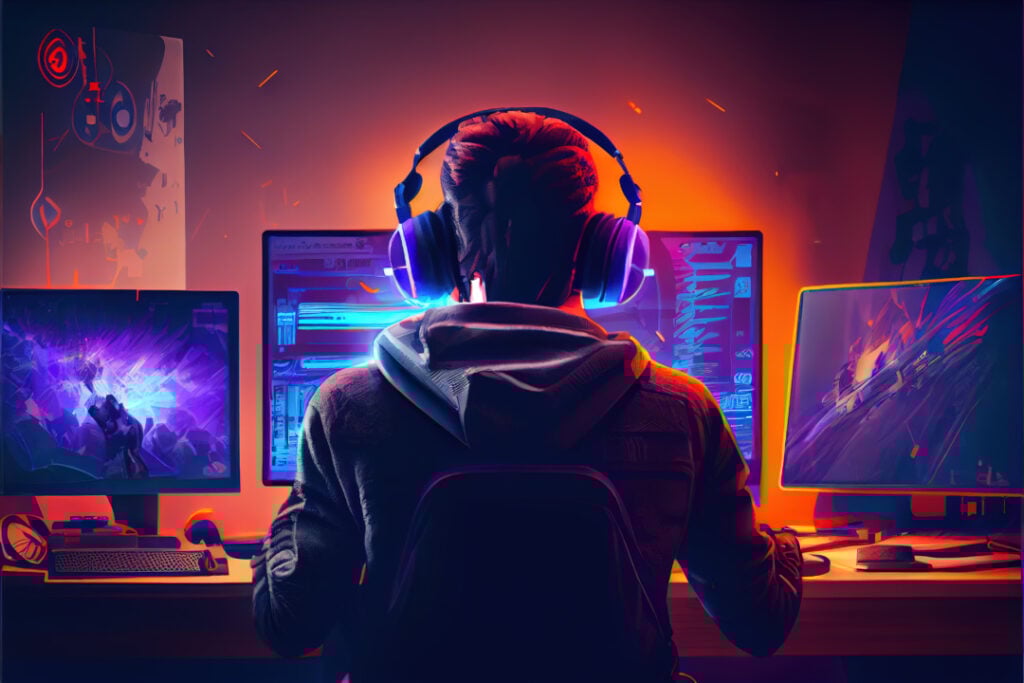
For anyone who has browsed gaming forums or upgraded a graphics card, the question inevitably arises: how much does this hobby truly cost? Today’s gaming landscape stretches far beyond traditional consoles and PCs.
While many players focus on video games alone, others explore adjacent forms of digital entertainment such as esports, streaming, and online gambling platforms including recently increasingly popular options like Zenobet casino. These experiences differ significantly from traditional gaming because they often involve real-money participation rather than simple entertainment purchases. As a result, the spending habits of players can vary widely depending on how they engage with digital entertainment.
Gaming in all its forms has evolved from a relatively simple pastime into an industry spanning subscriptions, in-game purchases, mobile apps, live-service ecosystems, and, for some players, wagering-based platforms. The total spend therefore depends heavily on the type of gamer and how deeply they invest in their chosen hobby.
The Entry-Level Investment
At its most basic, gaming requires hardware. Console players such as the PlayStation 5 or the Xbox Series typically spend several hundred pounds upfront. Even the more affordable Nintendo Switch represents a significant initial amount of money to purchase.
PC gamers often face higher starting costs. A mid-range gaming PC capable of running modern titles smoothly can cost over £1,000, especially if it’s built with performance-focused, high-quality components. Enthusiasts who chase ultra settings, 4K resolution, or high refresh rates can spend considerably more. Monitors, mechanical keyboards, headsets, and gaming chairs further increase the initial investment.
Mobile gamers appear to spend less at first glance, as smartphones serve multiple purposes. However, premium devices capable of running graphically demanding games smoothly can also exceed £1,000, and that cost is partially attributable to gaming performance.
The Cost of Games Themselves
Historically, gamers purchased physical copies of games and were finished with spending once they owned them. Today, pricing structures are more complex. Major releases often launch at £60–£70. A player buying five new titles per year could easily spend £350 annually on software alone.
Subscription models add another layer. Services such as Xbox Game Pass or PlayStation Plus provide access to large game libraries for a monthly fee. While these can reduce per-game costs, they create recurring expenses that add up over time.
On a PC, digital storefronts frequently run seasonal sales, encouraging impulse purchases. Because of this, many gamers accumulate extensive backlogs of discounted titles they may never fully play, which is money spent more on potential enjoyment than actual hours logged.
Microtransactions and In-Game Spending
One of the biggest shifts in gaming economics has been the rise of microtransactions. Free-to-play games generate revenue through cosmetic items, battle passes, loot boxes, and other in-game purchases often designed to aid in progress through the game.
Games such as Fortnite and Call of Duty: Warzone are free to download, but players frequently spend a lot on skins, seasonal passes, or cosmetic upgrades. Individually, purchases may seem minor, but over months or years, totals can exceed the cost of several full-priced games. Importantly, the psychological structure of these systems often encourages incremental spending. Limited-time cosmetics and rotating content cycles create urgency, prompting players to justify small but repeated purchases.
Esports and Competitive Spending
Competitive gamers may invest more heavily in performance advantages, too, though these are typically hardware-based rather than pay-to-win mechanics. High-refresh-rate monitors, precision mice, ergonomic chairs, and custom controllers can collectively cost hundreds or thousands of pounds, but they make the gaming experience more pleasurable, comfortable, and alluring. On top of this, some players also travel to tournaments or conventions. Attendance fees, travel costs, accommodation and merchandise purchases further increase the overall expenditure.,
Streaming and Content Creation
For gamers who stream or create content, spending escalates quickly. Quality microphones, cameras, lighting rigs, capture cards, and editing software all add to the budget. Platforms like Twitch and YouTube have made content creation accessible, but building a professional setup can rival the cost of a small business startup.
Comparing Gaming to Other Hobbies
When placed alongside hobbies such as golf, photography, horse riding, or motorcycling, gaming is not especially expensive. Equipment-heavy hobbies often demand comparable or higher long-term investment. However, the difference lies in visibility. Gaming purchases are frequent and digital, making them easier to overlook. Microtransactions, in particular, can obstruct the distinction between occasional indulgence and habitual spending.
The Bottom Line
How much gamers really spend depends on their engagement level, platform, and self-control regarding optional purchases. For some, gaming remains an affordable, high-value source of entertainment measured in hours per pound spent. For others, especially enthusiasts chasing premium hardware and ongoing content, the costs rival major lifestyle commitments. At the end of the day, gaming, like any hobby, can be scaled to fit almost any budget. Spending awareness is the key to ensuring it remains enjoyable rather than a drain on finances.

Heather Neves is working as a freelance content writer. She likes blogging on topics related to parenting, golf, and fitness, gaming . She graduated with honors from Columbia University with a dual degree in Accountancy and Creative Writing.

![‘Black Zombie’ Review – Power To The Zombie [SXSW 2026]](https://cdn.geekvibesnation.com/wp-media-folder-geek-vibes-nation/wp-content/uploads/2026/03/Black-Zombie-BZ-STL46-2-300x169.jpg "‘Black Zombie’ Review – Power To The Zombie [SXSW 2026]")