

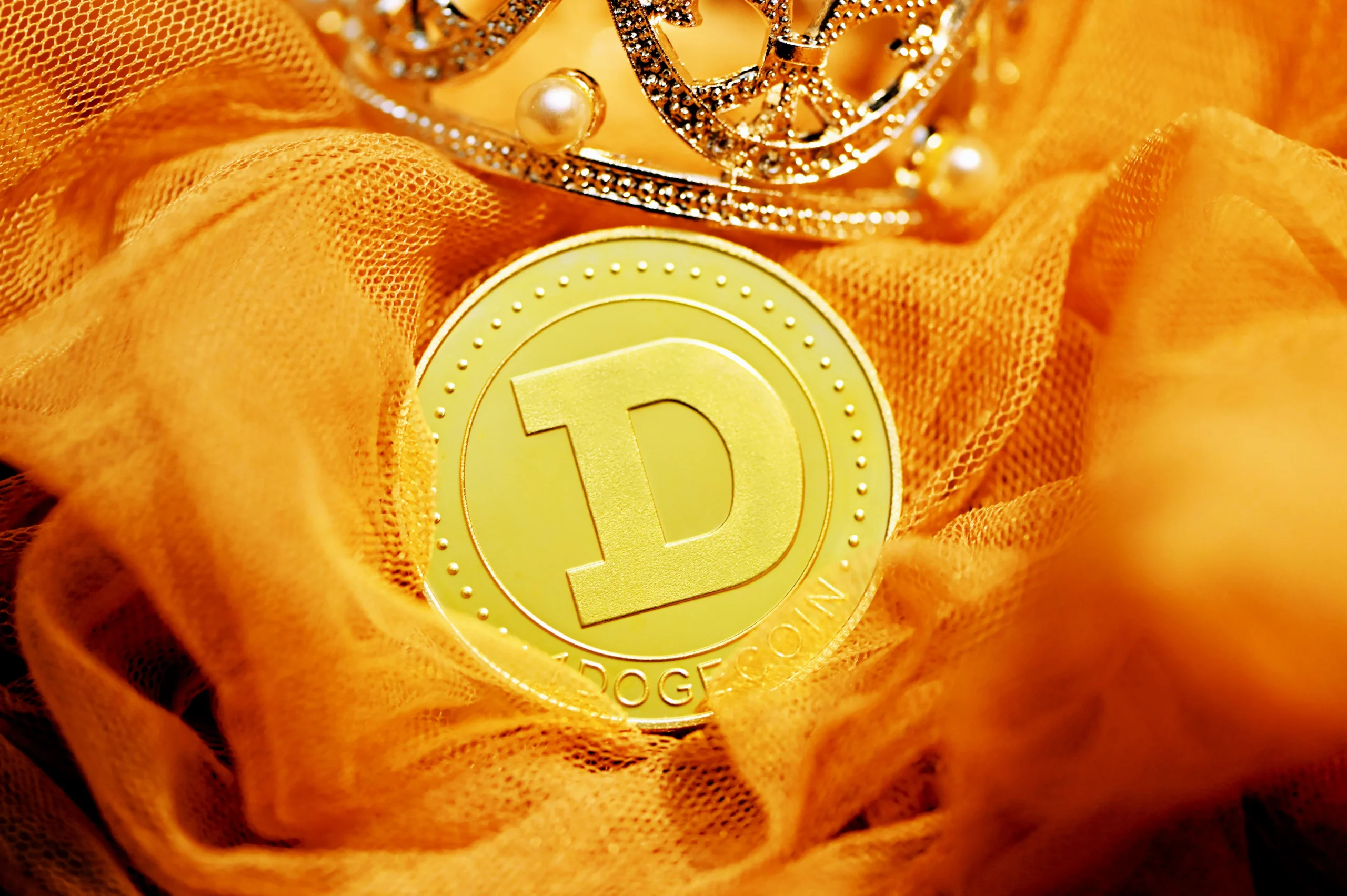
Dogecoin used to be the obvious answer when somebody mentioned a cryptocurrency based on a joke. Now the joke has plenty of company: Shiba Inu, Pepe, Floki and Bonk compete for the same attention, alongside a constant stream of newcomers promising to become the next internet sensation. Anyone considering a Dogecoin price prediction therefore has more to watch than Dogecoin’s own following. A rival can change what traders want to own even while the familiar dog remains instantly recognisable.
A rival’s sudden rally leaves a Dogecoin holder with a choice: stay with the coin they know, or sell it to follow the new excitement. Someone else can watch the same rally and decide Dogecoin still deserves their money. Those competing decisions are why another project’s success matters to DOGE, even if the two coins run on different networks. The original remains a point of comparison, but it has to share the market with the projects it helped inspire.
The original meme coin now shares the stage
Dogecoin brought people together around a friendly character and a joke they could share. Later projects copied that appeal and tried to give their communities more to do: locking tokens for rewards, removing tokens from circulation, trading through applications or collecting digital items tied to the project. Shiba Inu, for example, developed an ecosystem around its token. A trader comparing these projects consequently has different promises to consider, rather than just different mascots to choose between. More features give the community more to discuss, although they don’t by themselves establish what the token is worth.
That changes the choice for somebody already holding Dogecoin. They can enjoy the community and still decide that the next rally is happening elsewhere, selling DOGE to pay for the new position. The original’s history matters less to that decision than the gain the trader hopes to catch. Keeping a familiar name in the conversation consequently doesn’t ensure that the same people keep their money in it.
When traders move their money
A viral token doesn’t create an unlimited new supply of money to trade with. Some buyers bring fresh funds, while others sell something they already hold, and Dogecoin can be the position they give up. In that case the rival’s success creates selling pressure on DOGE even though nothing has changed on Dogecoin’s network. The movement reflects the trader’s choice between opportunities. The reverse is possible when the new story disappoints: somebody who sold Dogecoin can return to the familiar coin. They can also leave meme coins altogether, which is why a competitor’s collapse isn’t automatically good news for DOGE. What matters is where the money actually goes, not simply which token has stopped trending.
Culture is part of the price story
A business can point investors towards sales and earnings; a meme coin has a much less conventional way of sustaining interest. Dogecoin’s history and community help explain why people recognise it, share it and consider buying it. If a different meme takes over the conversation, that attention becomes harder to keep. Less discussion, fewer searches and less enthusiasm can leave fewer people looking for a reason to own DOGE. Yet familiarity also works in its favour. Dogecoin has been through successive waves of crypto enthusiasm, while a new project still has to establish that people will remember it after the first burst of publicity. That history gives the original a cultural advantage. It remains an advantage to defend rather than a promise that the price will hold.
Rivals raise the expectations
Competition gives Dogecoin’s community a reason to stay active instead of relying entirely on its past. When another project promotes an application, a reward system or a new partnership, supporters start asking what their own favourite is doing. That pressure can encourage development and keep people discussing the network’s future. A price dip and a more engaged community can therefore occur at the same time.
Why novelty loses its appeal
For a trader looking for the next discovery, Dogecoin’s familiar name can feel like evidence that the exciting part has already happened. A new token offers a different feeling: the chance to find something before the crowd arrives. When that project’s following starts falling apart, however, being unfamiliar loses much of its appeal, while Dogecoin is still there with a community the trader recognises. Some return for that reason, although choosing a familiar coin remains a speculative bet. This change in what feels attractive helps explain the movement between novelty and familiarity.
The wider cycle changes the contest
A trader who has been making money in a rising market can become more willing to take a chance on an unfamiliar meme coin. Against the prospect of another rapid gain, staying with Dogecoin can look unadventurous. Losses change that comparison: the same trader can become more interested in a name that has already survived a downturn than in a newcomer they know little about. That shift can favour Dogecoin relative to a rival without stopping DOGE from falling as well, because familiarity doesn’t remove the wider retreat from risk.
The familiar name traders return to
After following a succession of new projects, a trader doesn’t need Dogecoin’s story explained from scratch. They already know the name, recognise the community and remember how the coin behaved through earlier waves of enthusiasm. That gives them a familiar reference when deciding where to go next, and DOGE can attract some of the money moving out of a disappointing rival. The decision is still a speculative one: recognising a coin doesn’t make its price stable, and traders can choose to leave the sector instead. Dogecoin’s position comes from that accumulated familiarity, rather than from a formal reserve role.
How Dogecoin stays in the conversation
The rise of other meme coins puts Dogecoin under pressure, but pressure also gives its supporters reasons to adapt. Every new project competes for recognition, community activity and money; Dogecoin has to participate in that contest rather than watch it from outside. Being the original provides a head start in people’s memories, and maintaining that place is an ongoing job.
So the outlook reaches beyond Dogecoin’s relationship with Bitcoin or Ethereum. It also depends on the meme economy that grew around it: which stories catch on, where traders commit their money and whether the original still gives them a reason to return.

Caroline is doing her graduation in IT from the University of South California but keens to work as a freelance blogger. She loves to write on the latest information about IoT, technology, and business. She has innovative ideas and shares her experience with her readers.