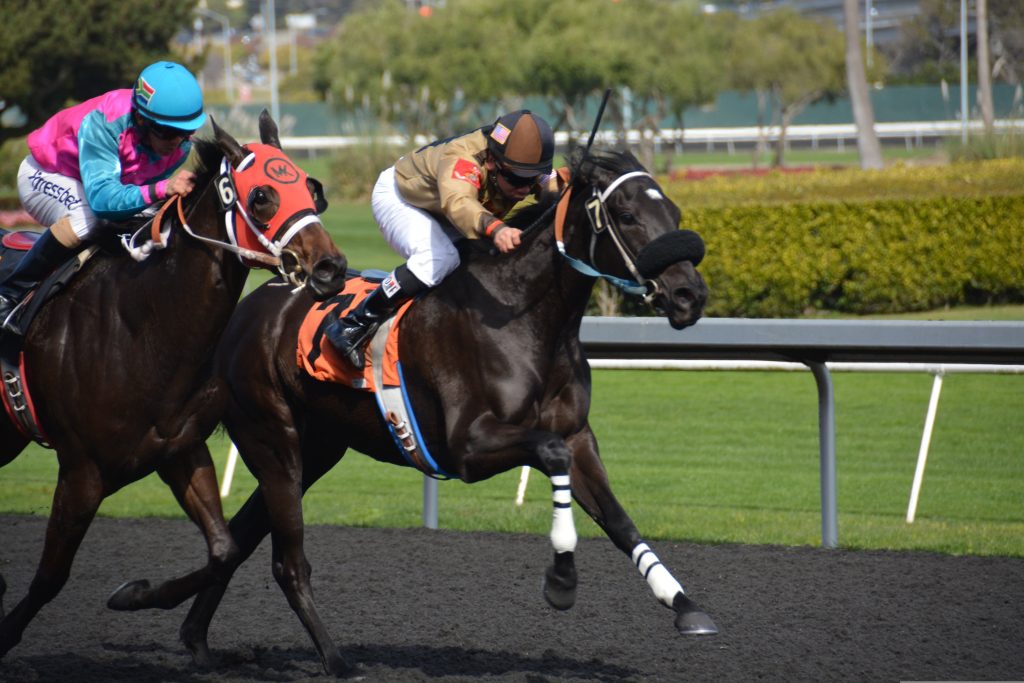
The Triple Crown season begins with a surge of anticipation, and the Kentucky Derby remains its most iconic entry point. Scheduled for May 2 at Churchill Downs in Louisville, Kentucky, the Derby not only crowns a champion but also sets the tone for the races that follow. For horse racing enthusiasts, it offers more than a single outcome, providing a data-rich foundation for analyzing future contenders.
From pace dynamics to finishing strength, the Derby and its lead-up reveal patterns that can shape expectations for both the Preakness Stakes and the Belmont Stakes. Each performance offers clues about form, stamina, and adaptability. By examining these signals closely, bettors can better understand how horses might perform as the Triple Crown unfolds, turning one race into a broader strategic lens for the entire series.
Using Derby Speed Figures for Preakness Insights
Speed figures and pace data from Churchill Downs often serve as a valuable reference point when evaluating Preakness contenders. These metrics highlight how efficiently a horse handled the Derby’s demanding tempo, offering insight into its ability to replicate or improve upon that performance at Pimlico. Horses that maintain consistent fractions or accelerate late tend to stand out in this analysis.
Within the Road to the Kentucky Derby, these performance indicators are tracked closely, giving bettors a layered understanding of each contender’s progression. A strong closing fraction in the Derby, particularly after navigating early pace pressure, often signals a horse capable of adapting to the slightly shorter distance of the Preakness.
Patterns emerge when reviewing past running’s. Horses that finish strongly in the final furlongs at Churchill Downs often carry that momentum into Baltimore. Runners that avoid early burnout while holding position also tend to translate their Derby form well, making speed figures a useful early benchmark.
How Derby Trip Trouble Shapes Preakness Betting Angles
Trip dynamics in the Kentucky Derby can significantly influence how a horse’s performance is perceived. Traffic, wide turns, and poor positioning can mask a horse’s true ability, creating opportunities for deeper evaluation ahead of the Preakness. These nuances are key to identifying contenders whose Derby results may not reflect their full potential.
Horses forced to race wide throughout the Derby typically cover more ground than their rivals, which can diminish their finishing position. Similarly, those encountering traffic issues in the stretch may lose valuable momentum. These factors are often overlooked in surface-level analysis but remain central to understanding underlying performance.
When these horses return for the Preakness, their prior challenges can translate into improved outcomes under different race conditions. Bettors who recognize these hidden indicators often gain a clearer perspective on which runners are poised to rebound. By focusing on trip trouble rather than just final placement, a more nuanced view of each contender emerges.
Kentucky Derby Distance Clues and Belmont Stamina Picks
The Kentucky Derby’s ten-furlong distance offers an early glimpse into a horse’s stamina profile, which becomes even more relevant when projecting performance in the Belmont Stakes. As the longest race in the Triple Crown at twelve furlongs, the Belmont places a premium on endurance and sustained pace.
Late-race performance in the Derby is particularly telling. Horses that continue to gain ground in the final furlongs demonstrate the staying power required for Belmont success. Even those that do not finish at the top of the field can reveal important clues if they maintain or increase their pace late in the race.
Sectional timing data also plays a role in this evaluation. A horse that slows less dramatically than its competitors in the closing stages often indicates a strong aerobic capacity. These distinctions help bettors identify which runners are suited for the Belmont’s extended distance, turning Derby data into a forward-looking analytical tool.
Spotting Belmont Contenders from Derby Trends
Historical trends show that not all Belmont contenders follow a direct path through the Preakness. Some horses bypass the second leg of the Triple Crown entirely, using the Kentucky Derby as their primary preparation before targeting the Belmont Stakes. These patterns provide valuable context for early analysis.
Horses that performed well in the Derby but showed signs of fatigue late often benefit from additional recovery time. With several weeks between races, these runners can return refreshed and better suited to the Belmont’s distance. Even if their Derby effort was incomplete, it still provides insight into their underlying ability.
Studying these patterns allows bettors to anticipate which horses might reappear as competitive Belmont contenders. By focusing on finishing trends, recovery potential, and race spacing, a clearer picture begins to form. This forward-looking approach enables a more informed assessment before Belmont entries and morning lines are finalized.
Turning Early Clues into a Broader Triple Crown Perspective
The Kentucky Derby offers more than a single result; it sets the foundation for understanding the rest of the Triple Crown season. From speed figures and trip analysis to stamina indicators and historical patterns, each element contributes to evaluating future races.
By examining how horses perform under the pressures of Churchill Downs, bettors can spot trends that carry over to Pimlico and Belmont Park. These insights are not definitive, but they provide useful direction when assessing changing fields and conditions. As the Triple Crown unfolds, the Derby remains a key source of early information. Those who study it closely gain a clearer view of how the season may progress, using one race to inform the next two.

Frankie Wilde – is a content writer at various gambling sites. Also, he is a passionate traveler and a great cook. Frankie shares informative articles with the world.