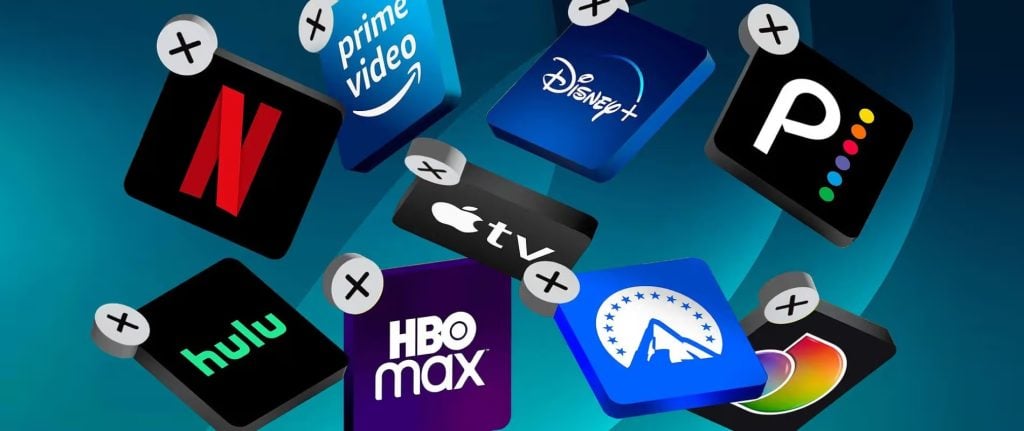
Picture an ordinary week: a new shonen episode lands in your feed about an hour after it airs in Japan, the group chat is still buzzing over the latest K-drama everyone binged, and a subtitled genre series sits queued alongside two prestige finales you haven’t gotten to yet. If that sounds like your viewing habits, this guide is built for you. Cutting the cable cord in 2026 isn’t really about saving a fortune anymore — it’s about putting together a stack that actually covers what a pop-culture fan watches, minus the cable box. Here’s how that stack comes together.
The 2026 Streaming Reality: More Apps, Higher Bills, Real Fatigue
Start with the uncomfortable math. Recent consumer-spending trackers suggest the average US household now spends somewhere in the neighborhood of $60 a month spread across roughly five streaming apps, with that total reportedly climbing close to twenty percent over the past year. Those aren’t hard, audited figures, but they line up with what most subscription bills already show. Netflix raised its US pricing at the end of March: Standard with Ads runs $8.99, ad-free Standard is $19.99, and Premium with 4K sits at $26.99. Disney’s combined Disney+/Hulu/ESPN Select bundle costs about $20 a month with ads or roughly $30 ad-free. Paramount also raised prices for new subscribers back in January.
Add up four or five of those subscriptions and you’ve rebuilt a cable bill without noticing. The fix isn’t subscribing to everything at once — it’s anchoring your spending around one or two services that actually match your viewing habits, filling the gaps with free ad-supported options, and layering in an always-on channel service only if you genuinely miss flipping through channels. The anchor comes first.
Start With Your Anchor: The Service That Carries Most of Your Watchlist
Open your watch history or continue-watching list on each app you already pay for and roughly tally how many hours you’ve actually used against what each one costs you monthly. For a lot of geeks, that math points to Netflix, which now doubles as a major anime destination alongside its Korean originals and simultaneous global releases. If your household leans more toward family viewing and franchise content, the Disney+/Hulu/ESPN Select bundle tends to deliver better value, bundling Marvel, Star Wars, Pixar, and FX’s Hulu-hosted prestige dramas under one login.
Prime Video is worth a second look too. When Amazon shut down Freevee in September 2025, its free ad-supported library got folded directly into Prime Video, so that free tier is now available even to people without a paid Prime membership. That makes it a useful catalog to keep in rotation whether or not you’re paying for the full service.
Where Prestige TV Actually Lives in 2026
This is where a lot of people get confused, so it’s worth being precise. HBO Max — rebranded back from the shortened “Max” name in 2025 — remains the home for prestige releases like the ‘The Last of Us’ and ‘The Penguin’ spin-offs, keeping the full HBO original catalog under one roof. You may have also heard about the pending merger between Paramount Skydance and Warner Bros. Discovery. Shareholders have approved the deal, and it cleared its main US antitrust review earlier in 2026 — in plain terms, that means American regulators signed off that the merger wouldn’t unfairly limit competition. As of this writing, though, reviews in the EU, at the FCC, and in the UK were still ongoing, and the deal hadn’t officially closed. That’s subject to change, but for now HBO Max and Paramount+ remain two separate apps you’d need to subscribe to individually; a single combined service is planned for after the merger finalizes, not something available today. Meanwhile, FX-caliber drama keeps living on Hulu, and Apple TV continues quietly producing some of the best-reviewed original programming around.
The Anime Layer: Crunchyroll, HIDIVE, and Netflix Simulcasts

Anime fans generally need a dedicated layer on top of everything else, and Crunchyroll still anchors that layer. Now owned by Sony and having absorbed Funimation’s catalog, it holds the largest licensed anime library in the US and near-simulcasts most seasonal shows — meaning new episodes typically post within an hour of their original Japanese broadcast rather than weeks later. Pricing rose for US subscribers in early March 2026: Fan costs about $9.99 for a single stream and now includes offline downloads on one device, Mega Fan runs roughly $13.99 for up to four simultaneous streams, and Ultimate Fan extends that to six streams. Worth noting: running several simultaneous 4K or HD streams, as the Mega Fan tier allows, depends on having enough home internet bandwidth to support them without buffering. For whatever Crunchyroll doesn’t carry, HIDIVE fills in with deeper-cut titles, niche simulcasts, and dubs the bigger platforms tend to skip, making it a cheap and worthwhile add for anyone trying to see everything.
Where Netflix Fits, and the Password Reality
Crunchyroll isn’t the only serious anime option anymore. Third-party audience measurement reportedly shows Netflix has pulled ahead of Crunchyroll on overall anime reach in the US, though Crunchyroll still holds the edge on simulcast speed and the deeper licensed catalog — and that reach comparison remains something of a contested claim depending on which tracker you trust. Netflix’s anime tends to arrive as select simulcasts or batched season drops rather than the near-instant seasonal grind, but if you’re already paying for it for the Korean dramas and originals, you might cover a decent chunk of your anime watchlist there without adding a second bill. One thing worth planning around regardless of which services you pick: password-sharing crackdowns over the past couple of years have largely ended the casual account-borrowing that used to pad a lot of people’s anime habits, so budget for the subscriptions you actually rely on.
Covering Live TV, Sports, News, and International Channels
This is where cord-cutters who miss cable’s “just turn it on” simplicity have real options. For traditional live TV, YouTube TV remains the go-to for sports and local channels, and after Fubo and Hulu + Live TV merged in October 2025 — with Disney now owning roughly 70% of the combined company — both still operate as separate consumer products you can choose between.
The free tier of live TV has gotten genuinely strong. Tubi, owned by Fox, carries what’s generally considered the largest free on-demand library and is widely described as the most-used free streaming service in the country. The Roku Channel offers hundreds of live channels without requiring any Roku hardware, Pluto TV carries more than 400 live channels, and Samsung TV Plus stocks upward of 500 US channels. These are often grouped under the term FAST, short for free ad-supported streaming television — services that run like traditional channels, complete with ad breaks, but cost nothing to watch. Stack a handful of these together and you have a solid free grid before spending anything.
For viewers who want more, particularly international sports, news, and entertainment pulled from many different countries, IPTV is the category to know. Unlike a typical streaming app, an IPTV service delivers a package of live channels and on-demand video over your internet connection rather than through a satellite dish, an antenna, or a physical cable line. One example in that category is Apollo Group TV, which pairs an always-on channel wall with a fairly large 4K on-demand library, runs without a contract, costs around $13 a month, and works across Firestick, Android TV, smart TVs, and mobile devices. Browsing through its Channels lineup gives a sense of just how many live feeds are bundled into that single subscription. It’s worth keeping in mind that IPTV packages advertising large numbers of international channels can vary quite a bit in how those feeds are licensed, so it’s worth checking exactly what’s included before signing up for any of them. Where a service like this earns its keep is sheer breadth and that constant, channel-surfing feel, especially for international content. Where it falls short is discovery: a big live-TV grid won’t learn your taste the way an algorithm does, and it’s no substitute for a dedicated app’s guaranteed encode of a specific prestige show on release day. Think of it as an always-on layer sitting alongside your other streamers, filling the cable-grid gap rather than replacing something like HBO Max.
Pick the Right Device: Firestick vs Roku vs Apple TV vs Google TV
Your hardware sets the ceiling for everything above — and it’s worth noting that most of the higher tiers discussed here, from Netflix’s 4K plan to Crunchyroll’s streaming caps, only show a visible benefit if you’re watching on an actual 4K-capable television. For most people, a $30 to $50 streaming stick handles everything in this guide in crisp 4K, though the right box still depends on what you want from the interface.
Roku
Roku is reportedly still the most-used streaming platform in the US, showing up in the mid-to-high 50s in percentage terms across various cord-cutter preference surveys. Budget sticks like the Roku Streaming Stick Plus are an easy, affordable entry point, and Roku’s neutral, app-agnostic home screen keeps every service just one click away.
Fire TV Stick 4K
Amazon’s Fire TV Stick 4K, along with the Walmart Onn 4K, are solid cheap alternatives that handle fast 4K playback without much fuss. Both are reasonable picks if price matters more to you than interface polish.
Apple TV 4K
For a more premium experience, the Apple TV 4K, built around the A15 Bionic chip, is the fastest and most polished box available, with no ads cluttering the home screen and arguably the best remote in the category. It’s the natural pick if you’re already in the Apple ecosystem and care about Dolby Atmos audio and a clean interface.
Google TV Streamer
The Google TV Streamer is a strong 4K option for anyone in the Android ecosystem, offering a solid recommendation engine and smart-home integration. Some enthusiasts still hang onto an aging Nvidia Shield purely for emulation purposes, even though newer hardware has largely passed it by.
Beat the Bill: Ad Tiers, Rotation, and a Lean Stack
You don’t need to run every service simultaneously to keep this stack workable. Ad-supported tiers have become the default entry point at most streamers, and the majority of new Netflix sign-ups reportedly land on the ad tier by default, so tolerating a few commercial breaks can meaningfully cut your bill. Subscription rotation is the other lever worth pulling: keep one or two anchor services running year-round, then subscribe to something else just long enough to finish the show you’re after. Sign up for HBO Max for a month to burn through a returning drama, then cancel and rotate to whatever’s airing next. One practical detail matters here — most services auto-renew on a fixed monthly billing date tied to when you first signed up, so cancelling a day or two ahead of that date is safer than waiting until right after the finale airs, which can trigger an extra billing cycle you didn’t mean to pay for. Because most of these plans are month-to-month with no contract, hopping between them is generally frictionless.
A Sample 2026 Geek Streaming Setup
Here’s roughly what a lean but complete geek stack looks like in practice: Netflix as the anchor (ad tier if budget matters) for Korean originals, tentpole releases, and a growing anime slate; Crunchyroll Mega Fan for near-simulcast seasonal anime, with HIDIVE added if you chase deeper cuts; HBO Max rotated in only while a specific prestige show like ‘House of the Dragon’ is airing, then dropped once it wraps; Tubi, The Roku Channel, Pluto TV, and Prime Video’s free tier covering the long tail of movies and reruns at no cost; and an optional IPTV layer if you want a constant channel grid with international sports or news. Run the whole thing through a Roku stick or an Apple TV 4K. From there, tune the anchors to your specific tastes — swap in the Disney bundle if your household is family-and-franchise focused, route K-dramas through Rakuten Viki’s free tier or Kocowa, and send foreign film toward the Criterion Channel or Mubi.
Where Each Layer Falls Short
No stack is flawless, and knowing where each piece stops is part of building a good one. Paid streaming apps deliver the best picture quality, same-day releases, and personalized recommendations, but every one you add is another line item on your monthly bill. Free FAST services are hard to beat on price and sheer breadth, though they run thin when it comes to new prestige television. A live-TV or IPTV layer nails the always-on, international, high-volume experience, but it won’t curate anything for you the way an algorithm does. The real skill in 2026 isn’t picking the single best service — it’s matching each layer to the specific job it’s actually good at.
FAQ: Watching TV, Movies, and Anime Without Cable in 2026
What is the cheapest way to watch TV without cable in 2026? Start with the free tier — Tubi, The Roku Channel, Pluto TV, Samsung TV Plus, and Prime Video’s free content cost nothing — then add a single paid anchor on its ad-supported plan.
How do I watch anime without cable? Crunchyroll remains the anime backbone thanks to its catalog size and near-simulcast speed, with HIDIVE picking up niche titles Crunchyroll misses and Netflix covering a surprising amount of ground if you already subscribe for other reasons.
Where does prestige TV stream in 2026? See the section above — HBO Max, Hulu, and Apple TV remain the three main homes for it, and the Paramount/Warner Bros. Discovery merger hadn’t closed as of this writing.
Can I get live channels without a cable box? Yes. Services like YouTube TV, Hulu + Live TV, and Fubo cover sports and local channels, free FAST apps cover a broad general grid, and IPTV subscriptions such as Apollo Group TV add a large wall of live channels plus an on-demand library for a flat monthly fee.
Do I need a 4K TV to benefit from 4K streaming tiers or devices? Yes, generally — paying for a 4K streaming plan or buying a 4K-capable streaming box only produces a visibly sharper picture if the television itself supports 4K resolution; on an older HD set, the higher-tier plans mostly just cost more without changing what you see.
Article Disclaimer:
This article is for informational purposes only. Streaming service pricing, content libraries, live sports rights, bundles, and regional availability may change over time. Always verify current plans and content offerings before subscribing.

Caroline is doing her graduation in IT from the University of South California but keens to work as a freelance blogger. She loves to write on the latest information about IoT, technology, and business. She has innovative ideas and shares her experience with her readers.