
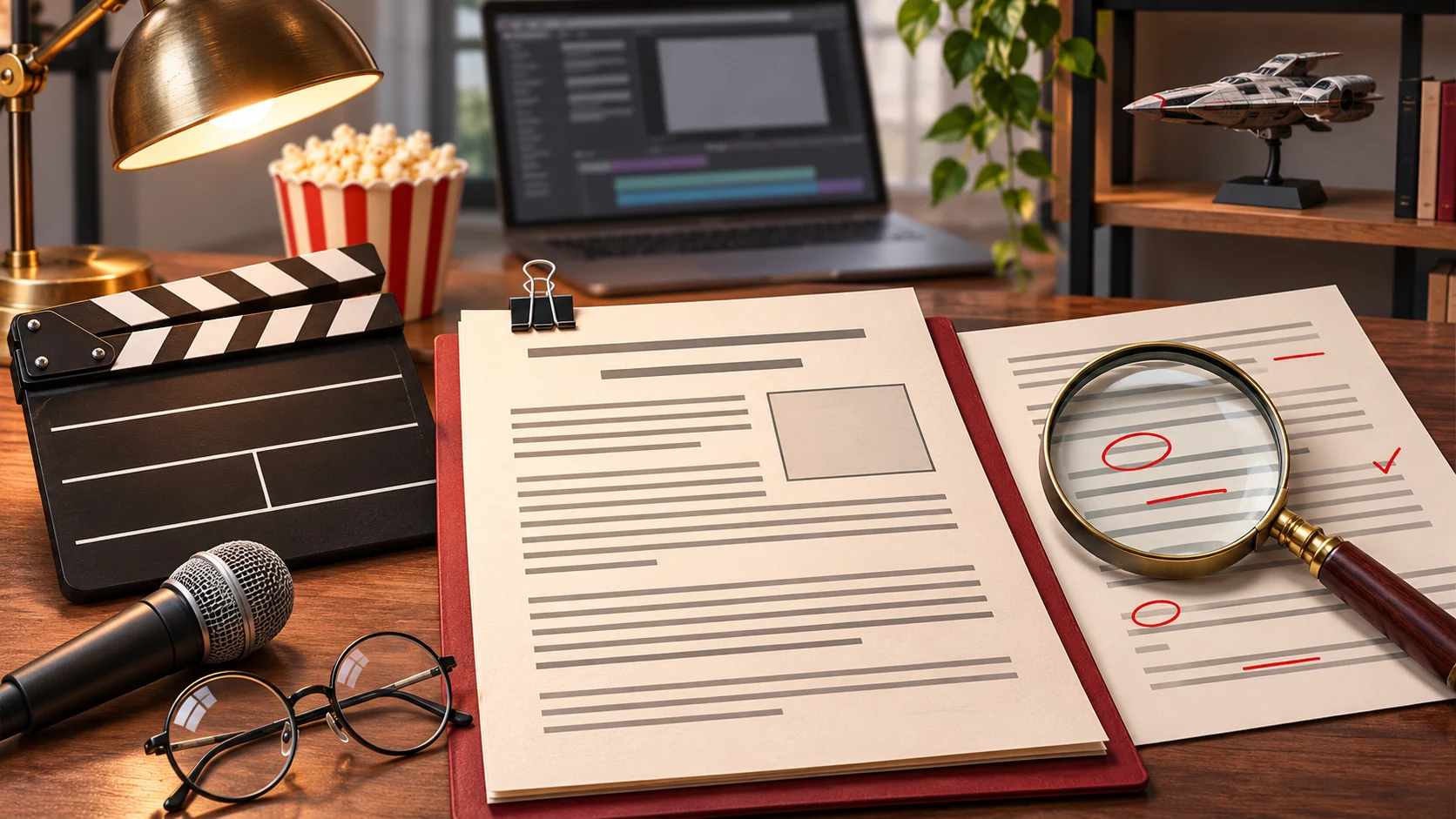
A movie announcement can sound huge in a studio’s inbox and still leave readers asking the basic questions: What is happening, when can I watch it, and why should I care? The iCopify press release editorial guidelines offer a useful framework for answering those questions without turning a news item into a block of promotional copy. For entertainment, film, and sports coverage, a clear release gives editors solid facts to work with while leaving room for independent reporting and opinion.
That distinction matters to a site such as Geek Vibes Nation, where readers come for conversation about movies, television, gaming, and sports—not just a replay of a company’s marketing language. A release can flag a project or event worth covering, but its job is to communicate the news accurately. It should not pretend that a promotional claim is an established fact or bury the actual announcement beneath superlatives.
Lead with the news, not the pitch
The first paragraph should make the announcement easy to understand. A film release might name the movie, its director or principal cast, and the relevant release date or distribution detail. A sports announcement might identify the event, teams, venue, and schedule. If the news is a casting change, a new trailer, or a production milestone, state that plainly before explaining the wider context.
Editors should not have to dig through a long company history or a string of grand claims to find the central fact. A useful test is whether someone could summarize the announcement after reading the opening paragraph. If the answer is no, move the essential detail up and save background information for later.
Separate confirmed details from promotional claims
Specific information gives a release value. Include names, dates, locations, platforms, runtime, ticket information, or other details that are confirmed and relevant to the announcement. Technical specifications can matter too: a release about a game adaptation, a remastered film, or a special theatrical presentation may need to explain formats, supported platforms, or screening technology. Avoid guessing where information has not been announced. “Coming this fall” is safer than inventing a date, but a confirmed date is more useful still.
Promotional language needs more care. Calling a film “the most anticipated release of the year” is an opinion, not a verifiable fact. Claims about record-breaking sales, audience response, awards, or research should come with a clear basis. If a quote comes from a director, athlete, executive, or researcher, identify the person and retain the wording accurately. Quotes should add perspective or explain a decision—not simply repeat the headline in a different voice.
For a closer look at how these pieces fit together, this guide to press release essentials uses an annotated example to distinguish useful announcement details from information better placed elsewhere. That separation is especially helpful when a release includes pricing, technical notes, research, or a long list of promotional claims.
Keep the release focused and the website complete
A press release should provide enough context to make the announcement intelligible, but it does not need to function as a full reference page. Long biographies, complete product specifications, frequently asked questions, and changing ticket or subscription details are often easier to maintain on an official website. The release can point readers toward those resources in normal copy, while keeping its own focus on what is new.
This is practical as well as editorial. Details such as prices and availability can change, and a release distributed widely may continue circulating after the information is out of date. A dated announcement should say when its information applies. Editors can then check current details separately rather than treating every sentence in an old release as timeless.
Make it easy to verify and use
Names and spellings matter, particularly when a project involves a large ensemble, an unfamiliar production company, or a less widely covered league. Include the correct titles and roles, and explain acronyms on first use. A contact route for follow-up questions is useful, but it should not be confused with a demand for coverage. Include accessible image or video information where relevant, and clarify credits and usage terms so editors know what materials they can publish.
Before sending, check dates, links, figures, and quote attribution. Remove repeated claims and language that could apply to almost any film or event. In entertainment journalism, a sharply defined detail—a confirmed premiere, a creative collaborator, or a change to a tournament schedule—usually gives readers more than another declaration that something is “exciting.”
Editorial standards begin before publication
These habits also help teams working with outside writers, designers, video editors, or publicists. A concise brief can specify the deliverable, deadline, factual sources, and approval process, avoiding confusion when several people contribute to a campaign. Some businesses compare marketplaces such as Osdire and Upwork when looking for a freelance platform for freelancers who hate bidding; whichever route they use, a defined scope and clear expectations make the work easier to assess.
Ultimately, a strong release respects both the editor’s time and the reader’s intelligence. Put the news first, support factual claims, label opinions as opinions, and reserve evergreen or frequently updated information for the right place. That approach will not guarantee coverage—and it should not. It does make an announcement clearer, more credible, and far more useful to the people deciding whether the story deserves a closer look.

Amanda Dudley is a lecturer and writer with a Ph.D. in History from Stanford University. After earning her doctorate in 2001, she decided to pursue a fulfilling career in the educational sector. So far, she has made giant strides by working as an essay writer for EssayUSA, where she delivers high-quality academic papers to students who need them.