

#ad
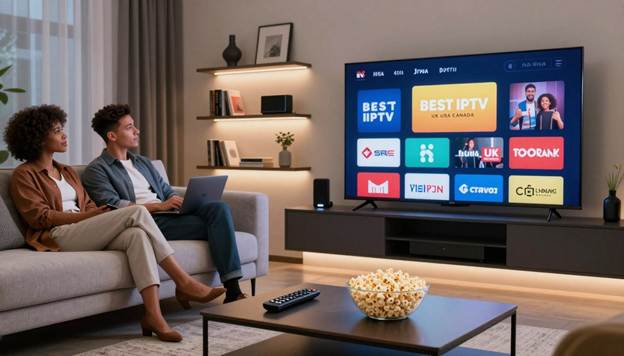
The landscape of home entertainment across the United Kingdom is undergoing a rapid transformation. As we look towards the future, many households are moving away from traditional aerial broadcasts to embrace more flexible digital alternatives. Choosing an Best iptv subscription 2026 model allows viewers to take full control of their viewing schedules with ease.
The Evolution of Television Streaming
Television in the UK has moved from scheduled programming on satellite and cable networks to internet-based streaming services.
Viewers now expect instant access to content across multiple devices, including smart TVs, tablets, and smartphones.
This shift reflects a broader change in media consumption habits, where convenience and control are more important than fixed broadcast schedules.
When deciding on an iptv subscription 2026 it requires a basic grasp of how modern streaming technology functions. Unlike legacy systems that rely on physical signals, this method uses the internet to deliver content directly to your device. This transition represents a major leap forward in how households across the United Kingdom access their favourite programmes.
What Is IPTV and How Does It Work?
IPTV (Internet Protocol Television) delivers television content over internet connections rather than traditional satellite or cable signals.
Instead of broadcasting content to all users at once, IPTV sends data on demand when a viewer selects a program. This allows for a more personalized viewing experience.
How IPTV Differs From Satellite TV
- Delivery Method: Internet-based vs satellite broadcast
- Flexibility: On-demand content vs scheduled programming
- Interactivity: Personalized streams vs one-way broadcast
Internet Requirements for Streaming
A stable broadband connection is essential for high-quality IPTV streaming.
Fiber-optic internet is recommended for smooth playback and reduced buffering.
- Minimum 25 Mbps for HD streaming
- 50+ Mbps recommended for 4K content
- Wired Ethernet preferred for stability
Key Benefits of Modern IPTV Services
On-Demand Viewing
IPTV allows users to watch content whenever they choose, removing the limitations of broadcast schedules.
Multi-Device Access
Content can be streamed across smart TVs, smartphones, tablets, and computers with synchronized viewing progress.
Cost Efficiency
Many streaming services offer flexible pricing compared to traditional cable packages, often with no long-term contracts.
Legal Considerations
Not all IPTV services operate legally. It is important to choose licensed providers that have broadcasting rights in your region.
Legal services such as Netflix, BBC iPlayer, ITVX, and Amazon Prime Video ensure compliance with copyright laws and provide stable service quality.
Unlicensed services may carry risks including poor reliability, security vulnerabilities, and potential legal issues.
Essential Features to Look For
- Electronic Program Guide (EPG)
- Cloud-based recording options
- Multi-device synchronization
- User-friendly interface
Recommended Devices for Streaming
IPTV services can be accessed through a variety of devices depending on user preference and performance needs.
- Amazon Fire TV Stick 4K
- Apple TV 4K
- NVIDIA Shield TV
- Modern Smart TVs with built-in apps
Security and Privacy Tips
Streaming users should take steps to protect their data and devices when using online services.
- Use a trusted VPN for privacy
- Avoid unofficial or unverified apps
- Enable two-factor authentication where possible
- Keep software and firmware updated
Future of IPTV Technology
IPTV continues to evolve with advancements in artificial intelligence, personalization, and video quality improvements.
Emerging technologies such as AI-driven recommendations and 8K streaming are expected to shape the next generation of home entertainment systems.
Conclusion
IPTV represents a major shift in how audiences consume television content. With improved flexibility, device compatibility, and streaming quality, it continues to replace traditional broadcast models.
Choosing legal, high-quality streaming services ensures a safer and more reliable viewing experience for the long term.
FAQ
Is IPTV legal?
IPTV is legal when provided by licensed services that hold distribution rights for their content.
What internet speed do I need?
At least 25 Mbps is recommended for HD streaming, with higher speeds required for 4K or multiple users.
Can I watch live TV on IPTV?
Yes, many legal IPTV platforms offer live television alongside on-demand libraries.
Do I need special equipment?
No special equipment is required beyond a compatible device such as a smart TV, streaming stick, or smartphone.
Disclaimer: This article is for informational and editorial purposes only. We do not host, operate, or control any IPTV services mentioned. We make no guarantees regarding the legality, reliability, uptime, or content availability of any third-party IPTV provider. IPTV services may be subject to copyright or licensing restrictions depending on your jurisdiction. Users are solely responsible for ensuring compliance with all applicable local laws before accessing or using any service discussed.

Andrea Bell is a blogger by choice. She loves to discover the world around her. She likes to share her discoveries, experiences and express herself through her blogs. You can find her on Twitter:@IM_AndreaBell