
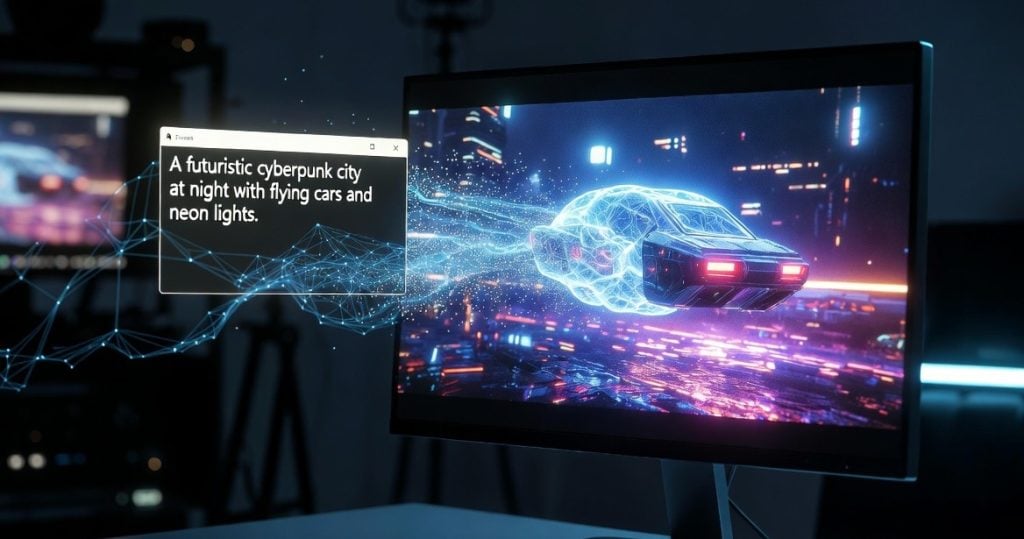
AI video generation is moving quickly, and creators now have more options than ever for turning text prompts into short visual clips. Instead of depending only on traditional video editing, stock footage, or expensive production workflows, users can describe a scene and let an AI model generate motion, atmosphere, and cinematic direction. For creators who want a faster and more practical text-to-video workflow, Kling 3.0 Turbo is a strong model to explore.
The appeal of a “Turbo” model is easy to understand. Many creators do not want to wait too long just to test an idea. They need a model that can support fast experimentation, prompt testing, and creative iteration. In AI video, speed matters because the first result is rarely the final result. Users often need to adjust the prompt, change the camera movement, refine the subject, or test a different visual mood before they find the strongest version.
That makes Kling 3.0 Turbo especially relevant for creators who work with short-form content, social media clips, product visuals, concept trailers, and advertising ideas. These projects often depend on quick visual impact. A short video needs to catch attention immediately, communicate a clear idea, and feel visually engaging enough to stand out in a crowded feed.
Why Kling 3.0 Turbo Matters for Creators
Kling 3.0 Turbo is useful because it fits the way many modern creators actually work. A content creator may need several versions of the same idea before choosing one. A marketer may want to test different product scenes for an ad campaign. A filmmaker may want to visualize a cinematic shot before building a larger storyboard. A designer may need a motion draft to present a visual direction to a client.
In each of these cases, a fast AI video model can reduce friction. Instead of treating every generation as a final production attempt, users can explore more freely. They can test different prompts, compare outputs, and refine the best result. This makes the creative process more flexible and less intimidating.
AI video is not only about producing one impressive clip. It is also about building a repeatable workflow. A model that supports fast testing can help creators move from rough concept to usable draft more efficiently.
A Practical Tool for Text-to-Video Workflows
Text-to-video generation is powerful because it lets users begin with language. A prompt can describe the subject, environment, lighting, motion, camera angle, and mood of a scene. With the right wording, creators can guide the AI toward a specific visual result.
For example, a user might describe a futuristic city street at night, a product rotating under soft studio lighting, a fantasy landscape with drifting mist, or a fashion model walking through a cinematic urban scene. These kinds of prompts give the model a clear creative direction while still leaving room for visual interpretation.
Kling 3.0 Turbo can be especially helpful during the drafting stage. Users can test whether a scene idea works visually before spending more time on editing, branding, or final production. This is valuable for teams that need speed, but still want creative control.
Useful for Social Media, Marketing, and Concept Development
Short-form platforms reward creators who can produce fresh visual content consistently. TikTok, Instagram Reels, YouTube Shorts, and similar platforms all depend on quick attention and strong visual hooks. AI video tools can help creators generate more ideas and test which ones feel most engaging.
For marketing teams, Kling 3.0 Turbo can support product teasers, campaign drafts, promotional clips, and visual experiments. For independent creators, it can help turn story ideas, character concepts, and mood boards into moving video drafts. For developers and creative platforms, it can become part of a broader AI-powered content workflow.
Why Flaq AI Is Worth Trying
Flaq AI is worth trying because it gives users a practical place to explore AI video models without making the workflow feel overly complicated. Instead of spending too much time setting up tools or searching across different platforms, creators can focus on writing prompts, testing scenes, and reviewing video results.
This matters because AI video performance depends heavily on the prompt and use case. A model may perform differently with product shots, cinematic scenes, abstract visuals, or character-focused motion. Testing directly is the best way to understand whether the model fits a specific creative need.
Final Thoughts
Kling 3.0 Turbo is a practical option for creators who want faster AI video generation and more room for creative experimentation. It can be useful for text-to-video drafts, social media clips, marketing visuals, cinematic concepts, and early-stage production planning.
As AI video tools continue to improve, speed and usability will become just as important as visual quality. Creators need models that help them test ideas quickly, refine prompts efficiently, and produce videos that match their creative goals. For anyone exploring modern AI video workflows, Kling 3.0 Turbo on Flaq AI is a model worth trying.

Sandra Larson is a writer with the personal blog at ElizabethanAuthor and an academic coach for students. Her main sphere of professional interest is the connection between AI and modern study techniques. Sandra believes that digital tools are a way to a better future in the education system.