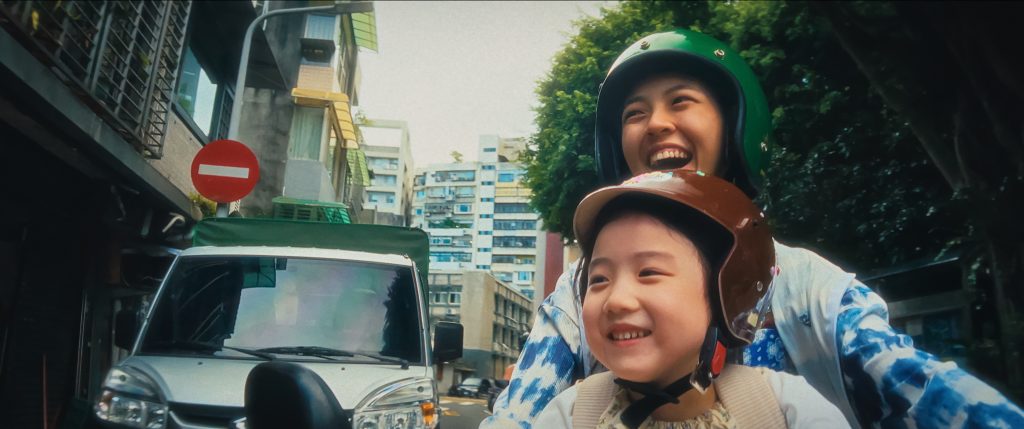
We find ourselves in Taipei. A single mother and her daughters return from the countryside with the hopes of starting over again in the city. Opening a stand at a night market, we are thrown into the hustle and bustle of family life. As cultural challenges and orders of tradition emerge, this family unit will be stretched to its limits. For us, the viewer, the experience plays more like a documentary than a traditional film. We are watching these lives evolve in both the dull and high stakes of day-to-day living. At times poetic and quiet, while at the same time being profound and urgent, Left-Handed Girl invites us to experience a journey in Taipei through the eyes of a family wanting nothing more than to endure.
The film is the directorial debut of Shih-Ching Tsou, who also co-wrote it with Academy Award-winning director Sean Baker. (Baker also produces it with her). This first outing in the director’s chair by Tsou is masterful. The story itself is touching. Lending itself to a guerrilla style of filmmaking, we are on the ground level in a way that never feels aggressive but intimate.
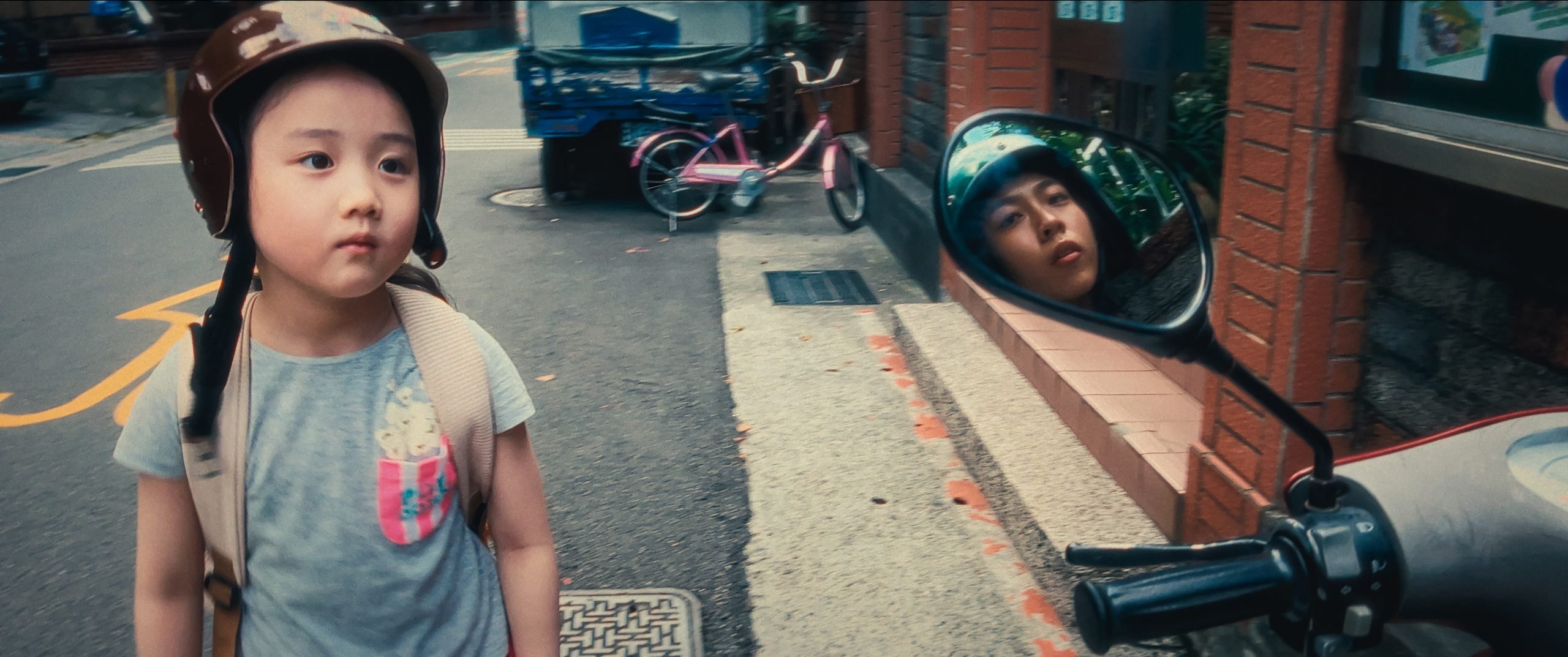
Shot entirely on an iPhone, the movie has a natural immediacy. We see a window into this family’s lives as they navigate cultural challenges and changing societal norms. Part of its brilliance is its ability to move with quiet determination. We do not know where we are going, but we enjoy the journey. Much of this film covers slices of life that are neither pleasant nor happy, but, in a way reminiscent of The Florida Project, the focus is kept on the youngest of Fen’s daughters, I-Jing (Nina Ye).
Ye is a little girl surrounded by the bright, glitzy lights of a nighttime food market. Keeping much of the story centered around this precious child allows us to see the world through her eyes. Again, here is where the decision to shoot on an iPhone is a stroke of genius. The perception is chaotic at times, as it should be when considering a little girl’s perspective.
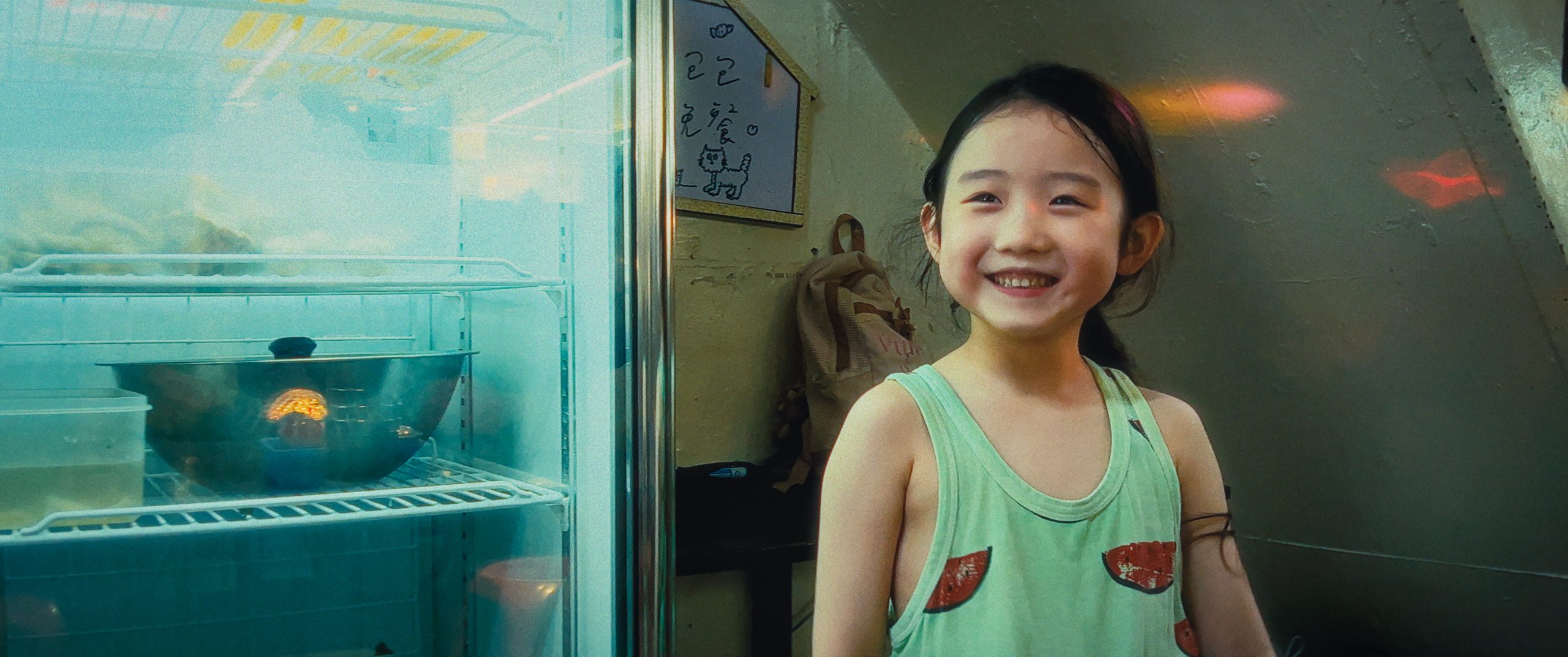
The trigger point for this film and much of the tension, in addition to the day-to-day aches, is the grandfather played by Akio Chen. He represents a clash of cultural and shifting perspectives. To further that point, he instills in I-Jing, who is left-handed, a sense of trepidation that being so is ‘devil’s work’.
As someone left-handed, I can immediately relate to I-Jing, insofar as growing up in school, I was always the only one in my class who was a southpaw. Left-handedness is forbidden by her grandfather, echoing a call back to a time when lefties were viewed as possessed or unlucky. As a form of societal and family rebellion, I-Jing’s lefthandedness becomes a clarion call that helps her understand both herself and her family.
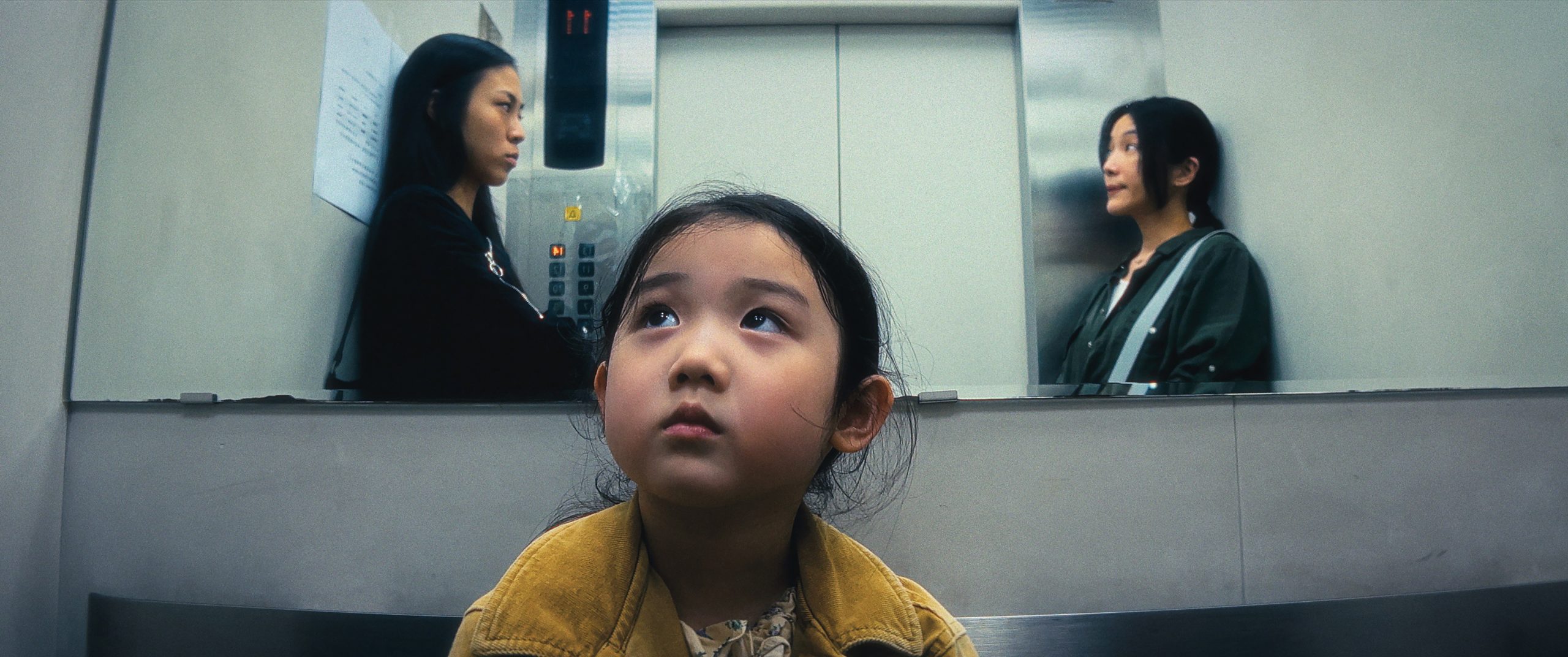
It is by design that matters unfold in unflashy fashion. There is a journaling to the day-to-day rigors of single mom Shu-Fen (Janel Tsai) and her daughters, I-Ann (Shi-Yuan Ma), and the youngest, I-Jing. Mother and daughters are three trying to navigate their new environment. They are trying to live financially and individually. We watch them circumvent the disruption to their family unit as the demands of money intervene.
The story is not so much about a singular event, but about the myriad of tiny moments, good and bad, that make up everyday life. It is this fact that makes the film feel intimate and universally relatable. Whether in Taiwan, America, or any country on the globe, we can relate to the struggles of making ends meet. We all understand the trials of family life. We all have a familiar history of generational divides and hush-hush family secrets.
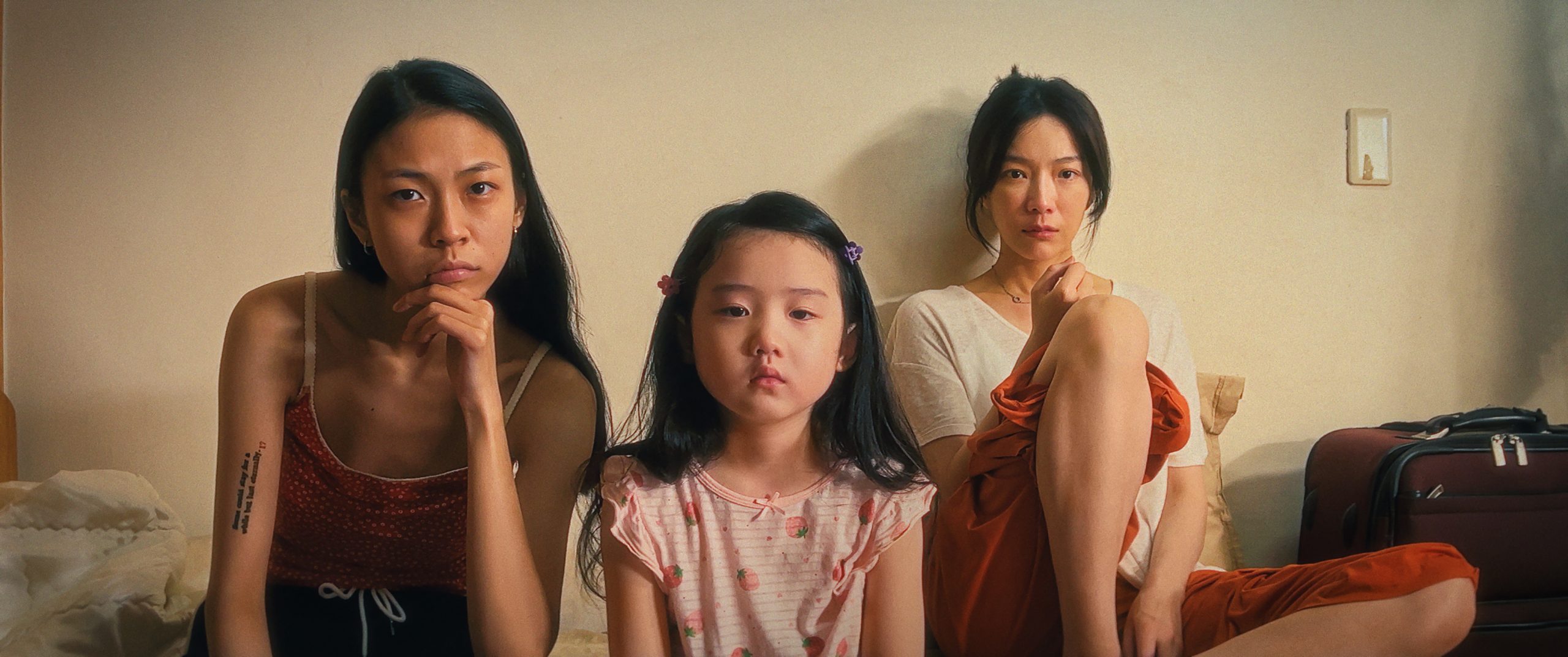
For some, the film may feel dragging in points. Much of the conflict does not present itself until the end. Further, the story itself is much less concerned with big points erupting, but instead showcases smaller, more intimate moments. For at the end of the day, much of life is about the day-to-day moments and struggles. The problems may seem small on a grand scale, but are tremendous inside a family circle.
Left-Handed Girl embraces much of what we have come to expect from a Sean Baker story, and even though Tsou is behind the director’s chair, his signature is all over this film. However, Tsou can bring her real-life experiences into what is essentially a working-class story. The fact that this movie centers on three women across three generations is noteworthy. We understand the past, present, and future.
We embark on a story of change that becomes about clarity. The past is never prologue, especially in families. And, perhaps above all, we understand the means of identity in a world that values conformity over originality.
Left-Handed Girl is currently available to stream on Netflix. The film is currently Oscar-shortlisted for Best International Film at the upcoming Academy Awards.
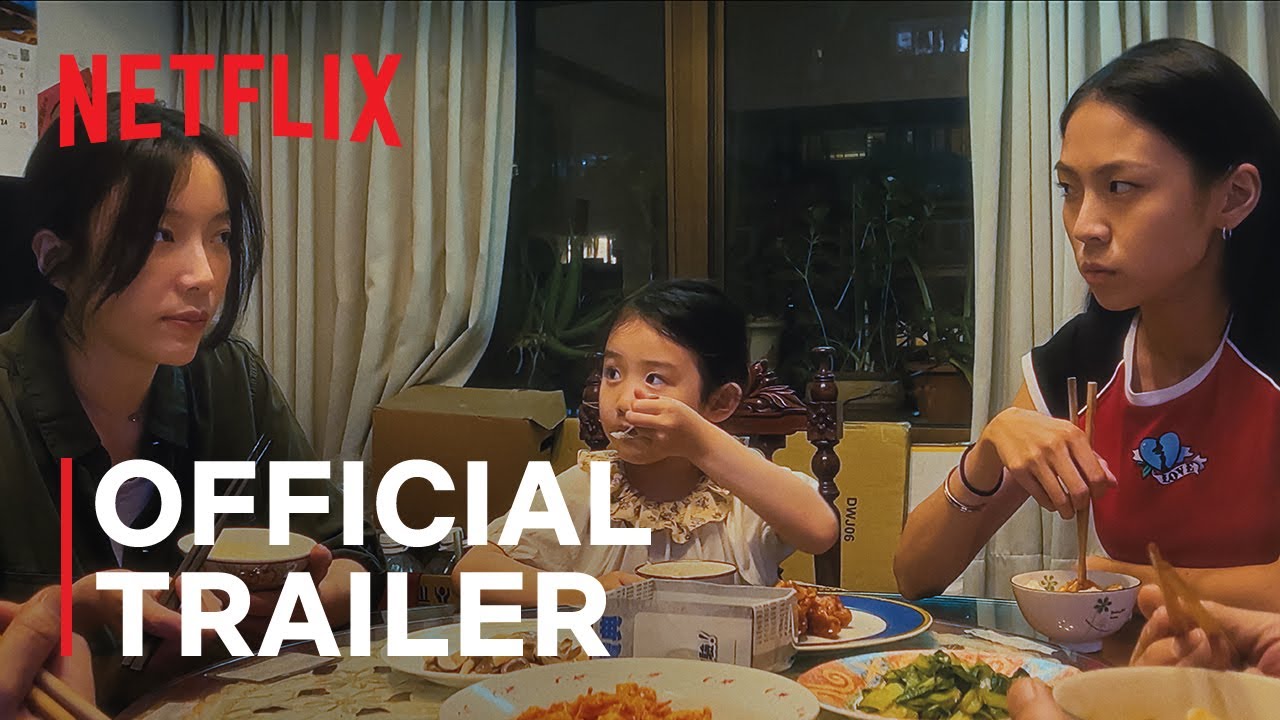
This first outing in the director's chair by Tsou is masterful. The story itself is touching. Lending itself to a guerrilla style of filmmaking, we are on the ground level in a way that never feels aggressive but intimate.

Writing & podcasting, for the love of movies.
His Letterboxd Favorites: The Dark Knight, Halloween, Jaws & A Christmas Story.