Established by Martin Scorsese in 2007, The Film Foundation’s World Cinema Project has maintained a fierce commitment to preserving and presenting masterpieces from around the globe, with a growing roster of more than sixty restorations of works by essential filmmakers. This collector’s set gathers four groundbreaking and innovative films, ranging from the epic to the intimate, from Algeria (Chronicle of the Years of Fire), Burkina Faso (Yam daabo), India (Kummatty), and Kazakhstan (The Fall of Otrar). Each title is a significant contribution to the art form and a window onto a cinematic tradition that international audiences previously had limited opportunities to experience.
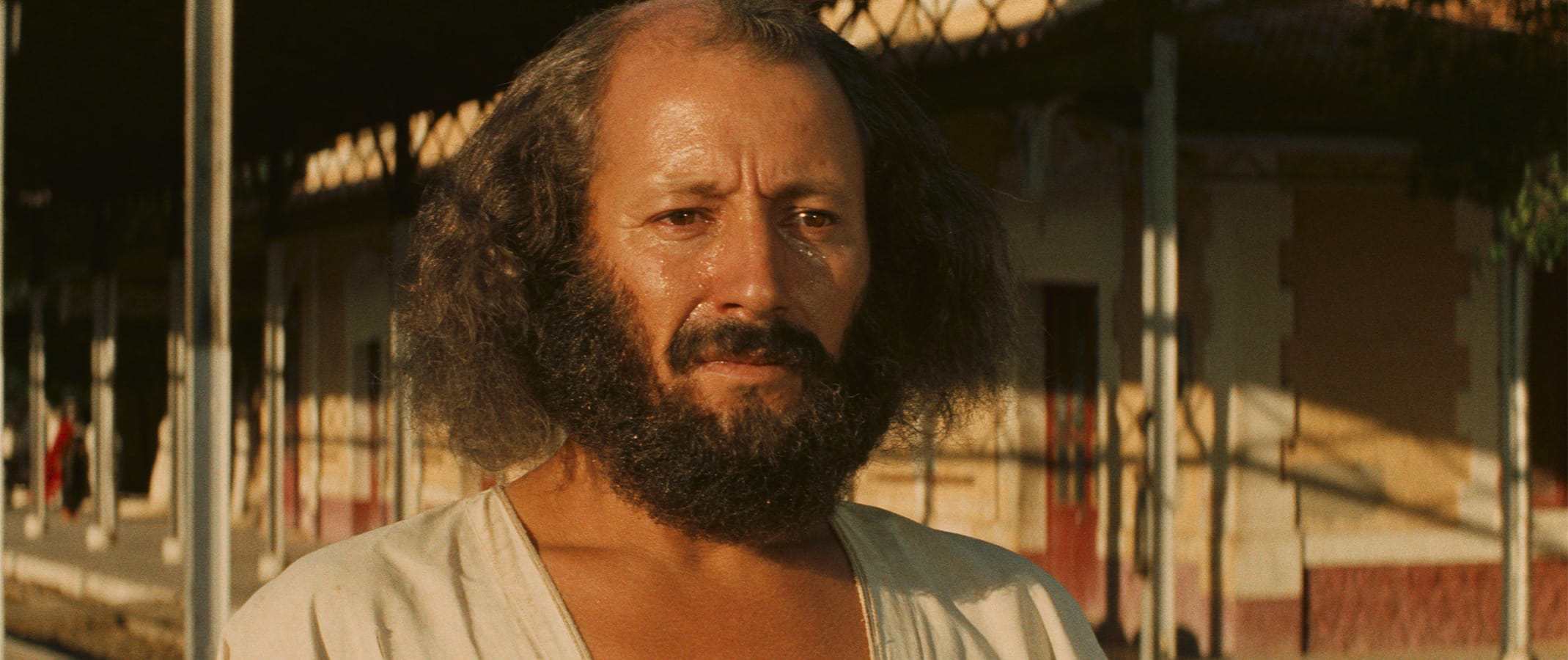
Chronicle of the Years of Fire – Burning with passion, poetry, and a nation’s fervent spirit of resistance, Mohammed Lakhdar-Hamina’s stirring revolutionary epic vividly dramatizes the pivotal decades leading up to Algeria’s War of Independence through the harrowing saga of Ahmed (Yorgo Voyagis), a proud farmer seeking a dignified life, whose experience of brutal oppression and systemic injustice leads him, like so many others, to take a stand against the seemingly indomitable might of French colonialism. Winner of the Palme d’Or at the 1975 Cannes Film Festival, this awe-inspiring landmark of Arab cinema is an at once personal and expansive vision of a country awakening from despair to build an unbreakable movement of liberation.
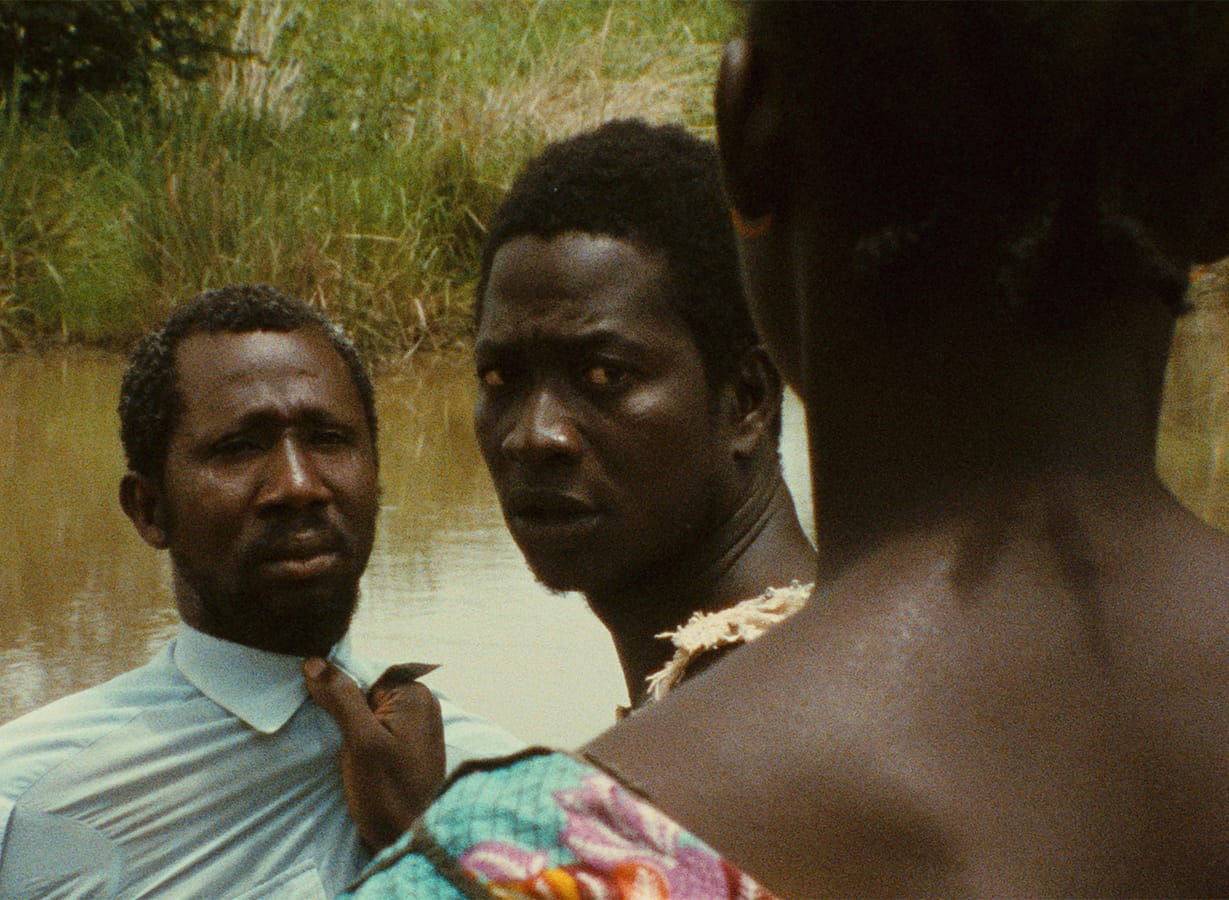
Yam daabo – A family’s quest for self-determination mirrors a nation’s struggle in the sensitively observed feature debut by titan of Burkinabe cinema Idrissa Ouédraogo, who cast an ennobling gaze on ordinary Africans navigating the upheavals of the postcolonial era. Made amid revolutionary leader Thomas Sankara’s push to create a self-reliant Burkina Faso, Yam daabo follows an impoverished family as they leave behind a life in the city reliant on Western aid to start anew in the more verdant countryside, quietly capturing the rhythms of everyday life as well as its devastating tragedies and intimate joys. Featuring music by the legendary Francis Bebey, Yam daabo imbues an elemental human story with profound political weight.
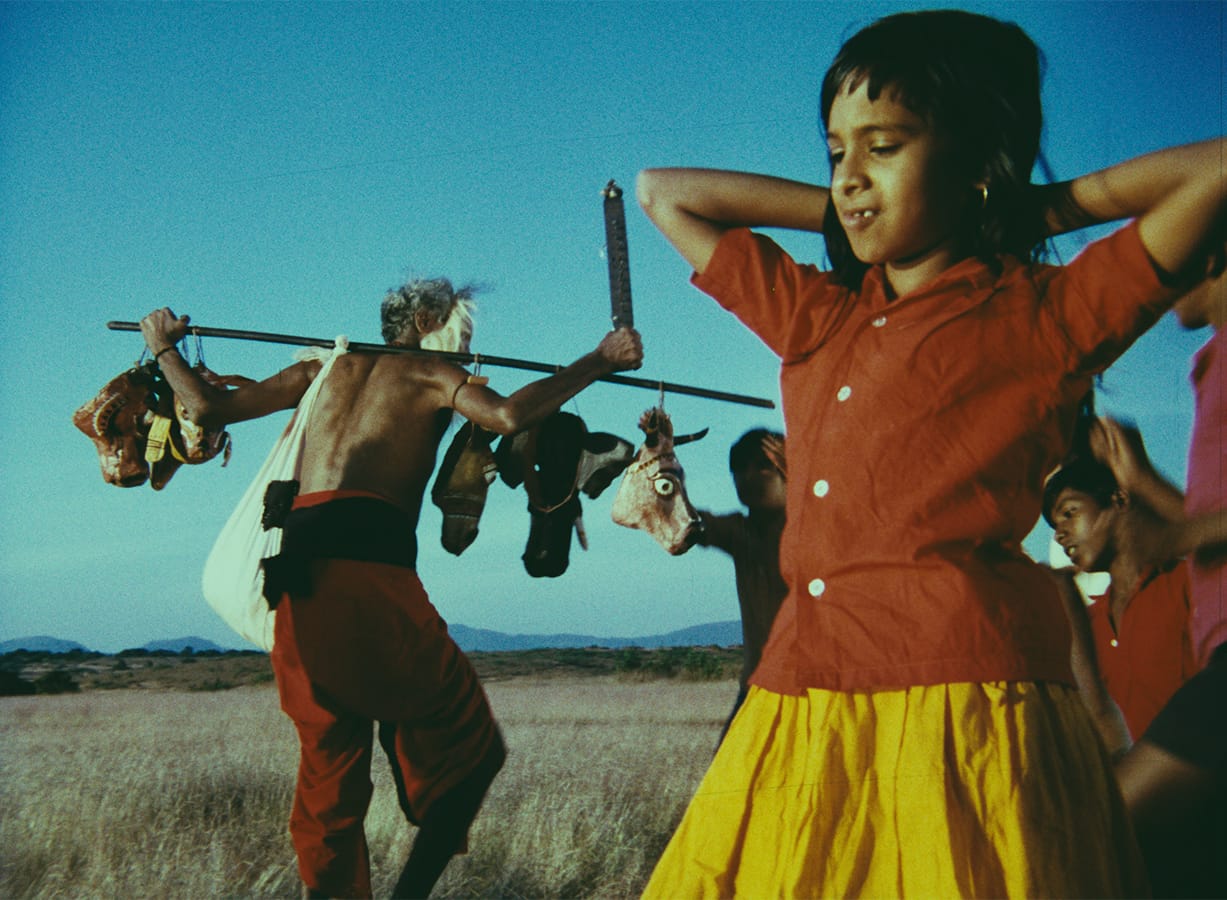
Kummatty – Beautifully photographed amid the lush pastoral landscapes of southern India’s Kerala region, this enchanting child’s-eye fable conjures a folkloric world in which the magical exists side by side with the everyday. When Kummatty, a kind of shamanic bogeyman, arrives in a small village, he captivates the children with his music and colorful masks—until he casts a spell that has unexpected consequences for one boy. Bursting with exuberant songs and children’s chants, this fantasy from G. Aravindan, a pioneer of India’s art-house “parallel cinema” movement, is a treasure of imagination and entrancing visual lyricism.
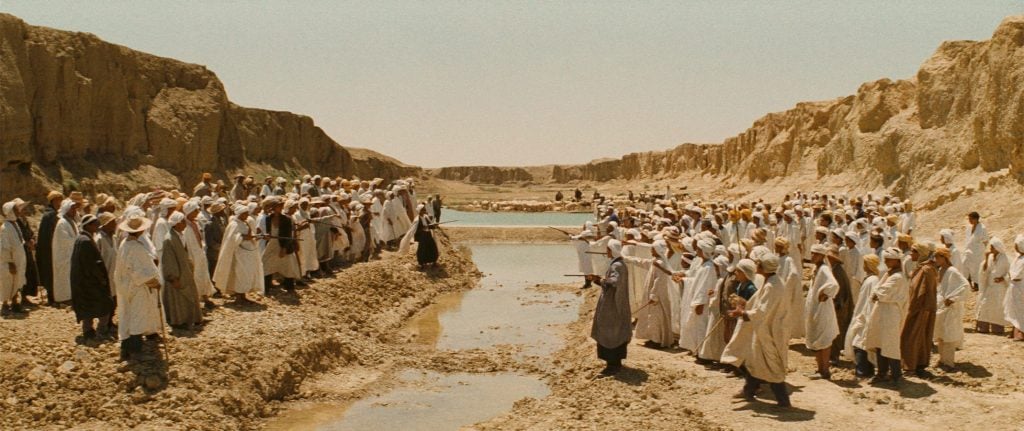
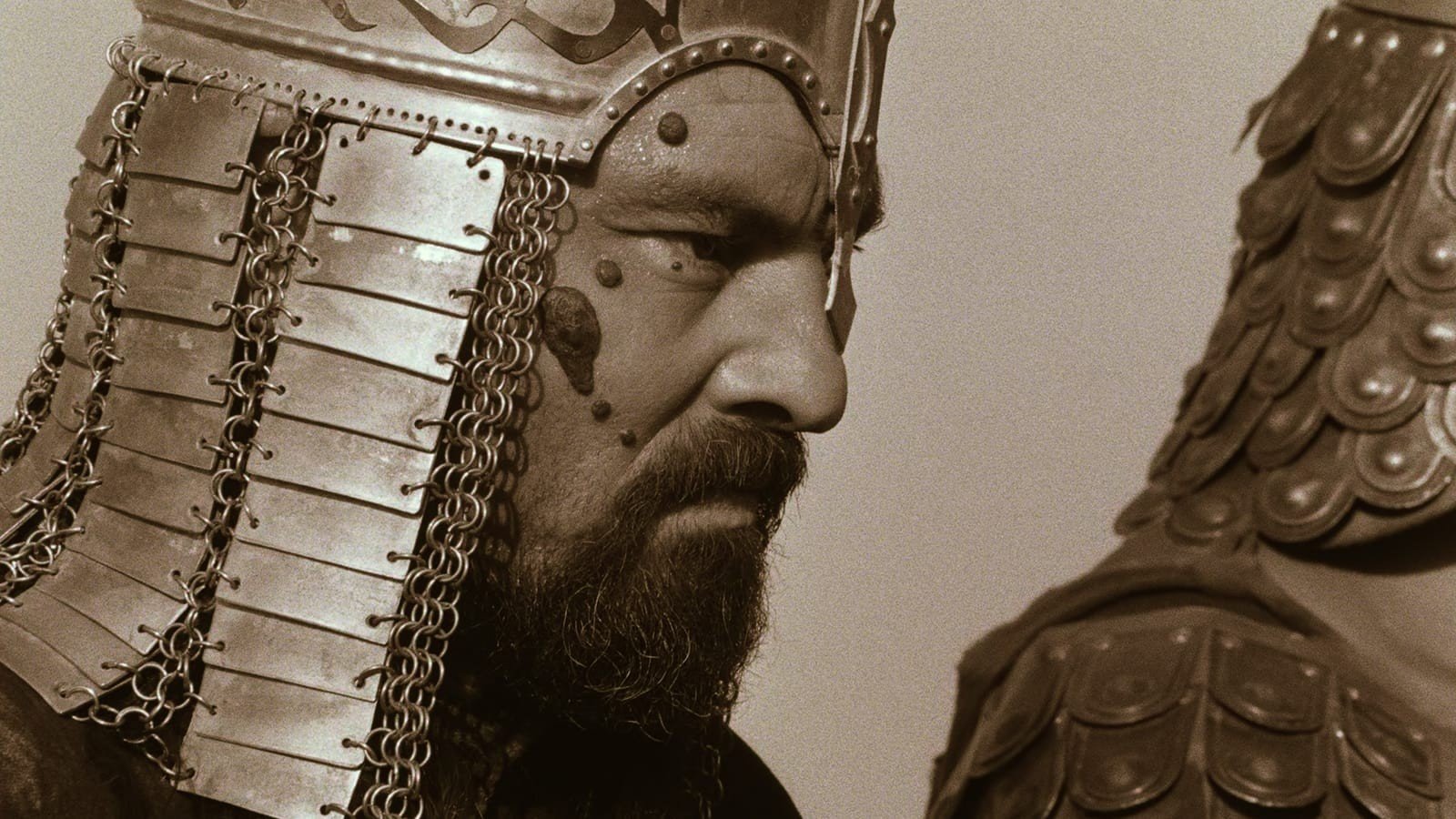
The Fall of Otrar – Kazakh New Wave iconoclast Ardak Amirkulov’s hypnotic thirteenth-century epic is a feverish vision of one of history’s most decisive battles—Genghis Khan’s siege of the now-lost city of Otrar—engraved in images of stunning, hallucinatory power. When his warnings about an imminent invasion are taken for insolence, a former Mongol scout (Dokhdurbek Kydyraliyev) must escape imprisonment to stop an escalating diplomatic crisis and avert a clash of civilizations. With a panoramic scope that encompasses intimate palace intrigue and the merciless sweep of battlefield carnage, The Fall of Otrar is a monumental imagining of seismic historical upheaval—and a terrifying, electrifying feast for the senses.
For thoughts on Martin Scorsese’s World Cinema Project No. 5, please check out my thoughts on No Streaming Required:

Video Quality
Martin Scorsese’s World Cinema Project No. 5 comes to Blu-Ray with new digital AVC-encoded 1080p restorations for all four films on three discs, as Yam Daabo and Kummatty share a disc due to their brevity. Each of these films provides a really strong viewing experience that film fans will love. All four films are presented courtesy of The Film Foundation’s World Cinema Project, in collaboration with Cineteca di Bologna.
Chronicle of the Years of Fire is presented in 2.35:1 from a 4K restoration of the 35mm Original Camera Negative and a first-generation 35mm Interpositive. While three different cuts of this film exist, this restoration is a reconstruction of the version awarded the Palme d’Or at the 1975 Cannes Film Festival, per the director’s wishes. Yam Daabo is presented in 1.37:1 from a 4K restoration from the 16mm Original Camera Negative. Kummatty is likewise presented in 1.37:1 from a 4K scan of a vintage 35mm print struck from the Original Camera Negative and preserved at the National Film Archive in India. Finally, The Fall of Otrar is presented in 1.37:1 from a 4K restoration of the 35mm Original Camera Negative. While there are a few shortcomings along the way, the results are largely a sight to see.
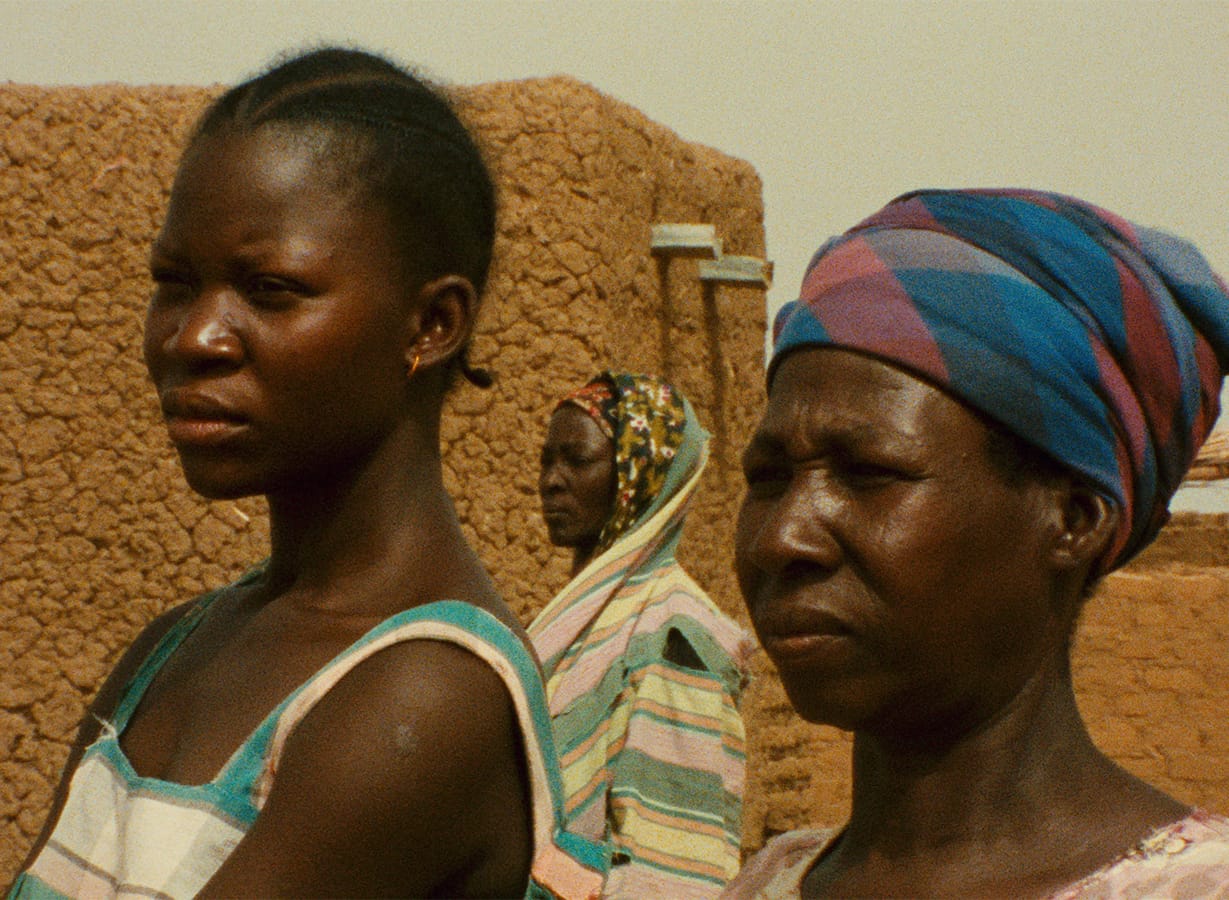
The four films are somewhat interchangeable in a positive way in terms of providing top-shelf quality for audiences. The odd man out is Kummatty, which is the only film derived from a print. The restoration team obviously worked miracles with this one, but there are still a handful of sequences that have baked-in damage, such as vertical lines, that could not be ameliorated. The best in show is Chronicle of the Years of Fire, with The Fall of Otrar right behind it, as they both look glorious from beginning to end. There were no egregious instances of print damage in these two, and overall clarity and detail are truly wonderful. Yam Daabo appears just slightly less pristine than these two with minor specks, but it is still a gorgeous transfer.
There does not appear to be any egregious digital noise due to compression limitations or other such unsightly issues, thanks to the considerate allocation of disc space. The picture holds up considerably well throughout all four endeavors with mostly warm, dry landscapes filling up the frame. Colors are deftly saturated with the warm color palette rendering well, although one should prepare themselves for the very distinct visual style of The Fall of Otrar, which oscillates between color grades. Skin tones are consistent with subtle facial features easily noticeable in close-up. Black levels hold up well with virtually nothing in the way of crush. Highlights are never overcooked in any lighting. This new collection is of admirable quality from beginning to end and should please fans of international cinema.
Audio Quality
The Blu-Ray set comes with a remastered LPCM 1.0 mono track for each of these four films in the original languages with optional English subtitles. Throughout the set, the remastered audio shows its power with the absence of any noticeable instances of age-related wear and tear. Dialogue comes through clearly with no serious signs of distortion or other weaker elements. The music showcased within the features sounds pleasant throughout the set with sturdy fidelity. There is rarely a moment when it comes close to overpowering the dialogue. Environmental sounds such as the roar of battle or the murmuring of large groups of people are rendered well alongside everything else. The Criterion Collection has given this collection an authentically preserved, worthy audio presentation.
Special Features
The Criterion Blu-Ray of Martin Scorsese’s World Cinema Project No. 5 includes a substantial booklet featuring essays by critics and scholars Joseph Fahim, Chrystel Oloukoï, Ratik Asokan, and Kent Jones, which offer individual thematic breakdowns of each film and much more that is very illuminating. The on-disc special features are as follows:
Chronicle of the Years of Fire
- Martin Scorse Introduction: A new four-minute conversation with the legendary filmmaker, who discusses the history of the film and why it is such a vital piece of cinema.
- Mohammed Lakhdar-Hamina’s Chronicle of the Years of Fire: A new 32-minute interview with film scholar and producer Ahmed Bedjaoui, friend of the late director, who reflects on his memories of him and discusses Algerian cinema, the events depicted in the narrative, the impact of the film, and more.
Yam daabo
- Martin Scorse Introduction: A new four-minute conversation with the legendary filmmaker, who discusses African cinema, the history of the film, and why it is such a vital piece of cinema.
- Idrissa Ouédraogo and Yam daabo: A new 22-minute interview with African-cinema scholar Aboubakar Sanogo, who discusses African cinema, the history and work of the filmmaker, the legacy of the film, and more.
Kummatty
- Martin Scorse Introduction: A new nearly five-minute conversation with the legendary filmmaker, who discusses Indian cinema, the work of G. Aravindan, the history of the film, and why it is such a vital piece of cinema.
- Remembering G. Aravindan and Kummatty: A new 24-minute interview with photographer Ramu Aravindan, director G. Aravindan’s son, and film editor and festival programmer Bina Paul, who discuss the impact of the filmmaker on Indian cinema, the unique nature of the movie, the legacy of the film, and more.
The Fall of Otrar
- Martin Scorse Introduction: A new five-minute conversation with the legendary filmmaker, who discusses the work of Ardak Amirkulov, the history of the film, and why it is such a vital piece of cinema.
- The Making of The Fall of Otrar: A new 24-minute documentary short film featuring interviews with director Ardak Amirkulov, actor Tungyshbai Dzhamankulov, production designer Umirzak Shmanov, and film journalist Gulnara Abikeyeva, is provided to allow you key insights into the film from different vantage points.
Final Thoughts
Martin Scorsese’s World Cinema Project No. 5 is a tantalizing quartet of films from an artistic endeavor that is preserving cinematic gems that might otherwise get overlooked or lost to the sands of time. The curation of this particular volume is exceptional, with multiple films ranking as the best we have seen in recent memory. If you need a guide for getting more into international cinema, this series will open your mind and amaze you in ways you cannot imagine. The Criterion Collection has released a Blu-Ray set that features the films with a commendable A/V presentation and a valuable assortment of special features. Any self-respecting cinephile should have this on their wishlist. Essential
Martin Scorsese’s World Cinema Project No. 5 is currently available to purchase on Blu-Ray.
Note: Images presented in this review are not reflective of the image quality of the Blu-Ray.
Disclaimer: The Criterion Collection has supplied a copy of this disc free of charge for review purposes. All opinions in this review are the honest reactions of the author.

Dillon is most comfortable sitting around in a theatre all day watching both big budget and independent movies.