

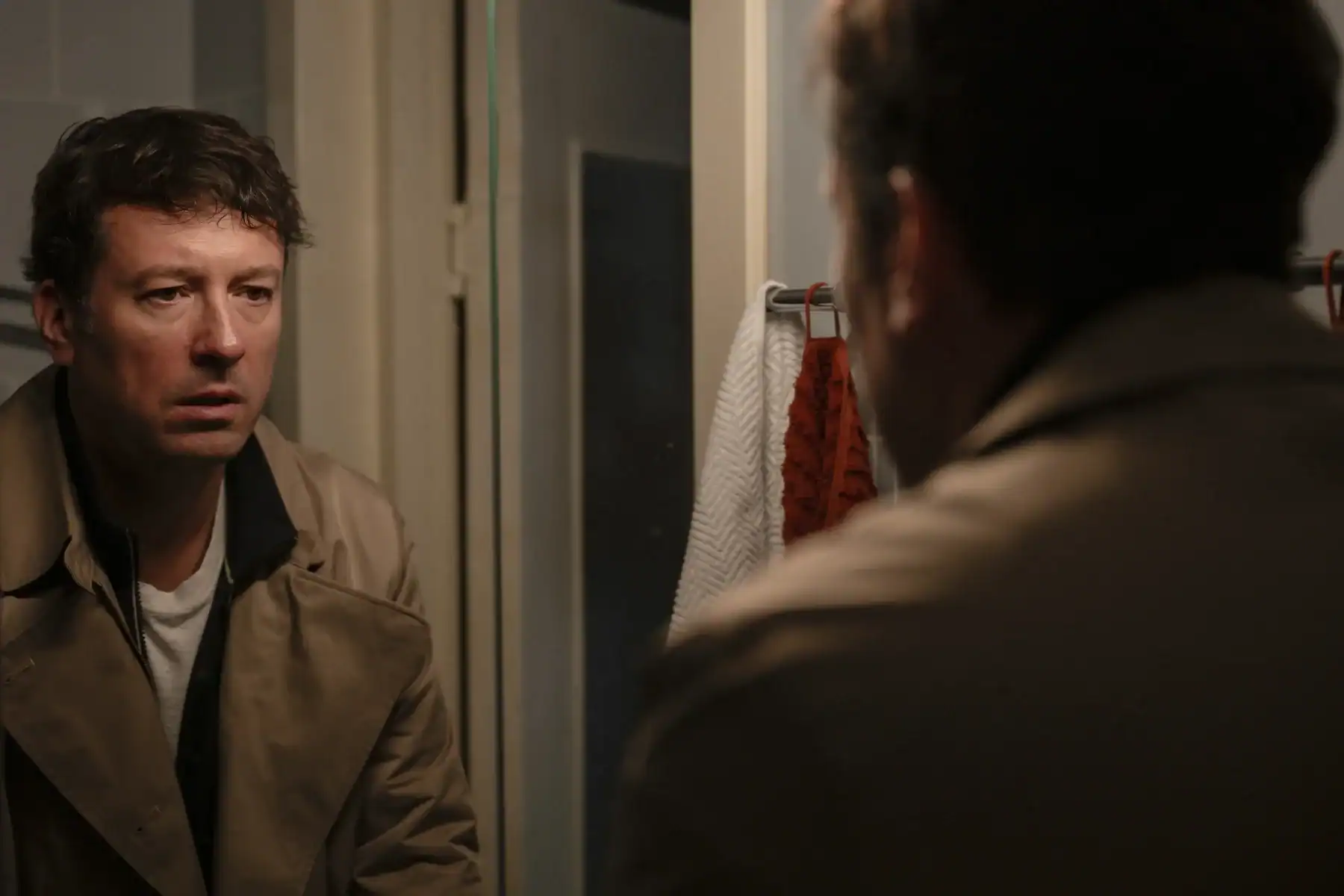
Sometimes, a movie can be about too many things. Of course, sometimes this is simply a lazy criticism of a film that is difficult to understand. But a mix of tones, styles, and themes is a dangerous cocktail. It is hard enough to make a great drama, comedy, romance, or noir. A mark of true greatness is the ability to weave many of these ideas together to make not only a coherent narrative, but a memorable film that never has any of these themes feel out of place. So much of this will depend on the viewer, as some have patience for difficult work and others will be drumming their fingers on the armrest, desperate for the film to move somewhere, and quickly.
Minotaur, directed by Andrey Zvyagintsev, is the type of movie that will doubtless have a myriad of reactions. Adapted from The Unfaithful Wife, which was already turned into Unfaithful, one cannot help but wonder how Zvyagintsev could make this his own. But I suppose the creator of Loveless and Leviathan has earned that trust. While Unfaithful focuses more on the perspective of the wife, this film returns mostly to the view of the husband. Gleb (Dmitry Mazurov) is a business executive who, after the Russian army has crossed the border of Georgia, is forced to send several of his employees to the front lines. He is depended on by his employees and clearly feels pressure to protect them. At home, there are struggles with his wife, Galina (Iris Lebedeva), and their son, Seryozha (Boris Kudrin).
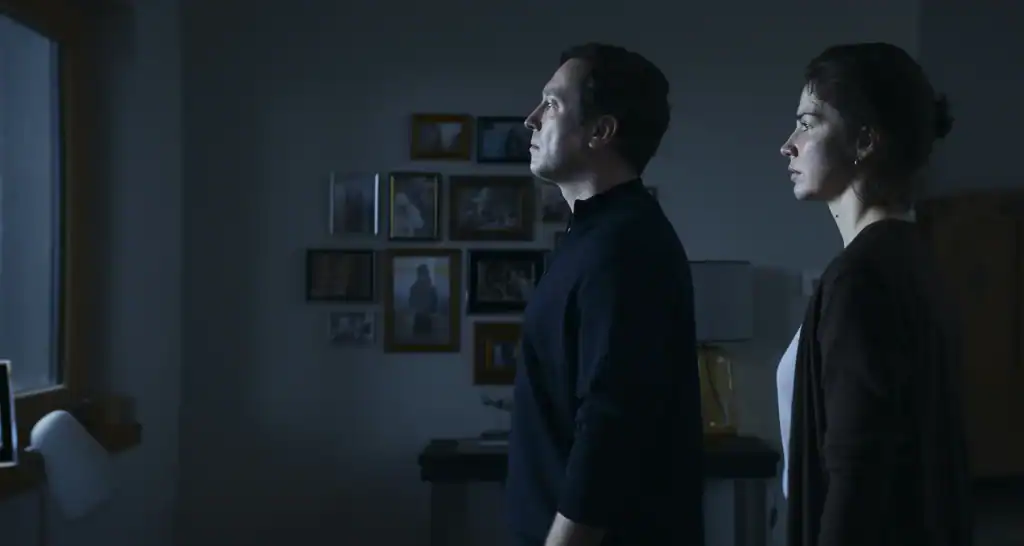
Zvyagintsev masterfully controls the narrative, with assistance from his cinematographer Mikhail Krichman, and takes advantage of stellar performances from both Mazurov and Lebedeva. The first quarter of the film, while slowed, makes everything that comes after it fly. The coldness between the couple in the introductory scenes makes way for arguments, passion, and a deeply discomfiting feeling throughout. Before a dinner engagement that Gleb has planned with their friends, the simple question of why from Galina sends shivers down the spine. This, in comparison to her jovial behavior in public, forces us to wonder which is the real Galina.
As is the case for just about everyone, the answer is both. The slow reveal of indiscretions and family history is planned and plotted perfectly, thanks to a meticulous script from Zvyagintsev and Simon Lyashenko. There is a constant background dread, even in standard familial scenes, that propel the film forward. Plus, the decision to set this during the Russian war with Ukraine is a risky decision that pays off, especially in the final scene of the film. Zvyagintsev makes sure there are no innocent adults in the film, which also helps us understand choices that are made, foolish as they might be. Gleb believes that Galina is seeing another man, but later we find out that he has been with other women, so there is no honor to be found here.
Along with the script, the look of Minotaur is impeccable. The slow change of light to darkness, while never losing focus or structure, is truly awe-inspiring, particularly in a day and age of cinema that seems to have lost the ability to allow images to pop and stay still in the center of the screen. In particular, there is a scene featuring an impromptu photoshoot that practically drips with heat and passion. This level of skill is not just for show, however. It prods us to look around the corner for dangers that aren’t there, but could be. The labyrinth of life does not have monsters lurking around every corner, but some of them can surprise us.
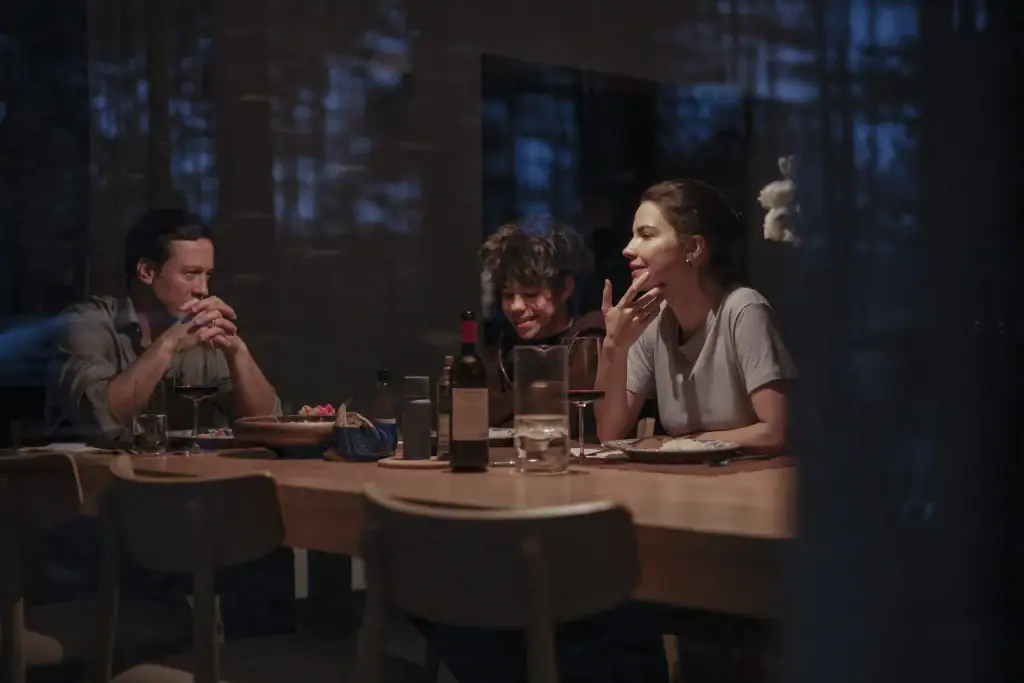
Another decision that differs from the source material is that there are few, if any, confrontations of wrongdoing. It would be easy and tempting to design the film in a way that forces confessions and ends in screaming matches. It is an enthralling choice, as most of the arguments happen long before anything is known. They evoke some memories of films like Before Midnight, when fights between partners occur in states of undress and manage to be more cutting because of this fact. Galina telling Gleb in exasperation that she wants to be a person, not a wife, a mother, or lady of the house, is gut-wrenching. But again, this is not an argument with a winner. They both have points from their own perspective, but things have been unsaid for so long that everything comes out in violent fits and starts.
Minotaur is not only a film about relationship indiscretion, though the thought of that is a major catalyst. Zvyagintsev manages to make his film about so many things, but never too many. He balances romance, violence, politics, and war and never feels out of his depth. He practically holds us by the neck to face the screen and our own choices. There is no way out of life without making difficult decisions and living with them. There are no clean breaks. There is no direct path. The maze of relationships in life, and in Minotaur, has a cost that we all must live with, and there are no right answers.
Minotaur is currently playing in select theaters courtesy of Mubi. The film will continue to expand in the coming weeks.
Before we let you go, we have officially launched our merch store! Check out all of our amazing apparel when you click here and type in GVN15 at checkout for a 15% discount!
For major deals and money off on Amazon, make sure to use our affiliate link! If you are purchasing any of the latest and best in physical media at MovieZyng, you can support us using our affiliate link.
Minotaur is not only a film about relationship indiscretion, though the thought of that is a major catalyst. Zvyagintsev manages to make his film about so many things, but never too many.
-
GVN Rating

Dave is a lifelong film fan who really got his start in the independent film heyday of the 90’s. Since then, he has tried to branch out into arthouse, international, and avant garde film. Despite that, he still enjoys a good romcom or action movie. His goal is to always expand his horizons, through writing and watching new movies.