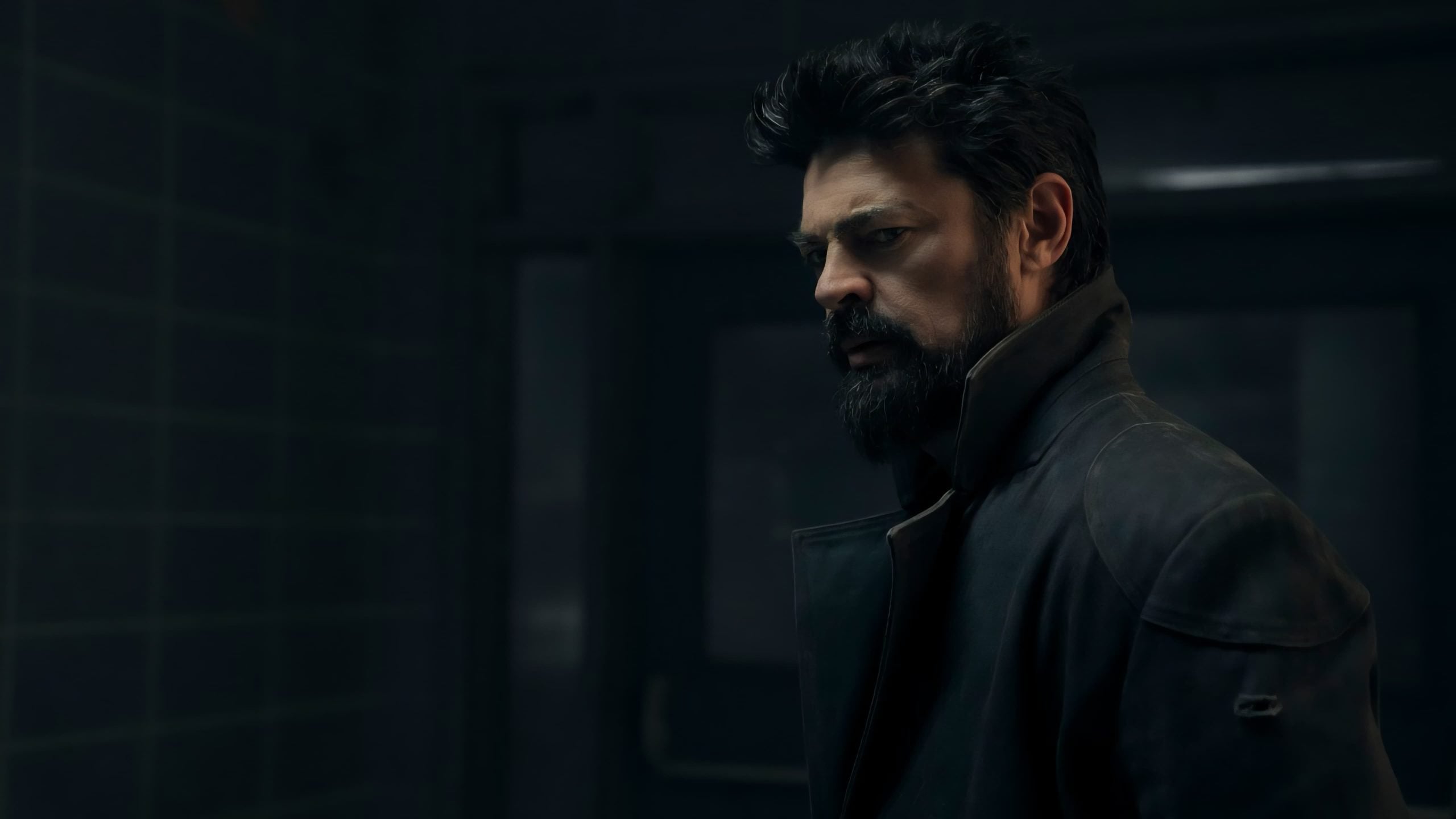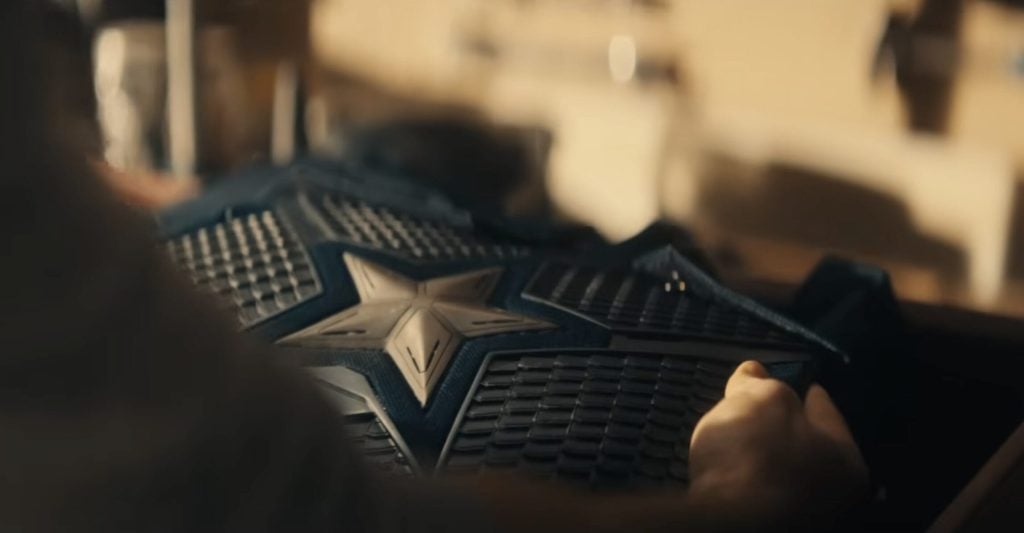
The superhero genre refuses to die. Critics have predicted its demise for years, yet here we are — staring down a 2026 slate that might be the most ambitious in recent memory. What makes this year different is not just bigger budgets or louder marketing, but a deeper understanding of how audience behavior has changed.
As traditional cinema struggles and attention spans shrink, many viewers increasingly turn to fast, easily accessible sources of dopamine — scrolling short-form videos, consuming bite-sized content on social media, or spending time in interactive digital entertainment. The same shift toward instant gratification has fueled the rise of regulated online gambling platforms like BetonRed casino, where quick feedback loops and on-demand experiences align perfectly with modern consumption habits.
Avengers: Doomsday – The Marvel Comeback Nobody Expected
Marvel Studios has been struggling. The endless Disney+ series, confusing multiverse storylines, and general aimlessness took their toll on audience enthusiasm. Ticket sales declined, social media buzz faded, and even dedicated fans expressed frustration with the lack of direction. But Avengers: Doomsday, scheduled for December 18th, represents something desperately needed: a clear, massive, unmissable event.
Robert Downey Jr. is back – not as Tony Stark, who died heroically in Endgame, but as Victor Von Doom, arguably Marvel Comics’ greatest villain. The casting sent shockwaves through fan communities, and anticipation has only grown. How will audiences react to the beloved actor playing against type? Industry insiders suggest this bold casting choice demonstrates Marvel’s willingness to take creative risks again, something many felt was missing from recent projects.
The Russo Brothers return to direct, bringing their proven track record with ensemble casts. Their previous Avengers films, Infinity War and Endgame, collectively earned over $4.8 billion worldwide, establishing them as masters of the large-scale superhero epic. Production wrapped at Pinewood Studios in September 2025, carrying an estimated $250 million budget. This marks the first Avengers film in seven years, creating substantial pent-up demand among audiences hungry for another team-up event.
The confirmed cast includes Chris Hemsworth as Thor, Florence Pugh as Yelena Belova, plus Fantastic Four characters alongside X-Men and Wakanda heroes. The integration of previously separate franchises promises the kind of crossover spectacle that originally made the MCU revolutionary.
Marvel chose not to debut a trailer during Super Bowl 2026, instead releasing four teasers between December 2025 and January 2026. This unconventional marketing approach generated significant discussion online, with fans analyzing every frame for clues about the plot. Box office predictions range from $1.5 billion to potentially $2.5 billion, figures that would represent a triumphant return to form.
Spider-Man: Brand New Day – Spider-Man Grows Up
Before Doomsday arrives, Spider-Man: Brand New Day swings into theaters July 31st, marking Tom Holland’s fourth solo outing. Director Destiny Daniel Creston brings a distinctly different sensibility from previous installments, promising a film that evolves alongside its protagonist.
Brand New Day embraces a darker, more mature approach. Peter Parker isn’t a high school kid anymore, and the storytelling reflects that evolution. The character has experienced loss, sacrifice, and the weight of responsibility – themes the new film explores with greater depth than previous entries. Screenwriters Chris McKenna and Erik Summers crafted a street-level adventure grounded in grittier reality, moving away from the cosmic stakes that dominated recent Marvel projects.
Zendaya returns as MJ, but supporting cast expansions prove more intriguing. Jon Bernthal appears as Frank Castle, the Punisher – whose brutal methods clash with Spider-Man’s philosophy. Their ideological conflict promises compelling drama as both characters navigate similar criminal underworlds with radically different moral codes. Mark Ruffalo’s Bruce Banner shows up, providing continuity with the broader MCU, while Michael Mando finally gets substantial screen time as Mac Gargan. Fans have waited years to see Gargan’s transformation into a major antagonist, and this film apparently delivers on that long-teased storyline.
Production occurred primarily in Glasgow and Pinewood Studios, with the Scottish city providing gritty urban environments that contrast sharply with the gleaming towers of previous Spider-Man adventures.
Conservative estimates suggest $1 billion globally, solid given Spider-Man: No Way Home earned $1.92 billion in 2021. The franchise remains one of Sony’s most valuable assets, and expectations remain high despite the tonal shift.
Supergirl – DC’s New Dawn Actually Looks Promising
James Gunn and Peter Safran’s restructured DC vision finally materializes on screen. After years of inconsistent quality and competing creative visions, the new leadership promised coherent storytelling and distinctive projects. Supergirl arrives June 26th as the flagship theatrical release, adapting Tom King’s acclaimed “Supergirl: Woman of Tomorrow” comic series.
Milly Alcock stars as Kara Zor-El, bringing her House of the Dragon talents to a different kind of powerful woman. Her portrayal of Rhaenyra Targaryen demonstrated her ability to convey strength, vulnerability, and complexity – qualities essential for this interpretation of Supergirl. Director Craig Gillespie handles the cosmic adventure premise – Kara embarks on a revenge mission across multiple planets, accompanied by young Ruthye and super-dog Krypto. Matthias Schoenaerts portrays antagonist Krem of the Yellow Hills, while Jason Momoa appears as Lobo, bringing his characteristic intensity to the intergalactic bounty hunter.
Production occurred between January and May 2025 at Warner Bros. Studios Leavesden. The relatively short production timeline suggests efficient planning and clear creative vision from the outset. Box office projections range from $400-500 million globally, modest by superhero standards but potentially profitable given the production budget.
Clayface – The Horror-Superhero Experiment
Perhaps the most fascinating DC project is Clayface, scheduled for September 11th. Director James Watkins works from a screenplay co-written by Mike Flanagan – the horror mastermind behind Midnight Mass and Doctor Sleep. Flanagan’s involvement signals DC’s commitment to attracting distinctive creative voices rather than relying on house-style filmmaking.
This isn’t a punching-and-quipping adventure. It’s a body horror origin story rated R – the first DC Universe film under Gunn’s leadership to receive that classification. The R rating allows exploration of genuinely disturbing transformation sequences and psychological horror elements impossible in family-friendly superhero fare. Tom Rhys-Harries plays Matt Hagen, an actor whose disfigurement leads to experimental treatment transforming his body into clay-like substance. The premise draws comparisons to classic horror films like The Fly, emphasizing tragedy alongside terror.
The budget reportedly sits around $40-50 million. Lower financial stakes mean greater creative freedom, allowing the filmmakers to pursue their vision without commercial compromise. If Clayface succeeds, expect more genre-bending experiments that push superhero storytelling into unexpected territory. Box office expectations range from $275-400 million globally, impressive returns for a modestly budgeted genre hybrid.
Beyond Capes and Cowls
Several 2026 releases capture similar energy without traditional superheroes, expanding the definition of blockbuster spectacle.
Masters of the Universe arrives June 5th from Amazon MGM Studios, with Travis Knight directing. Knight’s previous work on Bumblebee demonstrated his ability to balance action spectacle with genuine emotional resonance. Nicholas Galitzine plays Prince Adam, while Jared Leto embodies Skeletor. Idris Elba appears as Man-at-Arms, with Camila Mendes and Alison Brie rounding out the cast. The $150-200 million budget signals Amazon’s confidence in theatrical distribution, with projections suggesting $750 million to $1.1 billion globally.
Mortal Kombat II, arriving May 8th, introduces Karl Urban as Johnny Cage – casting that feels almost too perfect. Urban’s combination of action credentials and comedic timing makes him ideal for the wisecracking martial artist. Director Simon McQuoid returns with Tati Gabrielle as Jade and returning cast members including Josh Lawson and Jessica McNamee.
Christopher Nolan’s The Odyssey, debuting July 17th, adapts Homer’s epic with groundbreaking IMAX technology. Matt Damon portrays Odysseus, with Tom Holland, Anne Hathaway, Robert Pattinson, Zendaya, and Charlize Theron supporting. While not a superhero film, Nolan’s mythological epic promises the scale and spectacle audiences associate with the genre.
Here’s a comparison of the major blockbuster releases scheduled for 2026:
| Film | Release Date | Estimated Budget | Box Office Projection |
| Mortal Kombat II | May 8, 2026 | $80-100 million | $400-600 million |
| Masters of the Universe | June 5, 2026 | $150-200 million | $750 million – $1.1 billion |
| Supergirl | June 26, 2026 | $120-150 million | $400-500 million |
| Spider-Man: Brand New Day | July 31, 2026 | $200-250 million | $1+ billion |
| Avengers: Doomsday | December 18, 2026 | $250 million | $1.5-2.5 billion |
The Streaming Expansion Continues
Disney+ and HBO expand superhero offerings throughout 2026, providing content between theatrical releases. Marvel’s slate begins with Wonder Man on January 27th, exploring Hollywood’s intersection with superheroics. Daredevil: Born Again Season 2 premieres March 24th, with Krysten Ritter returning as Jessica Jones and Vincent D’Onofrio’s Fisk now holding the mayor’s office. The political implications of a supervillain controlling New York City promise compelling drama.
A Punisher Special Presentation arrives mid-2026, with Jon Bernthal co-writing. His creative involvement suggests authentic treatment of the controversial character. X-Men ’97 Season 2 continues the acclaimed animated series, while Spider-Noir starring Nicolas Cage brings eight episodes to MGM+.
DC’s streaming presence focuses on Lanterns, an HBO series featuring Kyle Chandler and Aaron Pierre as Hal Jordan and John Stewart – described as a cosmic detective thriller blending superhero action with crime procedural elements.
The following key Marvel streaming releases will keep audiences engaged throughout the year:
- Wonder Man premieres January 27th, marking Marvel’s first exploration of Hollywood culture within the superhero universe
- Daredevil: Born Again Season 2 launches March 24th, featuring Wilson Fisk as New York City’s mayor and Krysten Ritter’s return as Jessica Jones
- X-Men ’97 Season 2 continues the critically acclaimed animated revival that captured both nostalgic fans and new viewers
- A Punisher Special Presentation arrives mid-2026, co-written by star Jon Bernthal for authentic character treatment
- Spider-Noir brings Nicolas Cage’s alternate universe Spider-Man to MGM+ with an eight-episode noir detective series
- Lanterns debuts on HBO as a cosmic detective thriller starring Kyle Chandler and Aaron Pierre as Green Lanterns Hal Jordan and John Stewart
Why This Year Actually Matters
Superhero fatigue has become an industry buzzword, yet analysts increasingly refine that diagnosis. Audiences aren’t tired of superheroes – they’re tired of mediocre superhero content. Quality remains the determining factor, not genre itself.
Studios have responded by diversifying approaches. Clayface explores horror. Supergirl embraces cosmic adventure. Spider-Man goes street-level. The Odyssey offers prestige filmmaking with blockbuster scale. This variety ensures audiences can find projects matching their specific tastes.
The hiring of distinctive directors reinforces this shift. Nolan doesn’t take assignments. Flanagan brings specific horror expertise. These aren’t anonymous journeymen executing studio mandates – they’re filmmakers with proven visions bringing unique perspectives to familiar material.
Financial stakes intensify pressure. Marvel needs Doomsday after underperforming releases. DC requires Supergirl to validate Gunn and Safran’s restructuring. Amazon’s Masters of the Universe tests whether streaming giants can succeed theatrically.
The results will shape Hollywood’s superhero strategy for years. If diverse approaches succeed, expect more genre-blending projects. If audiences only embrace familiar formulas, studios will retreat to proven templates.
Either way, 2026 represents a genuine inflection point. The genre’s future depends largely on what happens in the next twelve months.

Tyler Harrison is a huge horror movie fan always on the hunt for the next big scare. His reviews offer deep insights into classic slashers and the latest releases, exploring themes and innovative techniques. Tyler’s passion for horror makes his perspective essential for any enthusiast.