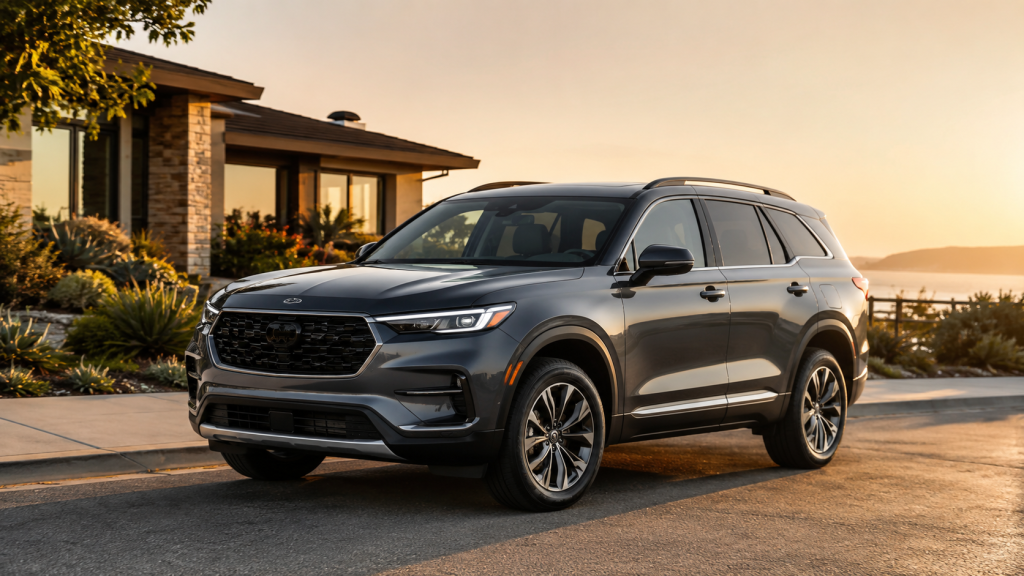
Buying a vehicle is a major decision, and one of the first questions many shoppers ask is whether a new or used car is the better choice. Both options offer unique advantages, and the right decision depends on your budget, driving habits, and long-term goals. For Burlington drivers, considering local road conditions, commuting needs, and ownership costs can help narrow the options. If you’re starting your search, visiting car dealers Burlington, Iowa is a great way to compare both new and pre-owned vehicles in one convenient location.
Benefits of Buying a New Car
A new vehicle appeals to buyers who want the latest technology, modern safety features, and the confidence that comes with being the first owner.
New cars typically include manufacturer warranty coverage, reducing the likelihood of unexpected repair costs during the early years of ownership. They also feature updated infotainment systems, improved fuel efficiency, and advanced driver-assistance technologies that enhance convenience and safety.
For drivers planning to keep their vehicle for many years, buying new can provide lasting peace of mind.
Why a Used Car May Be the Better Value
Used vehicles remain an excellent option for buyers looking to maximize their budget.
Since most depreciation occurs during the first few years of ownership, purchasing a well-maintained used vehicle often allows buyers to enjoy many of the same features at a significantly lower purchase price. Lower insurance premiums and registration costs can also contribute to long-term savings.
With careful research and a thorough inspection, a quality used vehicle can provide dependable transportation for years.
Compare Your Budget
Your financial situation should play a major role in the decision.
While new vehicles usually require a larger initial investment, they often include warranty protection and lower maintenance expenses during the first several years. Used vehicles generally have lower purchase prices, making them attractive for buyers who want to reduce monthly payments or stay within a specific budget.
Looking beyond the purchase price to consider total ownership costs helps create a more accurate financial picture.
Think About Your Daily Driving
How you use your vehicle every day should influence your decision.
Drivers with long commutes may appreciate the improved fuel efficiency and newer technology available in many new vehicles. Those who mainly drive short distances or need a reliable second vehicle may find that a used car meets their needs perfectly while saving money.
Matching the vehicle to your driving habits increases long-term satisfaction.
Compare Features and Technology
Modern vehicles offer a wide variety of convenience and safety features.
Many newer models include:
- Touchscreen infotainment systems with Apple CarPlay and Android Auto.
- Driver-assistance features such as Automatic Emergency Braking, Lane Keeping Assist, and Blind Spot Monitoring.
- Advanced climate controls, digital displays, and multiple USB charging ports.
Many late-model used vehicles also include these features, allowing buyers to enjoy modern technology without paying new-car prices.
Consider Long-Term Ownership Costs
The purchase price is only one part of the overall investment.
Fuel expenses, maintenance, insurance, depreciation, and financing all affect the total cost of ownership. New vehicles often require fewer repairs during the early years, while used vehicles may offer greater value if they’ve been properly maintained.
Researching reliability ratings and reviewing maintenance records can help estimate future ownership expenses more accurately.
Don’t Skip the Test Drive
Whether buying new or used, taking a thorough test drive is essential.
Evaluate ride comfort, steering, braking, acceleration, visibility, and cabin noise. Test the infotainment system, climate controls, and available safety features to ensure everything functions properly.
For used vehicles, consider arranging a pre-purchase inspection by a qualified mechanic for additional confidence.
Think About Future Needs
Your transportation needs may evolve over time.
A growing family may eventually require additional seating or cargo space, while changing work responsibilities could increase the need for towing capability or longer highway travel. Selecting a vehicle that accommodates future lifestyle changes can improve long-term value and reduce the need for an early upgrade.
Planning ahead often leads to a more satisfying ownership experience.
Conclusion
Choosing between a new and used car depends on your budget, daily driving habits, and long-term priorities. New vehicles offer the latest technology, warranty coverage, and modern safety features, while used vehicles provide excellent value and lower upfront costs. By carefully comparing ownership expenses, available features, vehicle condition, and future needs, Burlington drivers can confidently select a vehicle that delivers dependable performance, lasting value, and enjoyable driving for years to come.