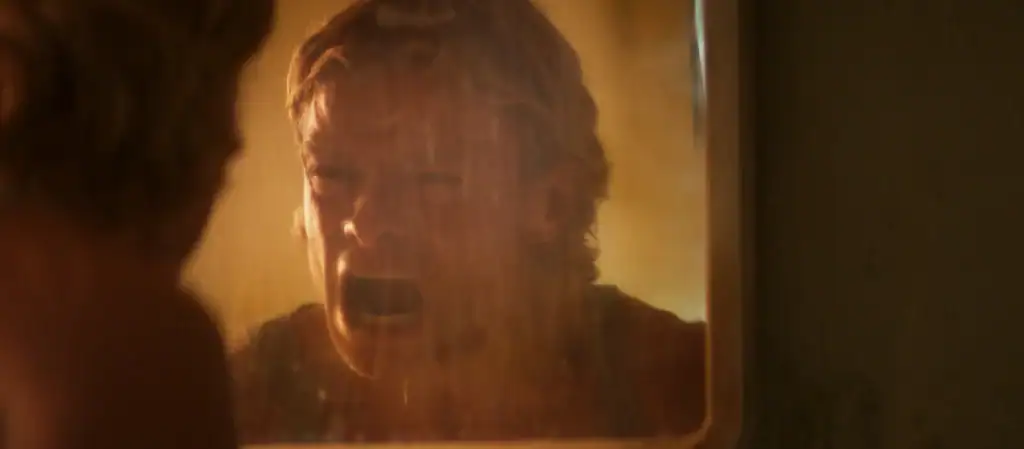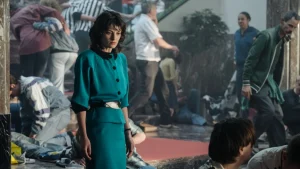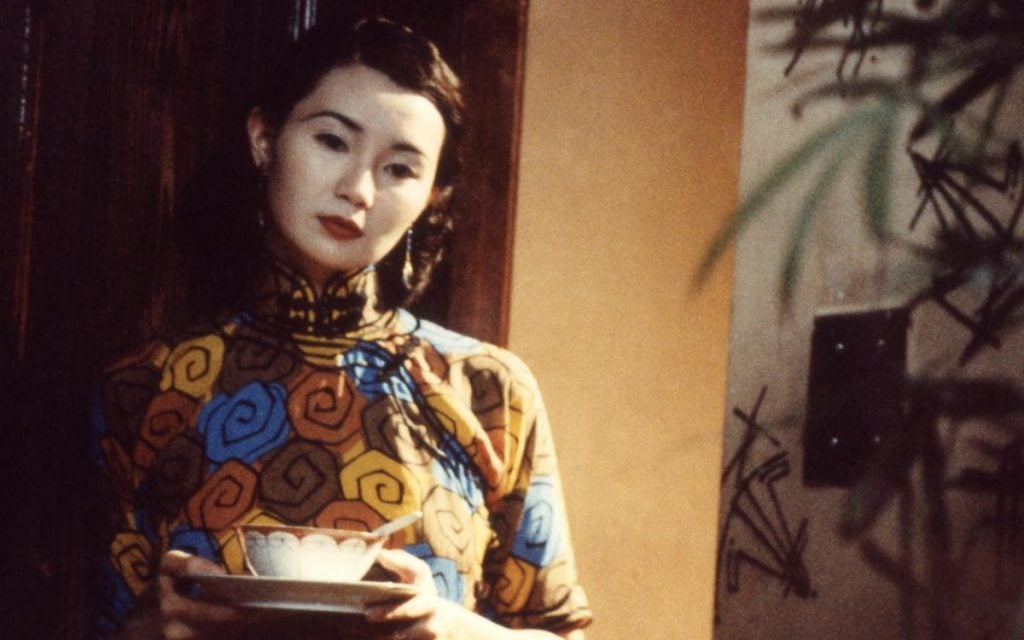
No one does it like Maggie Cheung. She is the face and inspiration for many auteurs, including Olivier Assayas and Wong Kar-wai. She embodies the rare quality of appearing both sacrificial and detached, a fragile young woman yet an independent, free spirit. Her turns as the woman battling drug addiction in Clean, the fish-out-of-water actress in Irma Vep, and the eternal yearner in In the Mood for Love couldn’t be more different from one another. Each time she appears on screen, she dominates. Her movie-star presence and aura are incomparable, making her one of the most prominent Asian faces in the filmmaking industry. At the beginning of her career, her picturesque, doll-like features confined her to wallflower roles, which she jokingly notes is a similarity to the legendary Shanghai screen siren Ruan Lingyu. Thankfully, they don’t share the same fate, as Ruan passed away tragically at the age of 25, while Cheung retired from acting at the age of 49, years after winning Best Actress at Cannes for her bold and unrestrained portrayal of hipster junkie Emily Wang in Assayas’s Clean.
On the occasion of its digital restoration in 4K, Center Stage showcases yet another powerful performance from a very young Cheung. As she portrays legendary actress Lingyu, directed by exceptional filmmaker Stanley Kwan, Cheung’s performance takes a myriad of emotions and goes through different stages of the tragic actress’s career.
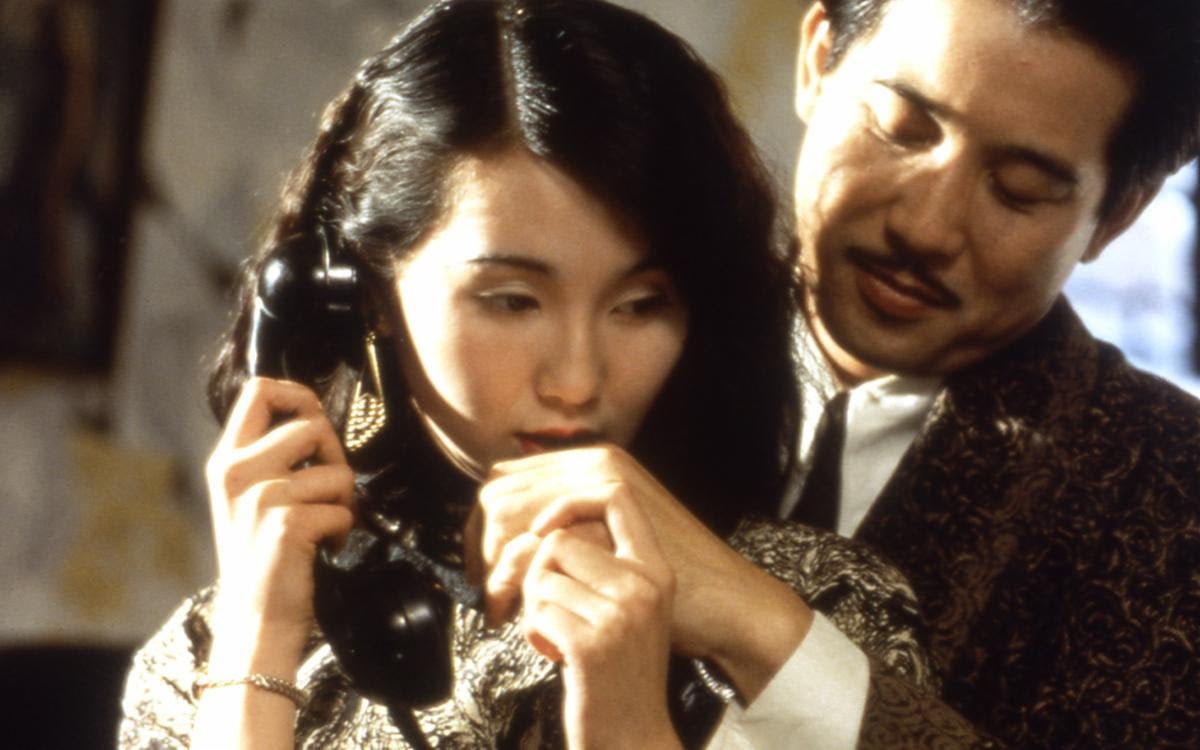
The film starts with a group of horny men fetishizing Lingyu’s suffering on screen. It’s a lustful display of how they can torment her character in one of her future roles. Kwan shoots the sickening conversation before we as viewers are even introduced to Lingyu. When we first see Cheung as Lingyu, it is during filming. As she plays a role in one of the silent films she was famous for, Lingyu is expressive, with heavy makeup on. The camera moves, and she is surrounded by men; they are everywhere watching her and appraising her. It’s creepy to think how male-centric movie sets used to be in the past. As Lingyu finishes the scene, Kwan takes us with her on journeys where she attempts to feel things to be able to portray them.
Cheung portrays Lingyu as a young, passionate woman, confused about her love life, but immersed in the arts. The film shows her in some scenes yearning for the simple life of a regular woman, but the way Cheung portrays it doesn’t make it a stereotypical depiction of the artistic woman yearning for normalcy, but more of the sacrificial actress who has been used to elevate the arts, yearning for a different kind of sacrifice. In this extensive, intimate portrait of the screen goddess that galvanized hearts and souls in 1930s China, Cheung finds the freedom to interpret and not just mimic or impersonate.
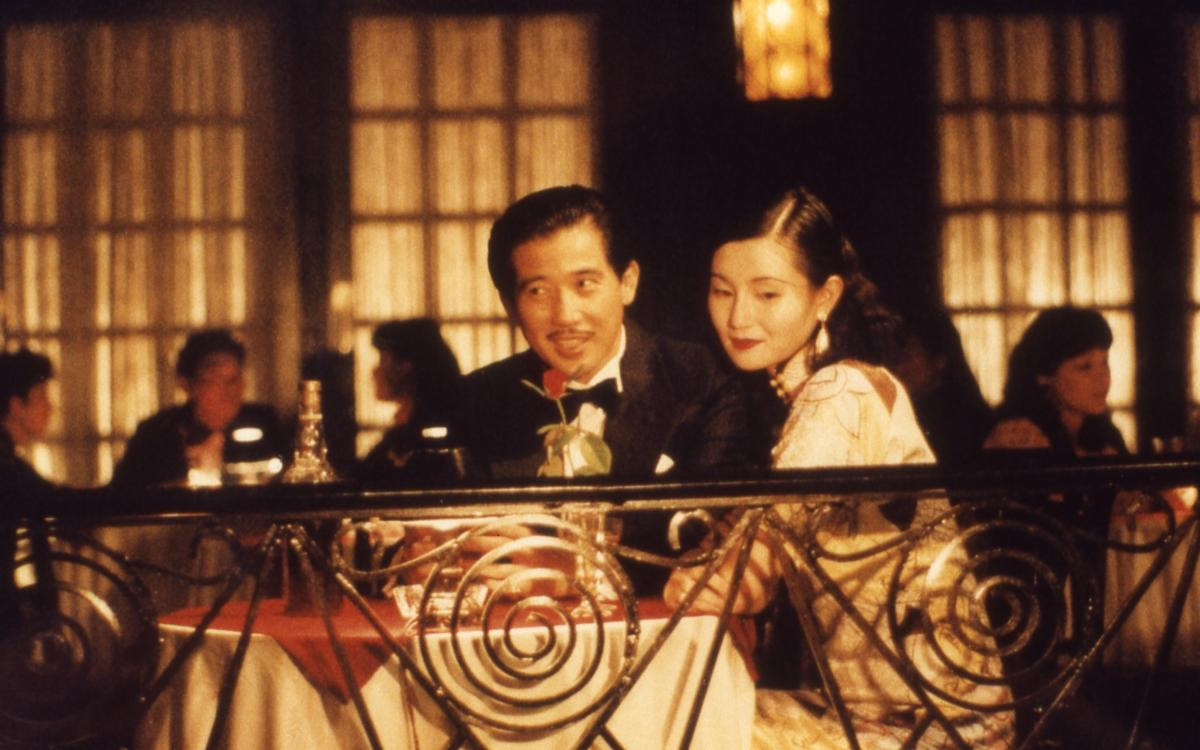
The biopic is not shot traditionally; Kwan interjects with scenes of Cheung preparing or having conversations with him about Lingyu, where they break the illusion and analyze the performance. They describe Lingyu’s technique, but also how she manipulated the audience with her silent performance. When the scene cuts later to Cheung recreating those scenes, one can’t help but bow in admiration to Cheung’s meticulous method in copying her mannerisms and facial expressions. In one scene, Kwan describes how he finds Lingyu sexy in her otherness and liveliness, and Cheung adds that Lingyu is sexy in a non-objectifying way, because she could be covered up to her neck and still ooze flirty charm.
One can’t help but wonder: did Cheung take notes from Lingyu when portraying one of the sexiest, non-sexualized female roles in the history of cinema, wearing those tight qipao dresses up to her neck as Mrs. Chan in In the Mood for Love? But it’s not just the costumes; after watching Center Stage, I am positive that Cheung was channeling Lingyu for her portrayal of Mrs. Chan, borrowing some elements from the legendary screen siren’s technique, aura, and specific breed of femininity. The result is magic: a genius studying a genius to create yet another masterpiece.
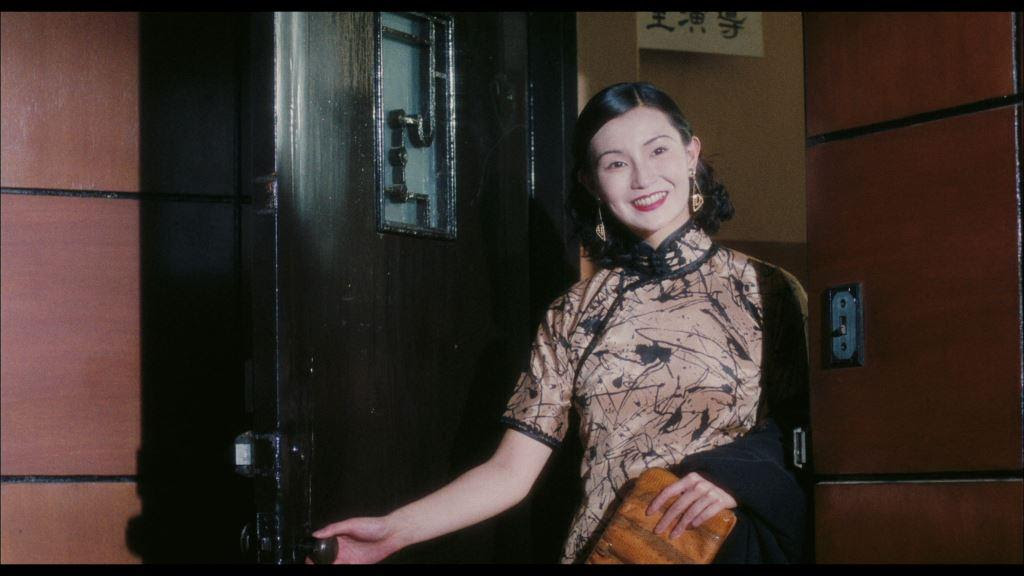
Kwan makes good use of Cheung’s ethereal, photogenic beauty. There are shots of her in a halo, with overwhelming dark lighting. Moonlight seeps through the windows and throws a silver light across her beautiful form, making her dark hair coppery and otherworldly. Cheung doesn’t simply portray an actress from a bygone era, but a state of existence, what Lingyu represented for the Chinese public back in those turbulent times.
The best performances are the ones that seem like an afterthought, as if the actor is reminiscing about their own performance. Maggie Cheung excels at this, offering an introspective analysis of another great actress who came before her: Ruan Lingyu. She absorbs her gestures and mannerisms and even uses her as a stored memory for future roles. This makes Center Stage less of a biopic and more of a Russian Doll revelatory piece, where one part leads to the other in this performance.
Before we let you go, we have officially launched our merch store! Check out all of our amazing apparel when you click here and type in GVN15 at checkout for a 15% discount!
For major deals and money off on Amazon, make sure to use our affiliate link! If you are purchasing any of the latest and best in physical media at MovieZyng, you can support us using our affiliate link.

Jaylan Salah Salman is an Egyptian poet, translator, and film critic for InSession Film, Geek Vibes Nation, and Moviejawn. She has published two poetry collections and translated fourteen books for International Languages House publishing company. She began her first web series on YouTube, “The JayDays,” where she comments on films and other daily life antics. On her free days, she searches for recipes to cook while reviewing movies.