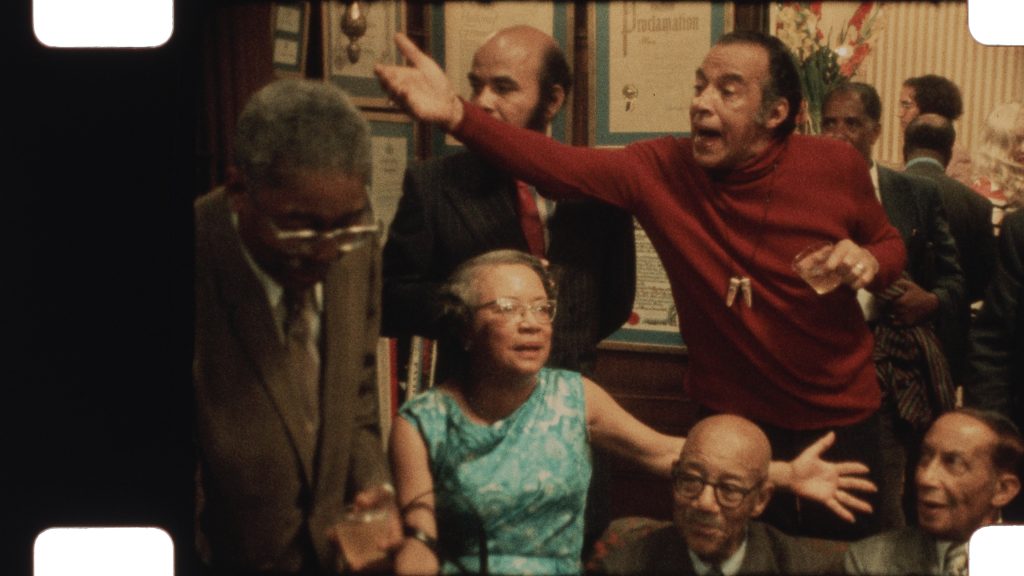
Imagine, if you will, that it is 1972. As a Black American born in the early 1900s, you have seen the world change dramatically. There’s still work to be done, but things have come a long, long way. At this moment, you are caught between a feeling of celebratory bliss and reflective consciousness, and that’s when you receive an invite from famed director William Greaves. He’s inviting you to a party and discussion at Duke Ellington’s Harlem townhouse with the remaining luminaries of the Harlem Renaissance. Reconnecting with friends, some you haven’t seen in nearly 50 years, and the discussion: the Harlem Renaissance – what it was, who did what, how important it was, and what, after all these years, did it all mean.
William Greaves was a gifted filmmaker with tremendous insight and vision. He recorded his guests that day on three cameras. Capturing the discussion while also doing separate interviews with several of them. He held on to that footage for over 50 years, claiming he couldn’t quite find the story in all of it. Now, 54 years later, his son David has found exactly the story that was there all along. The list of attendees is spectacular. From painter Aaron Douglas to writer, painter and queer cultural pioneer Richard Bruce Nugent; painter and printmaker Ernest Crichlow; painter Romare Bearden; composer and pianist Eubie Blake; composer, bandleader and lyricist Noble Sissle; actor and activist Leigh Whipper; poet, novelist and historian Arna Bontemps; librarian, playwright and community arts leader Regina Andrews; political activist and scholar Richard B. Moore; activist and educator Louise Thompson Patterson; and photographer James Van Der Zee; gathered with others whose artistic and intellectual contributions defined a generation. It was a tapestry of knowledge, truth, history, and reverence around every corner.
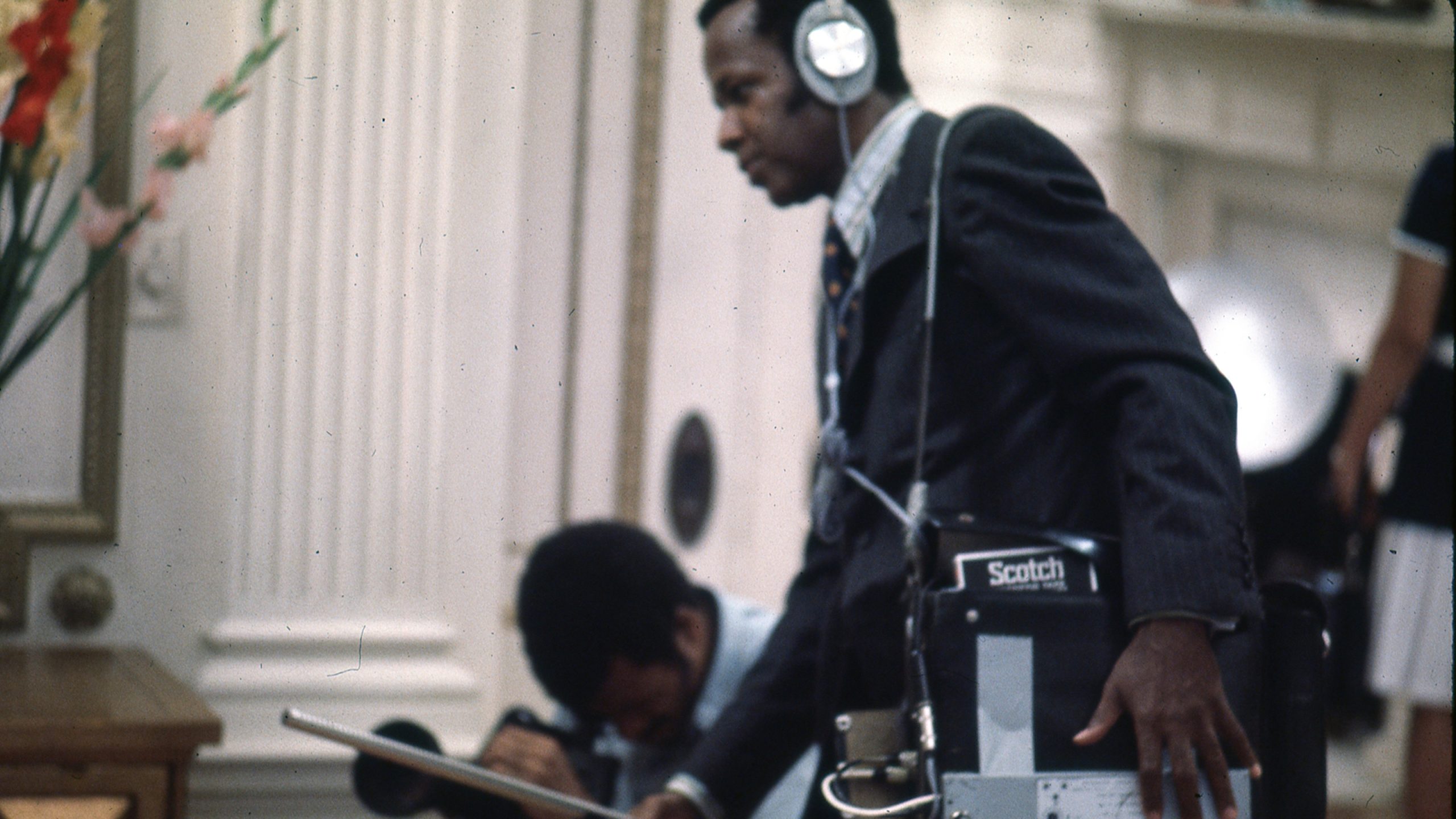
More impressive is how it was shot. On 16 mm cameras, Greaves leaves the camera on and allows for the conversation to flow naturally. There are heated back-and-forths, constant interruptions, rapid changes from topic to topic, and person to person. It’s all happening so quickly that it’s hard to process it all in one go, but it’s constantly fascinating. The Harlem Renaissance was a special period of time between 1918 and 1937. Due to factors such as the Great Migration and the emerging arts scene in New York, a cultural and intellectual movement among African Americans emerged in every field, from music to art, dance, fashion, literature, theater, poetry, and politics. And they all knew each other to some extent.
It’s easy to get two main takeaways from this event. One is that there is a very specific reverence for this time period because it was revolutionary, but it was also theirs. It never breached outside of its bounds and therefore, never got the opportunity to be co-opted. The other is that sometimes, being so close to it means it’s difficult to see outside of it. Many people at the event express how this moment in time was just their life, even while recognizing what it meant to the people learning about it in the future. Their reverence is personal and not tied to the legacy of it all.
The film focuses on each member’s place in that time. What they accomplished and how it influenced others. There’s also great reverence for those who didn’t make it to 1972, like Countee Cullen, Paul Lawrence Dunbar, Marcus Garvey, and Zora Neale Hurston, among many others. The film relies on a lot of still imagery for archival footage. There’s very little recorded footage from that time, so the most we have to go on are the vivid descriptions and memories of the attendees telling their stories. Greaves almost never cuts. He allows many people to speak, no matter how long or plain, to share their moment. While some are relevant, others are just deeply personal, and it’s beautiful that those moments are preserved on camera.
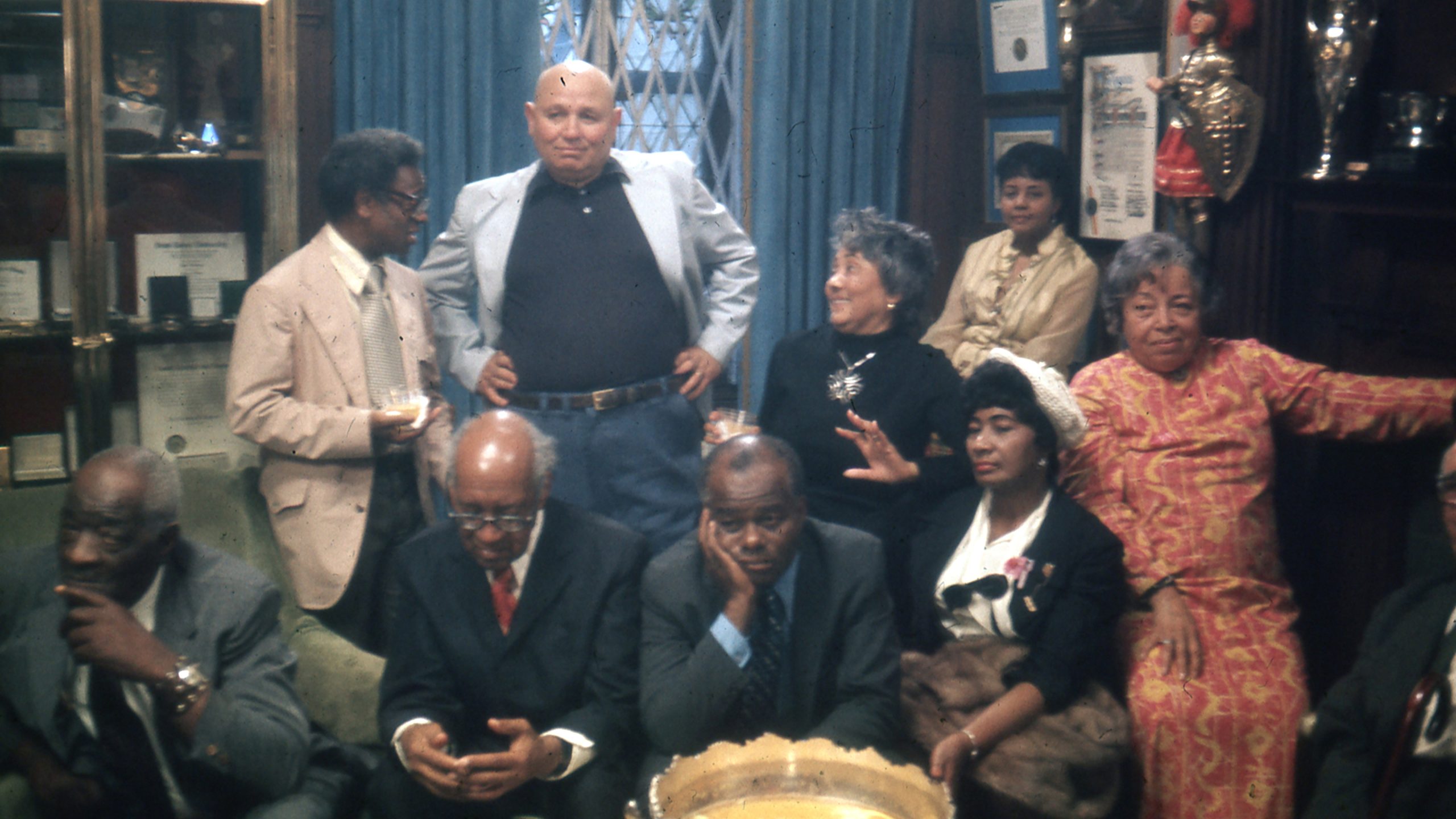
At several points during the film, there is tension in the room over issues that many of the attendees are still divided over, when it comes to race and the political movements of that time. Whether it be Garvey’s Return to Africa initiative or the efforts of the New Negro movement of that era. There is disagreement on what was most important about that time and what deserves to be discussed or not. There is even disagreement on whether the Harlem Renaissance will be remembered at all.
Each of these are fascinating insights into a worry about legacy and what it means to define it once and for all. You never get the sense that they reach that point, as, again, as close as they are to it, it may make it difficult for them to define it themselves, but they desperately want to. Which is the prime reason this film exists. To make sure that the Harlem Renaissance is remembered and remembered with great depth and empathy. That its legacy isn’t forgotten, no matter how messy or narrow it may be. That the Roaring 20’s roared because they were there. And that all that they represent, all that they endured, and all that they created be preserved. If for no other reason, so that it may one day rise again.
Once Upon a Time in Harlem had its World Premiere in the Premieres section of the 2026 Sundance Film Festival.
Directors: William Greaves, David Greaves
Rated: NR
Runtime: 100m
The prime reason this film exists is to make sure that the Harlem Renaissance is remembered and remembered with great depth and empathy. That its legacy isn’t forgotten, no matter how messy or narrow it may be.

Phoenix is a father of two, the co-host and editor of the Curtain to Curtain Podcast, co-founder of the International Film Society Critics Association. He’s also a member of the Pandora International Critics, Independent Critics of America, Online Film and Television Association, and Film Independent. With the goal of eventually becoming a filmmaker himself. He’s also obsessed with musical theater.
![‘The Boys’ Season 5 Premiere Doesn’t Pull Any Punches [SPOILER WARNING]](https://cdn.geekvibesnation.com/wp-media-folder-geek-vibes-nation/wp-content/uploads/2026/04/THBY_S5_UR_501_00331_R2_3000-450x300.jpg "‘The Boys’ Season 5 Premiere Doesn’t Pull Any Punches [SPOILER WARNING]")