
In this era of scarcity for the many and abundance for the few. It is impossible not to be swayed by even the slightest argument to ‘eat the rich’. Gluttony is becoming a virtue, rather than a vice. The have-nots outnumber the haves, and yet the latter continues to squirrel, scatter, and plunder away their piece of the pie, which at this point is an entire baked good, as opposed to a single slice. All that to say there is tremendous anxiety in the world today. What some call jealousy is a simple cry for fairness.
It is in that populist sentiment that a new film attempts to capture the mentality of ‘eat the rich’ in a way never quite done. In some instances, the 1% stand atop the pecking order in a Hunger Games-like setting, while the 99% face improbable odds until the tables eventually turn. The film Rich Flu attempts to flip the script by making the 1% the victim, or at least the victim of their own success. Now, this is an interesting concept, in theory, but theory will only go so far. The script is weak, the characters are wooden, and the themes unrealized. The entire exercise feels more like a bad case of the flu than anything else.

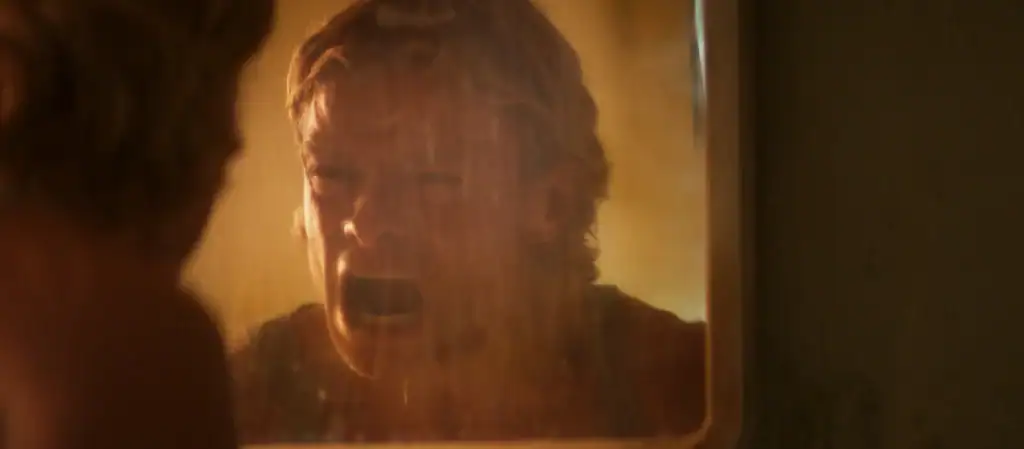
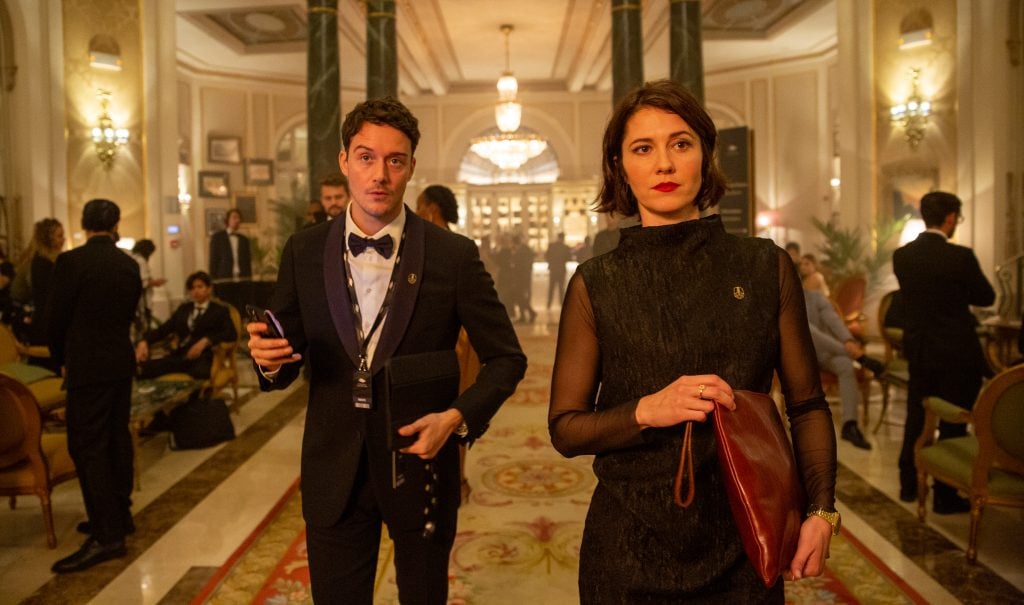
We meet Laura (Mary Elizabeth Winstead), a woman whose career is finally at its peak. She is on top of the world, and the sky seems the limit, that is, until a mysterious virus begins targeting rich people. And not only are the 1% falling on the job in a manner of speaking, but the unknown virus is also killing them. The virus spreads from the top down. It turns prosperity into a death sentence and forces the wealthy to abandon their affluence overnight! Panic is ripe, and the public turns on the 1%. In a globetrotting jaunt, Laura will do everything in her power to protect herself and her family.
I respect the ambitions of Rich Flu. There is a desire to create a satire where, instead of the 99% being the focus in a story of loss and suffering, it is the reverse—a kind of reverse engineering. Here we see the wealthy and powerful stripped of everything as an unknown virus seems to target them exclusively for their wealth and privilege.
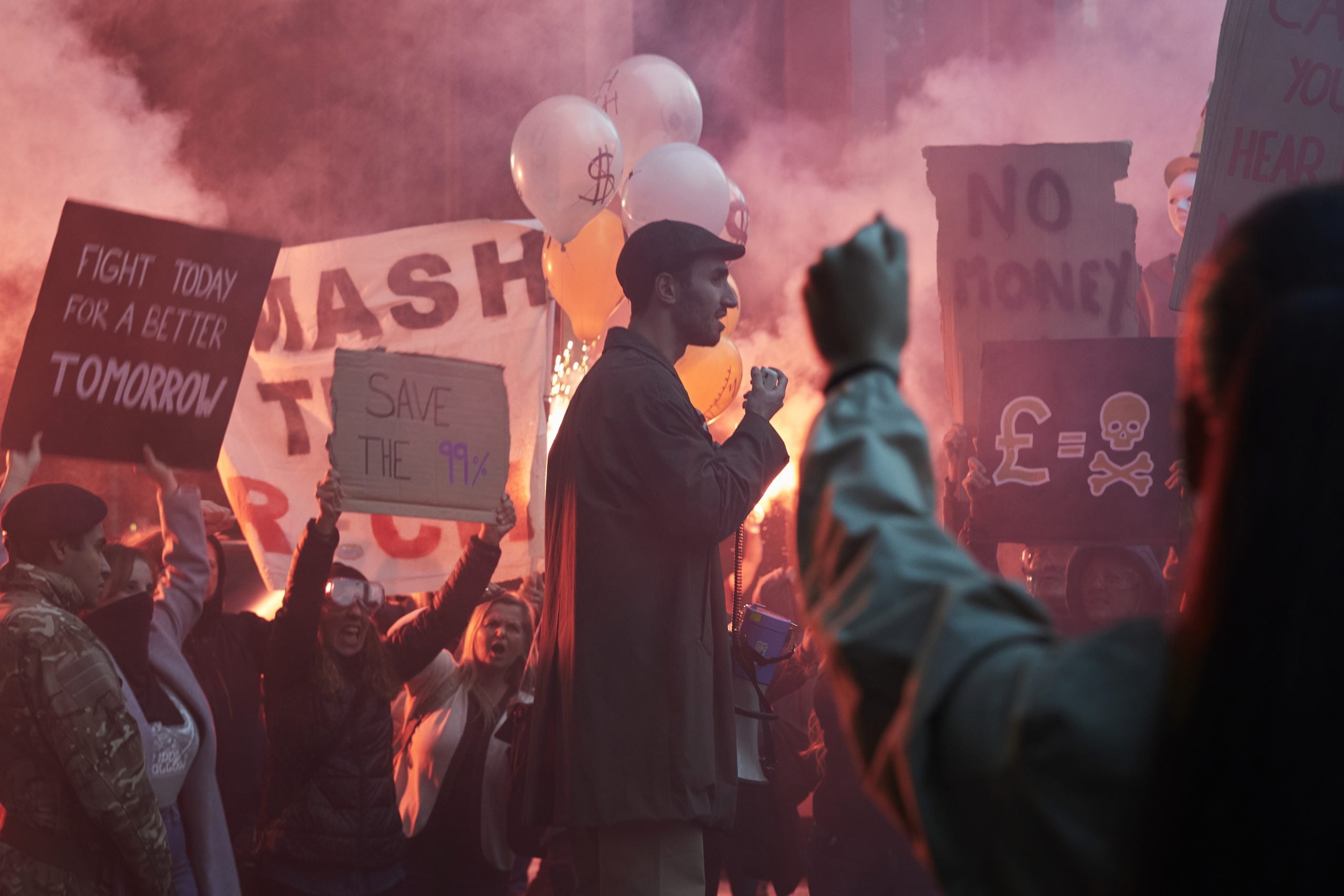
The film attempts, on the three occasions, to arrive at something of a message. One, to make the case that all money is the root of every societal problem. Then, in the same breath, it makes the case for the need for charity. Lastly, there is the argument for self-preservation—a kind of survival of the fittest, which seems odd, all things considered. I suppose that angle might be more compelling were the characters not presented as greedy 1 percenters. But then, it is not so much a conflicting message, but more that the film cannot decide its objectives. Is there supposed to be some lesson learned at the end of the tale, or simply a thrill ride for the hell of it?
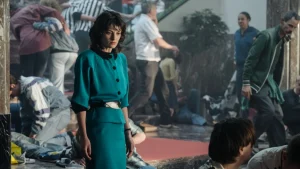
The first half of the film is arguably its strongest part. Even then, the dialogue is clunky, and the characters are mere sketches or composites rather than realized characters. Even in the case of casting adrift the ruling class, the script does not even attempt to give us any window into their souls or beings, outside of cliches and performative jargon. The strong element comes from the adrenaline nature of a mysterious virus targeting those with means. The ultimate revelations are more of a mixed bag. The latter half becomes a quasi-refugee crisis, which is the logical conclusion to the wealthy dispensing with all their earthly possessions and assets. Yet the message feels clunky and heavy-handed.
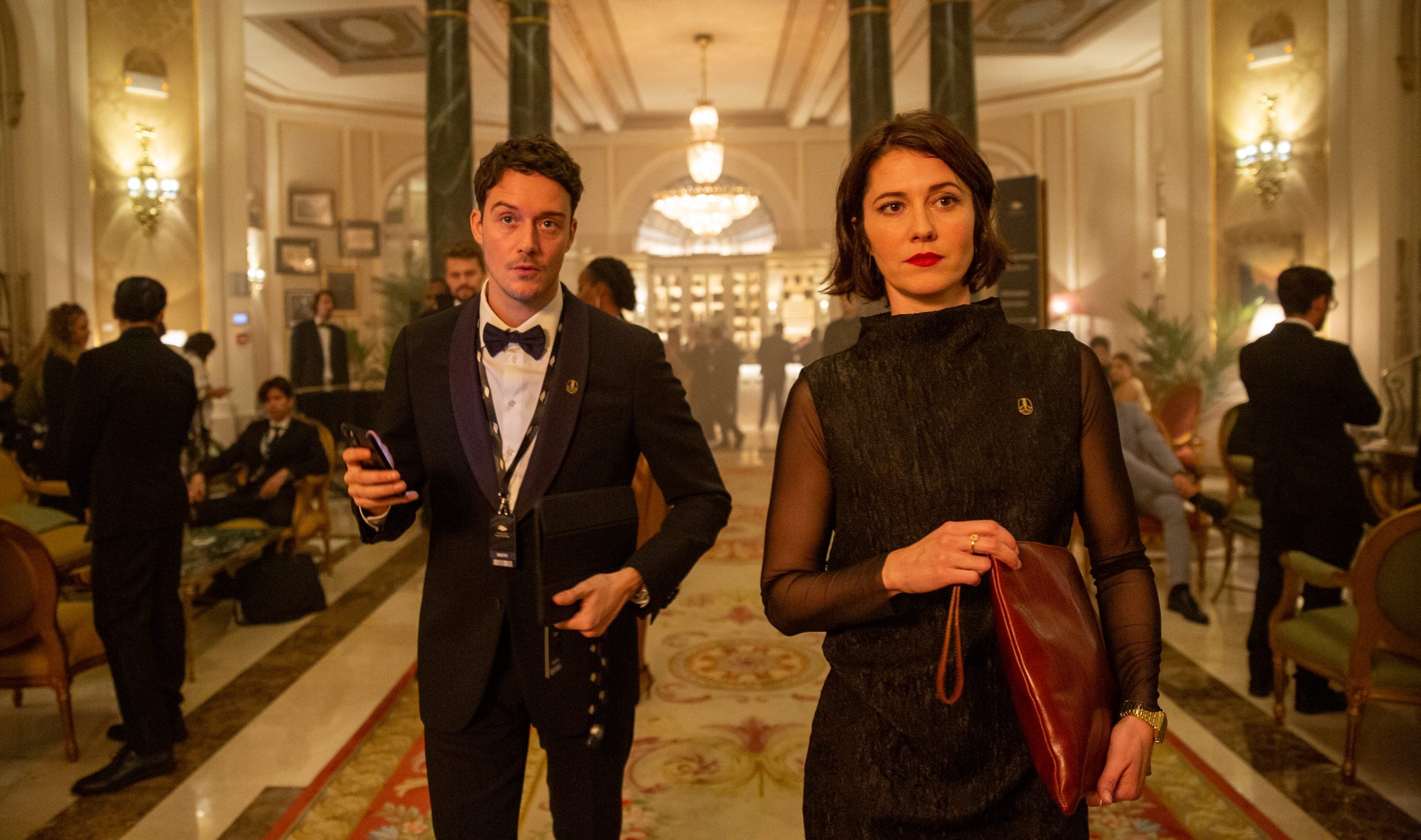
Mary Elizabeth Winstead, at least, anchors the film and does what she can with the material. Her performance is solid. We can at least follow her journey as she goes from a top power-broker to someone living on the edge. However, this is more about Winstead’s sheer strength as an actor and performer, where we’re at least willing to follow her for the sake of it, as opposed to merely the character she is playing.
By the end of the film, I could not say how I felt, as the moral, if I can say there is one, is all over the place. I respect and appreciate the ambition, but it is rudderless. Rich Flu is not rich enough in its themes or characters to make any impact. It is a film that wishes to have the same effectiveness as someone making a rousing speech through a bullhorn. But it is the equivalent of someone standing in an empty parking lot, speaking with the sound off, while reading a thesaurus: random words and phrases, unheard and signifying nothing.

Rich Flu is directed by Galder Gaztelu-Urrutia and is now available to stream.
Rich Flu attempts to flip the script by making the 1% the victim, or at least the victim of their own success. Now, this is an interesting concept, in theory, but theory will only go so far. The script is weak, the characters are wooden, and the themes unrealized. The entire exercise feels more like a bad case of the flu than anything else.
-
GVN Rating

Writing & podcasting, for the love of movies.
His Letterboxd Favorites: The Dark Knight, Halloween, Jaws & The Odyssey.