
To adapt a classic novel, you need a desire to bring something fresh, not rehash old material. Sense and Sensibility has seen its fair share of adaptations, and while each one rethreads the same thread, each new adaptation offers fresh insight that makes the story relevant to its moment. Georgia Oakley’s latest retelling of Jane Austen’s seminal novel is one brimming with infectious charm and wondrous beauty. With a subtle infusion of modern sensibilities, the film is more than a hoaky lovey-dovey affair; it’s an affirmation of true love.
Sense and Sensibility tells the story of the Dashwood family, focusing on sisters Elinor (Daisy Edgar-Jones) and Marianne (Esmé Creed-Miles). Following the death of their father, the Dashwood family finds themselves in dire straits. The family estate, Norland Park, now passes to Mr. Dashwood’s son, John (Tom Brooke), from a previous marriage, forcing the Dashwood women to relocate to the modest Barton Cottage.
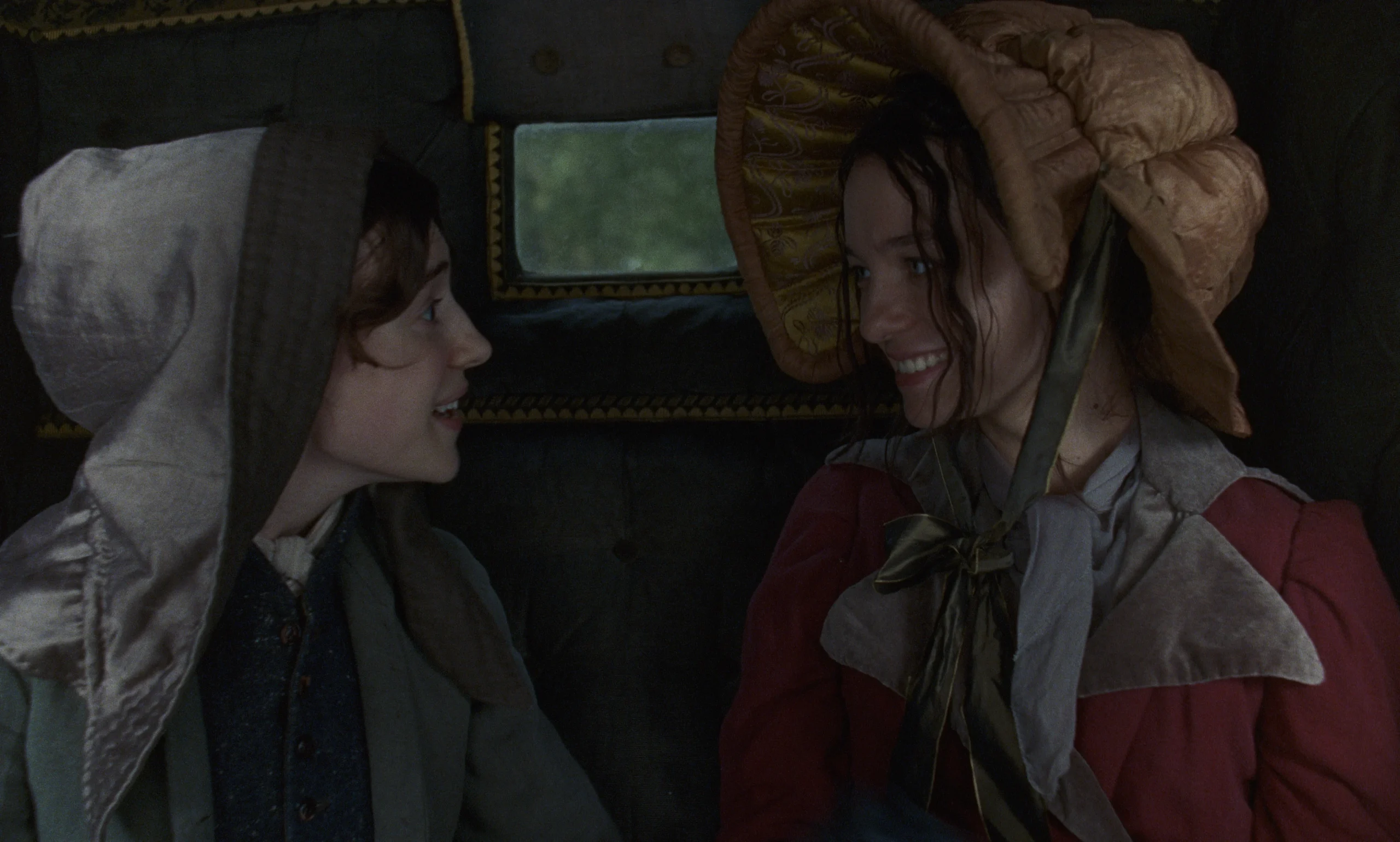
The move disrupts Elinor’s budding feelings for John’s brother-in-law, the stoic Edward Ferrars (George MacKay), but she is pragmatic. She does her best to stow her emotions, unlike her sister Marianne, who, after settling at the cottage, falls madly in love with the dashing bachelor John Willoughby (Frank Dillane). Navigating love, loss, and societal expectations, logical Elinor and passionate Marianne frequently clash as only siblings can, yet their unshakable bond sees them through the whirlwind of relocation, romance, heartbreak, and, ultimately, hope for a happy future.
Is romance dead? It is a question we see asked time and again, especially in the age of swipe left and dating profiles. And yet Sense and Sensibility reminds us that romance is alive. It burns like Marianne’s passion, and yet is as thoughtful as Elinor’s steadiness. The novel speaks to the nature of true love, and the film reaffirms that promise. A deep and abiding love. This film is made for yearners. For those who still believe in romance and desire true love, Sense and Sensibility will not disappoint. And for the cynic, it will restore faith in the power of l-o-v-e.
The performances here are spectacular. Daisy Edgar-Jones continues to blossom, revealing herself through quiet poise and silent indignation. Much of Elinor’s story is wrapped in her own thoughts, and in self-torture over duty and giving in to her feelings. Watching Daisy here is like watching a great artist sculpt a masterpiece. She anchors the film, bearing its emotional weight and family burden, yet remains enchanting.
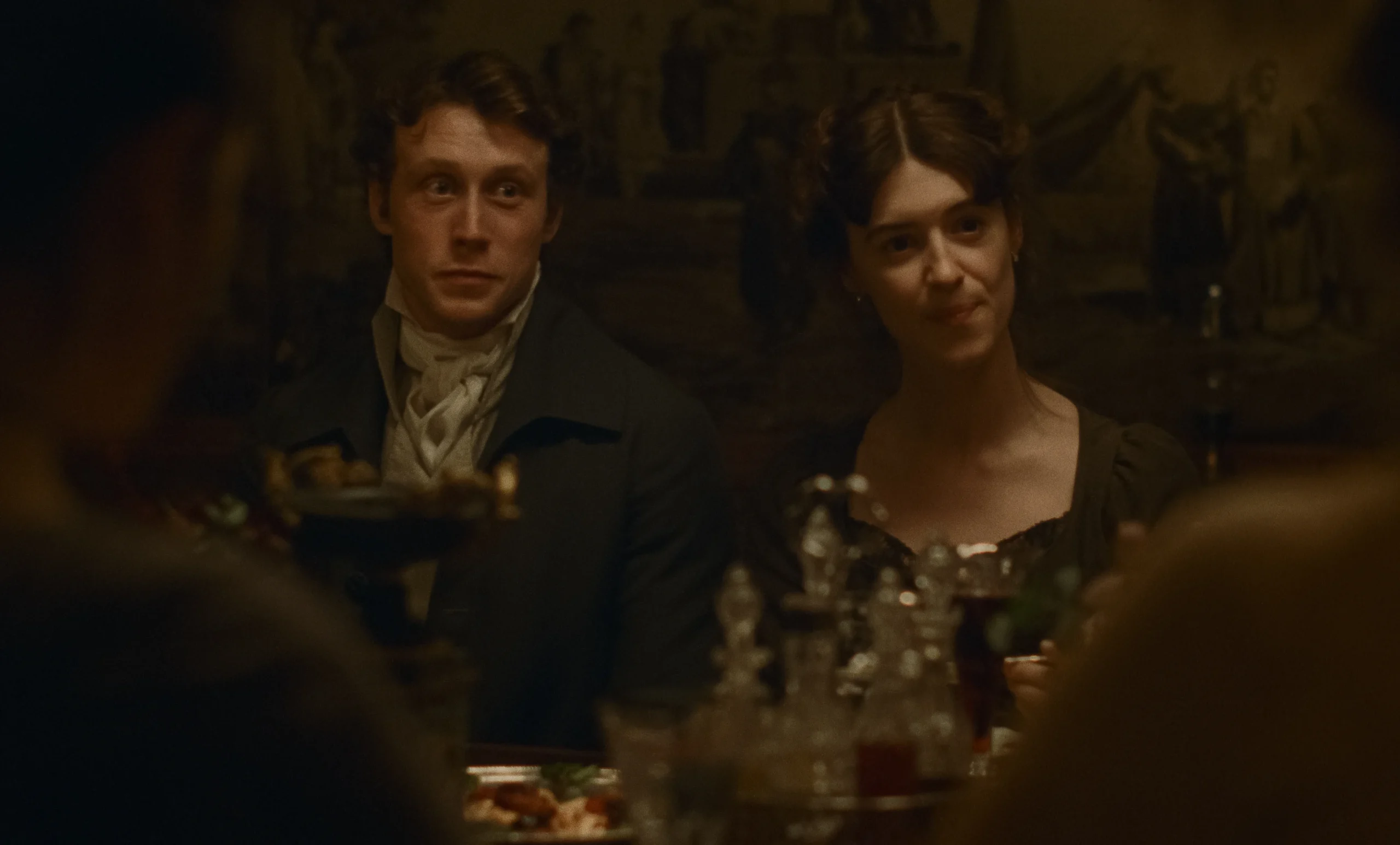
For Marianne, an actor needs spontaneity and emotional candor. Esmé Creed-Miles is sensational. While this is far from her first performance, it should be her breakout role, without reservation. For a devil-may-care sister who runs headlong into the freezing rain in search of love, only to return in dire straits, Creed-Miles avoids the cliché trapdoor. She commands the spotlight and our attention, rounding out Marianne as a character whose MO is to live.
As noted above, the performances are sensational, and the leads, Edgar-Jones and Creed-Miles, are both the audience’s eyes and outlet, but I cannot say enough about the film’s supporting players. Dillane as the charming but devious Mr. Willoughby captures the conflicting gray morality hidden behind a brash, materialistic front. Set against the reserved but silently passionate Colonel Brandon (Herbert Nordrum), the film offers a stirring play for Marianne’s heart, and both fit seamlessly into Austen’s world.
Add that of the stoic Mr. Ferrars. It is a wonderful dance between him and Elinor. Again, as the film’s feel suggests, the performances are grounded. At times, the witty world Austen created seems larger than life, but everyone finds a reality that breathes life into the characters, resulting in a sense of realism.
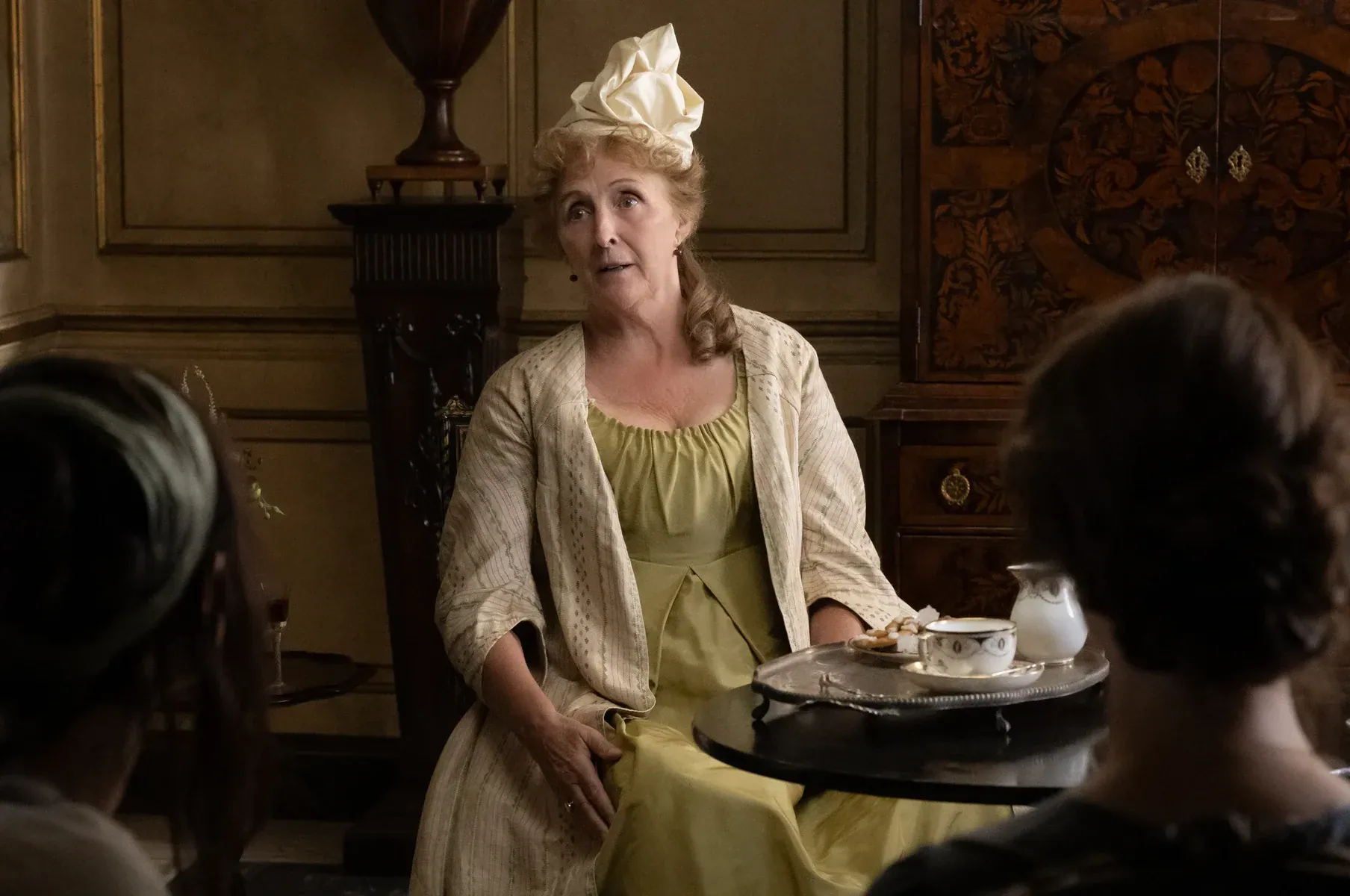
If there is one flashy and downright hilarious performance, it is Mrs. Jennings (Fiona Shaw). The widow and gossip-hound is the film’s comic relief, but she is much more. Boisterous yet loving, she is the linchpin that sets Elinor and Marianne on a whirlwind journey that brings them all to London. A surrogate mother figure who wants to help the Dashwood Family, her presence is a warmth that spreads whenever she is on screen. And Shaw is a riot. If only one role generates early Oscar Buzz, it is Shaw.
Sense and Sensibility arrives promptly. In an age when we question old traditions, wrestle with financial stress, and question the very nature of love, the film could not be more timely. The story reflects the reality of financial hardship afflicting the Dashwood Family. This is some Bridgerton-esque soap opera, but a story of grit and raw emotion.
Nothing is polished, nothing is primmed, save for the ball. The story is grounded in a reality relatable to modern audiences. The fresh adaptation is that—fresh—it tackles those age-old questions in a surprising modern context. Heart versus brain. I think that is why Austen’s book has endured for over two hundred years. The times may have changed, the window dressing varies, but the question and struggles remain.
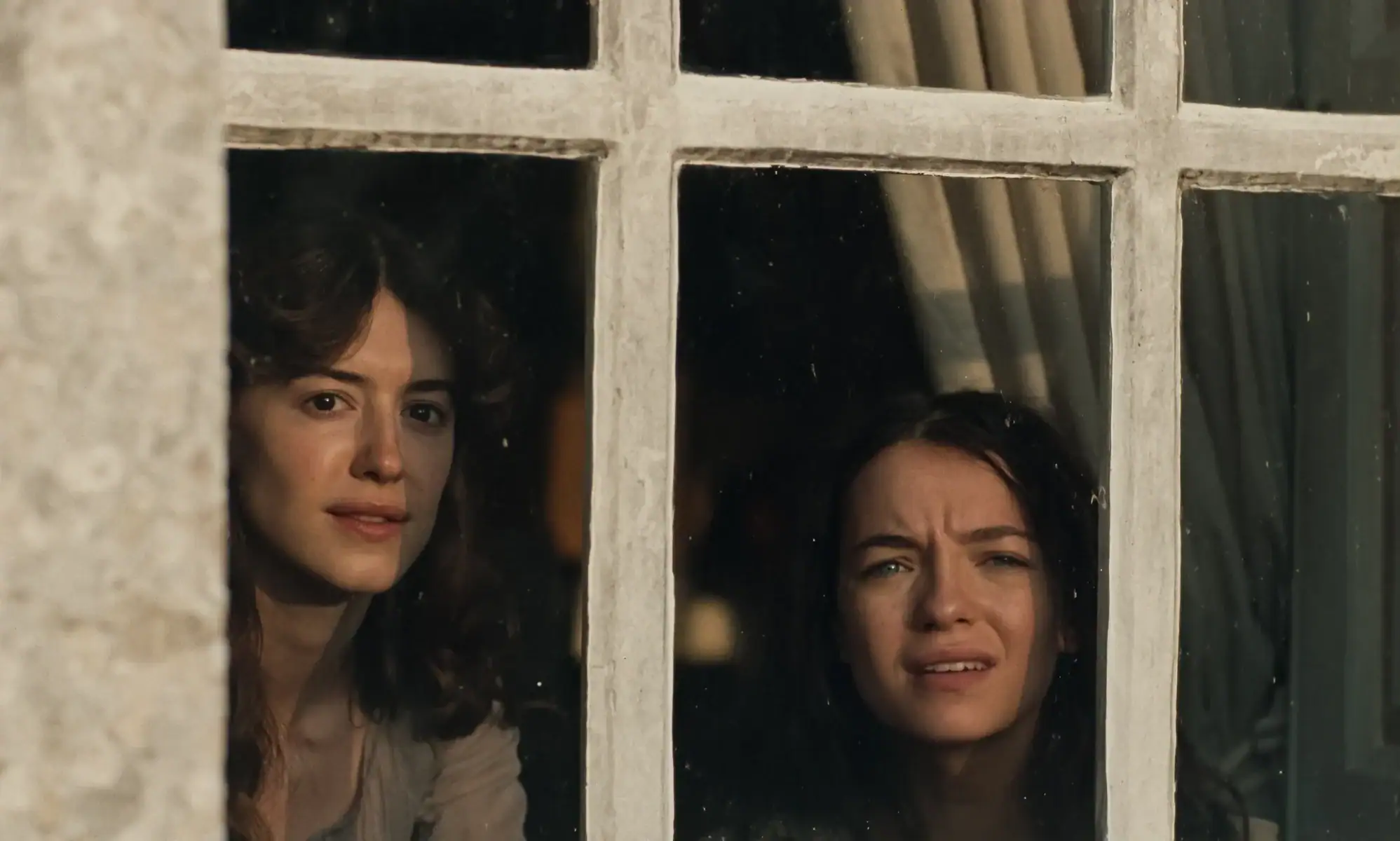
All modern romances and rom-coms owe a debt to this story. Here is the template—a tug-of-war between following one’s heart and listening to one’s head. It also explores sisterhood. As much as this story explores the trials of romance and the question of love, it is also a story of two sisters with dramatically different approaches. It is that—Sense (Elinor) and Sensibility (Marianne).
At the crux of Sense and Sensibility are the diametrically opposing worldviews of Elinor and Marianne. Elinor is the realist, refusing to succumb to her emotions and instead restraining her heart. Marianne takes the opposite approach, loving without prejudice. Elinor’s prudence makes her the dutiful daughter. Marianne is the carefree individual. Both sisters’ outlooks represent the extremes, and through their journeys, and above all through their bond, they come to realize the importance of balance.
Sense and Sensibility captivates through its beautiful pageantry and showstopping performances, while also speaking to the world we live in today. I left my screening giddy and dazzled. For the hopeless romantics, this is one for the books, and even for the cynics, the charm and majesty will melt even the coldest hearts. More than a sensible film, it is splendid. One of 2026’s crown jewels.
Sense and Sensibility will debut in theaters on October 16, 2026, courtesy of Focus Features.
![SENSE AND SENSIBILITY - Official Trailer [HD] - Only In Theaters October 16](https://geekvibesnation.com/wp-content/cache/flying-press/00c218664ec75f40ef270504b12a980e.jpg)
Before we let you go, we have officially launched our merch store! Check out all of our amazing apparel when you click here and type in GVN15 at checkout for a 15% discount!
For major deals and money off on Amazon, make sure to use our affiliate link! If you are purchasing any of the latest and best in physical media at MovieZyng, you can support us using our affiliate link.
Paste this into the Classic editor’s Text
Sense and Sensibility captivates through its beautiful pageantry and showstopping performances, while also speaking to the world we live in today.
-
GVN Rating

Writing & podcasting, for the love of movies.
His Letterboxd Favorites: The Dark Knight, Halloween, Jaws & Revenge of The Sith.