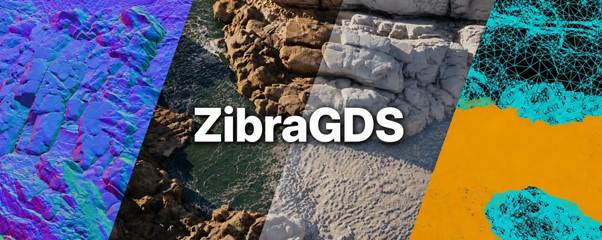
Serhiy Tokarev Discusses ZibraGDS, a Technology for Processing 3D Scenes
On 21 July, Zibra AI presented ZibraGDS as part of the ACM SIGGRAPH 2026 Real-Time Live programme. The technology processes animated geometry in real time and can handle highly detailed 3D scenes, including water simulations and object destruction. Serhiy Tokarev, co-founder of investment group Roosh, supports the development of the Ukrainian technology company’s new product.
Key Advantages of ZibraGDS
The new technology is designed to process highly detailed animated 3D scenes. Previously, specialists had to rely on time-consuming, resource-intensive offline workflows, including repeated rendering. ZibraGDS addresses this problem by processing scenes faster and more efficiently.
Zibra AI emphasises that, among all the advantages of the technology, the main one is its approach to working with volumetric geometric data, namely the automatic division of 3D objects into small structural elements called meshlets during compression. Decompression then takes place on the graphics processor through mesh shaders and amplification. Thanks to this architecture, large volumes of data are processed in parallel and complex scenes are reproduced.
Key advantages of the new tool include:
- processing complex geometry directly on the GPU;
- handling scenes containing millions of polygons;
- rendering scenes 5–10 times faster;
- reducing animated data volumes by up to 92%.
ZibraGDS Can Transform Production Workflows
Zibra AI emphasises that the idea for the technology emerged from the practical needs of teams creating large-scale 3D scenes, particularly the considerable time they spent on offline rendering.
“New infrastructure is needed to advance AI and digital content technologies. We invest in foundational technologies because they can have a significant impact across the entire industry. Our goal is to accelerate the production of high-quality digital content and make it more affordable,”says Serhiy Tokarev.
ZibraGDS will allow these scenes to run directly in the engine in real time, transforming the production of films, video games and other interactive products. Teams can view results immediately, test different solutions faster, use resources more efficiently and shorten production cycles.

Caroline is doing her graduation in IT from the University of South California but keens to work as a freelance blogger. She loves to write on the latest information about IoT, technology, and business. She has innovative ideas and shares her experience with her readers.