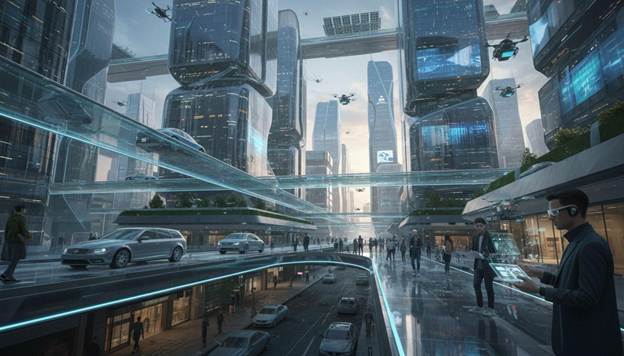
The pace of technological change in 2026 is accelerating in ways that often go unnoticed, and many users exploring platforms and apps for newbies are already experiencing how quickly systems are evolving beneath the surface. These shifts are not always obvious, but they are steadily transforming how digital environments function.
What makes this transformation unique is the gradual nature of progress. Instead of dramatic breakthroughs, change is happening through continuous improvements that build on one another. This layered development is creating a more advanced and interconnected ecosystem.
Finance Moving Into The Background
Financial systems are becoming less visible as they integrate into everyday digital interactions. Instead of requiring separate platforms, financial processes are embedded within applications that users already rely on.
- Seamless financial transactions within services
- Automation reducing manual effort
- Real-time systems improving efficiency
This evolution is simplifying user experience while increasing dependence on underlying infrastructure.
Navigation Becoming More Intelligent
Navigation technologies are evolving into systems that adapt to user behavior and real-time conditions. They are becoming more than just tools for direction, offering predictive and context-aware guidance.
| Capability | Effect |
| Real-Time Data Processing | Improved accuracy |
| Predictive Features | Better anticipation of movement |
| Context Awareness | More relevant outcomes |
These advancements are changing how navigation is used across different environments.
Connectivity Becoming Invisible
Connectivity is shifting toward systems that operate continuously without interruption. Users are interacting with networks that function seamlessly across devices and platforms.
- Stable network performance
- Integration across ecosystems
- Reduced need for manual configuration
This shift is making digital experiences more fluid and consistent.
The Power Of Incremental Innovation
Innovation in 2026 is driven by steady improvement rather than isolated breakthroughs. Small changes are accumulating over time, leading to significant transformation across sectors.
This approach is making technological development more sustainable and predictable.
Rising Expectations Across Users
As systems become more advanced, users expect technology to be intuitive, reliable, and adaptable. These expectations are shaping how products and services are designed.
Companies are focusing more on long-term usability rather than short-term novelty.
Regulation Influencing The Landscape
Regulatory frameworks are evolving alongside technological progress, influencing how systems are built and implemented. These changes are shaping both the structure and pace of innovation.
The interaction between regulation and technology will continue to define future developments.
Looking Ahead At Hidden Changes
The most important changes in 2026 are not always the most visible. Instead, they are the gradual developments that quietly reshape entire sectors over time.
Understanding these shifts early can provide valuable insight into how technology will continue to evolve.

Heather Neves is working as a freelance content writer. She likes blogging on topics related to parenting, golf, and fitness, gaming . She graduated with honors from Columbia University with a dual degree in Accountancy and Creative Writing.